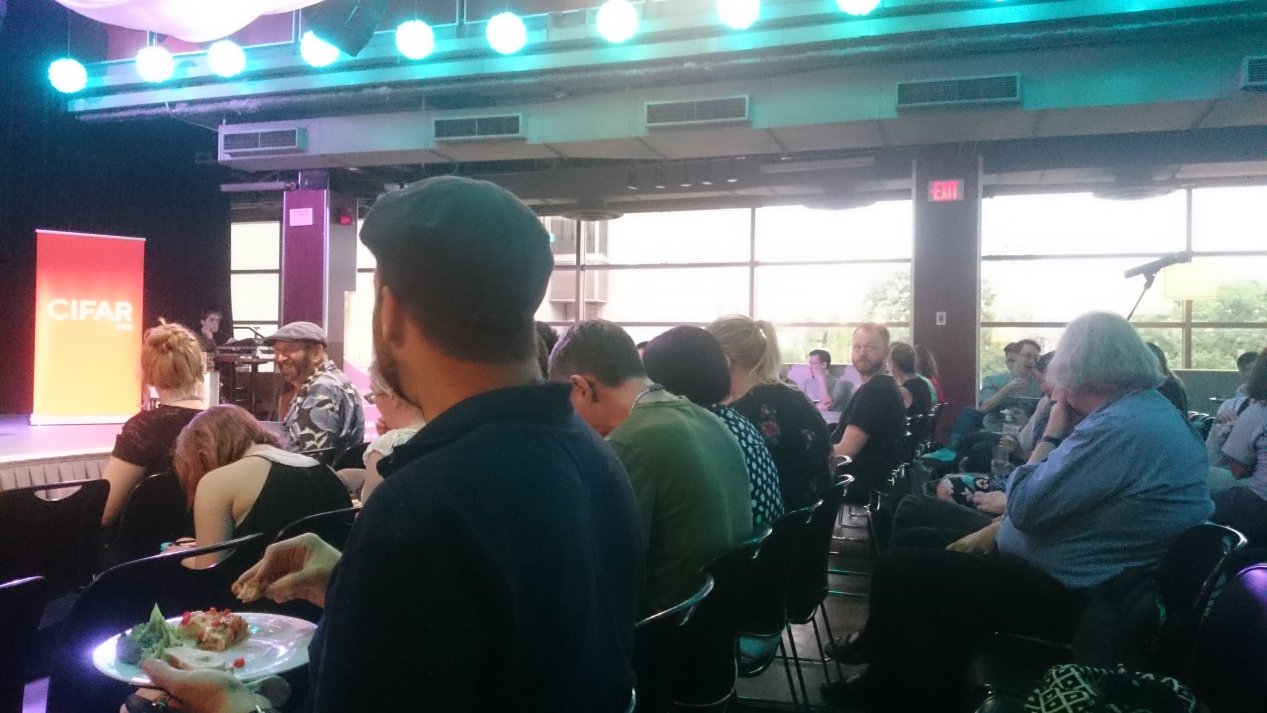
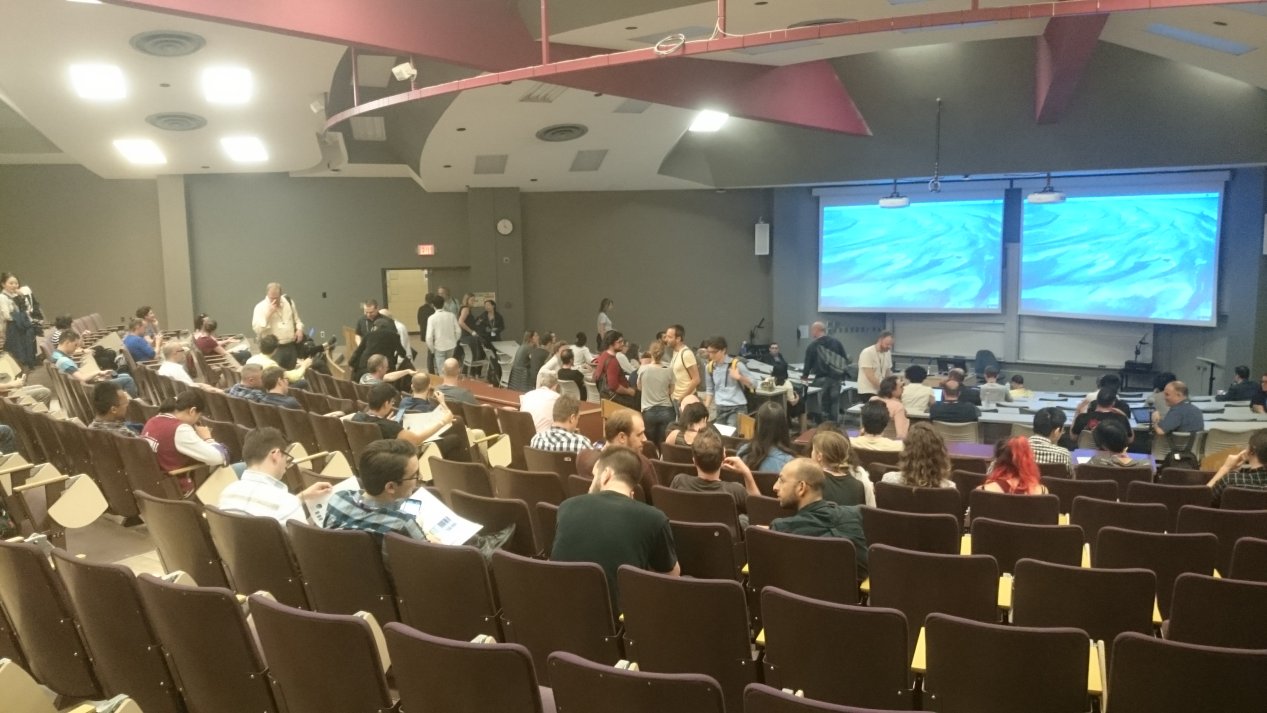
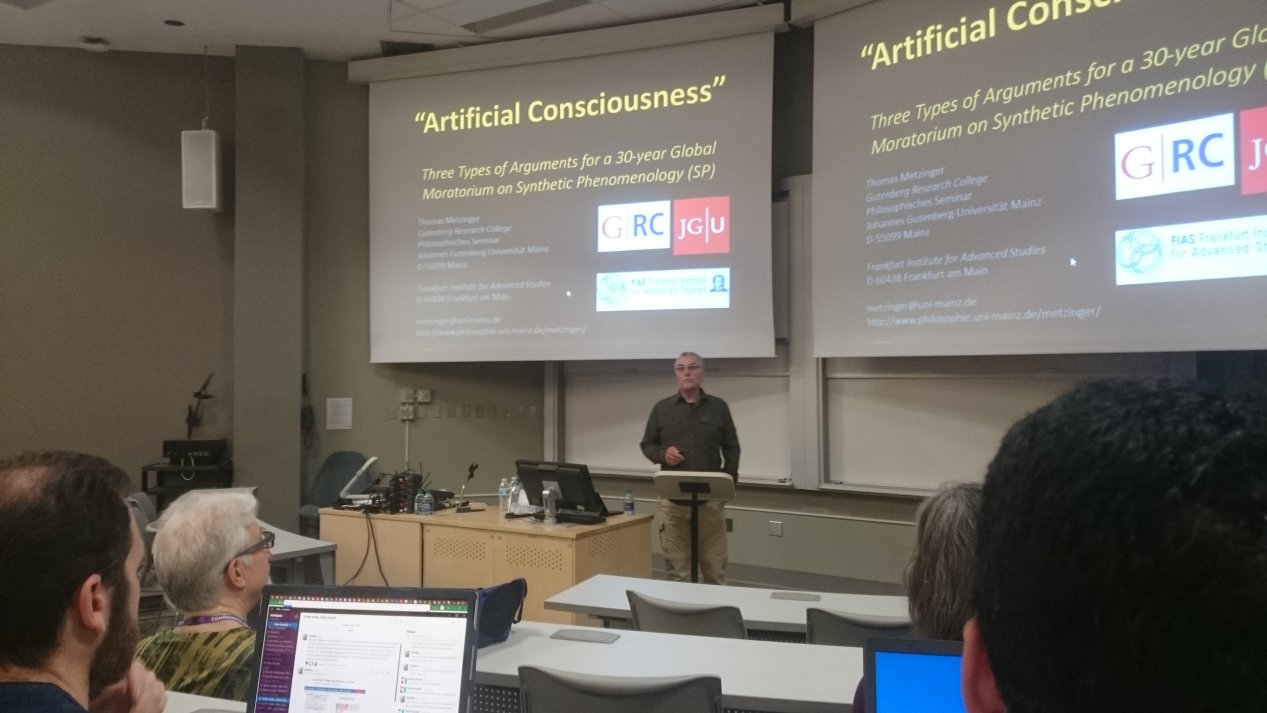
I had the great pleasure of taking part in ASSC 23 (The 23rd Annual Meeting of the ASSC, Association for the Scientific Study of Consciousness).
Below you will find impressions from the conference, and links for further reading.


In the beginner's mind there are many possibilities, but in the expert's there are few.And I imagine there is some wisdom in that quote, as we are dealing with the study of consciousness...?

Using recordings of the brains electrical activity using electroencephalograph (EEG) sensors on the scalp, as people are given anaesthesia - has shown that as consciousness fades there is a loss of synchrony between different areas of the cortex - the outermost layer of the brain important in attention, awareness, thought and memory.Understanding c) the mechanisms behind altered states of consciousness like e.g. Schizophrenia has proven equally difficult. Still, it has been suggested that Computational Psychiatry (Towards a mathematically informed understanding of mental illness. Where we look at mental symptoms, in the brain, in computational terms) could be a way forward.
At present, we do not have a well-grounded, and certainly not generally accepted, theory about how networks of millions or billions of neurons work together to provide salient brain functions in animals or humans.
We do not even have a well-established model for how neurons in the primary visual cortex of mammals work together to form the intriguing neuronal representations with, for example, the orientation selectivity and direction selectivity that were discovered by Hubel and Wiesel 60 years ago.
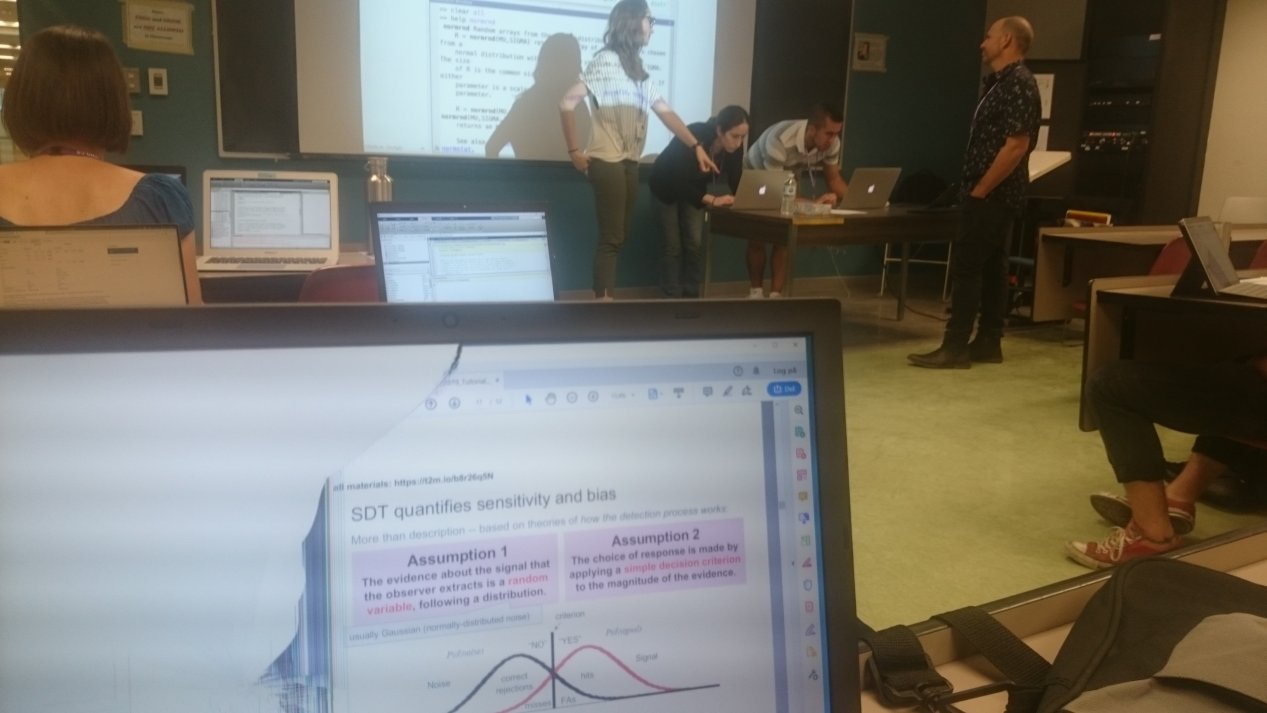
E.g. simulate an experiment in which the ''observer'' detects a target, like when you are detecting whether your phone is vibrating in your pocket or not... Then do that over and over again.Sensitivity: how good are you at detecting or reliably identifying a signal (''Hits'' - saying yes when signal is present. Hit rate = # of YES response to signal trials / # of signal trials. ''False Alarms'' - saying yes when a signal is NOT present).


Attention is something specific, something mechanistic.A first step to build. Which he thinks should be followed by ''introspection'' mechanisms:
A particular internal model in the brain wins the competition of the moment, suppresses its rivals, and dominates the brain's outputs...
Brains insist they have consciousness.Fine, but building consciousness is hardly ''clear-cut'' utilitarianism then (ethical theories that promotes actions that maximize happiness and well-being for the majority of a population).
That insistence is the result of introspection: Of cognitive machinery accessing deeper internal information.


...We propose that there are 2 global networks: an ''extrinsic'' system, comprising areas associated with the processing of external inputs, and an ''intrinsic'' system, largely overlapping with the task-negative, default-mode network....Where a network like the ''default mode network'' is most active, when a person is not focused on the outside world. But, instead, thinking about others, thinking about themselves, remembering the past, and planning for the future. Negatively correlated with other brain networks, such as attention networks.
An inner mechanism of doubt. A nit-picking system that's constantly on the lookout for fakes and forgeries in perception. ...is one of the most promising ideas we've come up with so far.And, who knows, it might follow that such inner mechanisms are the building blocks of introspection, and therefore also relevant for the ''construction'' of consciousness?

The precise moment at which the decision threshold is crossed leading to movement is largely determined by spontaneous subthreshold fluctuations in neuronal activity.But again with a somewhat ambigious conclusion, imho, and, obviously, a call for more research!
NREM (Non Rapid Eye Movement) sleep, are not uniformly distributed across the cortical surface, but can occur locally and asynchronously across brain regions.Which leads to the interesting question: Who sleeps? Persons, Brains or parts of brains?

In split brain operations, the corpus callosum is cut. The corpus callosum is a large strand of about 200,000,000 neurons running from one hemisphere to the other. When present, it is the chief channel of communication between the hemispheres [1].Apparently, split-brain patients appear to experience divided perception, but undivided consciousness.

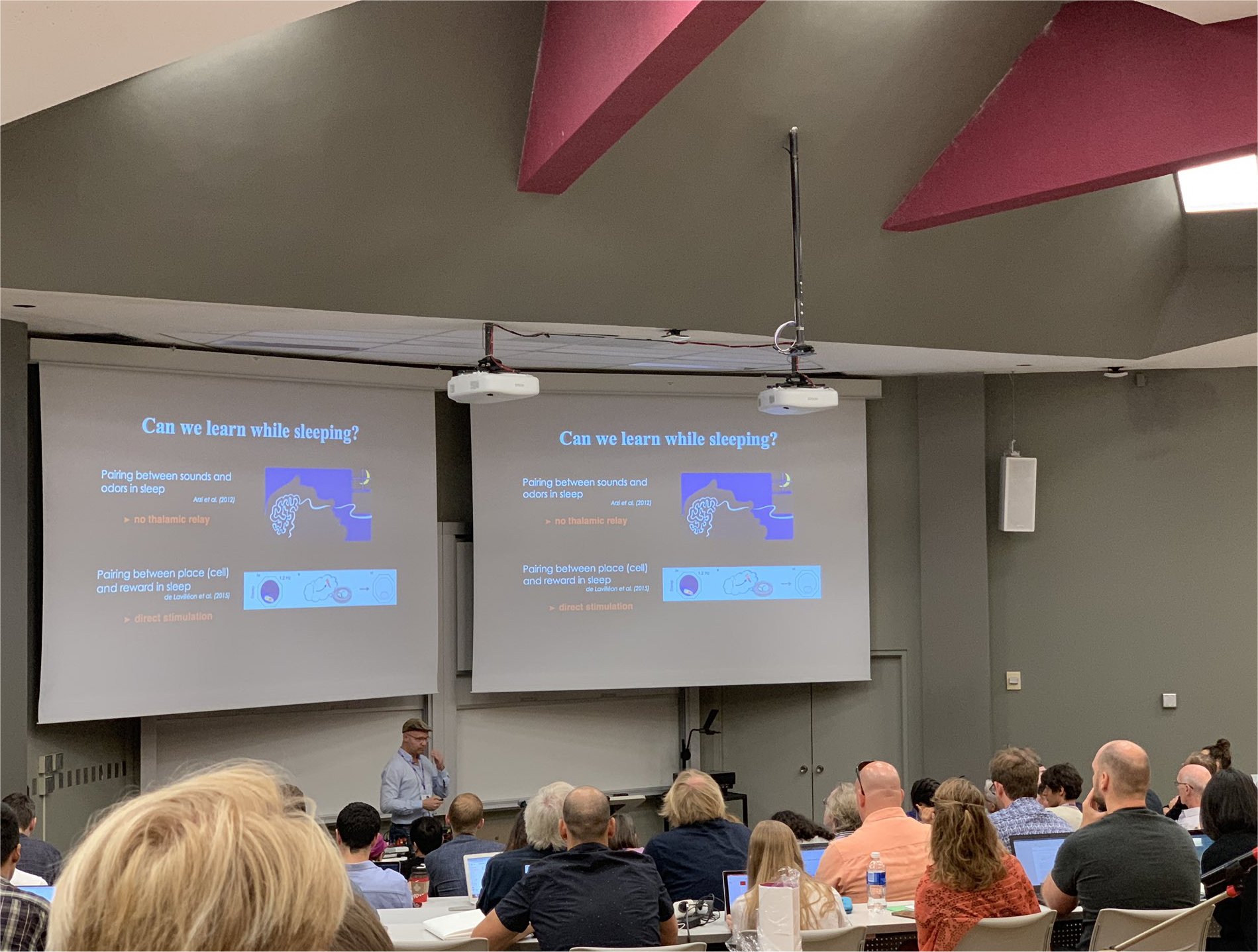
Healthy sleep must include the appropriate sequence and proportion of NREM and REM phases, which play different roles in the memory consolidation-optimization process [2].REM sleep is vey much like wakefulness (I.e. brain activity is very similar to that seen while awake).
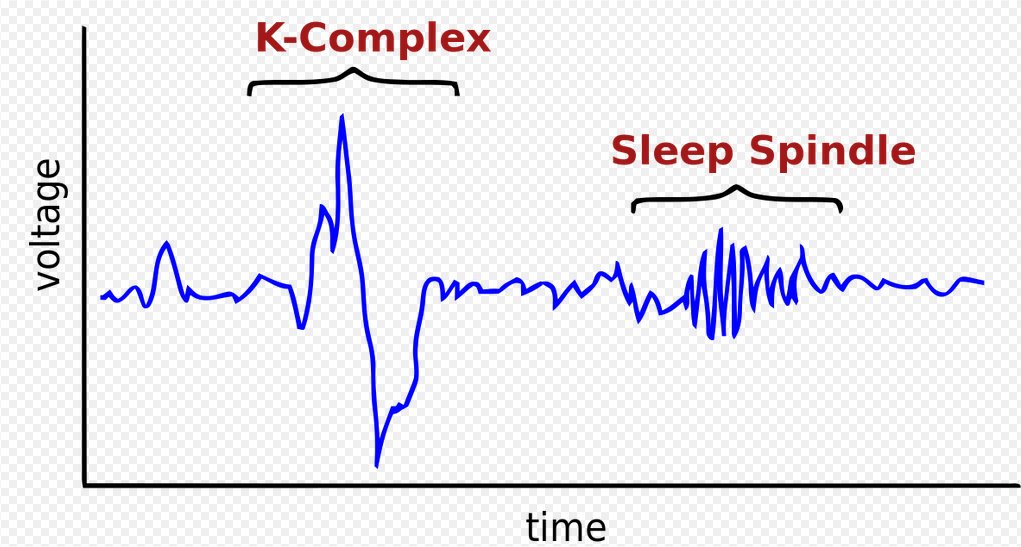
They are usually accompanied by sleep spindles, as your brain tries to stay asleep, and not wake up due to external distractions [3].(the ''K'' in K-complex stands for ''knock'', because they were discovered in patients being awakened by knocks on a door...)
We paired pleasant and unpleasant odors with different tones during sleep...Indeed, the sleeping brain is still responsive to the external environment.
...
We found that sleeping subjects learned novel associations between tones and odors such that they then sniffed in response to tones alone. Thus, humans learned new information during sleep [4].
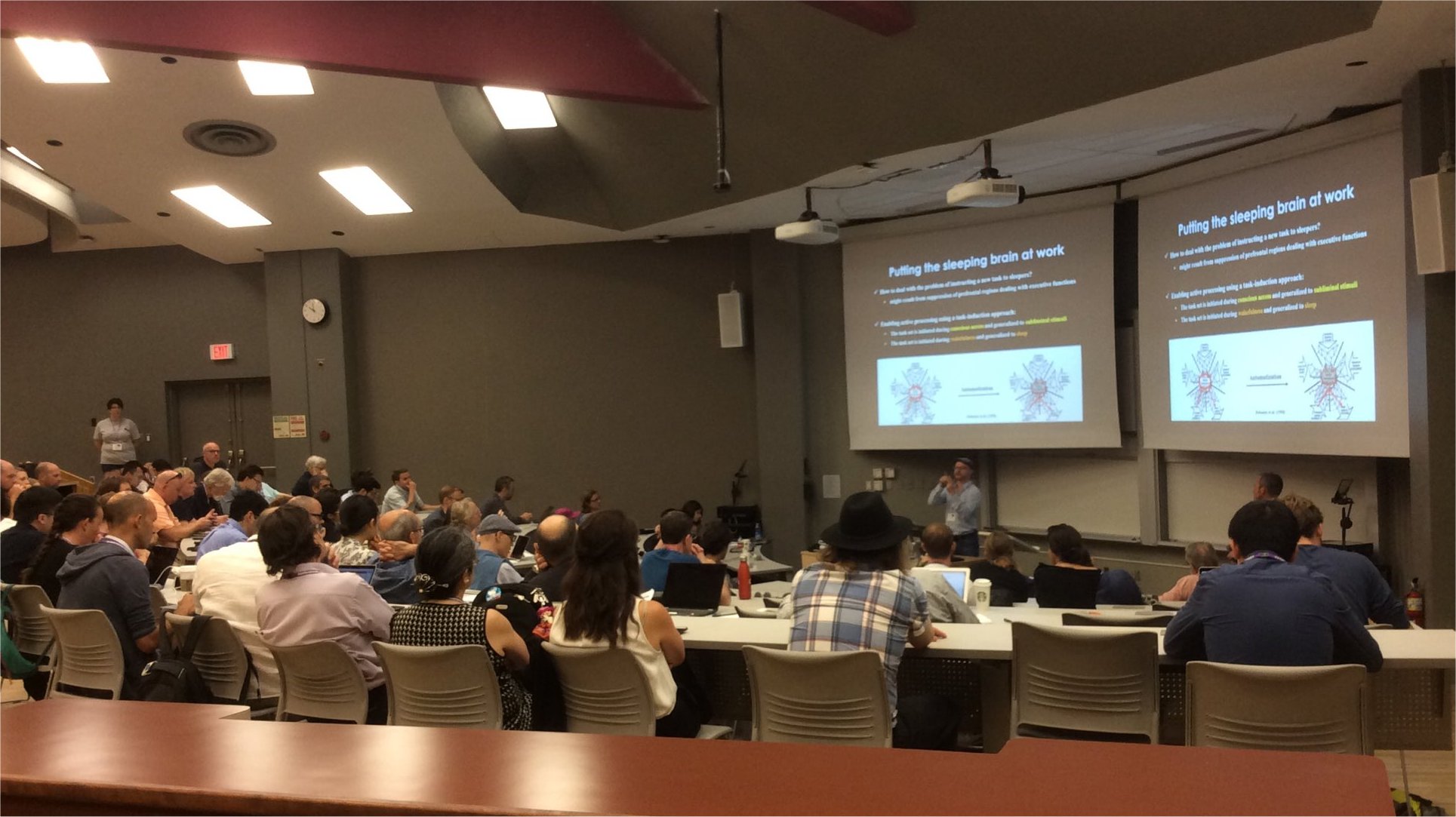
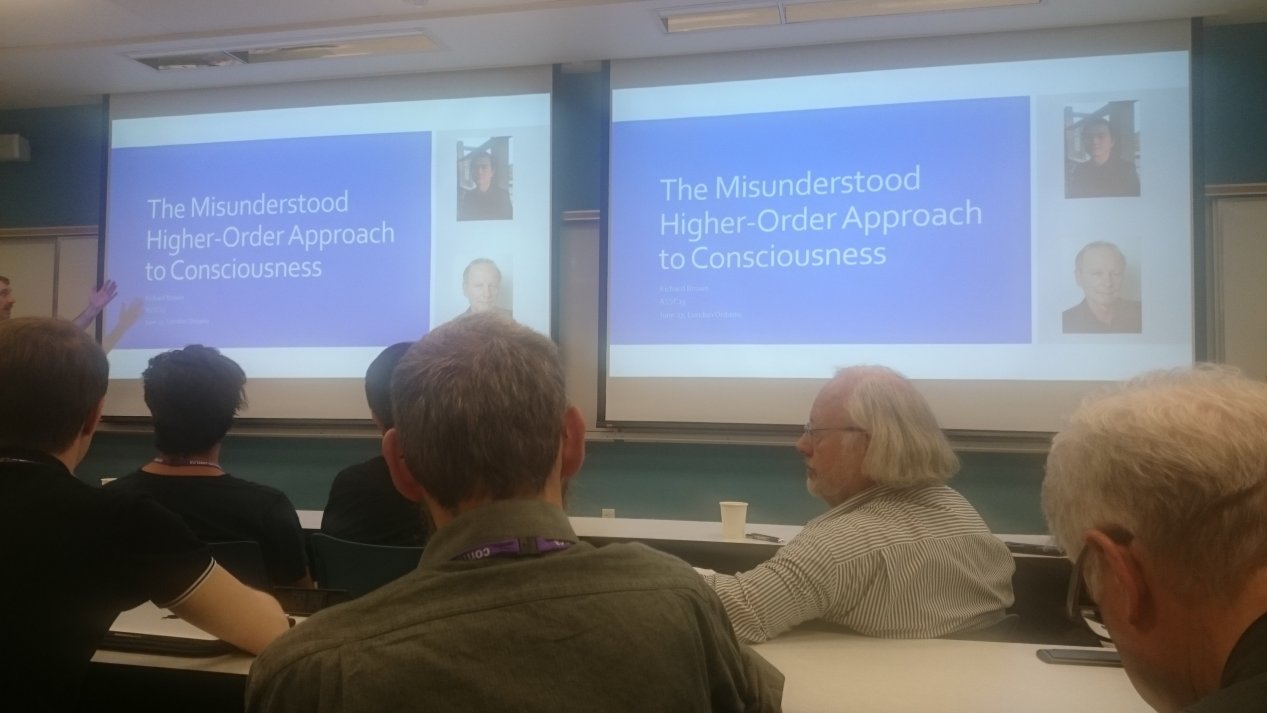
When I have a thought about a rock, it is certainly not true that the rock becomes conscious. So why should I suppose that a mental state becomes conscious when I think about it?Even though ''Higher-Order Thought Theory'' (HOT) tell us:
Basic idea is that what makes a mental state conscious is that it is the object of some kind of higher-order representation (HOR). A mental state M becomes conscious when there is a HOR of M.Well, we can probably only be conscious about things evolution thinks it makes sense for us to be conscious of?
A HOR is a ''meta-psychological'' or ''meta-cognitive'' state, that is, a mental state directed at another mental state [2].

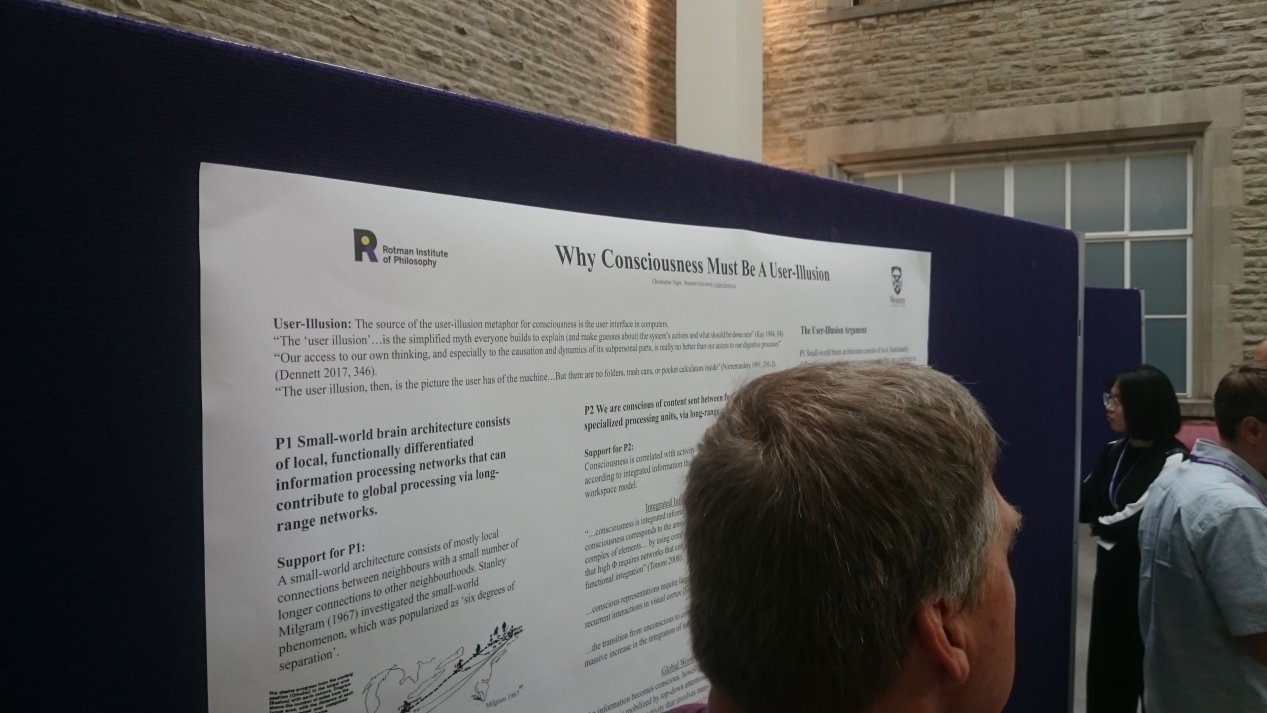
All sensation requires processing time. It follows that our conscious experience is less a perfect reflection of what is occurring, and more a simulation produced unconsciously by the brain [1].
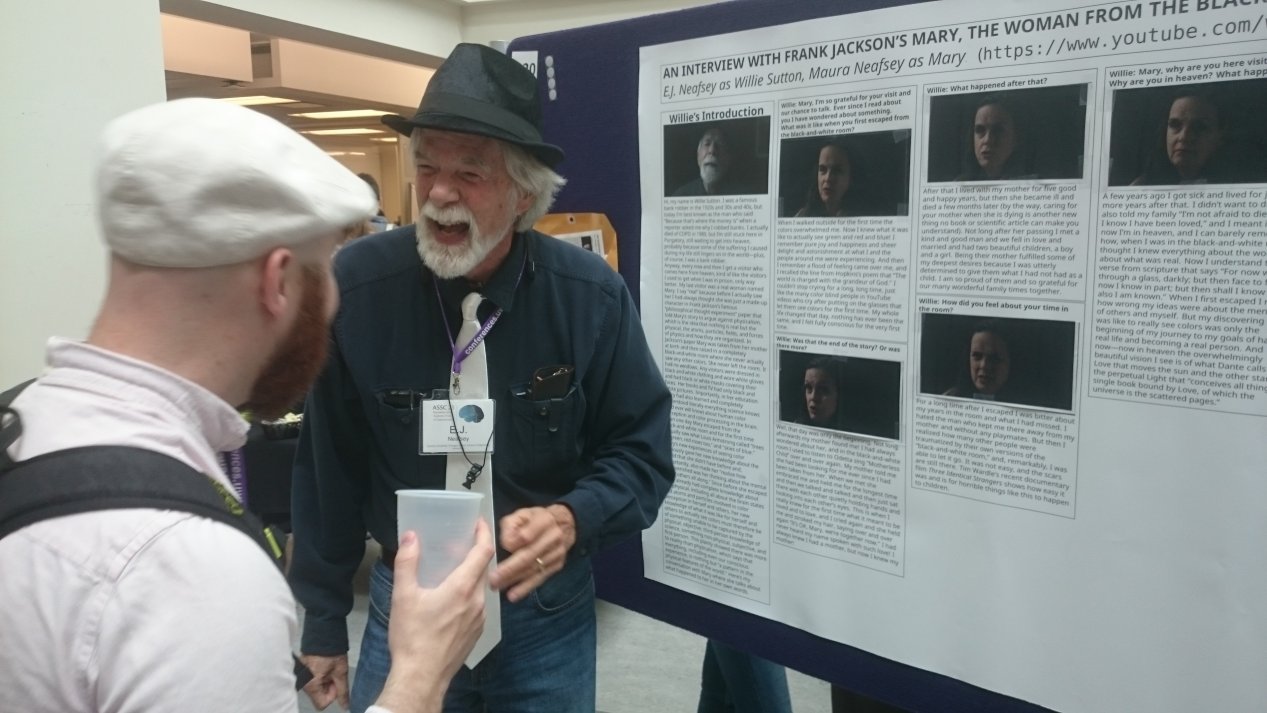
Mary is a brilliant scientist who is, for whatever reason, forced to investigate the world from a black and white room via a black and white television monitor.
...
What will happen when Mary is released from her black and white room or is given a color television monitor? Will she learn anything or not [2].
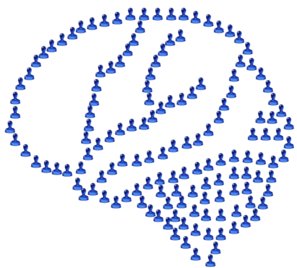
In ''philosophy of mind, the China brain thought experiment considers what would happen if each member of the Chinese nation were asked to simulate the action of one neuron in the brain, using telephones or walkie-talkies to simulate the axons and dendrites that connect neurons. Would this arrangement have a mind or consciousness in the same way that brains do [1].
Functionalism, which states that a mental state can be whatever functions as a mental state. That is, the mind can be composed of neurons, or it could be composed of wood, rocks or toilet paper, as long as it provides mental functionality [2].
In HOT theories of consciousness there is a commitment to the claim that a mere (first-order) representation is not sufficient for conscious experiences to arise - some higher-order mechanisms are also needed. For example, having a first-order perceptual state, a state in which the brain represents something which is not a mental state, for example, something in its environment, is often crucial for the organism to respond meaningfully to external stimuli. However, a fundamental tenet of HOT is that first-order states occur unconsciously, and are not sufficient for phenomenally conscious experiences to occur [3].(For more, see Understanding the Higher-Order Approach to Consciousness).
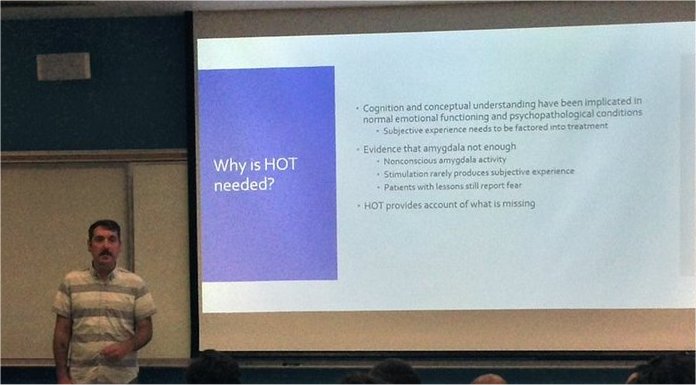
One common objection to HOT is that it makes consciousness overly sophisticated. This criticism mainly applies to HOTT, and even in that case the criticism is misplaced. For example, critics sometimes see the invocation of higher-order thoughts in HOTT as entailing complex forms of cognition, including introspection and self-awareness, that may not be present in mammals besides humans, for phenomenally conscious experiences to occur...In my understanding, this lands us where HOT theories give us just the right amount of cognition for consciousness.
...
With a leaner sense of introspection and self, higher-order theorists are free to speculate that non-human animals, infants, and even non-biological agents, could have the necessary kind of thoughts to have simple conscious experiences, such as conscious perceptions [4].

To most AI researchers, the frame problem is the challenge of representing the effects of action in logic without having to represent explicitly a large number of intuitively obvious non-effects [7].And when we have understood all of these ''easy problems''...
Japanese made more statements about contextual information and relationships than Americans did. And recognized previously seen objects more accurately, when they saw them in their original settings rather than in the novel settings, whereas this manipulation had relatively little effect on Americans.Apparently, scenes of big cities are more complex than small cities. And japanese cities are more complex than american cities. We are influenced by our environment, and we influence our environment.
A tulpa is an entity created in the mind, acting independently of, and parallel to your own consciousness. They are able to think, and have their own free will, emotions, and memories. In short, a tulpa is like a sentient person living in your head.And there is apparently a whole community out there that have ''tulpas'' living in their minds...
My imaginary friend thinks that you have serious mental health problems.Not 100 % sure what we were supposed to learn from this. But the mind sure is a strange place indeed.
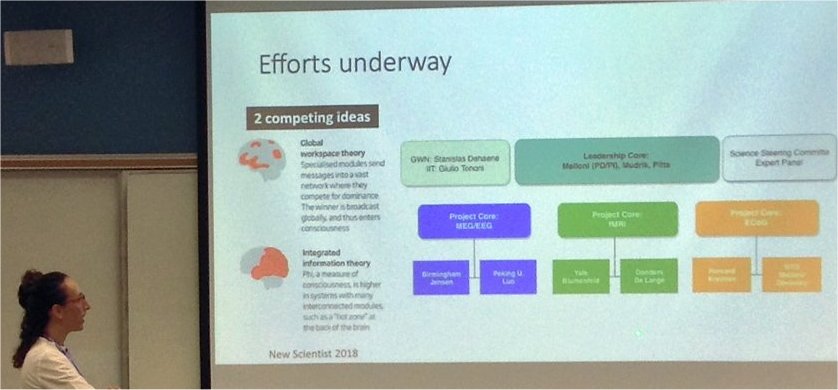
Theories according to which consciousness pervades the universe co-exist with theories suggesting that some specific parts of the cortex are responsible for consciousness [1].The situation isn't exactly new, as Michel made clear by quoting Maudsley (1887):
It is certain that by no exercise of consciousness of which we are capable can we explain what it is in itself (...).So, we probably need to have a much better understanding of the background conditions for consciousness in order to proceed.
The aim of sober inquiry is, therefore, to search and, if possible, find out the conditions of consciousness - the conditions, that is to say, under which it arises, varies, sinks and lapses (p.489) [2].
Contemporary science of consciousness does not reach consensus either, which might indicate that our contemporary theories could be similarly underdetermined by the evidence [3].Which takes us back to the neural correlates of consciousness.
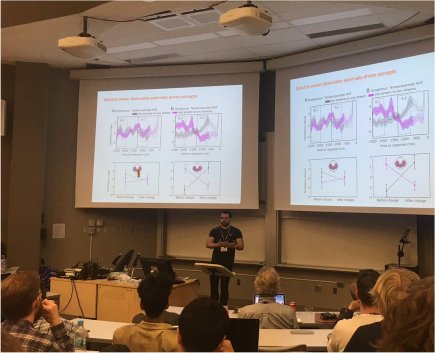
Integration to experience a collection of objects as a unitary percept, and differentiation to experience these objects as distinct from each other [4].In one experiment, participants were asked to listen to a sequence of tones, experienced as ''either as a single stream (perceptual integration) or as two parallel streams (perceptual differentiation)''.
Suggesting a one-to-one relationship between phenomenology and neurophysiology.
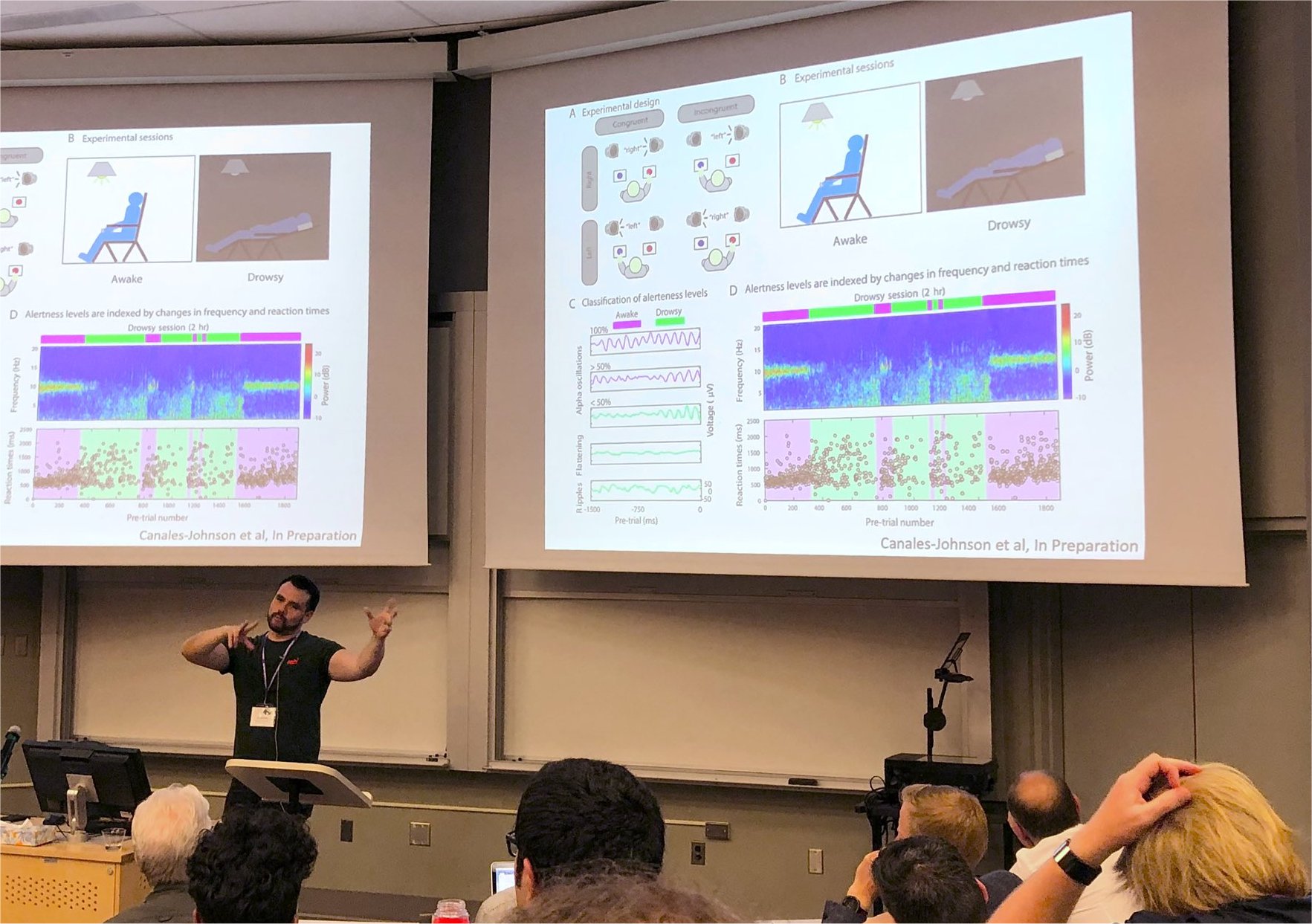 Some of us were scratching our heads, but it does indeed sound pretty logically, when you give it some thoughts.