Impressions and Links from
Icaart 2020

12th International Conference
on Agents and Artificial Intelligence.
February 22-24, 2020.


Carnevale. Valletta, Malta.


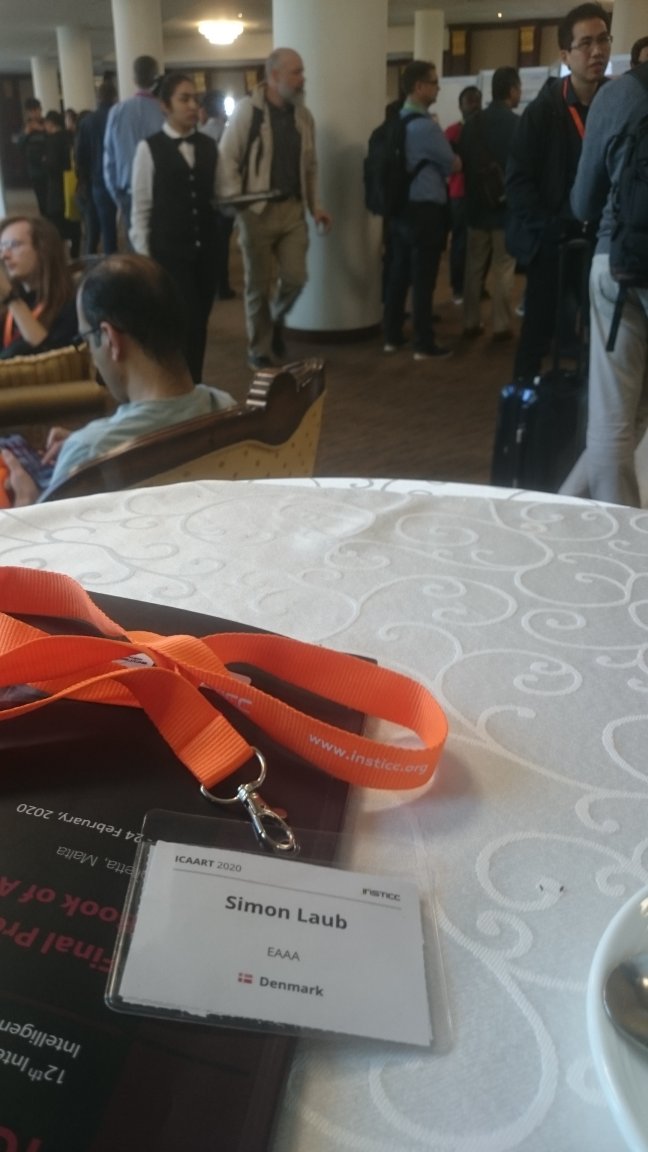
I had the great pleasure of taking part in Icaart 2020
in Valletta, Malta
(12th International Conference on Agents and Artificial Intelligence. February 22-24, 2020).

Below you will find impressions from the conference, and links for further reading.


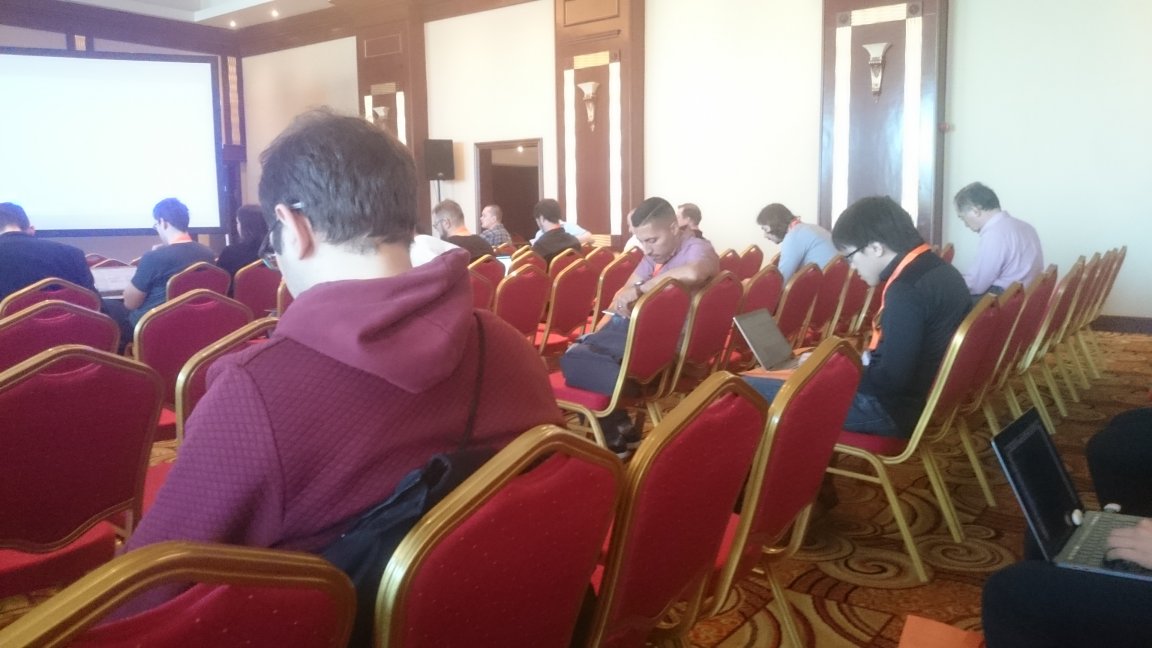
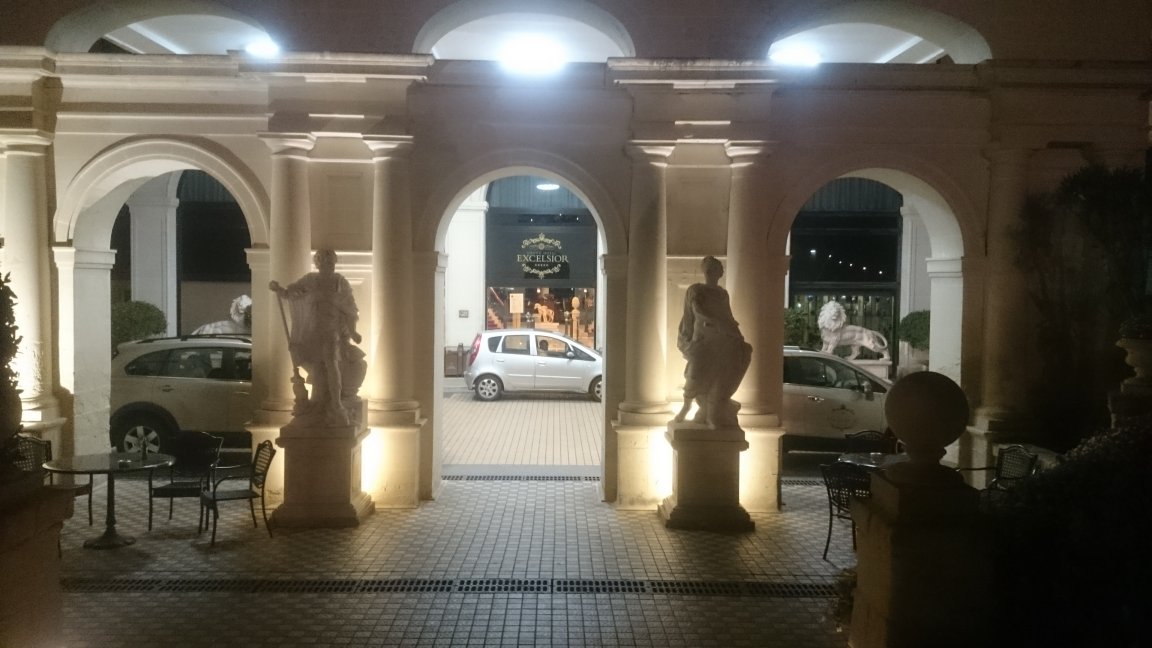
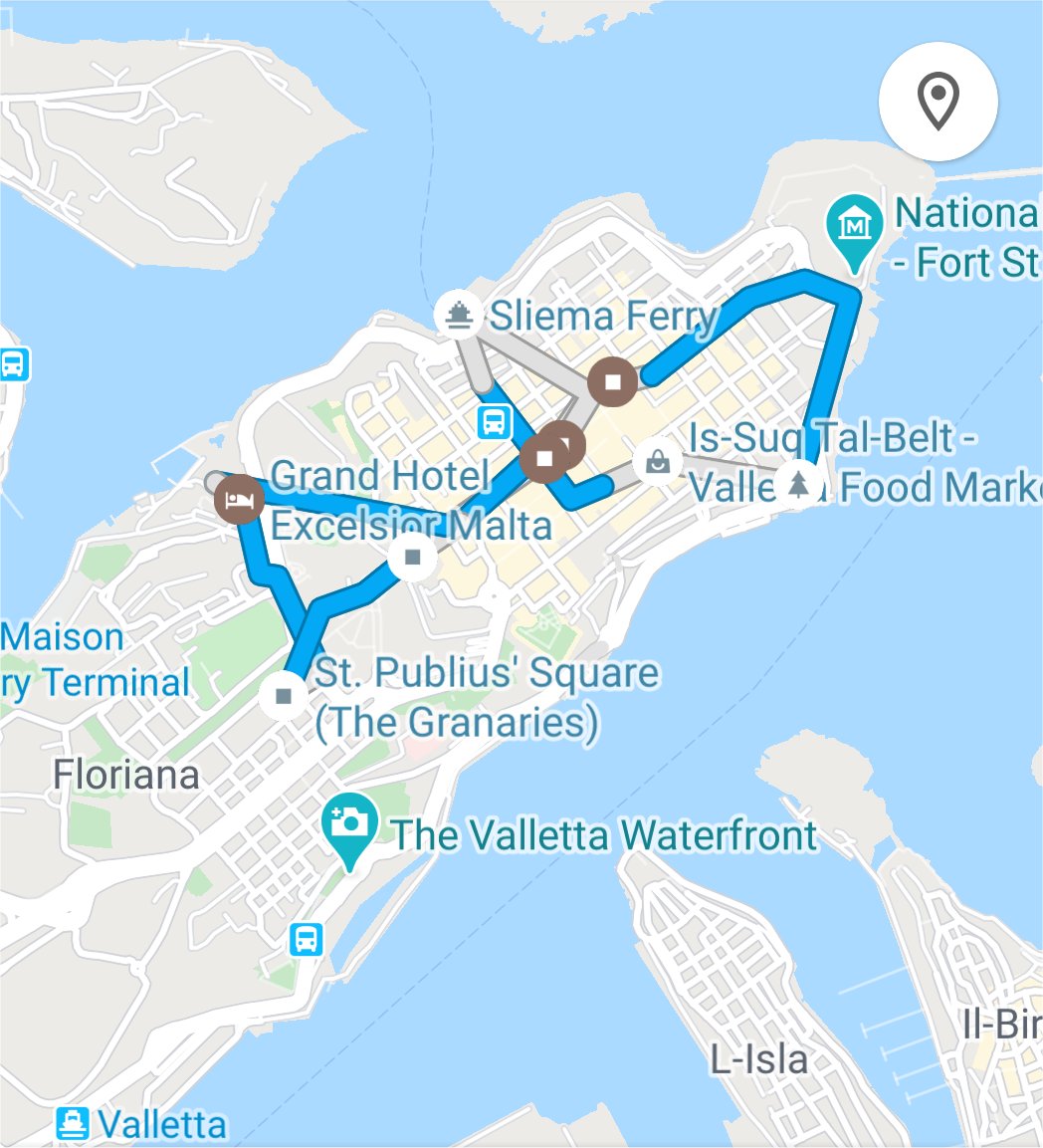
The Icaart conference was held in Valletta (Floriana), Malta, inside the Excelsior Hotel.
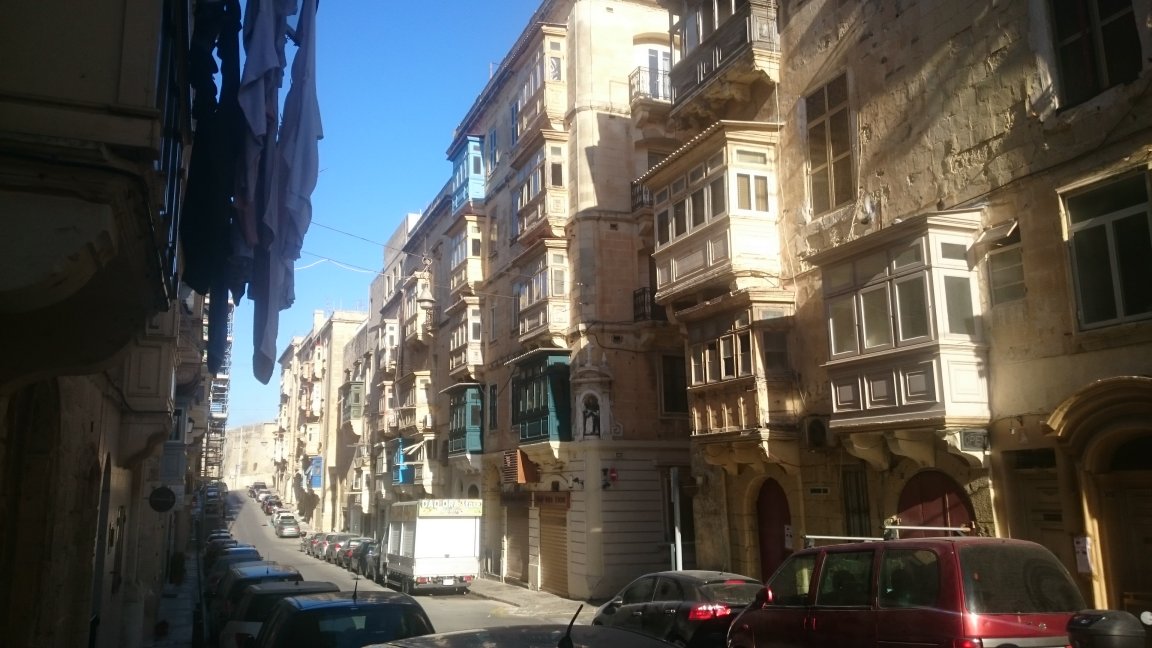
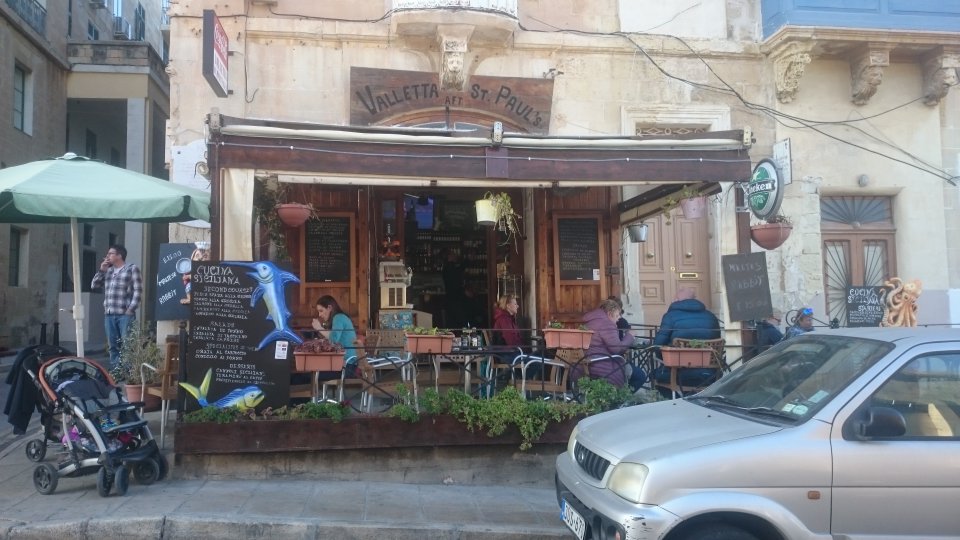
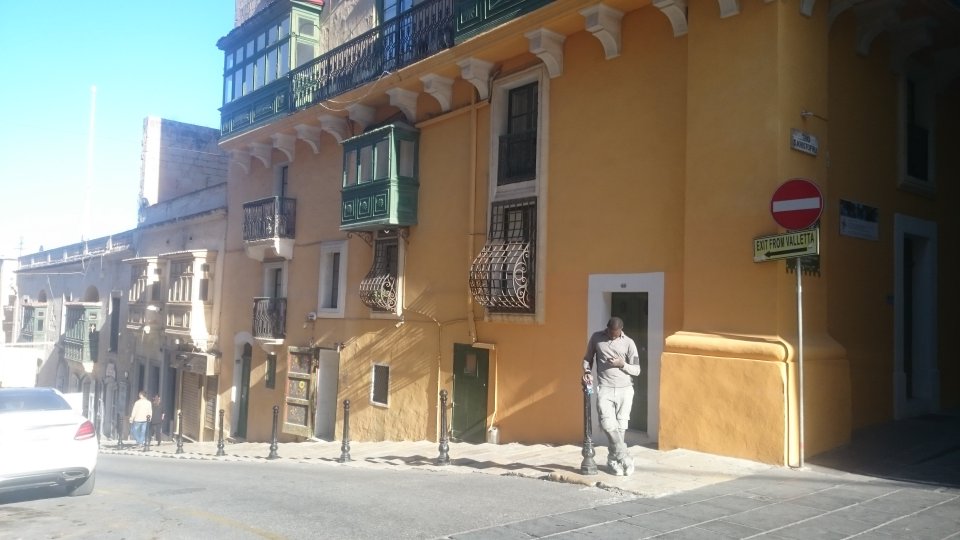
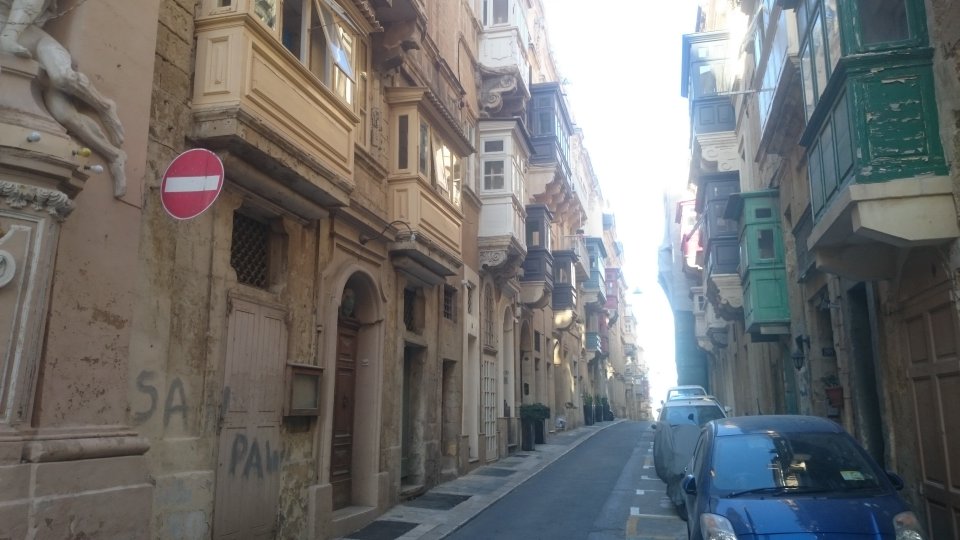
 Valletta, Malta.


Tried to follow as many talks as possible. But, well, these notes are, of course, in no way, shape or form complete...
Rather, these notes were written on conference nights, as my way of keeping track of the events that I attended at the conference. And as a way of storing links and references for future reference.

But enough disclaimers, below, you'll find impressions and links from some of the conference talks, including links for further reading.

Great stuff indeed.


Disclaimer


1. Introduction.

1.1. Page Overview.
- Presentations and Keynotes.

Below, in section (2 - 4), you will find impressions and links from the presentations that I followed Saturday, Sunday & Monday.
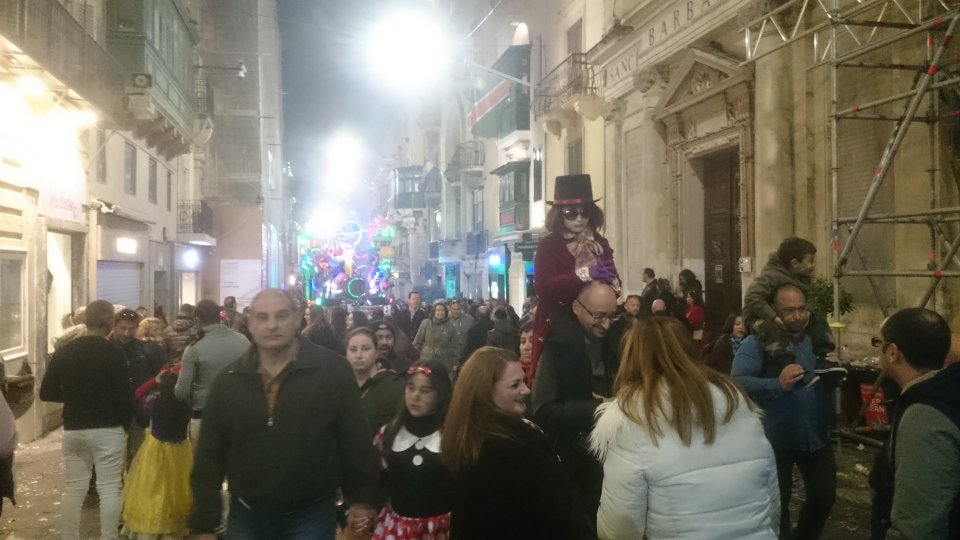
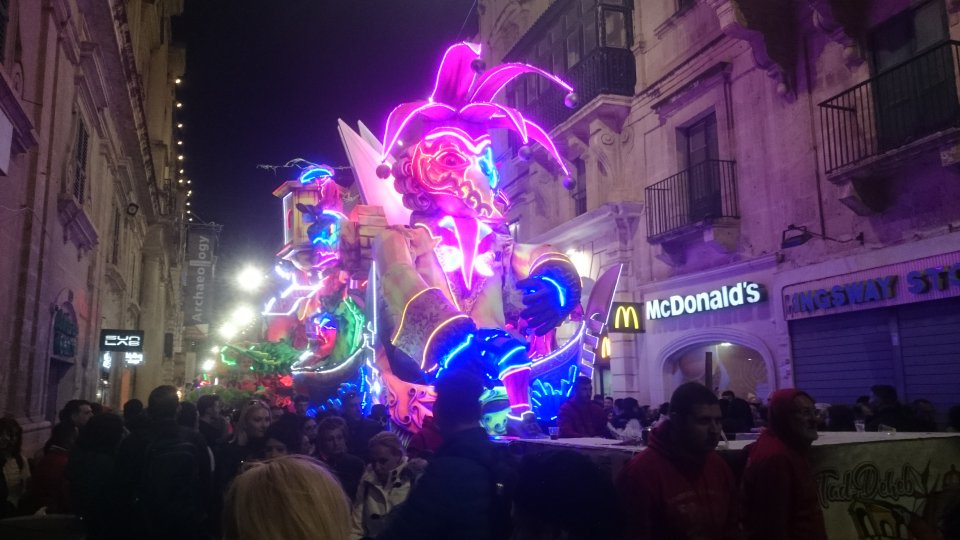
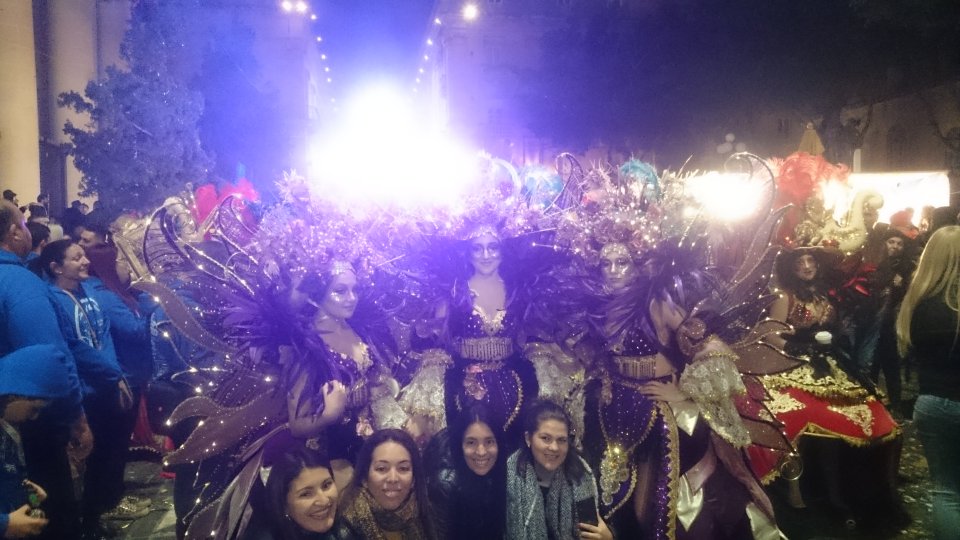
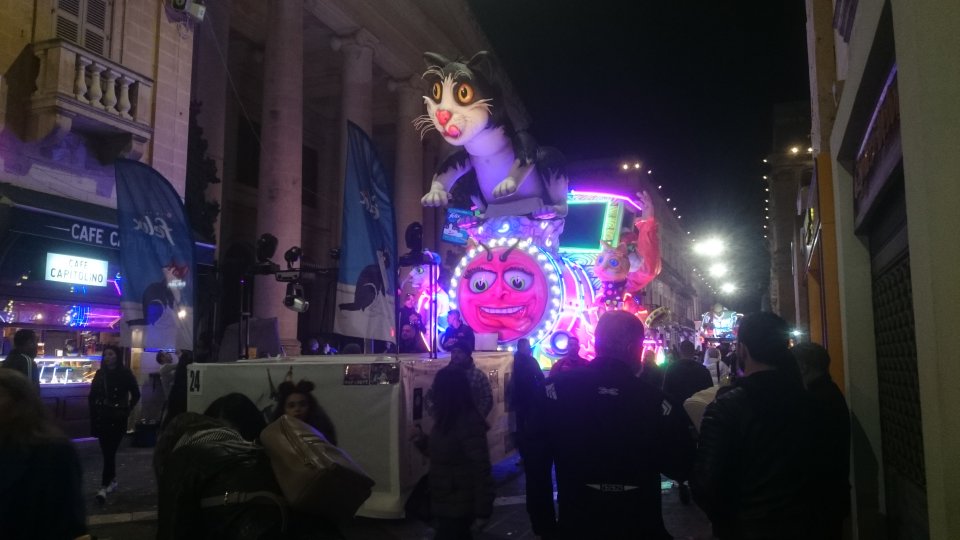
Misc. (post conference) impressions from the Carnival in Valletta can be found in section (5).

Please notice: These notes don't do justice to the often brilliant presentations that initiated them!
So, please read the original presentations to avoid any distortions ...

1.2. About Malta & The Conference Venue.


Euros


Euros

Icaart 2020 was held in Malta. Officially known as the Republic of Malta.

Malta is an island in the Mediterranean Sea, south of Sicily. The island has a long history, and has been ruled by Phoenicians, Greeks, Carthaginians, Romans, Byzantines, Arabs and the Order of the Knights of St John. It lies 80 km south of Italy, 284 km east of Tunisia, and 333 km north of Libya. The currency on Malta is the Euro, which was adopted on January 1st 2008.

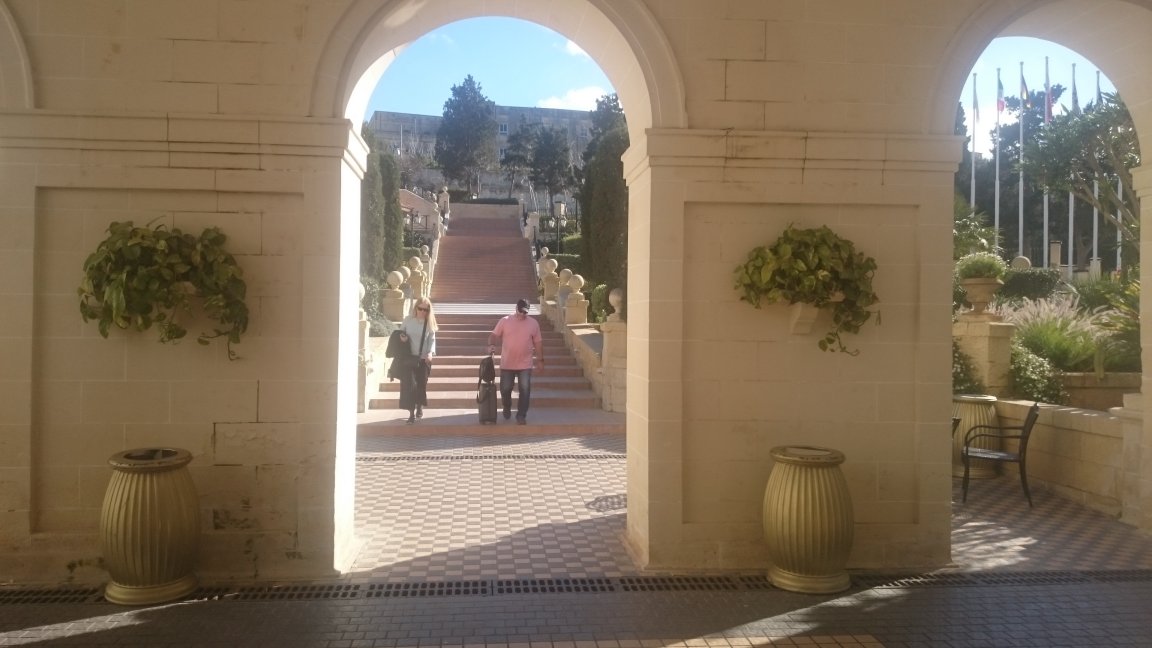
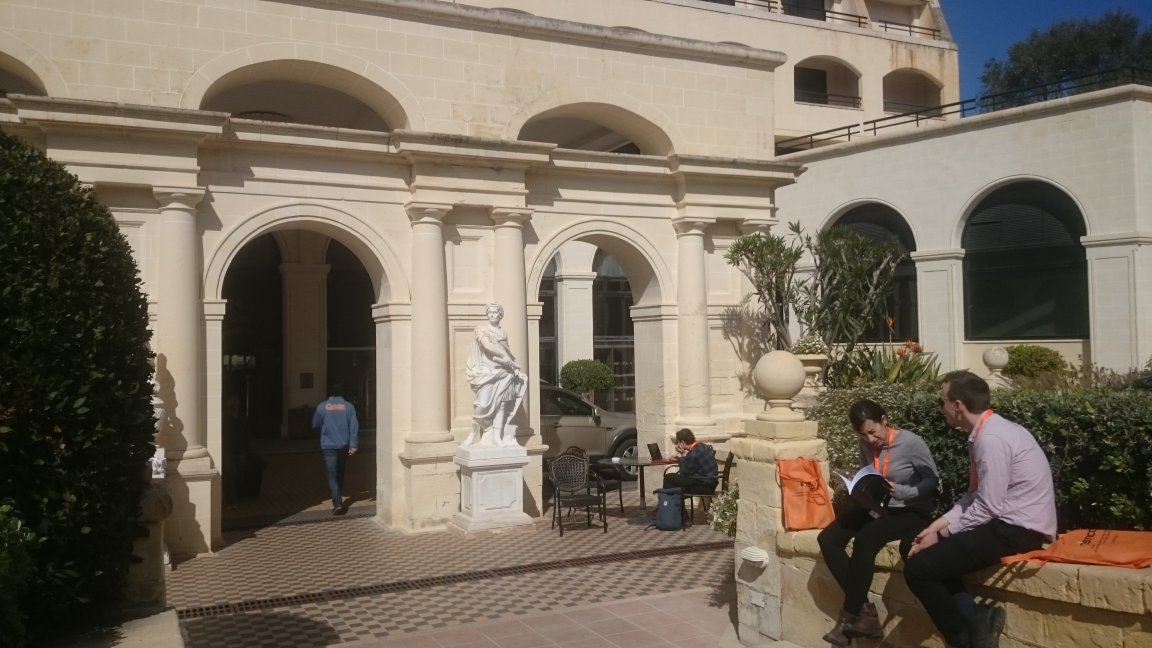
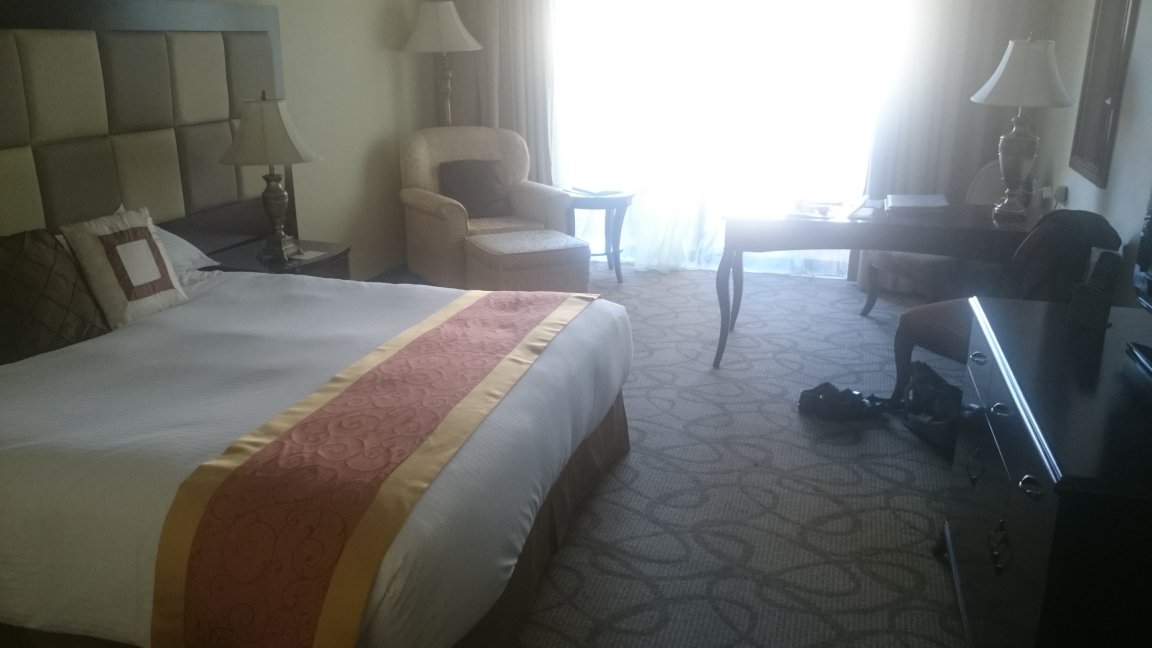
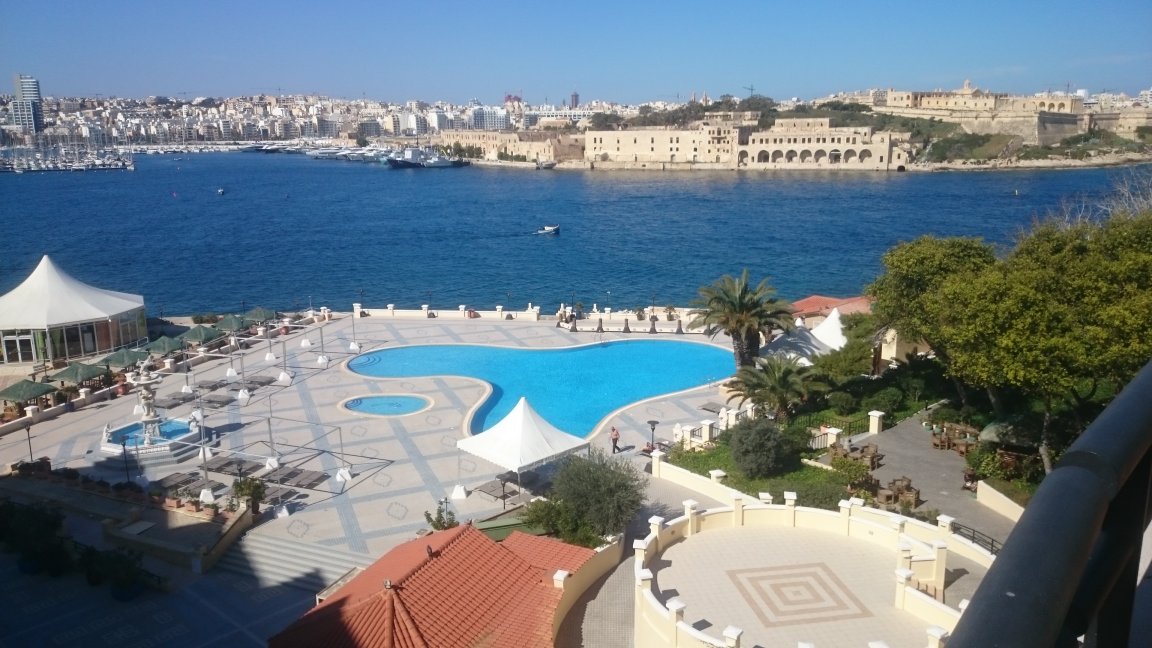
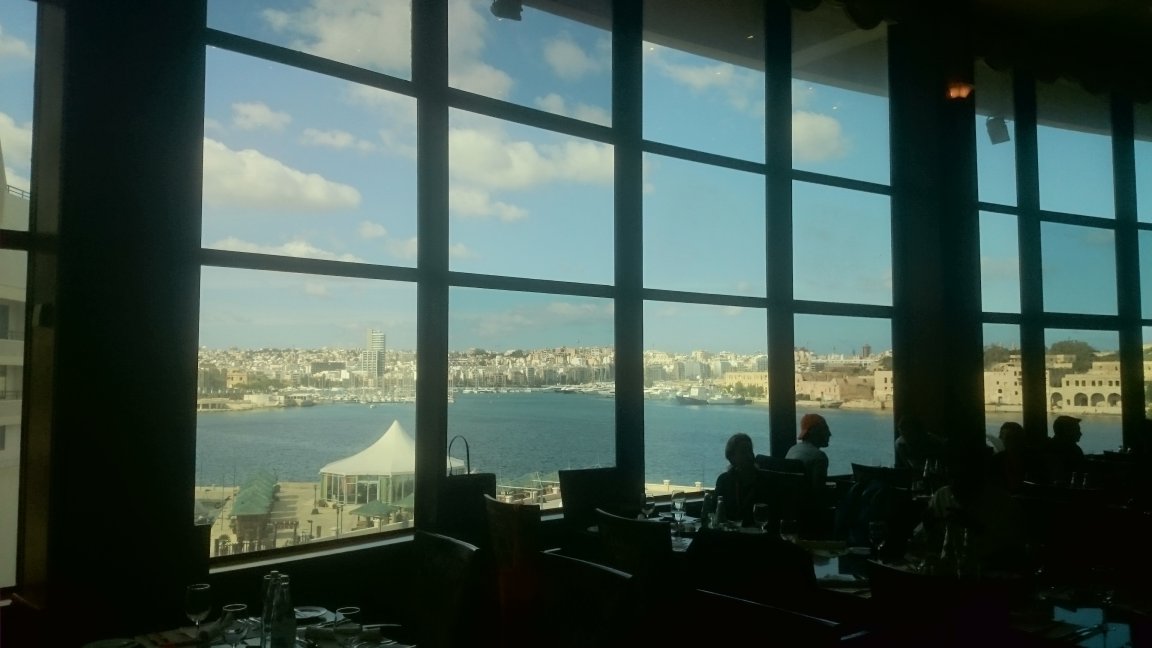
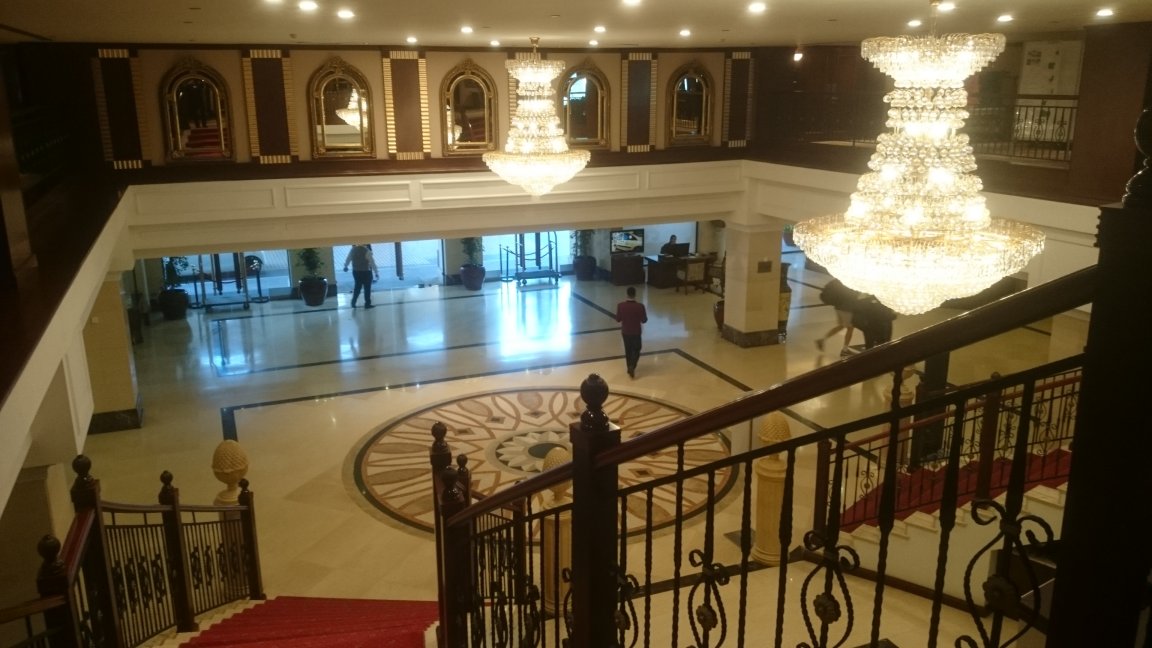
So... After a 3 hours flight from Denmark to Malta (the previous night), I woke up in the Grand Excelsior Hotel, Valletta (Malta), to a beautiful morning (Saturday, February the 22nd, 2020) ...
on a beautiful Mediterranean island...

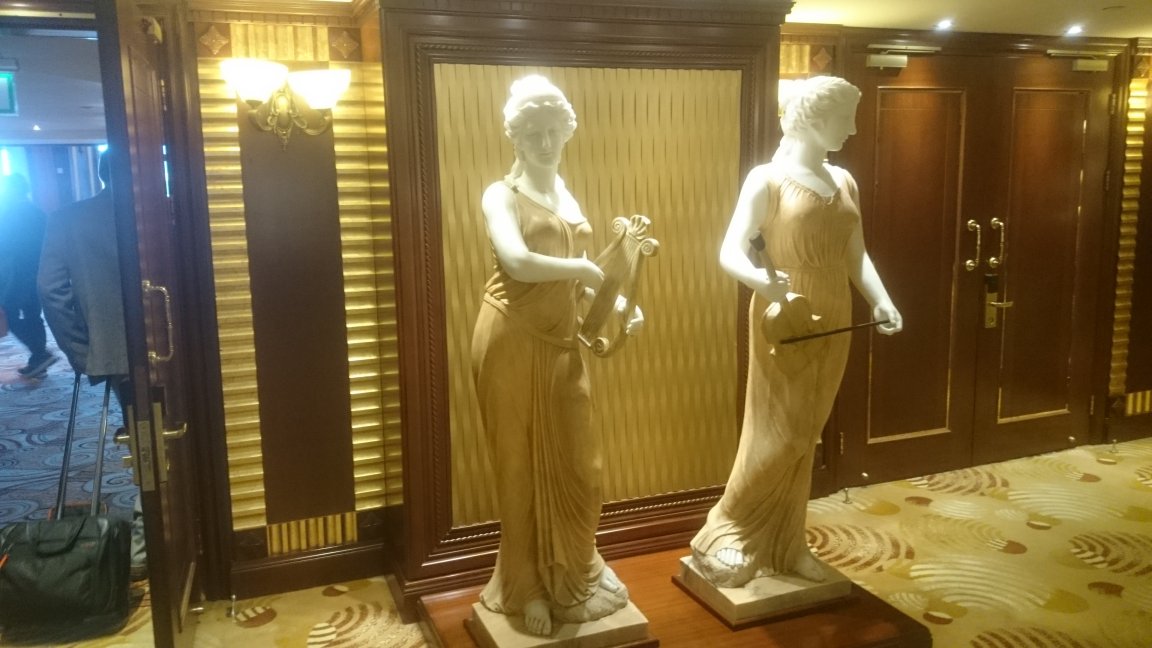
Grand Excelsior. Valletta, Malta.


Grand Excelsior. Valletta, Malta.


Grand Excelsior. Valletta, Malta.

2. Impressions from Saturday.
February 22nd.

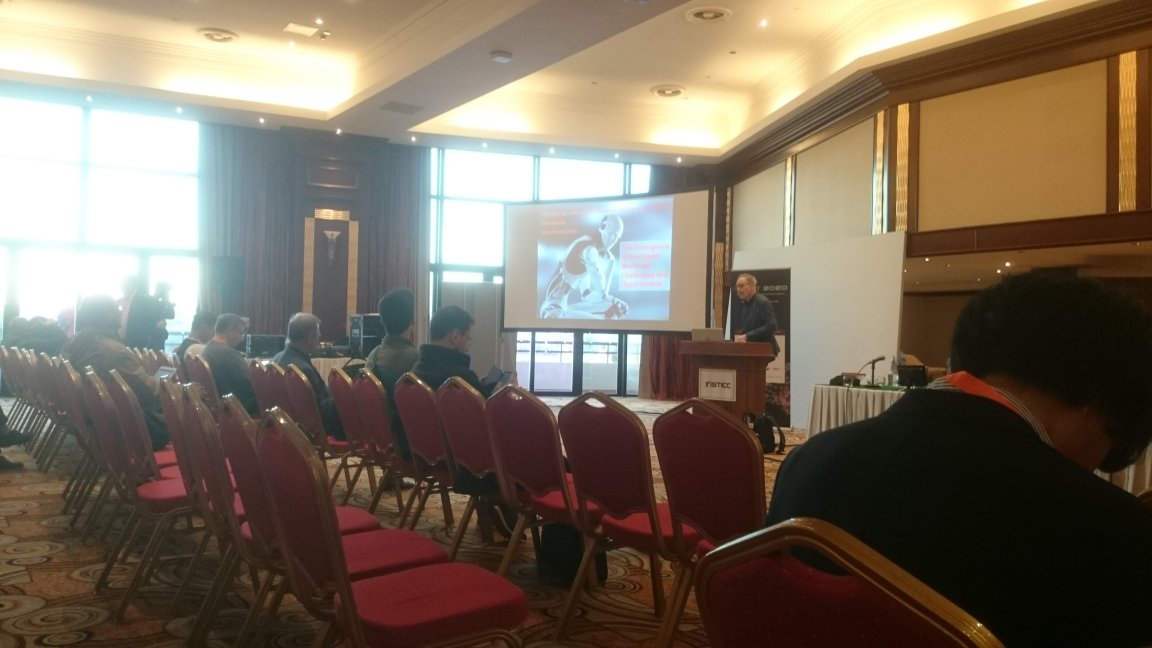
2.1. Human-centric AI. What is it? Why do we need it?

Grand Ballroom, panel discussion.
Panel: Luc Steels, Charles Sierra, Bart Selman, Rineke Verbrugge and Marie-Christine Rousset.

Icaart 2020. Valletta, Malta.


Icaart 2020. Valletta, Malta.

AI in Europe should, according to the European Commission, be ''Human centric AI''.
I.e. there should be: The idea being that (perhaps...): AI should serve humanity instead of replacing it...

A lively debate followed. Many good observations.
E.g.
- ''In parliaments, everyone are lawyers or journalists. There are very few technical people there, so these discussions tend to be removed from what AI can actually do.
People tend to over-estimate what AI can do. AI can classify items in a picture. But current AI isn't very good at finding meaning in a picture. What is actually going on in a picture
''.
- ''We wont have self driving cars in our streets as long as insurance companies will not insure such vehicles.
We are no-where near there yet
''.
- ''A lot of problems with AI, are actually caused by stupid people. Think of how people interact with Alexa...''.
[See: AI assisted murder].

Clearly... it was difficuly to find anyone who actually wanted to have killer-robots on our streets (right now...).
But the debate certainly did demonstrate that some of these questions are a lot trickier than they appear at a first glance.

Icaart 2020. Valletta, Malta.


Simon Laub - Teaching AI, Economics-IT, March 2019
Indeed, a lot to consider for future classes in Moral Reasoning and AI...

Berlin 2019 - Rise of AI conference

2.2. Artificial Intelligence.

Room Cassar.

2.2.1. Adapting a Markov Chain based algorithm ''M-DBScan''
to detect an opponents strategy changes (in a dynamic Starcraft environment).

By Eldane Veira Júnior et al.

The authors write:
Digital games represent an appropriate test scenario to investigate an agents ability to detect changes in the bahavior of other agents (trying to prevent them from fulfilling their objectives)...
... The Markov chain based algorithm M-DBScan is a successful tool conceived to detect novelties in datastream scenarios.
... The main contribution of the present work is to investigate how to improve the use of M-DBScan, as a tool for detecting behavoir changes in the context of Starcraft games (by using a distinct set of featues, and Markov chains, to represent relevant game stages).
Interesting stuff, where a later chat with one of the authors revealed that they had also considered using the same kinds of techniques to detect ''novelty'' in real life problems like financial markets and ECG signals.

2.2.2. Convolutional neural networks for abnormal event detection in videos.

By Slim Hamdi et al.

The authors write:
... We propose to use a new architecture denoted ''Two-Stream Fully Convolutional Networks''.. ... in order to detect abnormal spatio-temporal events that could present a security risk...
I.e. with more and more security cameras, we need automation to detect abnormal events.
Apparently, humans (watching these video feeds) miss a lot of the interesting activity. Things like: ''Aggression'', ''people who are lying down on sidewalks'', ''non-pedestrians in pedestrian areas'' etc.
In this interesting talk, the authors then clarified how they propose that detection of these ''events'' can be automated (using convolutional neural nets).

2.3. Reasoning on Data: Challenges and Applications.

Grand Ballroom.

The Saturday keynote was given by Marie-Christine Rousset (University of Grenoble-Alpes, Grenoble, France).
And dealt with issues such as ''Knowledge Representation'', ''Information Integration'', ''Pattern Mining'' and the ''Semantic Web''. Clearly, all relevant topics in this day and age...
Indeed, after Roussets talk, it was abundantly clear that much, much more is to come (in the coming years) within these areas...

Icaart 2020. Valletta, Malta.

3. Impressions from Sunday. February 23rd.

3.1. Neural Networks.

Room Cassar.

3.1.1. Evaluation of Reinforcement Learning methods for a Self-learning System.

By Alexander Wendt et al. Institute of Computer Technology, Vienna, Austria.

The authors write:
Self-learning methods have flourished significantly in recent years.

One challenge is to learn to survive in a real or simulated world by solving tasks with little prior knowledge about oneself (the agent) the task, and the environment.
In this paper, the state of the art methods of reinforcement learning (in particular, Q-learning), are analyzed regarding applicability to such problems.
The Q-learning algorithm is completed with replay memories and exploration functions...
Using reinforcement learning:
In a project, a self-learning agent shall be developed that learns from scratch what its sensors and actuators are doing and how to use them to reach a certain goal.
...
The agent has to predict which action to perform next (in order) to receive a high amount of reward.
...
(Others have found that) Deep Q-learning (DQN) performed well on several Atari 2600 games. DQN outperformed a linear learning function in 43 out of 49 games, and human game testers in 29 out of 49 games (Mnih, 2013 [1]).
Therefore, algorithms from the area of reinforcement learning algorithms will be considered here...
The authors had then moved on to doing tests on Andrychowicz's bitflip environment (See: ''Stanford Reinforcement Exercise'' and misc. Reinforcement Problems programmed in Pytorch). Where the goal in the ''bit-flip'' problem is ''to flip the bits in a bit vector of length n in the same way, so that it matches a target bit vector within n tries''.
They had also worked on the ''Continuous Pendulum Environment'', where the idea is that the algorithms should balance a pendulum...

(In concluson) they write:
The main objective of this paper was to analyze which combinations of reinforcement learning algorithms, exploration methods and replay memories are most suitable for discrete and continuous state spaces, as well as action spaces. Tests were performed in a simulated discrete ''bit-flip'' and ''continuous pendulum environment''.
Where they end up giving us their suggestions for the best way to use these algorithm.

Indeed:
Enabling robots to learn complex tasks through experience allows us to take a big step into the future ... Writing complex algorithms to control these robots is eliminated because they learn to control themselves. In addition, through repetition, they are able to optimize their behavior. Changes in the environment do not affect them, because they can adapt to them automatically.
Certainly, a great talk and very straight-forward inspiring work.

3.1.2. Deep Learning of heuristics for domain-independent planning.

By Otakar Trunda and Roman Barták. Charles University, Faculty of Mathematics and Physics, Czech Republic.

The authors write:
Automated planning deals with the problem of finding a sequence of actions leading from a given state to a desired state. The state-of-the-art automated planning techniques exploit informed forward search guided by heuristics (where the heuristic under-estimates a distance from a state to a goal state).
...
Heuristic learning is a relatively new field, which studies how machine learning (ML) can be used to construct a heuristic used in informed forward-search algorithms, such as A* and IDA*.

...The objective is to train a regression-based ML model to be able to estimate goal-distances of states, and then to use this trained model as a heuristic function during search.
Conclusion:
This is a technique to automatically construct a strong heuristic for a given planning domain
(Where a trained network can be used as a heuristic on any problem from the domain of interest...).
Ind the end, their experiments ended up showing that these techniques are just as good as most popular domain-independent heuristics. Which sounded useful indeed.

Icaart 2020. Valletta, Malta.

3.1.3. Perceiving the Focal Point of a painting with AI: Case Studies on works of Luc Tuymans.

By Luc Steels. Institut de Biologia Evolutiva, Universitat Pompeu Fabra, Barcelona, Spain

First, Luc Steels described various aspects of paintings, that could be studied by AI techniques (Things like: Classifications, Capture of certain characteristics of artistic style - Perhaps, in order to generate new art works in the same style etc. ...).

Moving on, he then talked about:
How a viewer is guided to the focal point of a painting is not only a matter of visual perception, but also of interpretation and meaning making (Painters deliberately create focal points based on sophisticated knowledge of human perception and interpretation).
Agony in the Garden (El Greco)


Steels used the painting ''Agony in the Garden'' (1590) by El Greco to illustrate points about how to model the process of perceiving, and interpreting the meaning of artworks.

In an art gallery people can sit for 10 minutes, and a lot more, in front of a picture like ''Agony in the Garden'', in order to fully comprehend the meaning of what is going on in the picture...
An angel appears to Christ in the left foreground, holding a chalice in his hand. In the right-hand background Judas and a group of soldiers approach to arrest Christ, marching through a dry landscape without vegetation [2].
Compare this to (most) other situations, where people only quickly glance at a picture, and doesn't really see anything...

So far, computers can look for (certain) objects. But finding meaning in a picture is a much harder job.

E.g. a computer might identify 3 people sitting aroung a table, with one empty chair.
But someone might have been sitting in the empty chair just recently (?), and might re-join the group soon (?).
Based on what can be seen in the image, a human might easily see what the story could be here. But it might be next to impossible for computer systems to come to a similar conclusion...

Indeed, there are many levels of meanings in pictures:
1) Millions of images (withs labels) have been used to train neural networks until these networks have learned to classify certain objects and events.

2) Human observers can also interpret ''objects and events in terms of psychological nuances, such as emotional states of the persons depicted, or the nature of the actions they carry out (aggressive, friendly)''.
A little trickier, indeed...
There has been some work on sentiment analysis of visual images, but this has not at all reached the depth with which humans are able to grasp the emotional content in a scene.
3) Even more difficult:
An even higher level of interpretation requires ''understanding''. Who or what is actually depicted, in order to understand the motivations and intentions of those being represented, or the situations in which they find themselves.
Indeed ...
Understanding this level requires knowledge about many levels of meaning, because it rests on knowing conventions in society and knowing about historical events, well known figures, and cultural artefacts, like books or films.
AI's that should be able to deal with such problems will have to be equipped with knowledge representations, reasoning, and semantic memory (knowledge graphs with vast amounts of facts).
And, well, current AIs are nowhere near this level of scene understanding.

And there are even levels beyond this level of scene understanding.
4) Steels thinks we can talk about an ''intrinsic meaning'' of an artwork.
Here, the viever must try to understand the ultimate motives of the artist.
Which could be political, psychological, historical, or mere story telling.

All, way beyond the current state of the art in AI.
Nevertheless, a brilliant presentation though.
3.2. Responsible Agency.

Grand Ballroom.

The first keynote (this Sunday) was given by Carles Sierra. Research Professor of the Artificial Intelligence Research Institute, Barcelona.

Icaart 2020. Valletta, Malta.

Sierra writes in an abstract for the talk:
The main challenge that artificial intelligence research is facing nowadays is how to guarantee the development of responsible technology... And, in particular, how to guarantee that autonomy is responsible. The social fears on the actions taken by AI can only be appeased by providing ethical certification and transparency of systems.

AI will be ''social'', and there will be thousands of AI systems interacting among themselves, and with a multitude of humans; (So, ethical AI systems should be capable of deciding what are the social norms, and abide by them...).
Indeed, ''Responsible AI'' is quite a catch-phrase these days.
According to European Commission:
AI needs the trust of citizens to develop. To earn this trust, AI will have to respect ethical standards reflecting our values. Decision-making must be understandable and human-centric [3].
Which follows an earlier EU ''communication'', where the focus was to Build Trust in Human-Centric Artificial Intelligence, In the ''communication'', it was also stated, that ''European values'' should be at the heart of creating the right environment of trust (for the successful development and use of AI).
The following points were highlighted as key requirements for trustworthy AI [3]:
  • Human agency and oversight.
  • Technical robustness and safety.
  • Privacy and Data Governance.
  • Transparency.
  • Diversity, non-discrimination and fairness.
  • Societal and environmental well-being.
  • Accountability.
(Still) Sierra noted that ''Responsible Behavior'' is a social convention. It is relative, and different for different cultures.

Next, Sierra talked about agents working together, and what kind of rules we need to have in place, before agents (machines, humans) can work together.

Sierra stressed that it is not generally true, that agents need a ''benevolent dictator'' [4] in order to work together. Quoting Elinor Ostrom, it is indeed possible for (small, local) communities to work together and share resources:
It was long unanimously held among economists that natural resources that were collectively used by their users would be over-exploited and destroyed in the long-term. Elinor Ostrom disproved this idea by conducting field studies on how people in small, local communities manage shared natural resources, such as pastures, fishing waters and forests. She showed that when natural resources are jointly used by their users, in time, rules are established for how these are to be cared for and used in a way that is both economically and ecologically sustainable [5].
The idea here is that we could come up with models, where agents not only work together, but also monitor each other.
And have a kind of a jury system to deal with law-breakers.
Still, it is important that we have rules, where agents that ''issue a winning bid, they can not pay for'', are punished. I.e. we should make sure that the ''social order'' in the community is preserved (There should be a strong sense of cooperation. And we should avoid ''The Tragedy of the Commons'').

Certainly, it is all about finding a way that agents can work together in a ''responsible'' way.
A great talk indeed.

Simon Laub. Icaart 2020. Valletta, Malta.

3.3. Natural Language Processing in Artificial Intelligence.

Room Aragon.

3.3.1. Aspect Phrase Extraction in Sentiment Analysis with Deep Learning.

By Joschka Kersting and Michaela Geierhos. Semantic Information Processing Group, Paderborn University, Paderborn, Germany.

The authors write:
Aspect-based sentiment analysis aims at finding expressed opinions towards attributes of products or services (Sentiment analysis, or opinion mining, has experienced a growing interest in recent years due to a growing amount of user-generated content and, until recently, a lack of methods to make sense of this content).
The authors paper deals with the domain of physician reviews.
Certain words are clearly good. Words like competence, connectedness and friendliness.
E.g.
Dr. Meyer knows what he is doing [competence] and is cordial [friendliness] and takes time [time taken] for the patient, his explanations are great [explanation].
Still, searching for a few words is not much of model.
They obviously need to build a model, that can look at complete texts, and then classify these complete texts (A complex thing in a morphologically rich language like German):
Our architecture builds mainly on a bidirectional Long Short-Term Memory (LSTM) (Hochreiter and Schmidhuber, 1997) system for extracting features from sequential text data in both directions, using words before and after the current one.
Apparently a good choice, as they outperformed a number of other approaches.
And certainly, an inspiring presentation of their work
(Which reminds me of my, sort of, similar Commodity AI project).

Icaart 2020. Valletta, Malta.


Icaart 2020. Valletta, Malta.

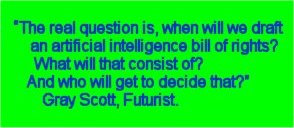
GrayScott, Futurist

3.4. Machine Learning.

Room Floriani.

3.4.1. Conversational Scaffolding: An Analogy-based approach to response prioritization in open-domain dialogs.

By Will Myers et al. Brigham Young University, Utah, USA.

In the setup described in this talk, incoming utterances are matched against similar utterance patterns within a text corpus. I.e. Sentences like:
- How old are you?
and
- What is your age?
are mapped to about the same thing in a word-embedding. I.e. the idea is to ''put the entire sentence into a vector-space''.
Then: If you then have a large collections of conversations, you can look up in your conversation database what kind of response people usually give (to a sentence).

The authors write:
Contextual alignment refers to the process of matching incoming utterances against similar utterance patterns within a scaffold corpus.
In order to simulate an open-domain dialog setting, they needed a lot of candidate utterances with a broad spread of conversation topics and dialog styles. To achieve this, they merged data from four different sources:
1. Chit-Chat [6].
2. Daily Dialog [7].
3. A 33 million word subset of Reddit [8].
4. Ubuntu Dialogue Corpus [9].
To explore the types of conversations produced by their system, they then allowed a human to type the opening line to give to their algorithm...

In the end they had something like this:
(Conversation generated using the scattershot scaffolding algorithm. Human-generated text is preceded by the > symbol.)

> How is your day going so far?
Hi, it's good!
> Good to hear. What are you working on?
I'm figuring out my budget .
> Oh that sounds fun. What are you going to do after you finish?
Well, I plan to get into the accounting program.
> Oh cool! Do you like accounting?
I've thought about going into cardiology, that seems interesting, but also I’m considering anesthesiology.
> Oh wow. Those are both very different from accounting. Are they hard?
Indeed, loads of fun. And a great presentation.
See more at Dragn Labs.

3.5. Poster Session.

Many super interesting posters. E.g.

Posters. Icaart 2020. Valletta, Malta.

3.6. A 20-Year Roadmap for AI Research.
Grand Ballroom.

Icaart 2020. Valletta, Malta.


Icaart 2020. Valletta, Malta.

The second keynote (this Sunday) was given by Bart Selman. Computer Science dept., Cornell University.

Computers are beginning to ''hear'' and ''see'', after ''only'' 50+ years of research, as Selman dryly noted.
So, what's next?

In this talk Selman would bring us some insights from a recently concluded community-driven study to set research directions for AI Research for the next 20 years [10].

Indeed, we already have superhuman face-recognition (E.g. Facebooks DeepFace),
Superhuman traffic sign recognition (E.g. Nvidia Drivelabs)
and vision-based autonomous vehicles (E.g. MobilEye).

Still, in order to have fully autonomous vehicles we need artificial general intelligence, which will not be here anytime soon. But as most driving errors are made because people don't pay attention, computers can still be very helpful. Afterall, they don't have a problem with paying attention, all the time ...

But what will computers be able to do in 2030, where $1k will buy you almost the same number of basic units of computation as the human brain [11].

Well, ''something''... China plans to be a ''AI/IT driven economy by 2030'' and the US military plans to triple its ''AI warfare budget'', in order to meet China's rise (See: ''Deloitte, How countries are pursuing an AI advantage'' [12], [13], [14], [15]).

In their ''20-Year Community Roadmap for Artificial Intelligence Research in the US'' [10], Selman et al. gives a list of (hoped for) benefits coming from AI research:
  • Reduced healthcare cost.
  • Universal personalized education.
  • Evidence-driven social opportunity.
  • Accelerated scientific discovery.
  • Unprecedented innovation for businesses.
  • (Better) National defense and security.
He also gave a list of AI research priorities in the coming years (As stated by the community):
E.g.
(In the area of) Integrated Intelligence:
  • Science of integrated intelligence.
  • Understanding human intelligence.
(In the area of) ''Self-aware'' Learning:
  • Robust and trustworthy learning.
  • Integrating symbolic and numeric representations.
Earlier, computers could only go so far, as humans had to type in everything they should work with.

And AI capabilities were often over-estimated, hyped.

But, as computers begin to see and hear (And with added features coming out of AI research in cognition, perception, learning and reasoning), computer systems in the coming 20 years will, of course, eventually be a lot smarter than present day computers...

A brilliant talk indeed!

4. Impressions from Monday, February 24th.

4.1. Knowledge-Based Systems.


Site Robot Index

Room Bellavanti.

4.1.1. Integrating golog++ and ROS for practical and portable high-level control.

By Victor Mataré et al.
Mobile Autonomous Systems and Cognitive Robotics Institute (MASCOR), Aachen University of Applied Sciences, Aachen, Germany.

The authors write:
The action language golog has been used in a large number of applications (as a high-level control language), from intelligent service robots to soccer robots...
For the lower level robot software, the Robot Operating System (ROS) has been around for more than a decade now, and it has developed into the standard middleware for robot applications. ROS provides a large number of packages for standard tasks in robotics like localisation, navigation, and object recognition
...
Here, we describe our approach to marry the golog action language with ROS.
It all sounded very convincing. Especially, as the Robot Operating System (ROS), in recent years, has emerged as the de-facto standard (For tools to help you build your robot applications).
...
In the talk, Mataré then helped us all ''to see the light'', as he showed us how (high-level, primitive) actions can be mapped to the ROS ActionLib framework (Using the Pepper robot as an example. See Pepper video, Prague 2019, for more about Pepper).

A very informative talk. Great stuff indeed!

4.2. Artificial Intelligence.


Room Cassar.

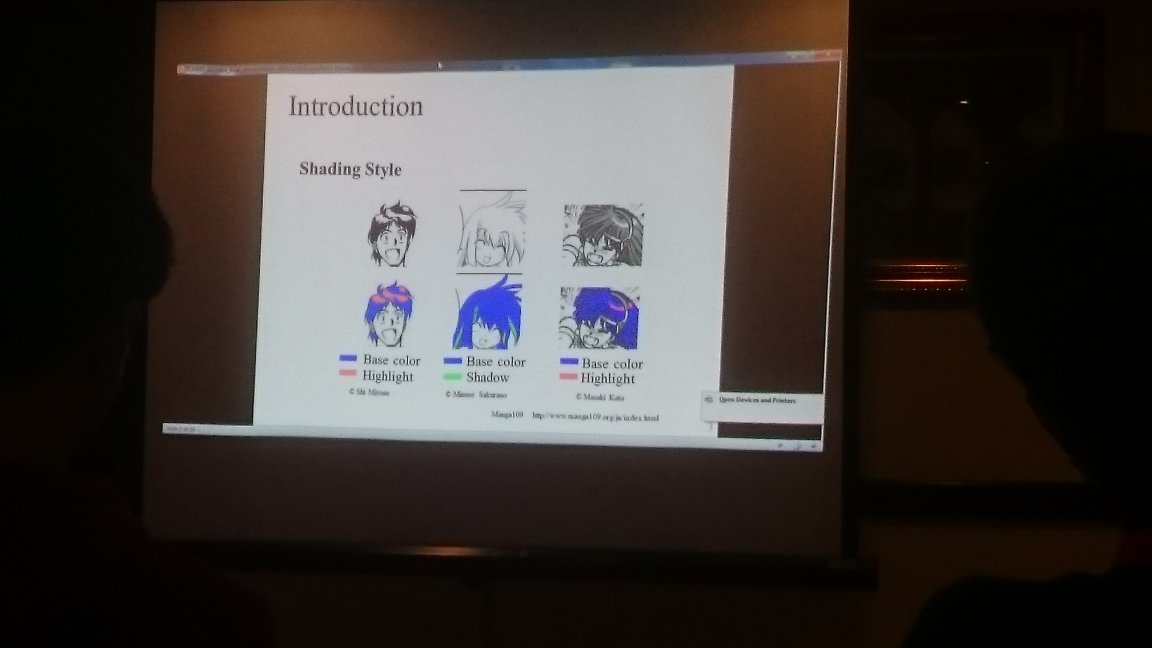
4.2.1. Hair Shading Style Transfer for Manga with cGAN.

By Masashi Aizawa et al. University of Electro-Communications, Tokyo, Japan.

Icaart 2020. Valletta, Malta.

The authors write:
In this study, we propose a method for transferring the shading style used on hair in one drawing to another drawing...
For training, we used the Pix2pix network (Isola 2016). Pix2pix is a cGAN-based image-generation neural network technology.
Explained here: How to Develop a Pix2pix GAN for Image-to-Image Translation:
The GAN architecture is comprised of a generator model for outputting new plausible synthetic images, and a discriminator model that classifies images as real (from the dataset) or fake (generated).
...
The Pix2pix model is a type of conditional GAN, or cGAN, where the generation of the output image is conditional on an input, in this case, a source image.
...
The Pix2pix GAN has been demonstrated on a range of image-to-image translation tasks such as converting maps to satellite photographs, black and white photographs to color, and sketches of products to product photographs.
And most importantly: It actually works here! Cool!


Tom Chatfield - Writer, broadcaster and tech philosopher

Icaart 2020. Valletta, Malta.

4.3. Machine Learning.

Room Floriani.

4.3.1. Progressive training in Recurrent Neural Networks for Chord progression modelling.

By Trung-Kien Vu, Teeradaj Racharak, Satoshi Tojo et al.
Advanced Institute of Science and Technology, Ishikawa, Japan

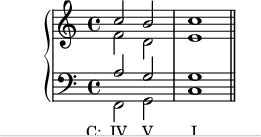
Chord progression:

A IV–V–I progression in the key of C major
Wiki: ''In tonal music, chord progressions have the function of establishing or contradicting a tonality, the key of a song or piece''.

And a chord, in music, is a set of multiple notes.
Play them right, and it then turns into music that gives you emotions and feelings (pleasure, sorrow, anger).

And music is, of course, closely connected to language.
As Darwin noted (in Descent of Man, 1871):
Birds learning to sing can be compared to infants babbling.
...
And, the origins of language as a system of signifiers, might have evolved from the imitation of the sounds of various predators, which functioned as warning signs [16].
Indeed, there is a lot of (hidden) meaning in music.

Which leads us to the question: Can a neural net learn to understand this meaning?
I.e.:
Recurrent neural networks (RNNs) can be trained to process sequences of signals. Often with quite impressive results within different areas.
Still, the predicted signals (in music) aren't always perfect matches. So, in this work, they propose a progressive learning strategy that can mitigate the mistakes by using domain knowledge.

For their experiments they used:
The Annotated Beethoven Corpus (ABC), which contains harmonic analyses of all sixteen Beethoven string quartets. Comprising Beethoven's middle and late creative phrases; and hence, both the high classical and early Romantic eras.
Using this domain background knowledge, they do see some performance improvements:
Our experiments on chord progression reveal that our proposed approach can yield predictive performance improvement without incurring longer training time.
Very interesting work, indeed.

      Icaart 2020. Valletta, Malta.


Icaart 2020. Valletta, Malta.


Icaart 2020. Valletta, Malta.

Icaart 2020. Valletta, Malta.


DeepLearn 2019
For more about Deep Learning, follow the DeepLearn 2019 link here...

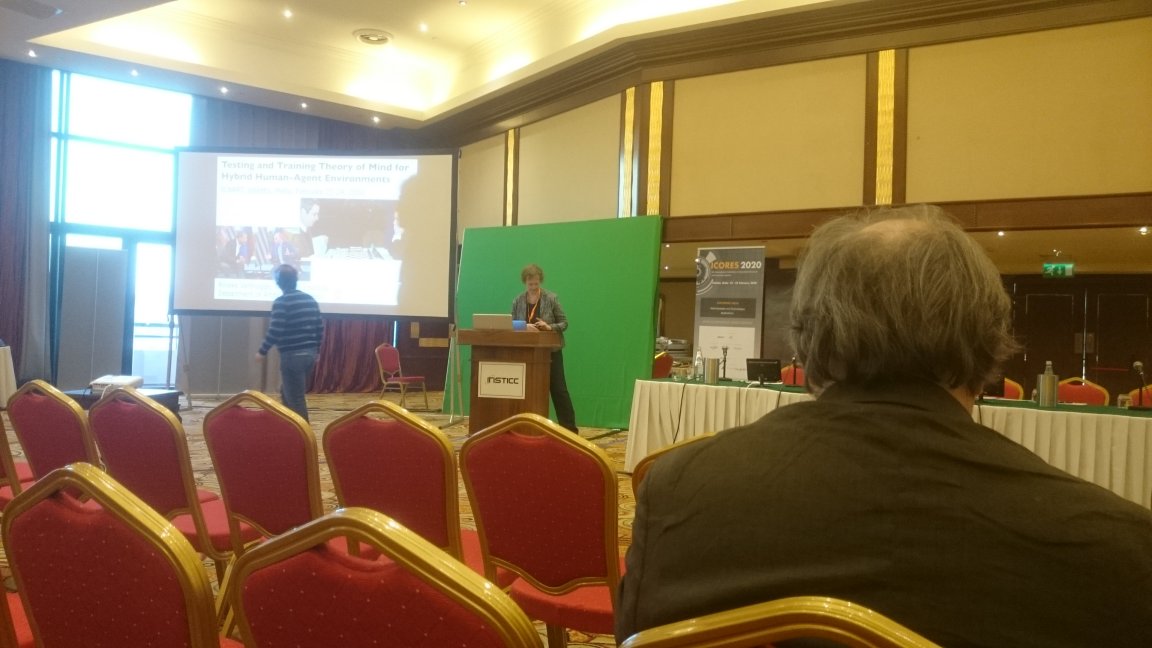
4.4. Testing and training Theory of Mind
in hybrid human-agent environments.

Grand Ballroom.

Icaart 2020. Valletta, Malta.


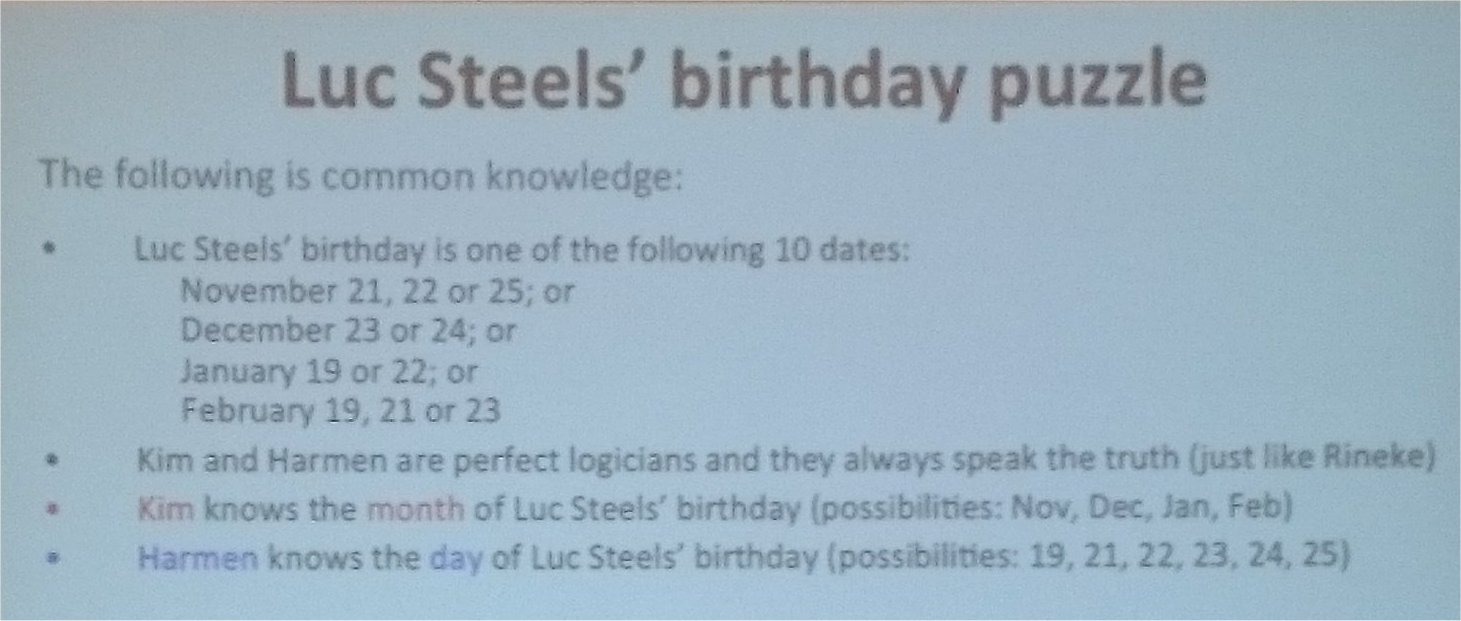
Luc Steels birthday puzzle. Icaart 2020. Valletta, Malta.

The keynote monday was given by Rineke Verbrugge.
Bernoulli Institute, University of Groningen, Holland.

In an introduction to the talk, Verbrugge writes:
When engaging in social interaction, people rely on their ability to reason about other people's mental states, including goals, intentions, and beliefs.
This theory of mind ability allows them to more easily understand, predict, and even manipulate the behavior of others.
In order to get us started with this reasoning about other peoples minds, we were introduced to the ''Luc Steels birthday - puzzle''. Here we would only be able guess the correct date, if we were able to correctly deduce what 2 other people (Kim and Harmen) knew about his birthday.

With (the real) Luc Steels sitting in the chair in front of me, I was tempted to ask him what his birthday is...
But, well, no cheating, so we/I all played along.

Next, Verbrugge showed us experiments, where participants engage in various ''higher-order theory of mind reasoning'' by letting them play games against computational agents.
''Zero-order theory'' agents do not reason about other agents goals. ''First-order theory'' agents do reason about what kind of goals other agents have. If you are a ''Second-order theory'' agent, then you reason about other agents goals, but also about what these other agents think about your goals.

Indeed, it quickly began to remind me of some of the Shakespearean mindgames, that I have described here
(And on my blog, [17]).

Verbrugge ended the talk by stating that:
In the coming era of hybrid intelligence, in which teams consist of humans, robots and software agents, it will be beneficial if the computational members of the team can diagnose the theory of mind levels of their human colleagues.
Of course!
Still, these future agents will certainly be quite clever, if they are capable of ''second-order theory''.

Indeed, what kind of AI will we eventually have? ''Commodity-like''-AI or ''AGI-like''-AI?
Interesting stuff indeed.

And, sadly, the end of a great conference!
But, with much, much more to come in the coming years ...


Commodity AI

Still, truly modelling & making sense of (and understanding) what is going on out there in our real human world.... Well, that probably takes something way more complex than a ''second-order theory of mind''...

For more, see the ASSC 23 link here...

ASSC 23. Consciousness - 2019

5. Conclusion.

The end of a wunderbar conference.

And a nice stay on the beautiful island of Malta!

5.2. Valletta, Malta.
Impressions. Saturday, February 22nd, 2020.


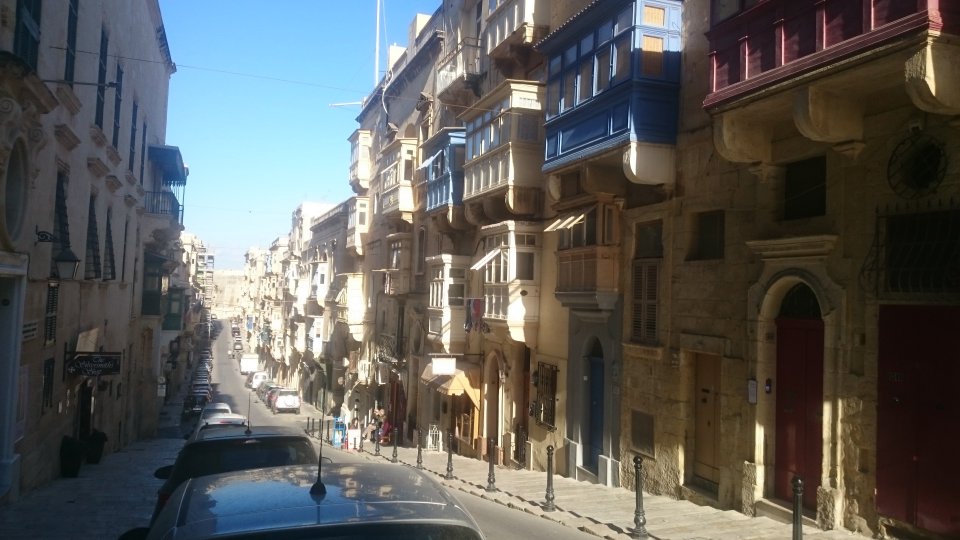
Valletta, Malta.


Valletta, Malta.
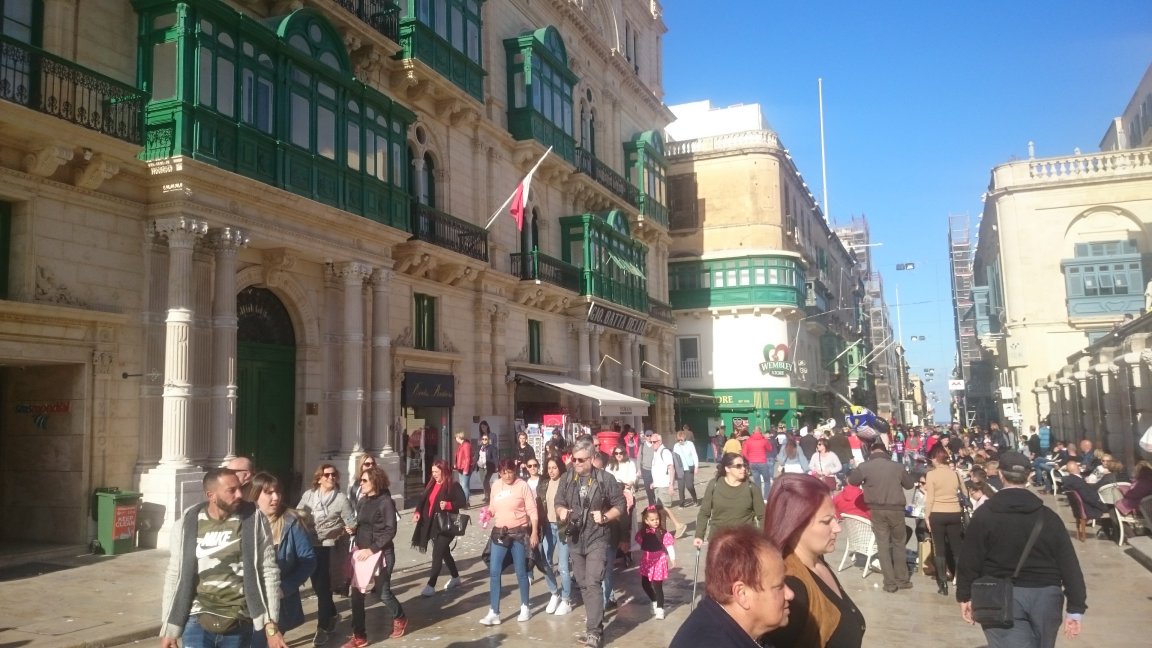
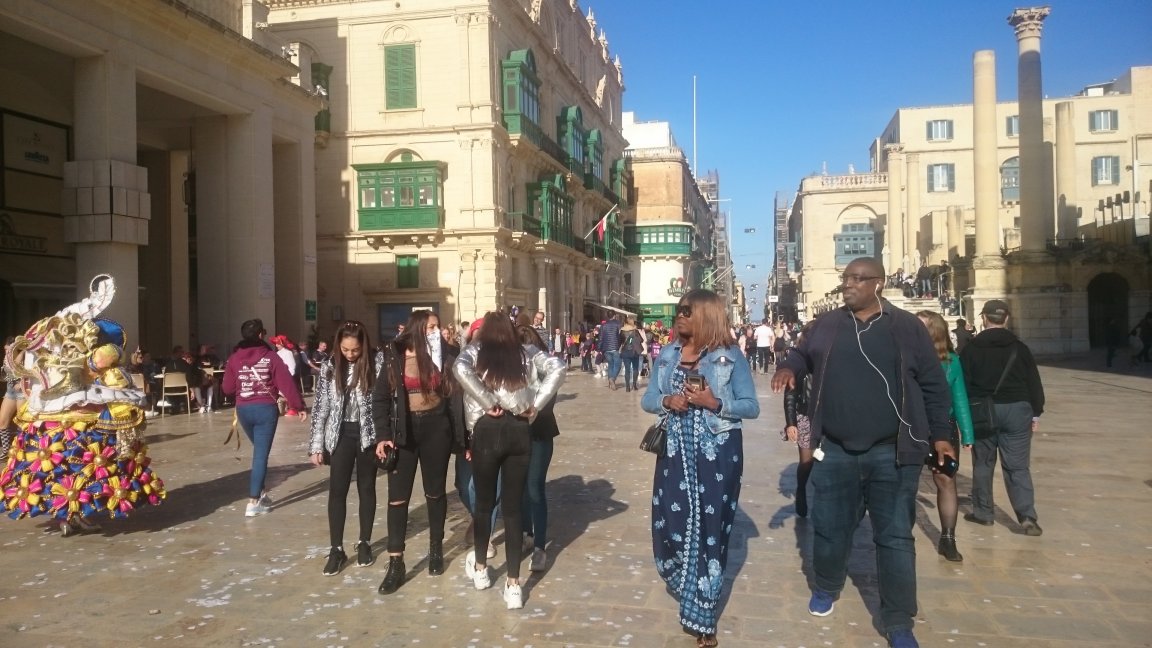
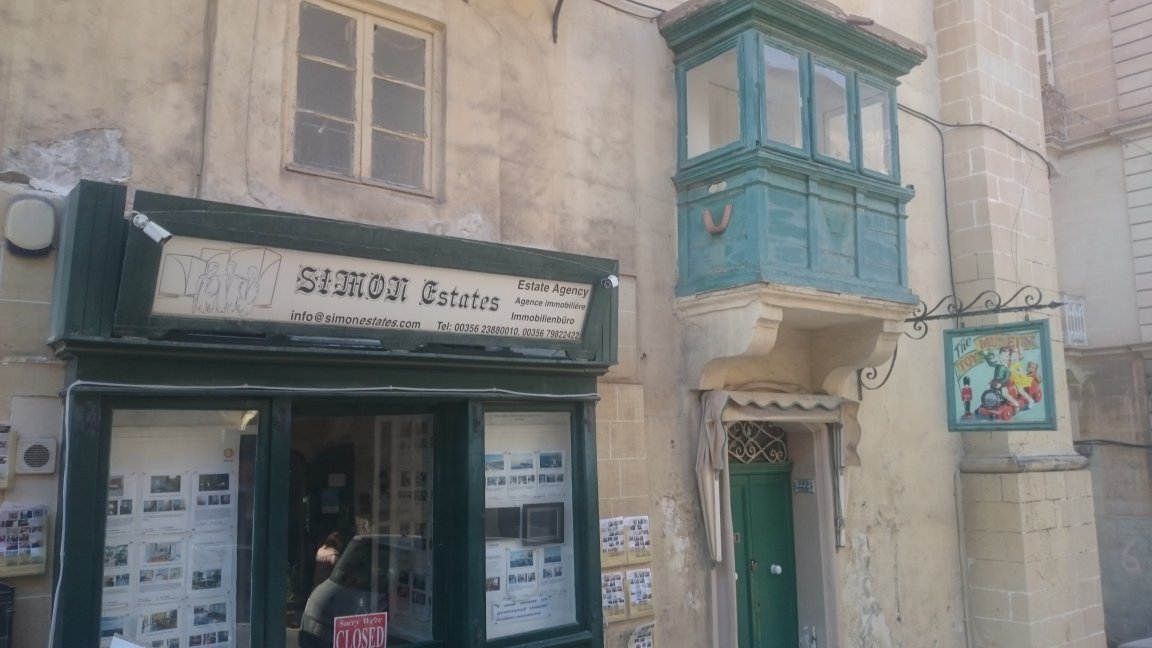
Walking around in Valletta, Malta.


Sightseeing Valletta, Malta.
Saturday, February 22nd, 2020.

Valletta, Malta.


Valletta, Malta.
Basilica of Our Lady of Mount Carmel. Valletta, Malta.


Basilica of Our Lady of Mount Carmel. Valletta, Malta.
Valletta, Malta.

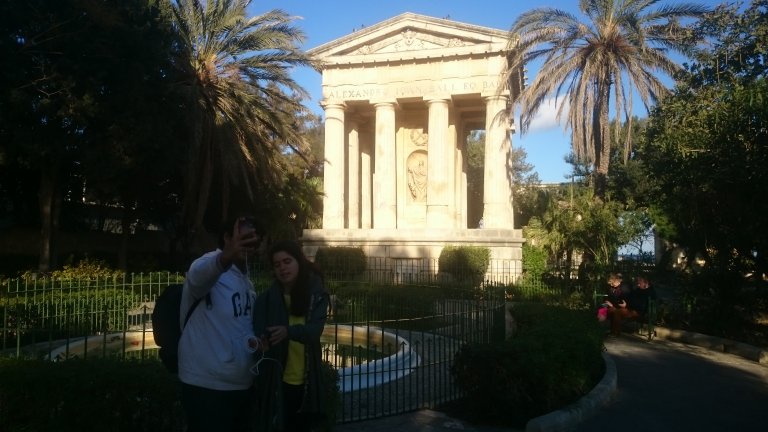
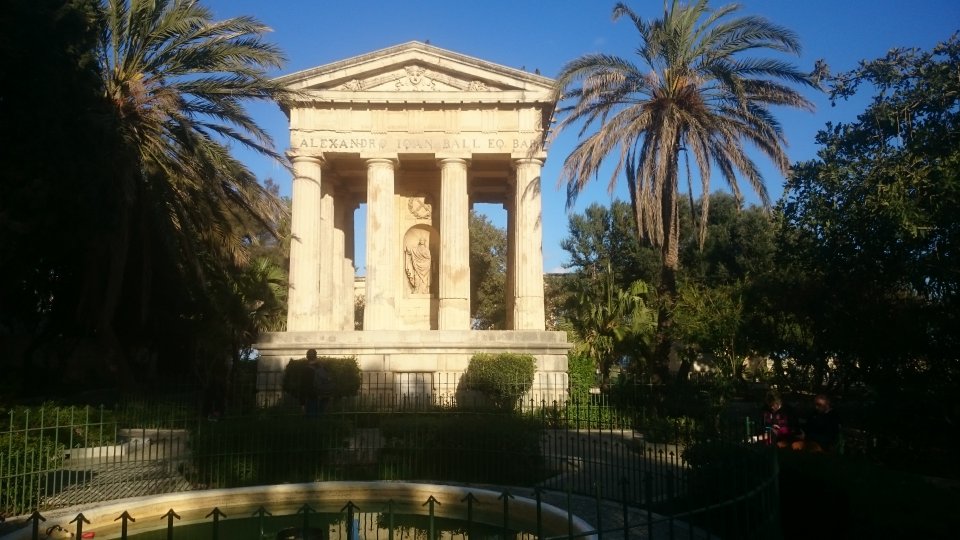
Lower Barrakka Gardens. Valletta, Malta.


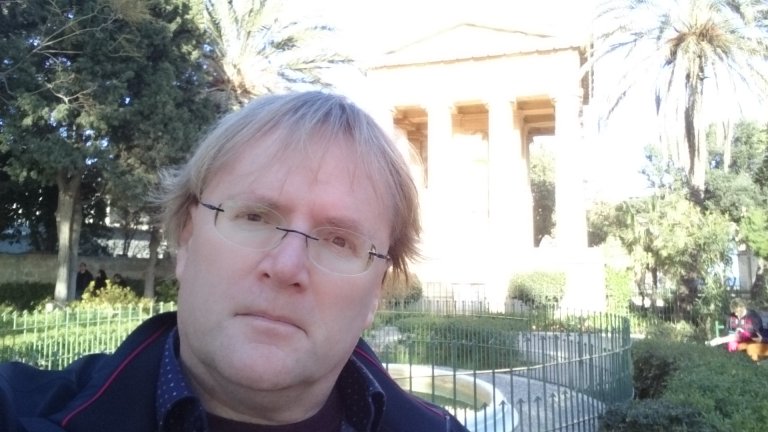
Simon Laub. Lower Barrakka Gardens. Valletta, Malta.

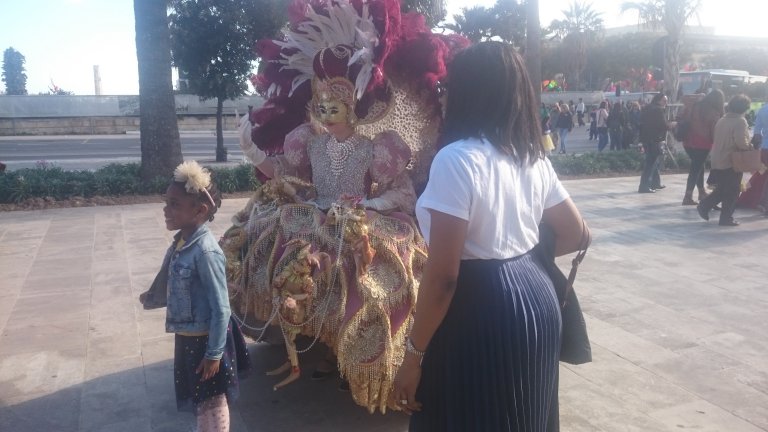
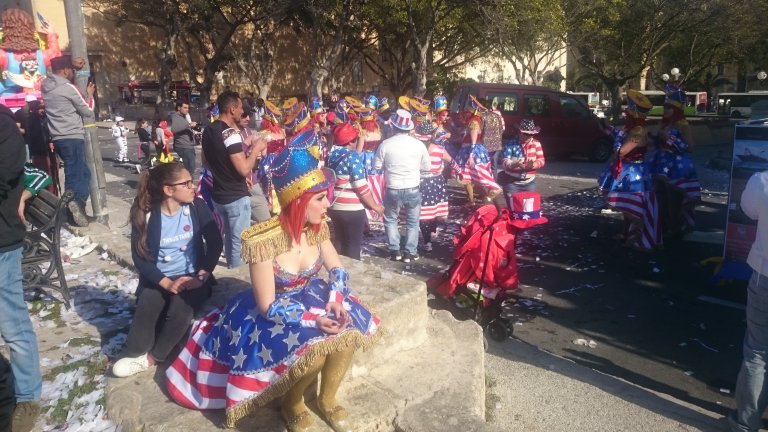
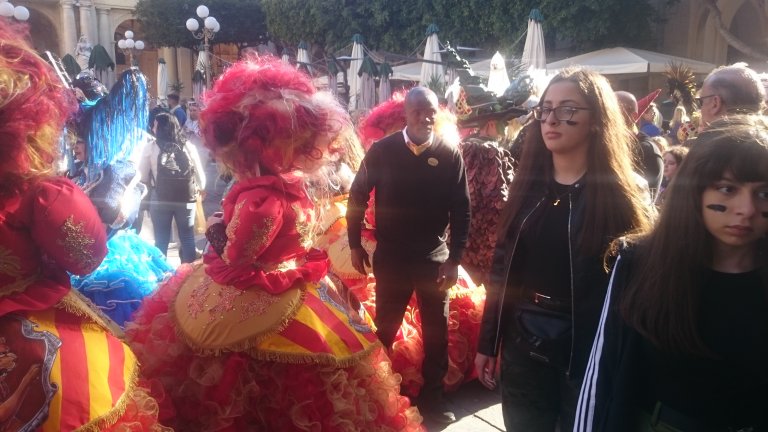
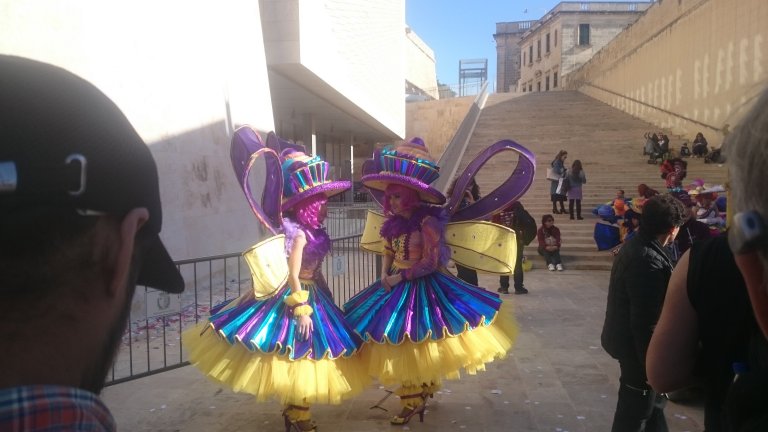
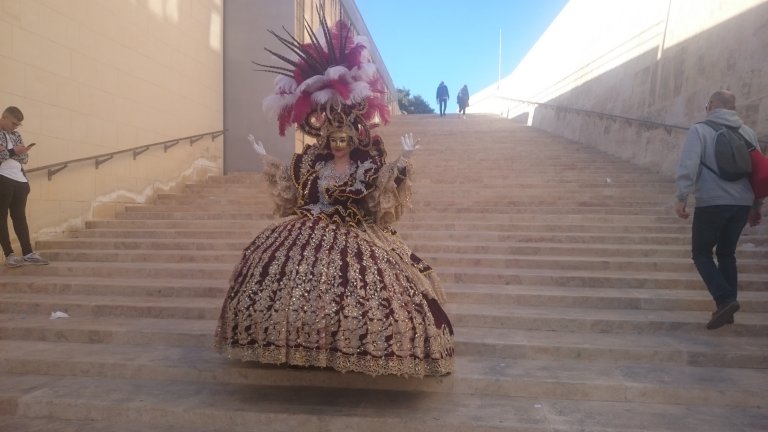
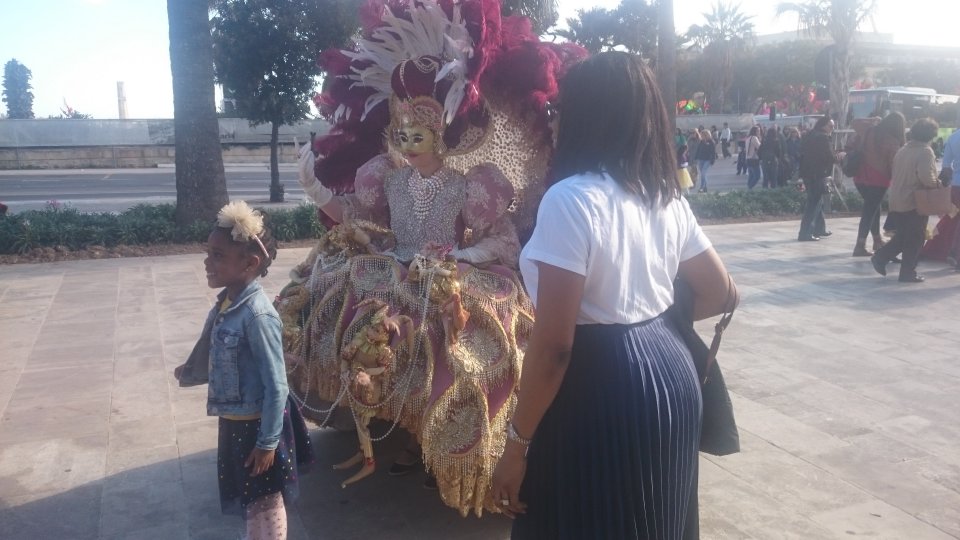
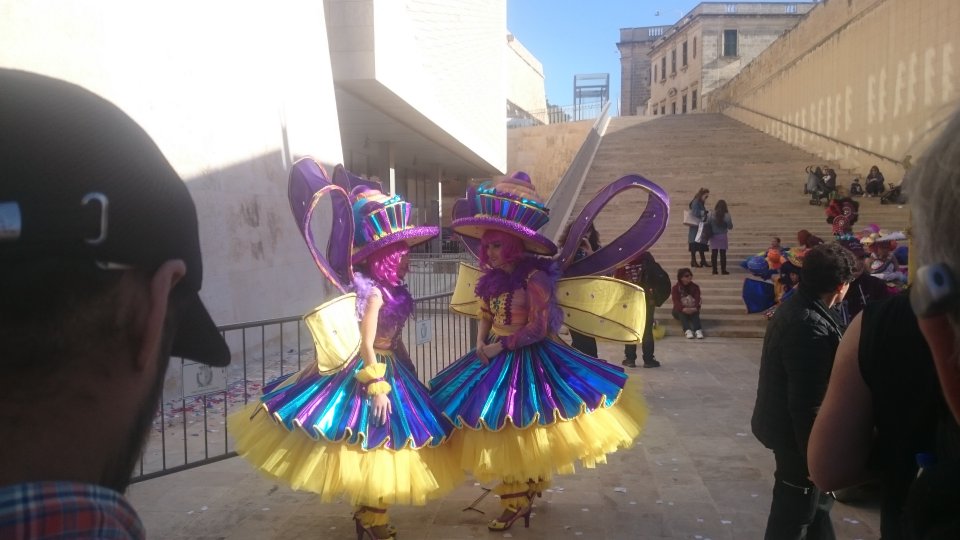
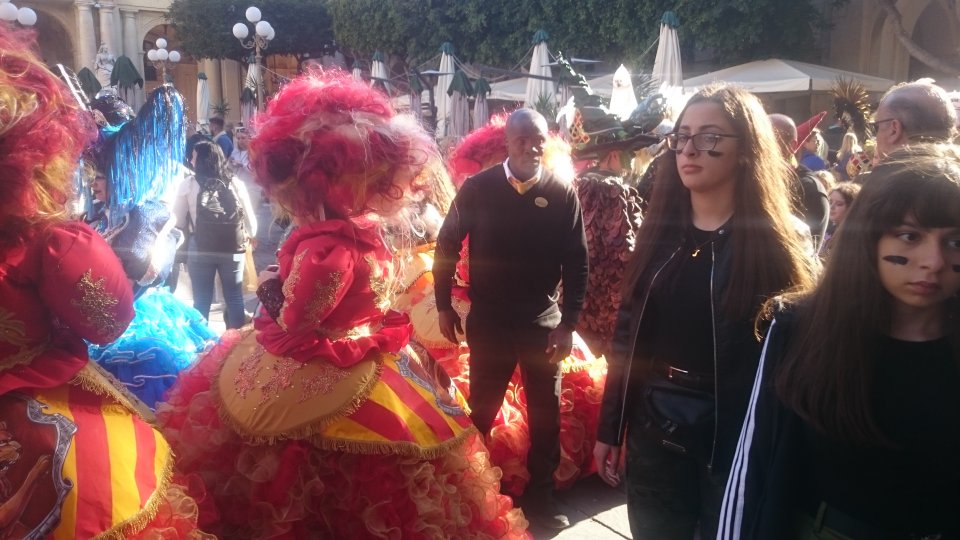
5.2. Carnival Impressions.
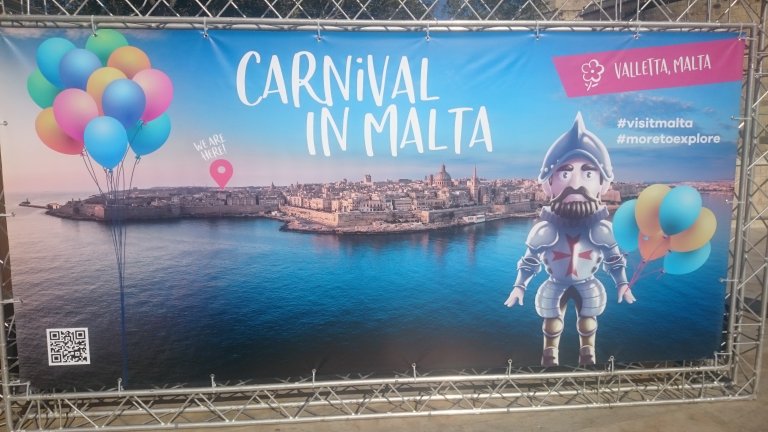
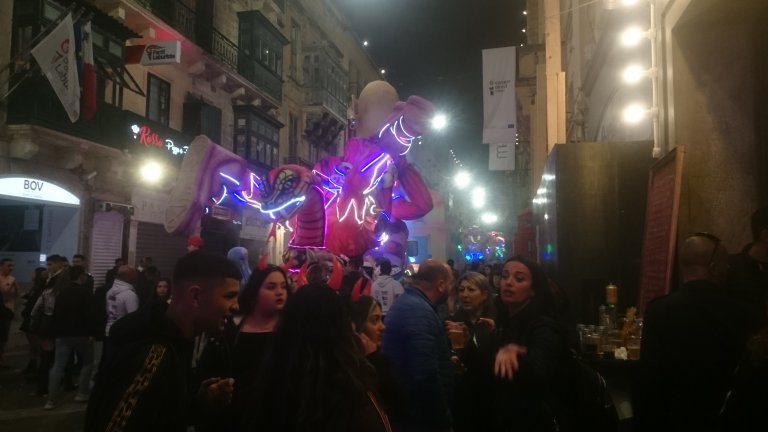
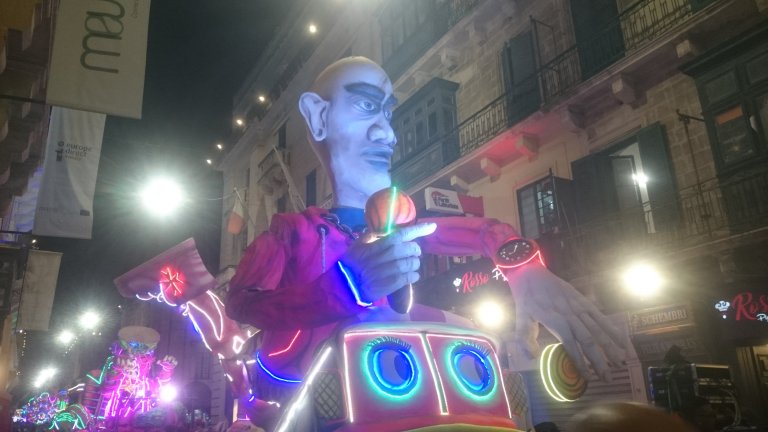
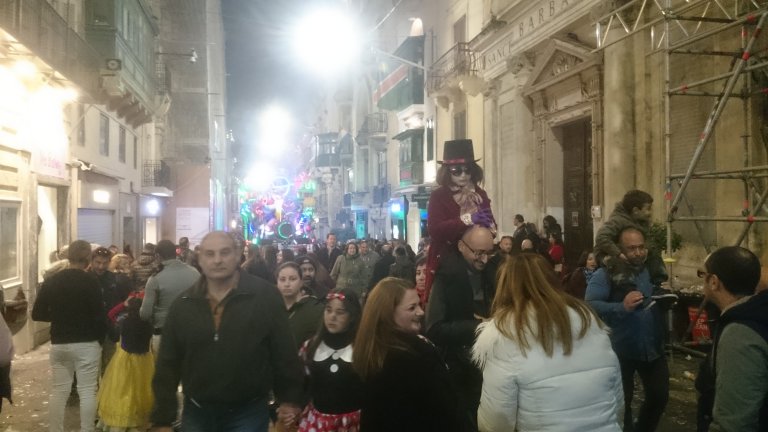
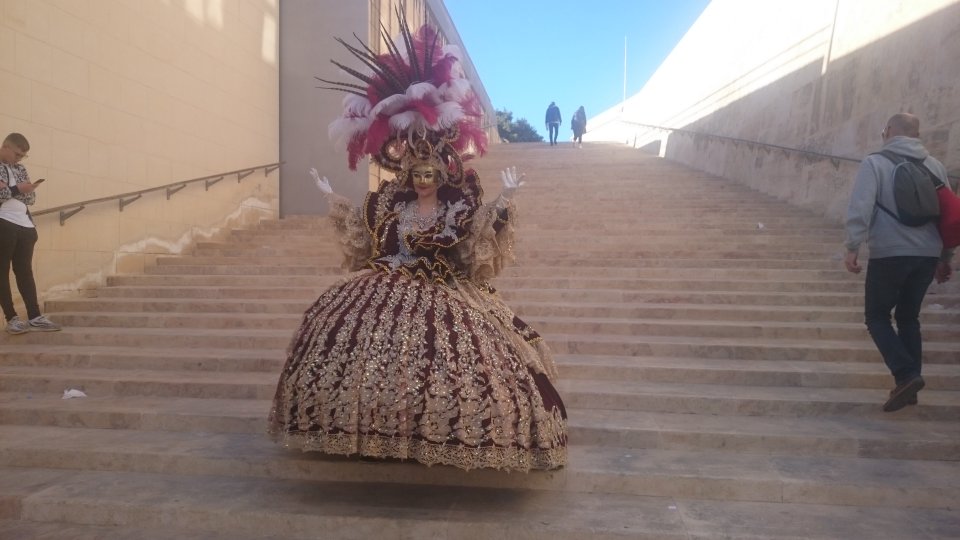
Valletta, Malta. Saturday, February 22nd, 2020.


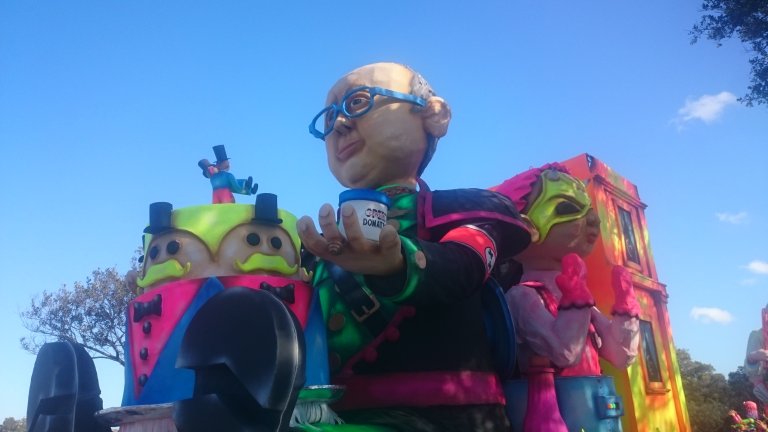
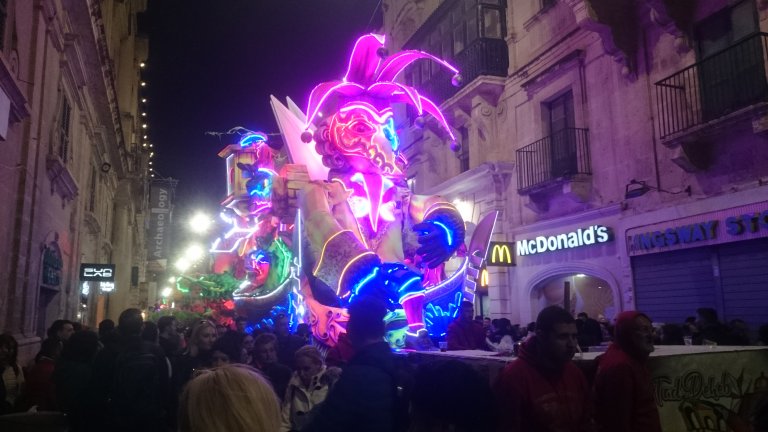
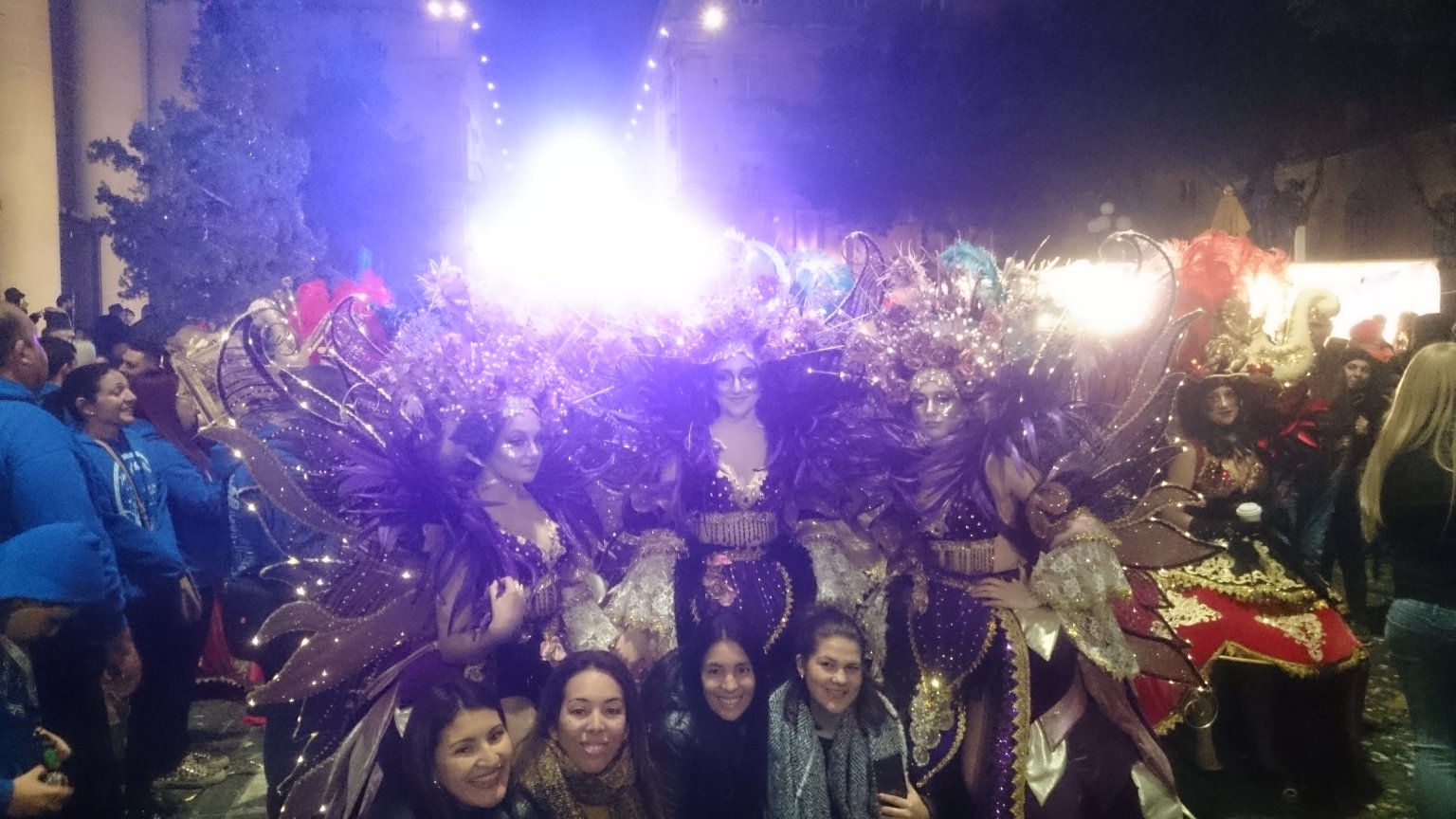
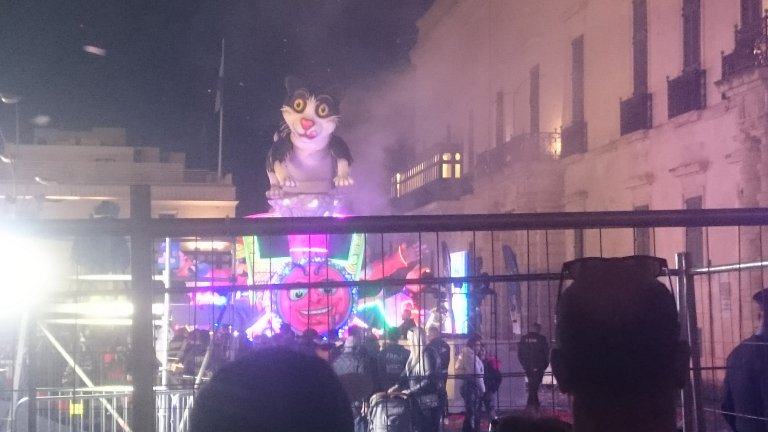
Maltese Carnival. Valletta, Malta.


Maltese Carnival. Valletta, Malta.


Maltese Carnival. Valletta, Malta.


Maltese Carnival. Valletta, Malta.


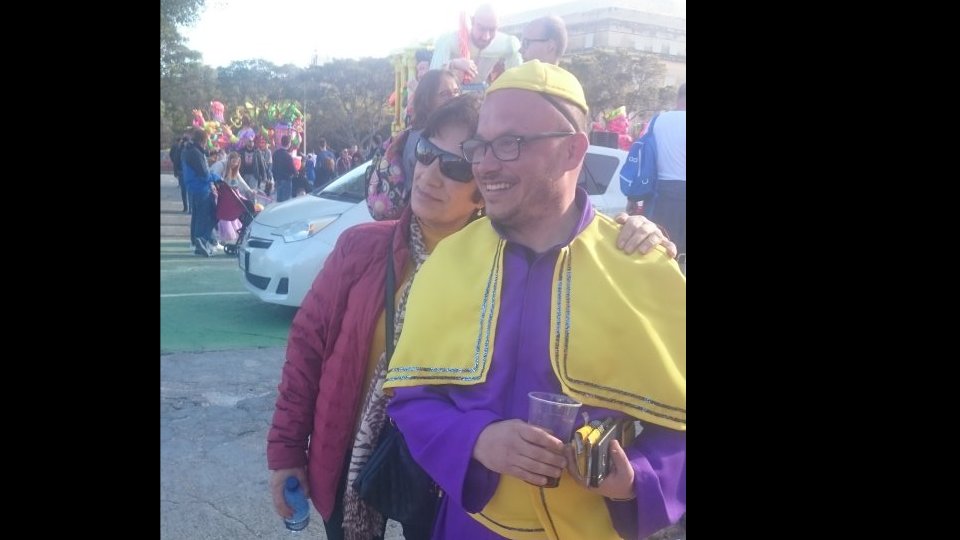
Simon Laub at Maltese Carnival. Valletta, Malta.
Maltese Carnival. Valletta, Malta.


Maltese Carnival. Valletta, Malta.


Maltese Carnival. Valletta, Malta.


Maltese Carnival. Valletta, Malta. Carnival. Valletta, Malta 2020.

Maltese Carnival. Valletta, Malta.


Maltese Carnival. Valletta, Malta.


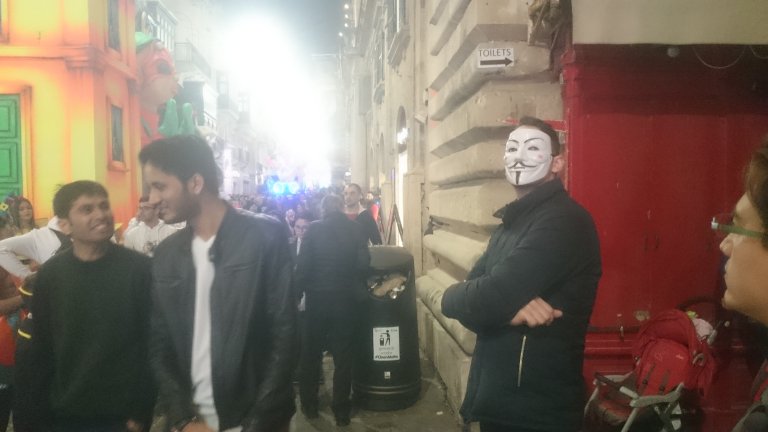
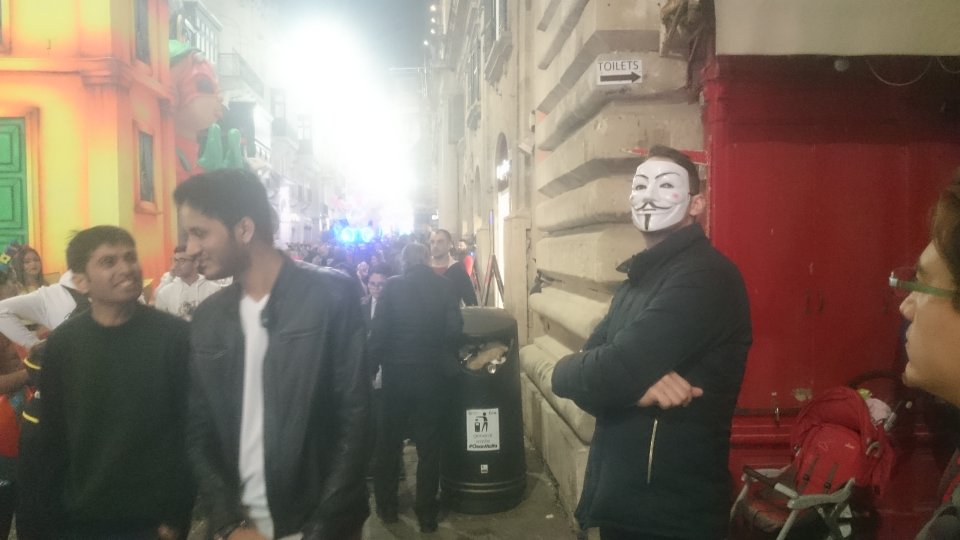
Guy Fawkes. Maltese Carnival. Valletta, Malta.

5.3. Carnevale.
Videos (Valletta).
February 2020.


Carnevale. Valletta, Malta.


      Carnevale. Valletta, Malta.

Carnevale. Valletta, Malta.


Carnevale. Valletta, Malta.

  Carnevale. Valletta, Malta.

5.4. Air Malta.

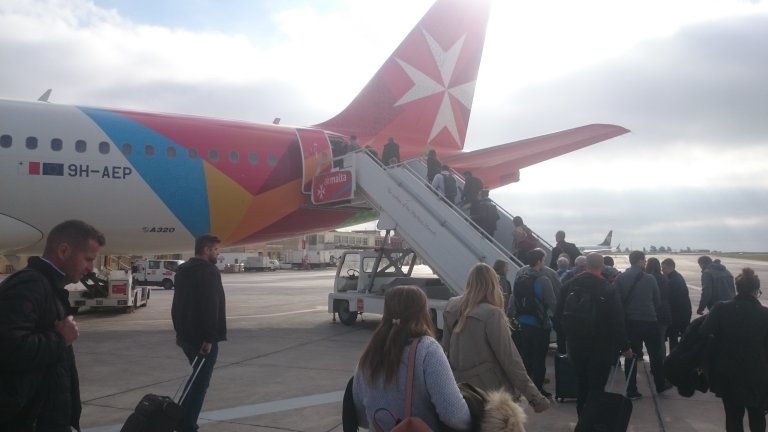
Flew home with Air Malta.

Air Malta.


Leaving Malta

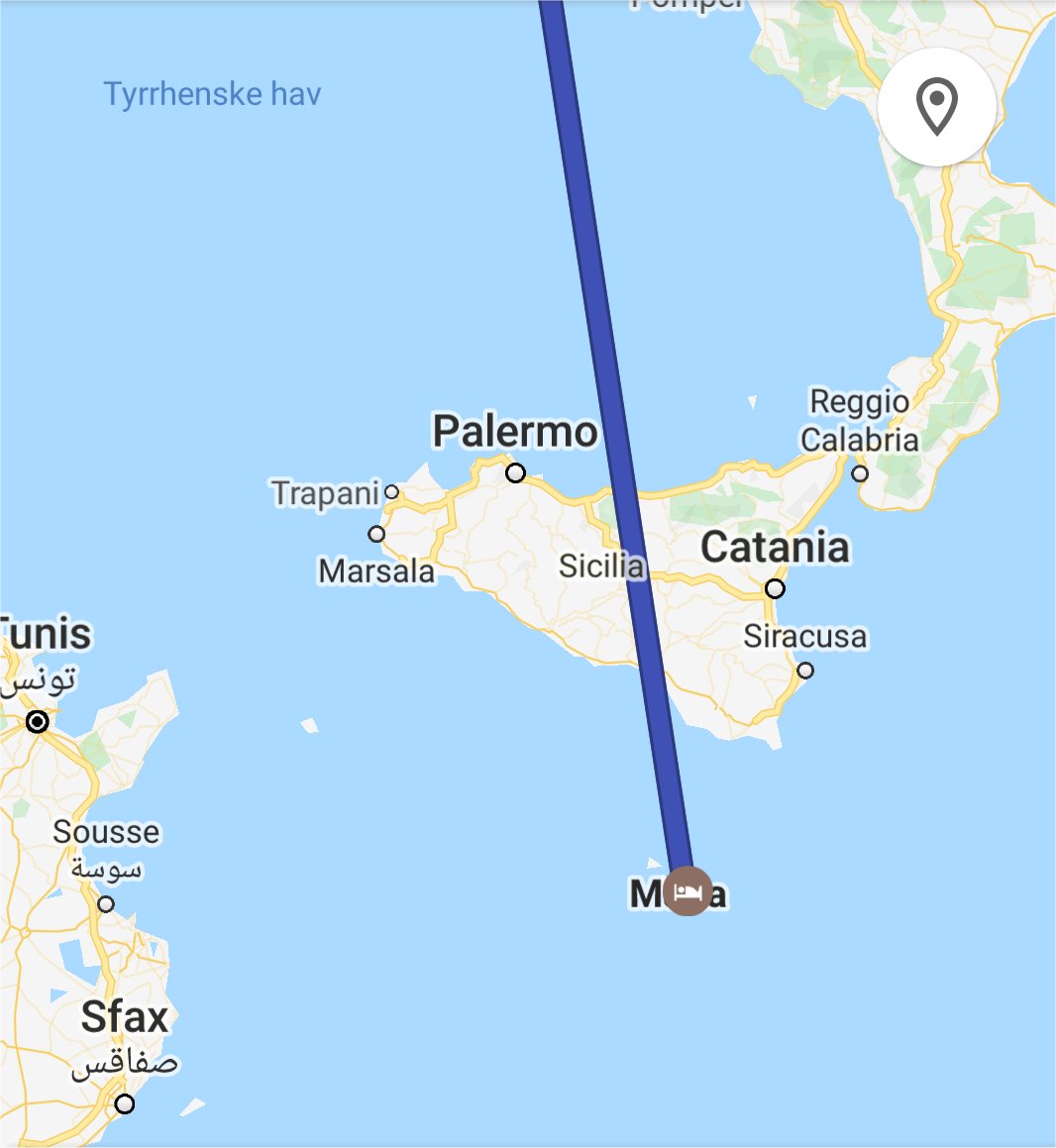
Flight path Air Malta. Valletta to Munich.


    Sicily.
    Sicily


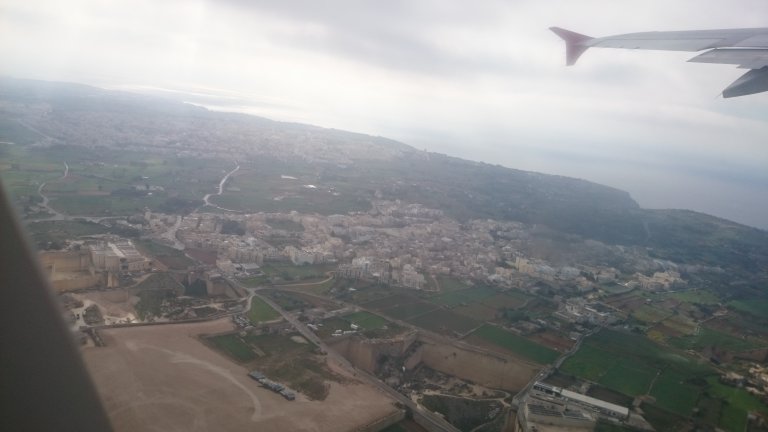
    Flight over Palermo, Sicily.     Palermo (Sicily).


For more from Sicily...
See: Mezzogiorno. Sicilia (September 2004).
Open Skies. Leaving Malta.
And Stromboli (2010).


Indeed, the end of a wunderbar conference.
With many memorable talks. Already looking forward to Icaart 2021!


Valletta, Malta. February, 2020.


Conference Venue:
Grand Hotel Excelsior Malta.
Great Siege Road, Floriana FRN 1810.
Valletta, Malta.


Time to pack up & say goodbye.
And, perhaps, meet again next year..?

The end of great conference !