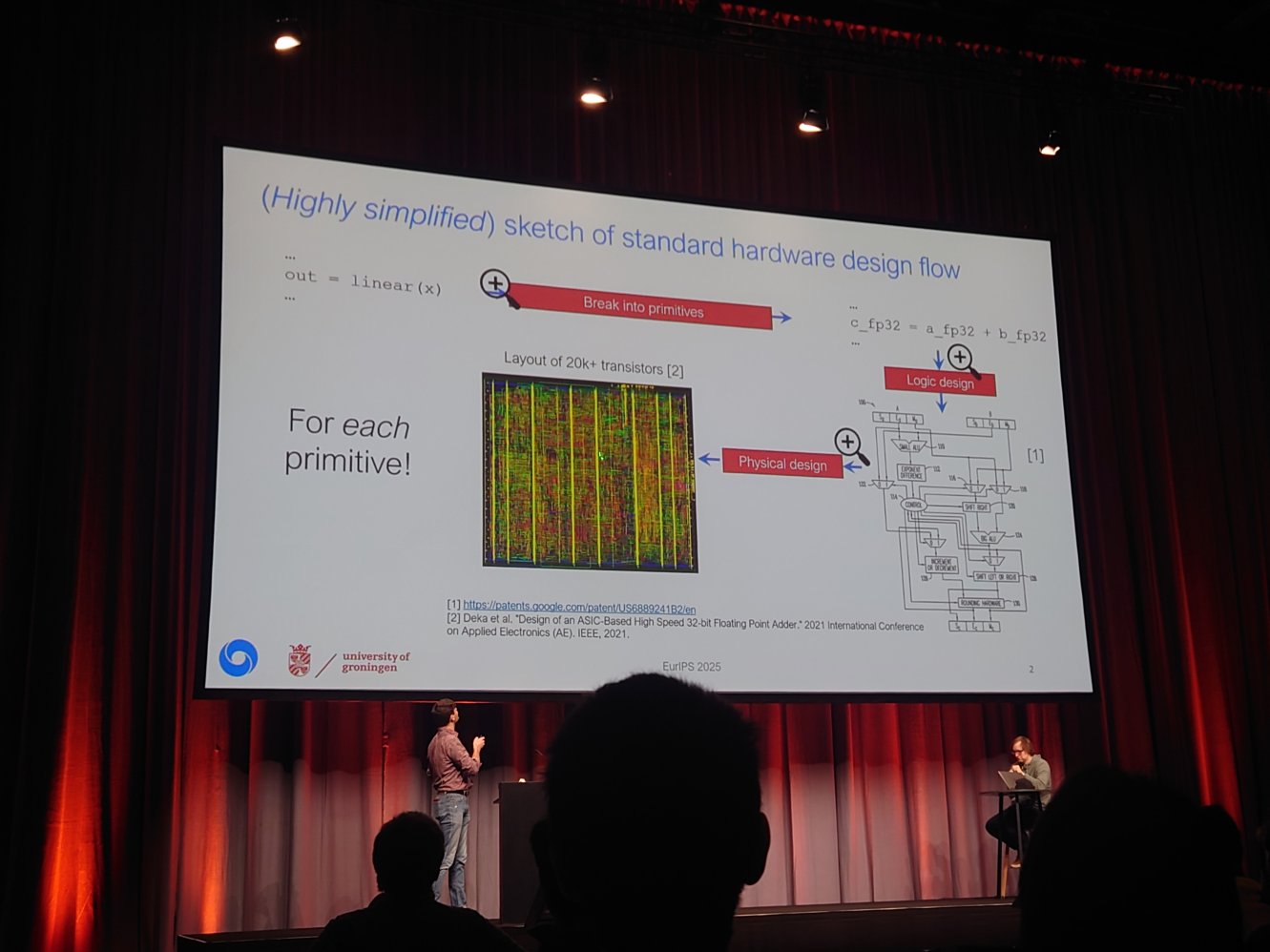
Should future hardware development continue to optimize for the long-dominant GPU/TPU-Transformer-backprop paradigm, or should it explore alternative computational approaches alongside novel training algorithms [1].
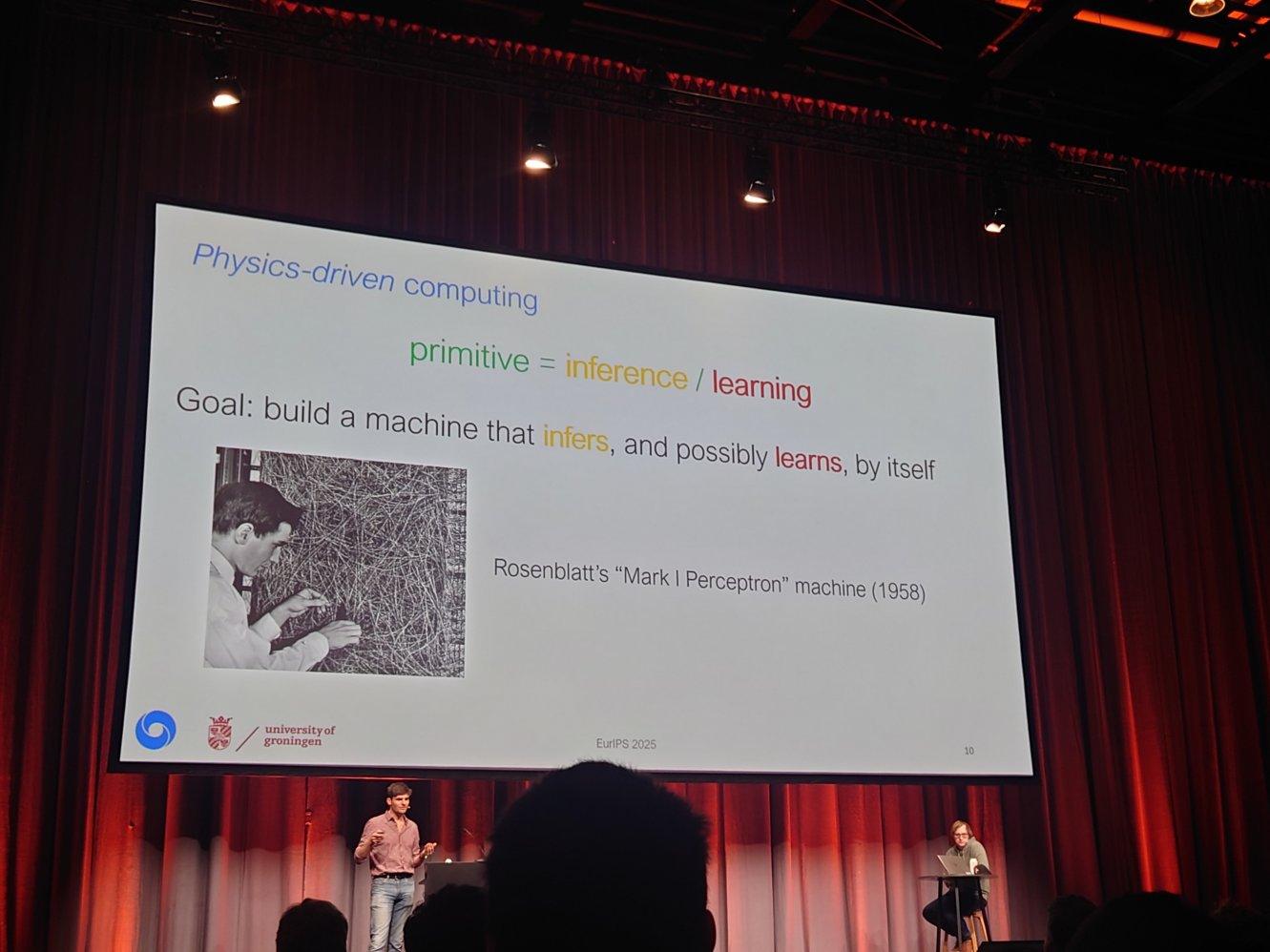
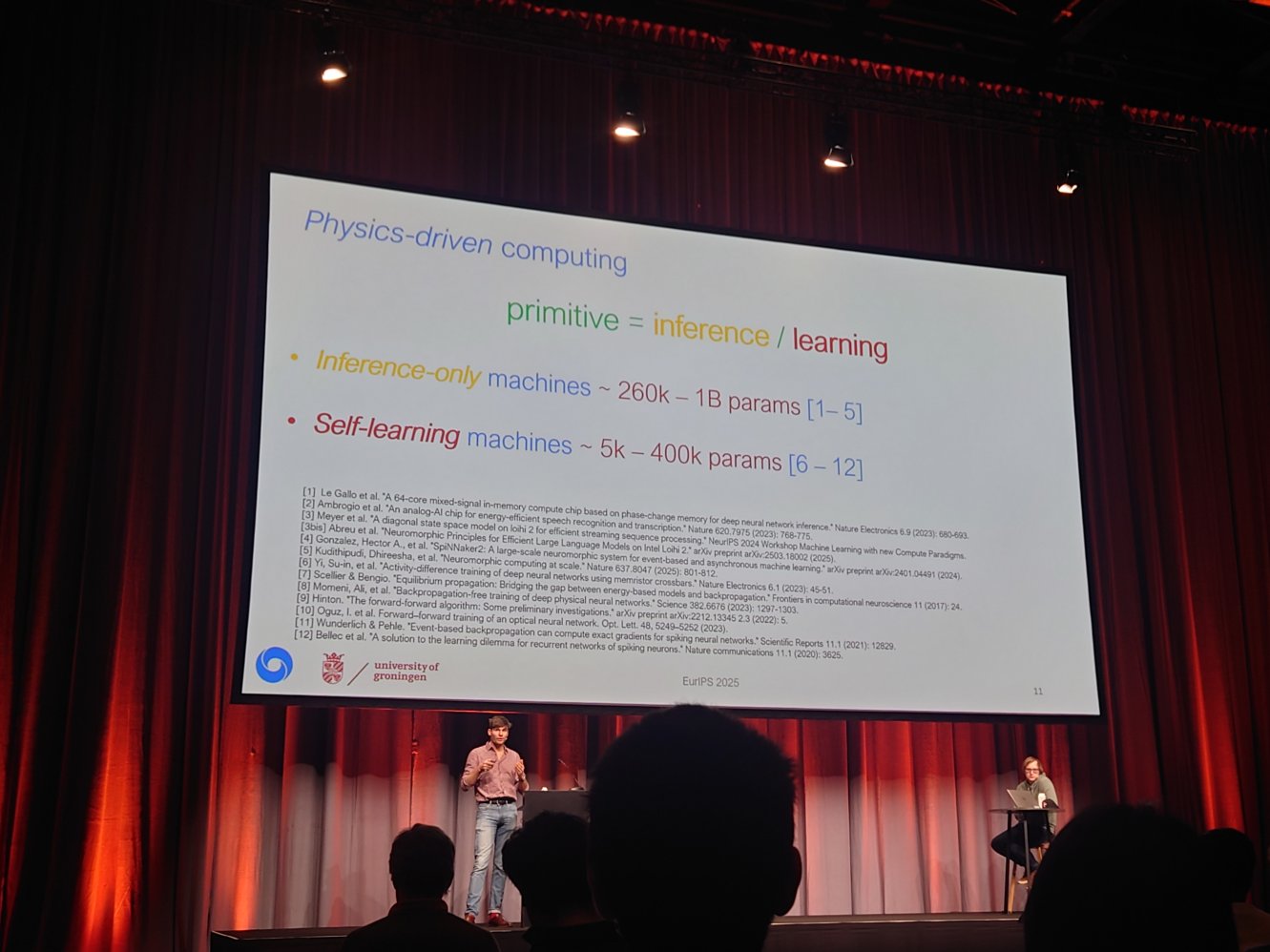
This paper embraces a distinctive standpoint in the realm of AI hardware by not distinguishing algorithms from hardware, and posits that some SSMs (State Space Models) could be physically realized in dynamical physical systems and, when endowed with bespoke credit assignment mechanisms, be turned into ''self-learning'' machines [1].

A particular instantiation of physical computing, self-learning machines are physical embodiments of neural networks whose inference and gradient computation are, for instance, carried out by relaxing to equilibrium [1].
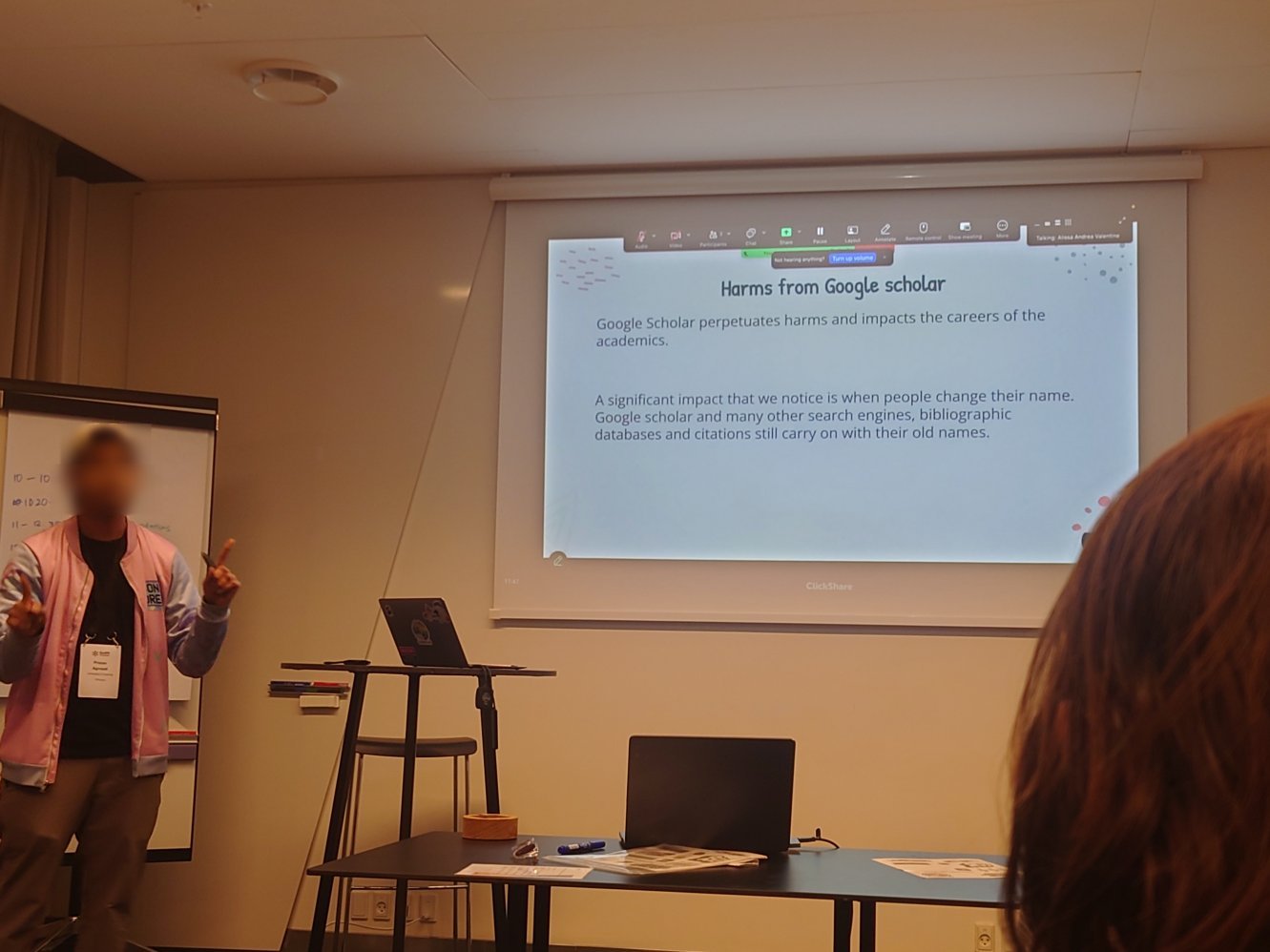
Involuntary ''Outing'': Listing papers with a former name (''deadname'') on a CV or grant application forces researchers to disclose their trans status to colleagues, hiring committees, and reviewers.
...
Splitting the Scholarly Record: If a name change is not retroactive across all databases, a researcher's body of work is split between two identities. This complicates h-index calculations, citation counts, and overall metrics used for tenure and promotion.
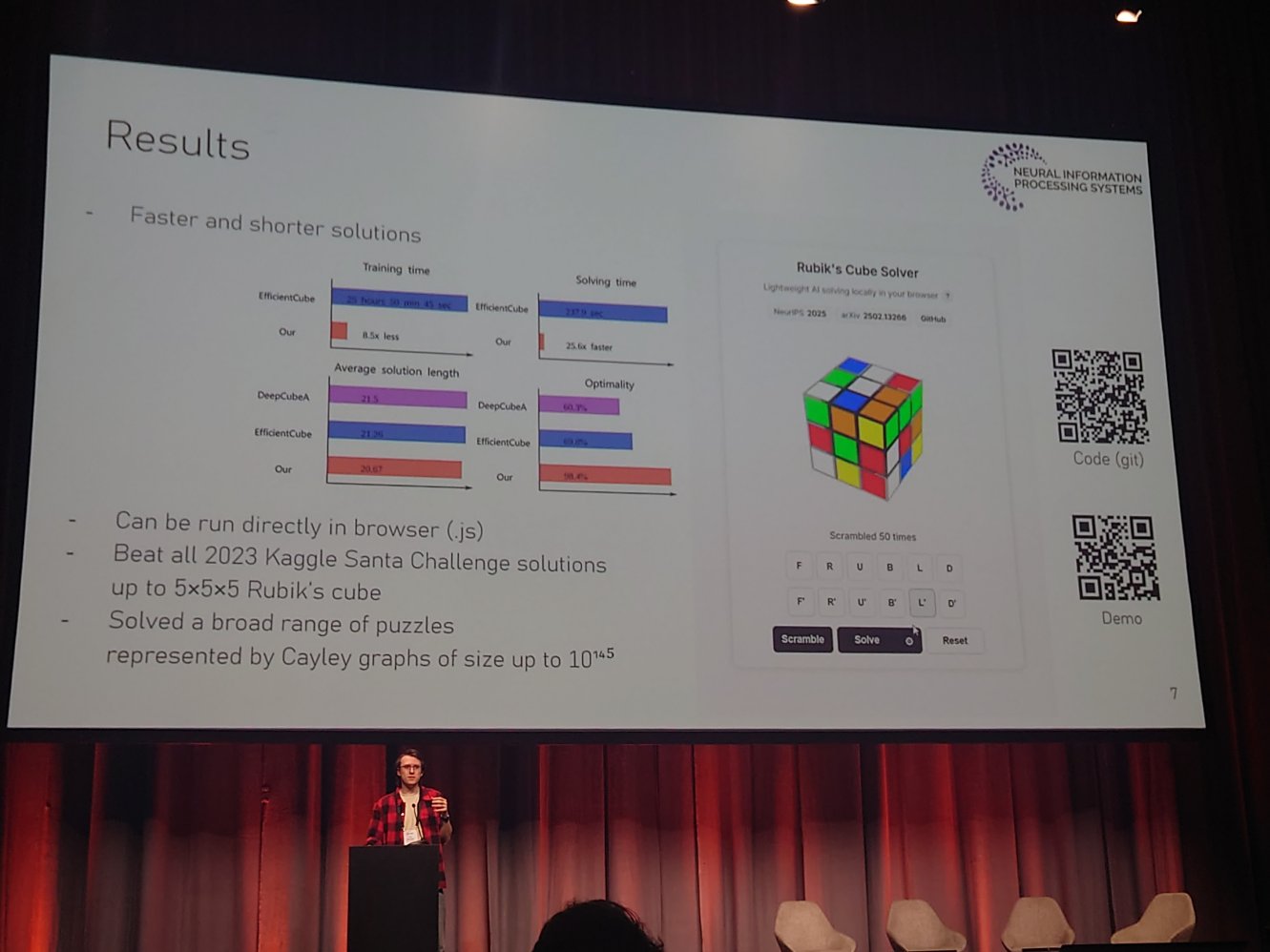
For the 3x3x3 Rubik's cube, our approach achieves an optimality rate exceeding 98%, matching the performance of task-specific solvers and significantly outperforming prior solutions such as DeepCubeA (60.3%) and EfficientCube (69.6%) [2].
Modern Artificial Intelligence (AI) systems—ranging from predictive models to generative and large language models—have demonstrated remarkable capabilities.
...
However, as our reliance on AI deepens, their fundamental limitations are becoming increasingly evident, particularly in reasoning under uncertainty that extends beyond data-driven variability, including ignorance, ambiguity, and distributional shifts.
...
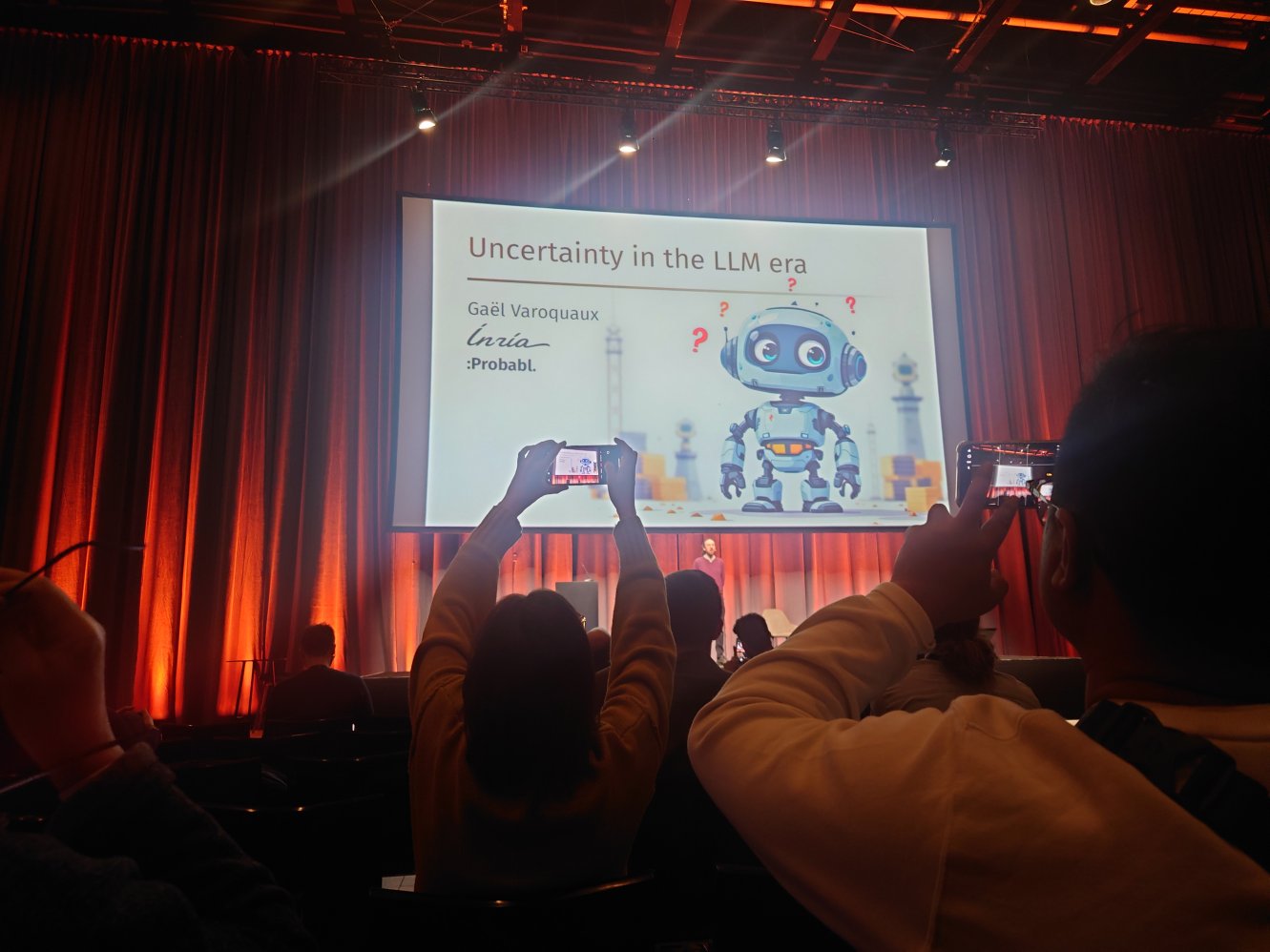
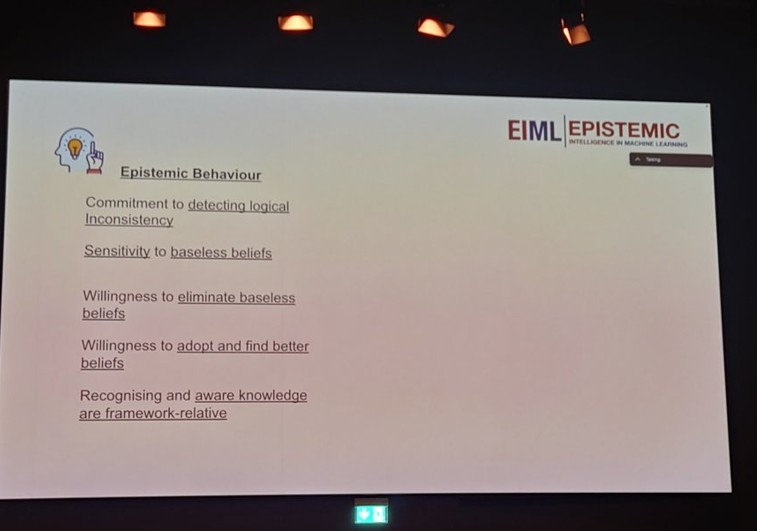
This highlights a lack of epistemic intelligence—the capacity to recognise and communicate what the system does not know, or in other words, to quantify, express, and act reasonably upon its epistemic uncertainty [4].
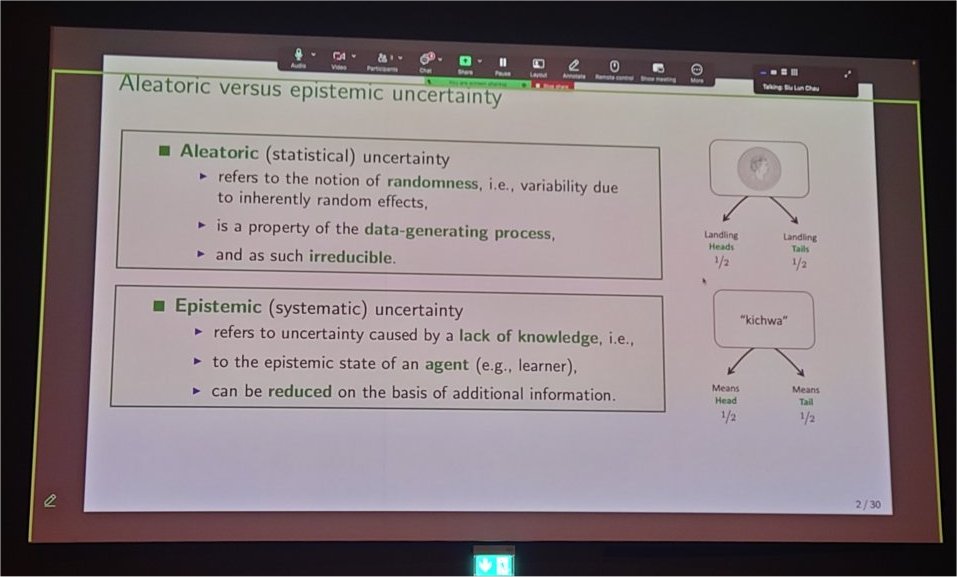
Aleatoric uncertainty is also known as stochastic uncertainty, and is representative of unknowns that differ each time we run the same experiment.
...
Epistemic uncertainty is also known as systematic uncertainty, and is due to things one could in principle know but does not in practice [5].
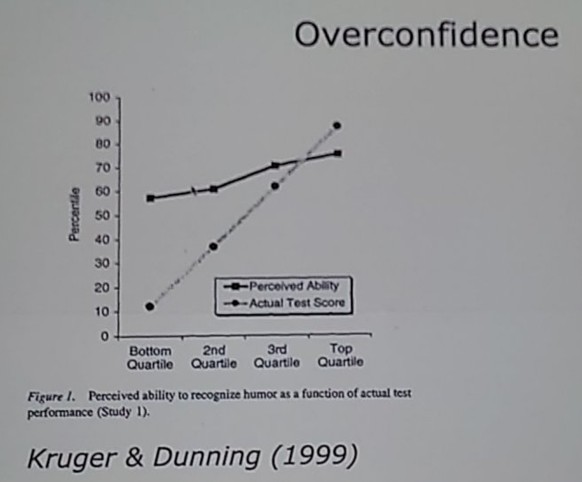
The Dunning–Kruger effect is a cognitive bias that describes the systematic tendency of people with low ability in a specific area to give overly positive assessments of this ability [9].
In mammals, neurons in the medial prefrontal cortex respond to action prediction errors (APEs) [10].