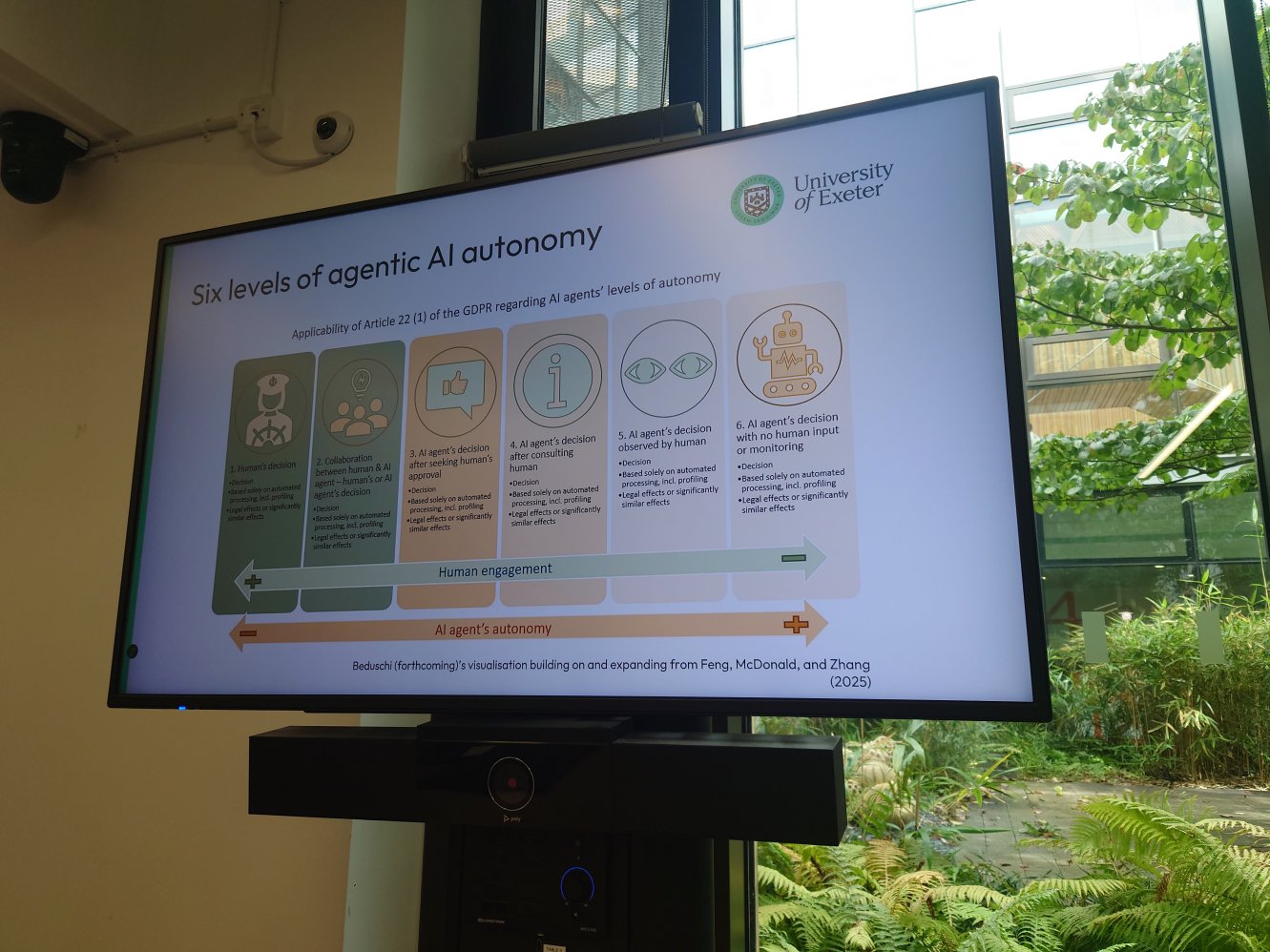
- [Level 0] Fixed Rules and Repetitive Tasks: Organizations automate repetitive tasks using predefined rules.
- [Level 1] Information Retrieval Agents: Agents assist humans by recommending actions and retrieving information.
- [Level 2] Simple Orchestration, Single Domain: Here, agents autonomously orchestrate low-complexity tasks in a siloed data environment.
- [Level 3] (The real turning point...) Complex Orchestration, Multiple Domain: Agents orchestrate multiple workflows with harmonized data across multiple domains.
- [Level 4] (Still, largely aspirational...) Multi-Agent Orchestration: Where any-to-any-agent operability is achieved across disparate stacks with agent supervision [3].
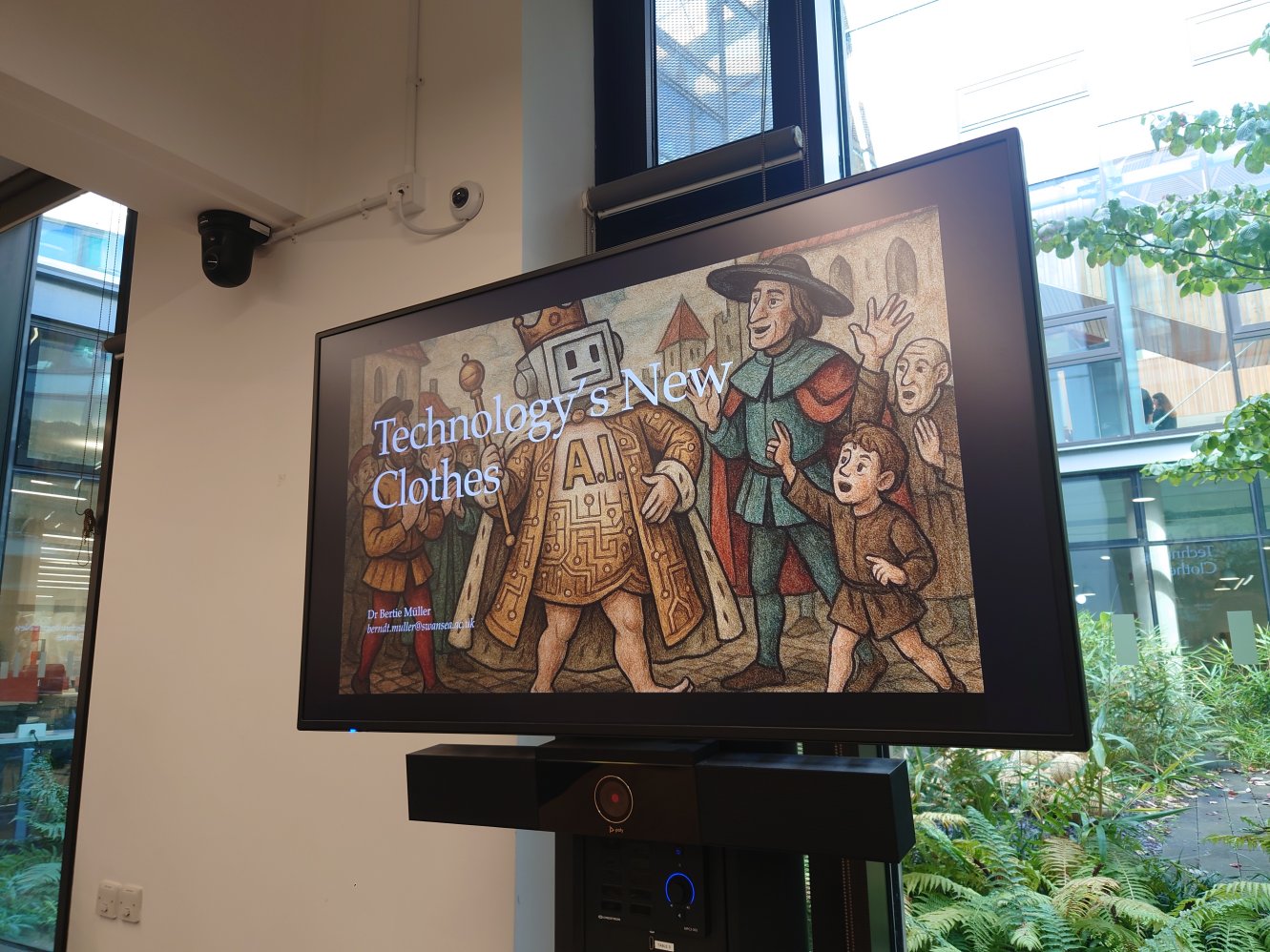
As Kevin Quigley, Director of Process Improvement at Salesforce customer Wiley, puts it, ''This model articulates how these solutions will come together as the technology matures and ensures that the building blocks we create today will set us up for success in the agentic future'' [3].Indeed, AI should be a tool that enhances human qualities:
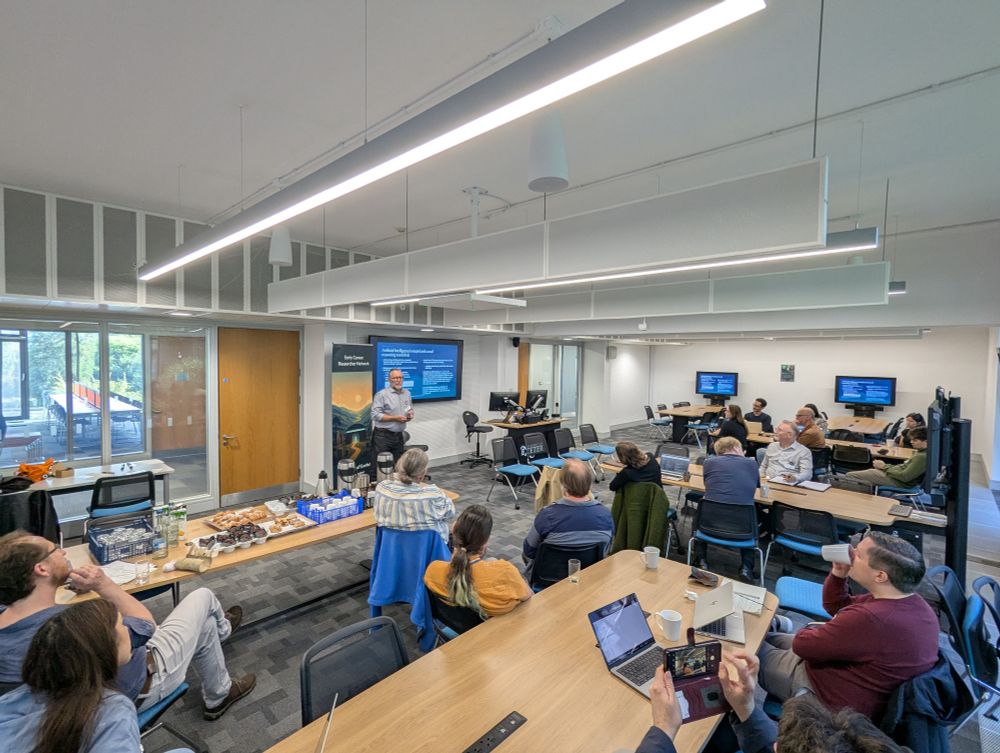
A great talk, indeed.
- Creativity, together with cognitive flexibility, to create valuable innovations.
- Communication. Use human communication skills to collaborate and develop new ideas.
- Emotional Intelligence. Ability to join intelligence, empathy and emotions to enhance thought and understanding of interpersonel dynamics.
- Critical thinking. (pro)Actively and skilfully conceptualising, applying, analysing, synthesising, and/or evaluating information gathered from, or generated by, experience, reflection, reasoning, or communication, as a guide to belief and action.
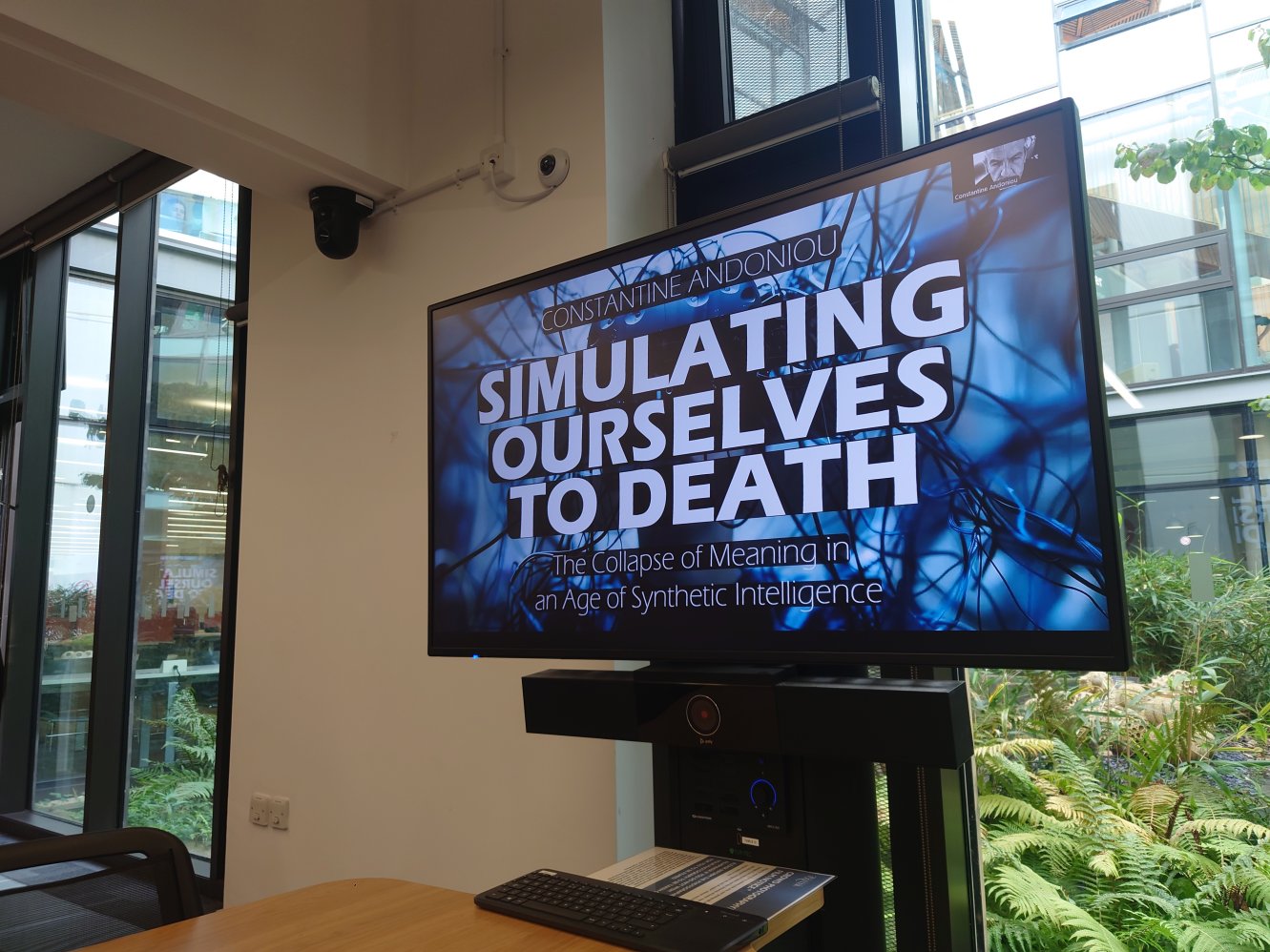
While the field of artificial intelligence advances toward a vision of superintelligence, defined by capacities that exceed human cognition across all domains, another trajectory is unfolding in parallel: The silent erosion of human interpretive agency beneath the surface of machine fluency...
...
As large language models and neural architectures simulate increasingly sophisticated expressions of understanding, humans encounter a paradox: The more convincing the simulation, the less effort is required to think.
...
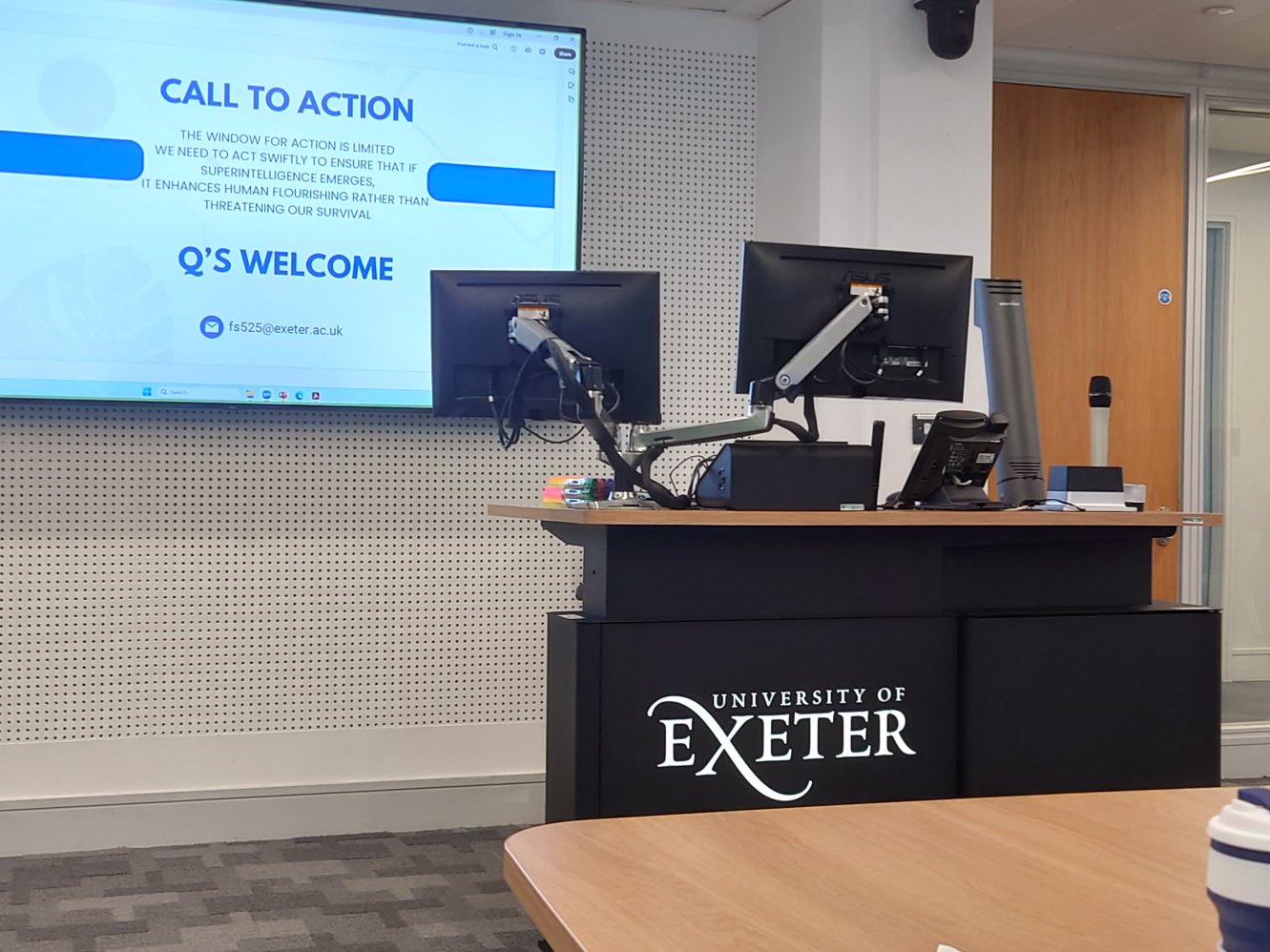
This paper proposes that the true risk of superintelligence is not machine domination, but the gradual disappearance of human meaning under the weight of automated simulation.
According to Constantine Andoniou:
- As AI advances towards SuperIntelligence...
- Human interpretive effort is silently eroded, as we lean on machine fluency.
- Paper's thesis: The danger is not catastrophic domination, but the quiet disappearance of human meaning under the weight of automated simulation.
Conclusion:
- Human cognition thrives on contradiction, imperfection and dissonance. These generate reflection and growth.
- Critical fields (law, ehics, medicine, art) depend on paradox and tension; AI threatens to erase these conditions.
- AI systems, built on probabilistic optimizations, are structurally designed to smooth over contradictions and resolve ambiguity.
Well, you wonder, when Irving J., Good [4] defined Superintelligence (1965) as: ''Let an ultraintelligent machine be defined as a machine that can far surpass all the intellectual activities of any man however clever'', was this the expected outcome....?
- Superintelligence is less about machine dominance and more about human decline.
- Central danger: (human) Cognitive erosion and interpretive passivity.
This stands in sharp contrast to prevailing narratives of superintelligence, which tend to oscillate between boundless techno-optimism (superintelligence is seen as the solution to all human problems) and apocalyptic dystopia (superintelligence is an existential threat to humanity).For more, see: [5], [6], [7].
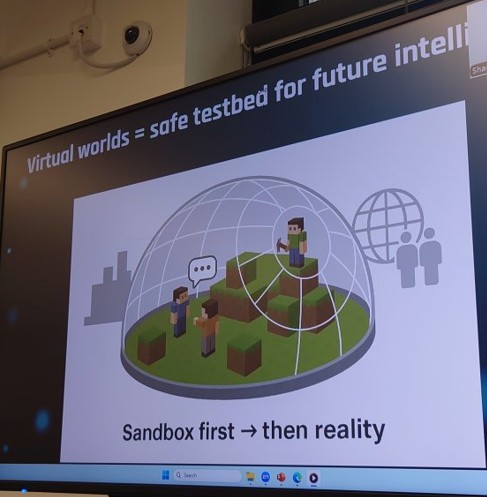
Virtual worlds like Minetest provide an unmatched platform for this exploration: They scale to billions of safe interactions, allow precise instrumentation, and isolate possible failure modes from the physical world. Repeated trials let us probe alignment strategies and intervene before unsafe dynamics amplify.
Various approaches have been taken to look at how we might align AI; that is, ensure that the decisions an Artificial Intelligence (AI) system makes are in line with human values.
...
AI embedded into physical engineering solutions, brings about new potential possible threats and challenges, and (tell us) that there is a research gap in looking at safety when it comes to Embodied AI specifically.
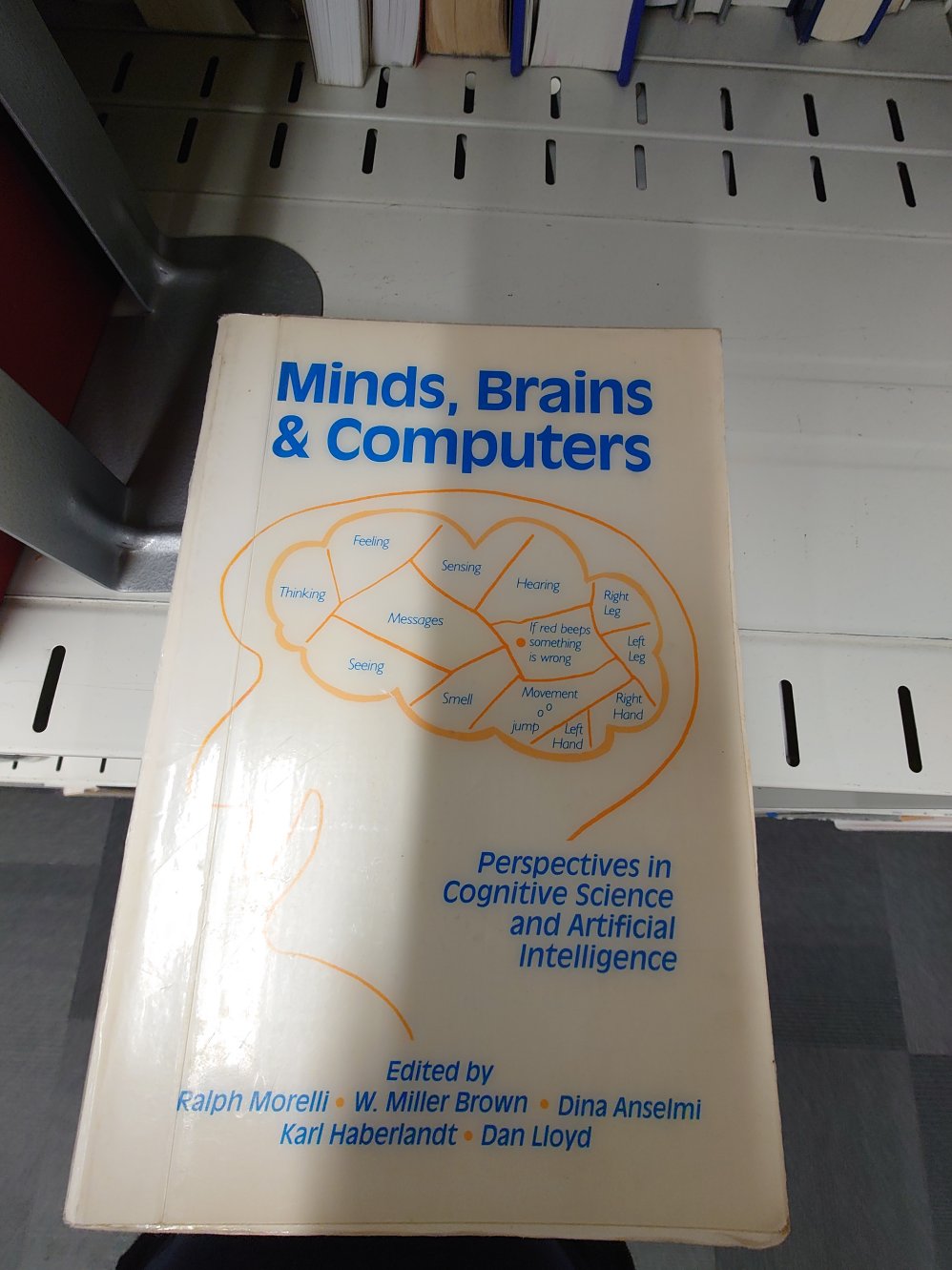
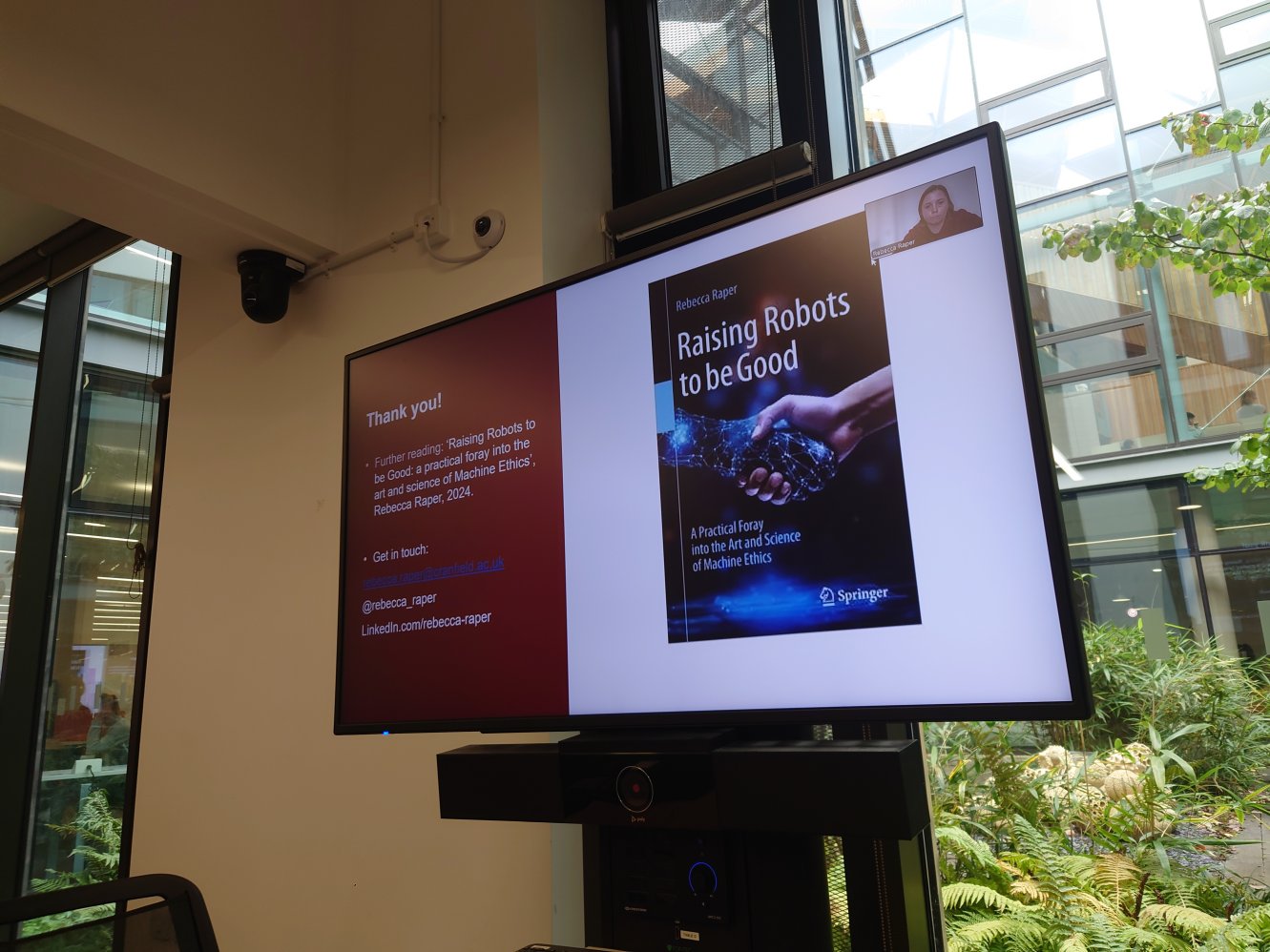
This book introduces this pursuit, known as Machine Ethics, and aims to outline some of the art and science behind the field.As one reviewer says (on Amazon): ''Striving to be good is an important step''.
...
A new theory is proposed, inspired by how we might envisage moral agency developing in a child. The proposal is that we need to cultivate moral development in a robot, in pretty much the same way we might parent a child [8].
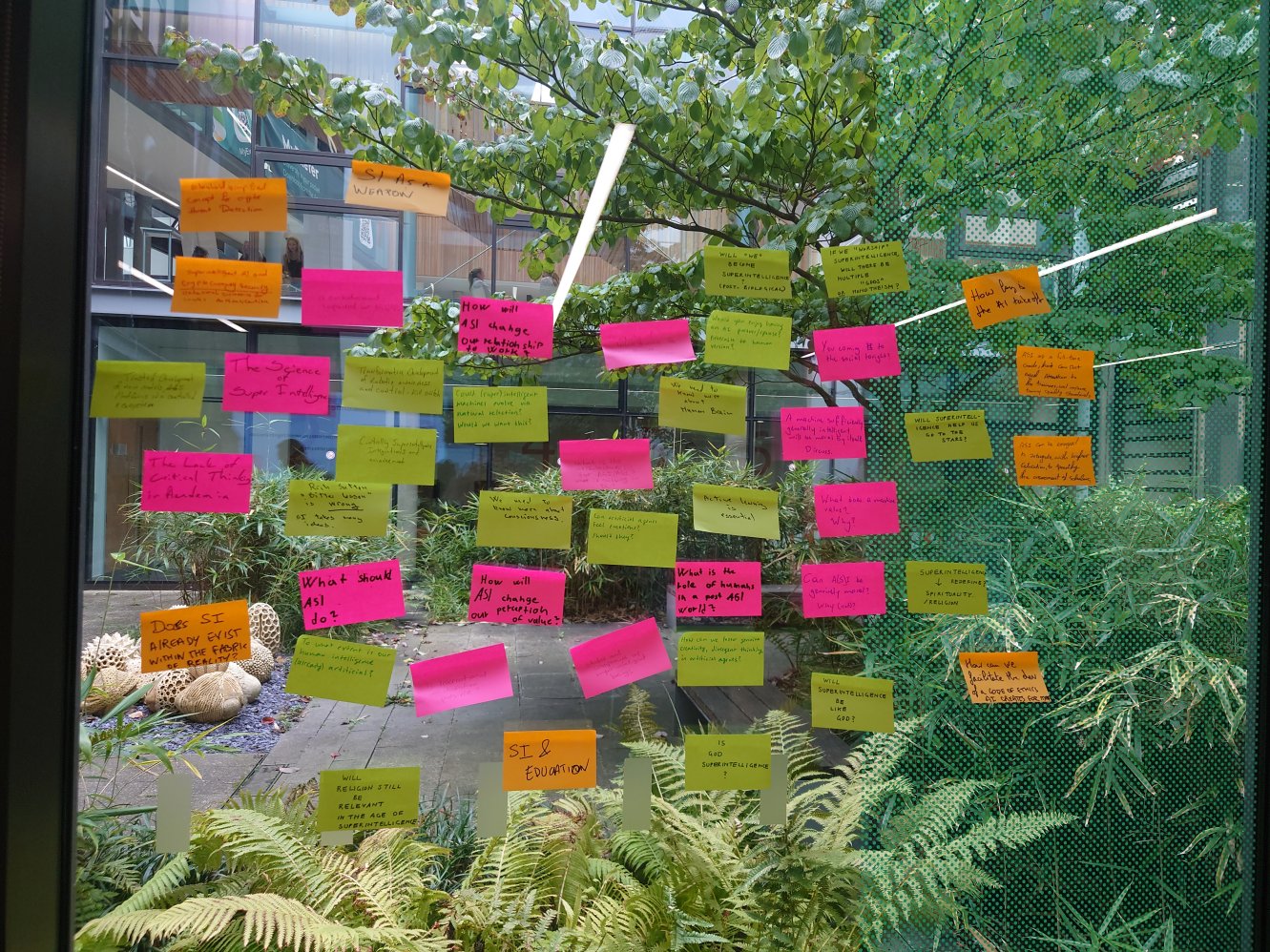
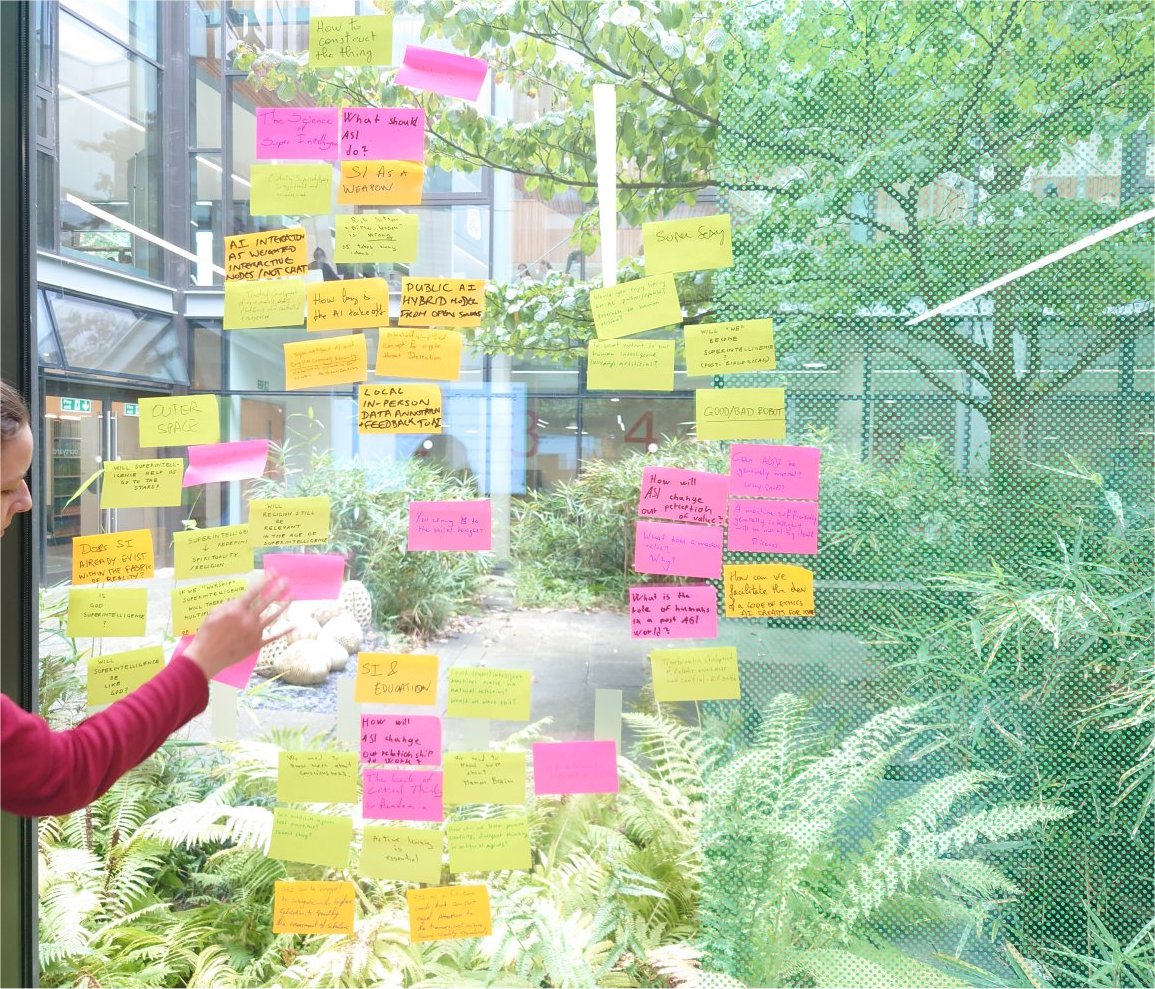
This open conference provides a collaborative platform for participants to generate and cluster ideas, which are then voted on and discussed in randomly assigned groups.
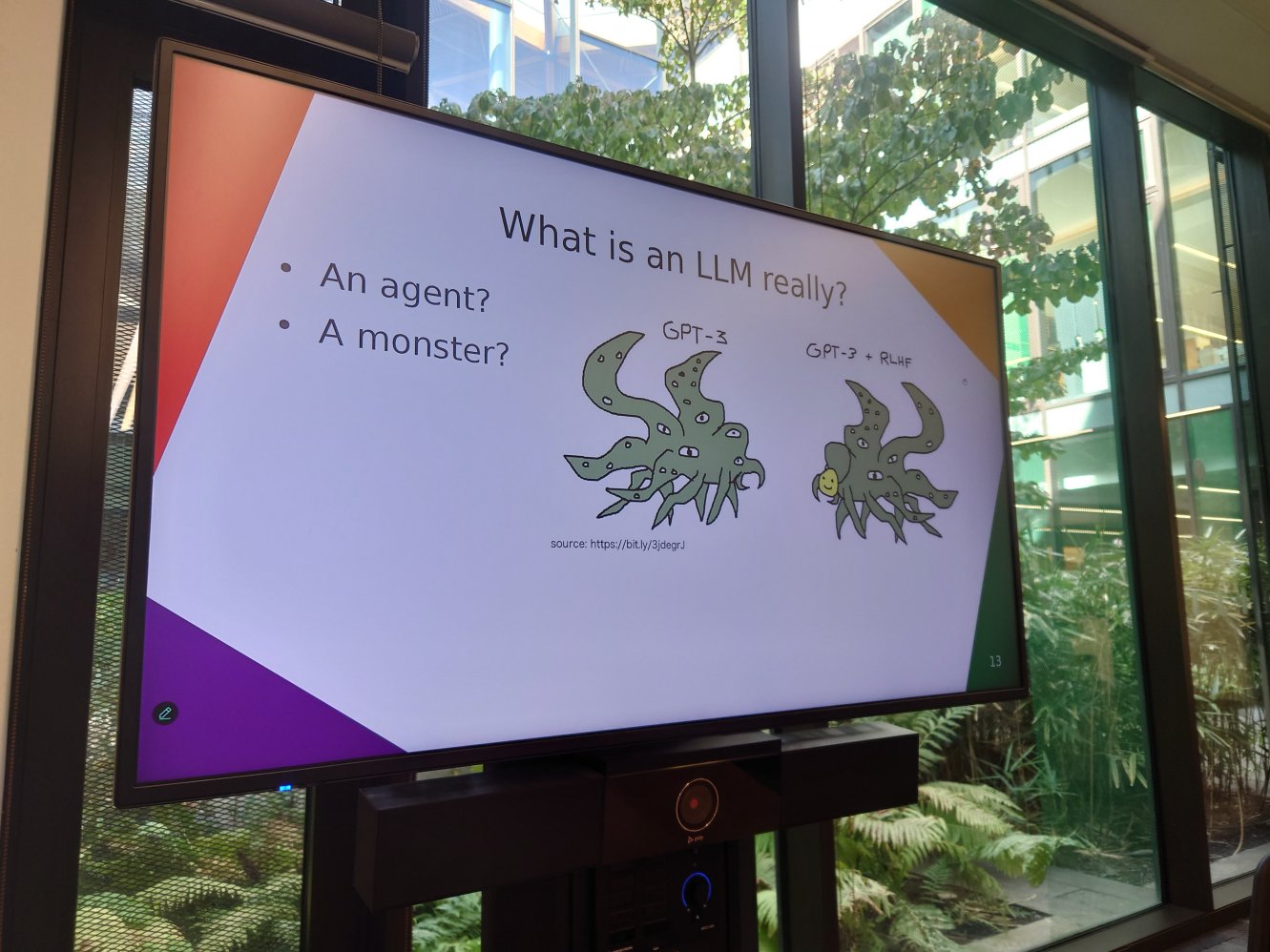
Current LLMs continue to hallucinate, attempts to make them into unbiased or jailbreak-resistant models have failed. So, it seems that they have an unsolvable safety problem. However, much of the safety, ethics, and alignment problems are actually quite solvable - once we stop trying to force LLMs into being things they are not, and take advantage of what they're actually good at.
We believe AI has the power to radically enhance human potential. We are working to ensure that the development of AI safely and democratically empowers every human being [10].And including many interesting articles, E.g.
Do we do better with LLMs - or do they delude us into thinking so?A great presentation indeed.

Someone tried to measure how much AI speeds up coding when in the hands of experienced developers...

And it turns out that when experienced developers think AI gave them a speed-up (average: +20%), the cold, hard fact is that it slows them down (average: -20%) [11].