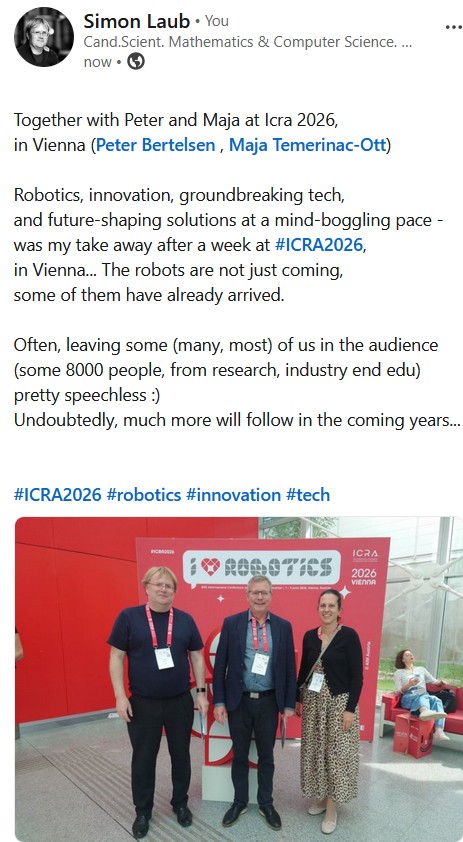
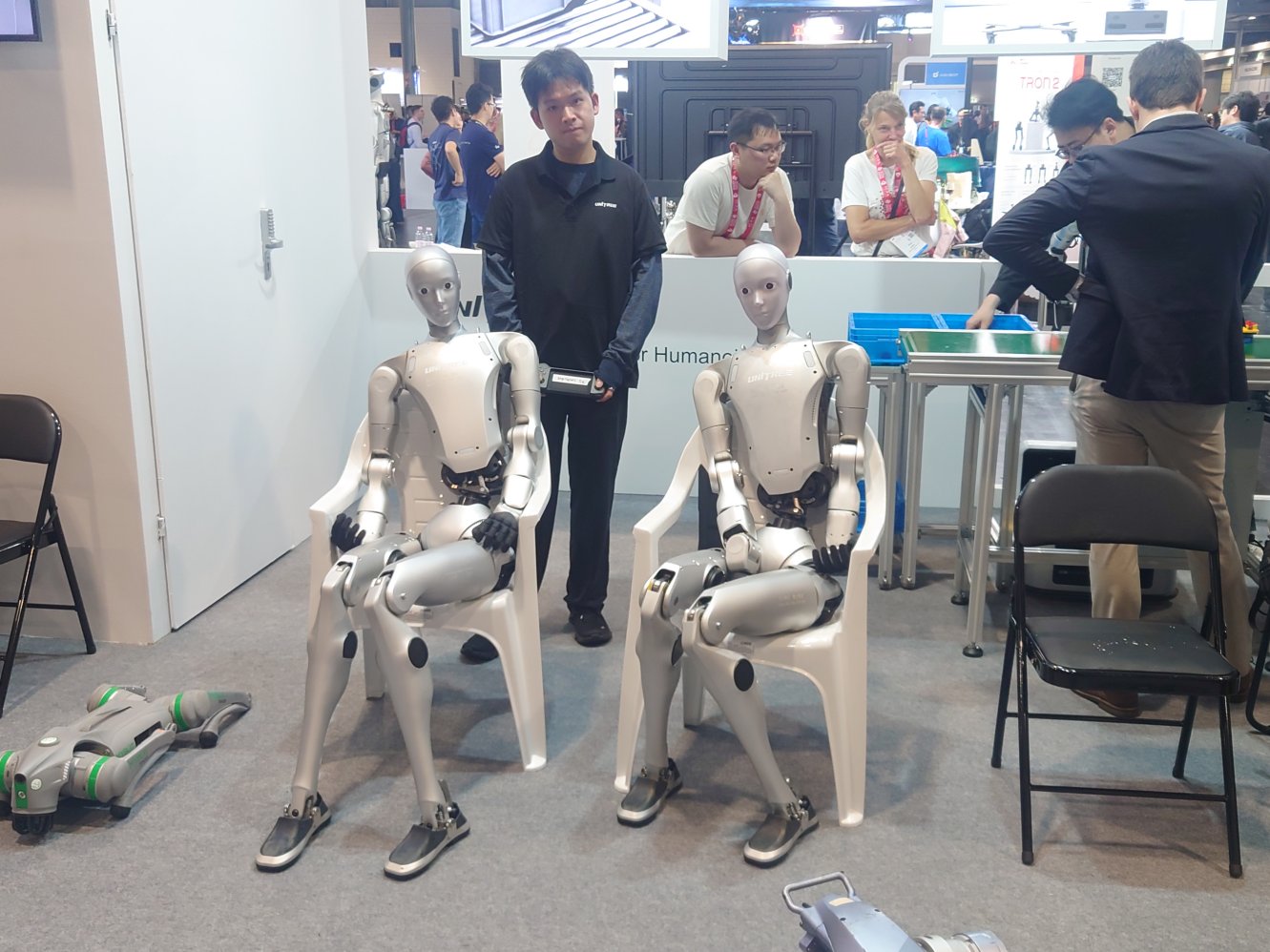
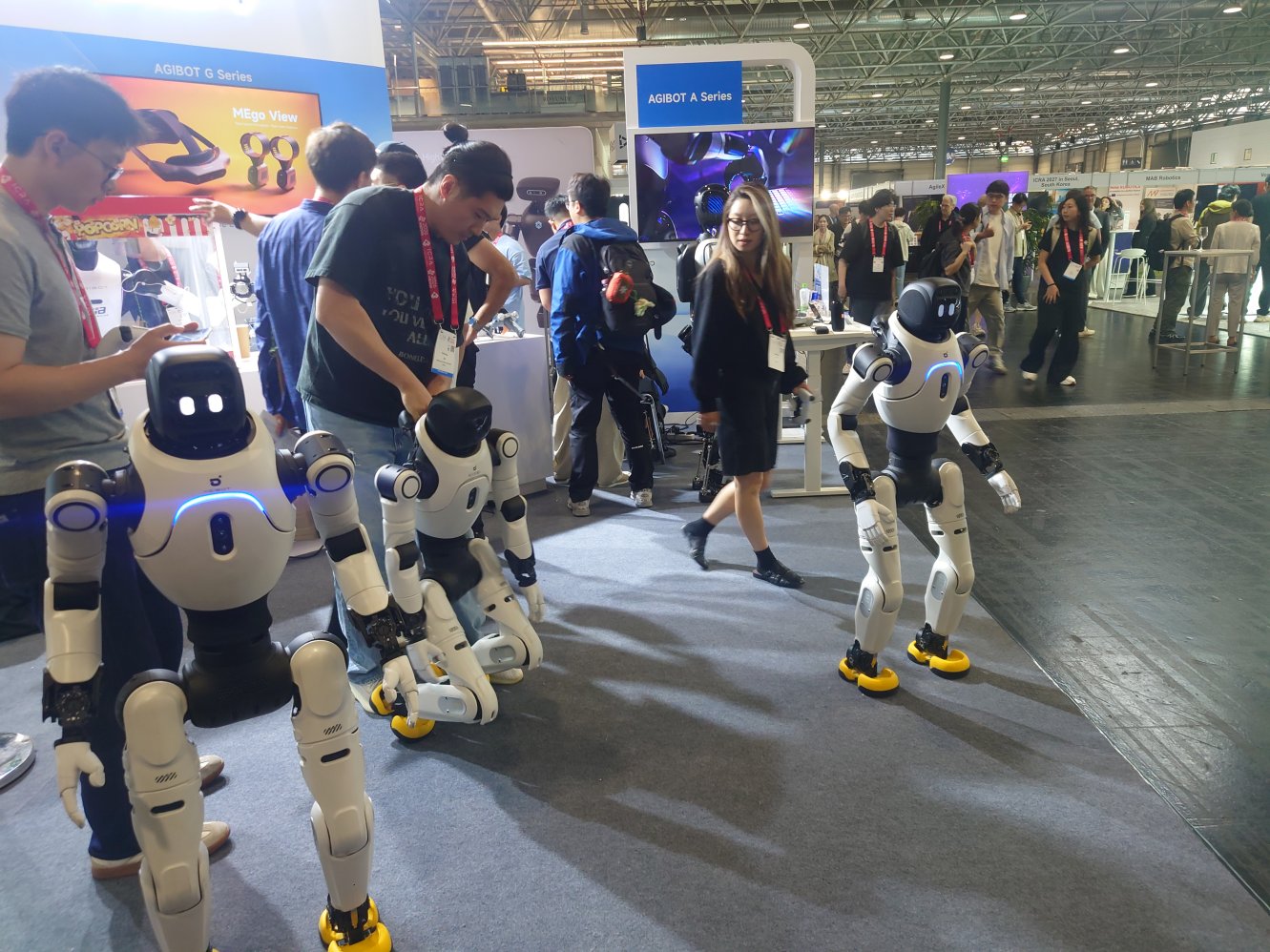
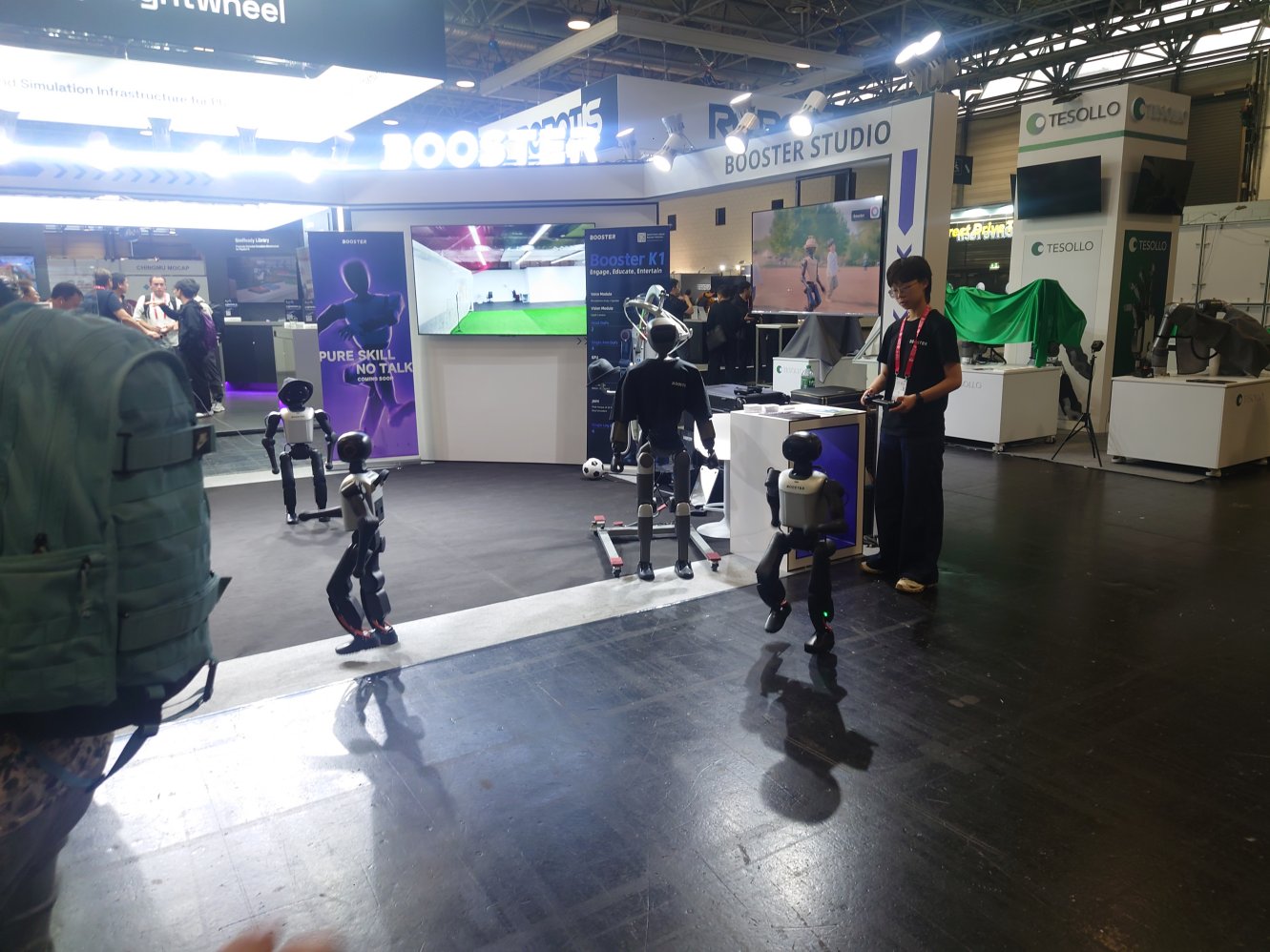
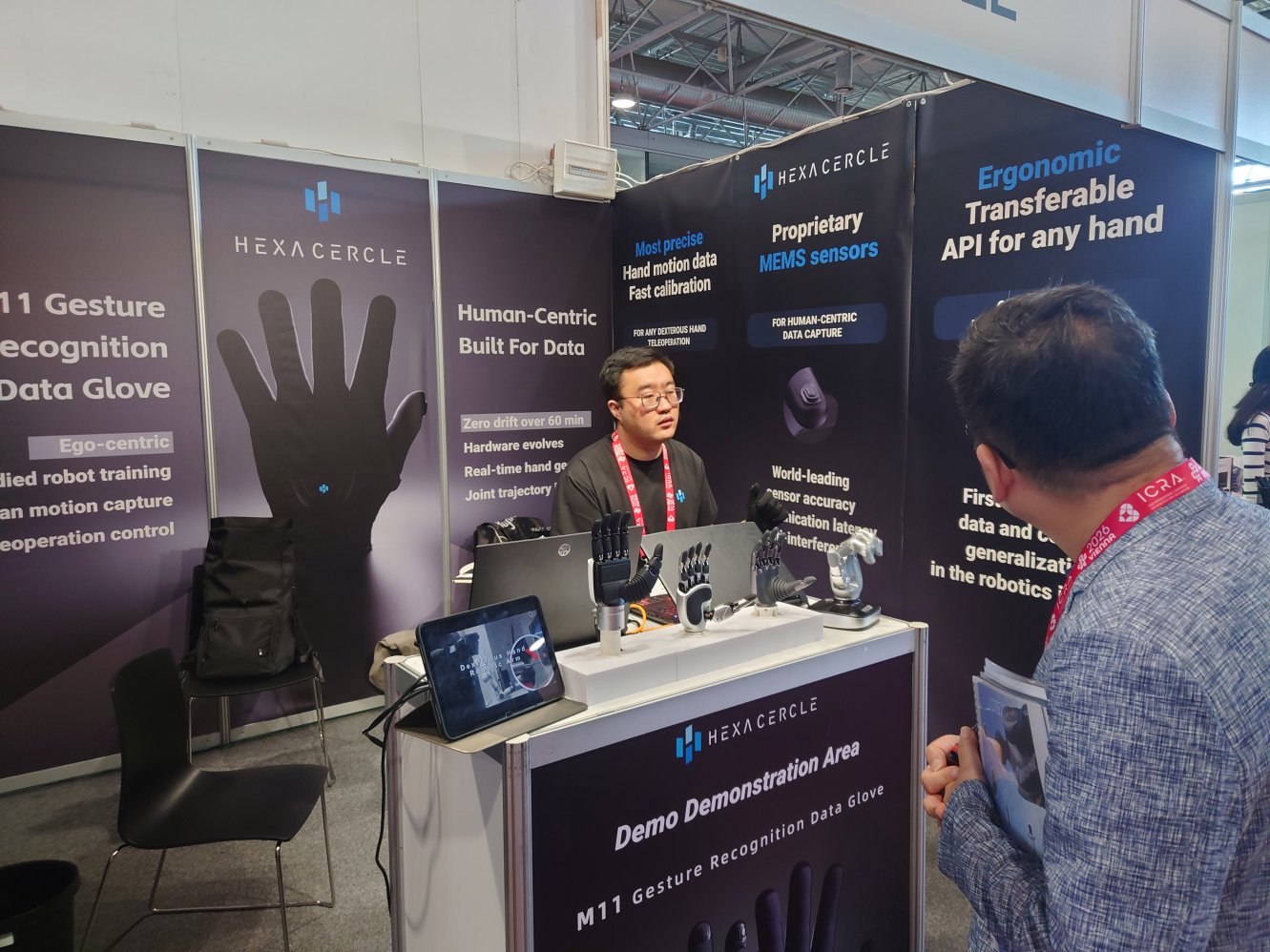
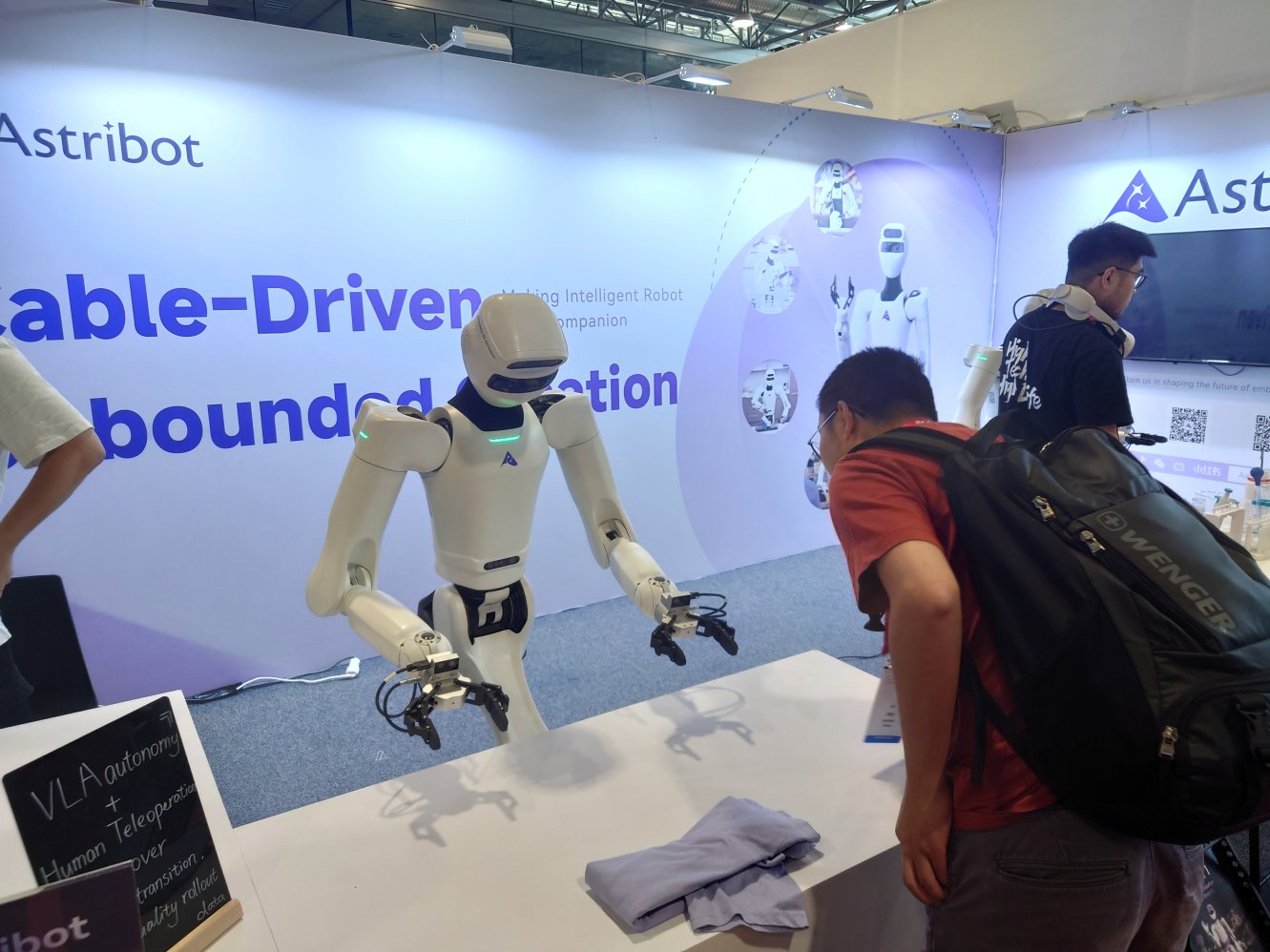
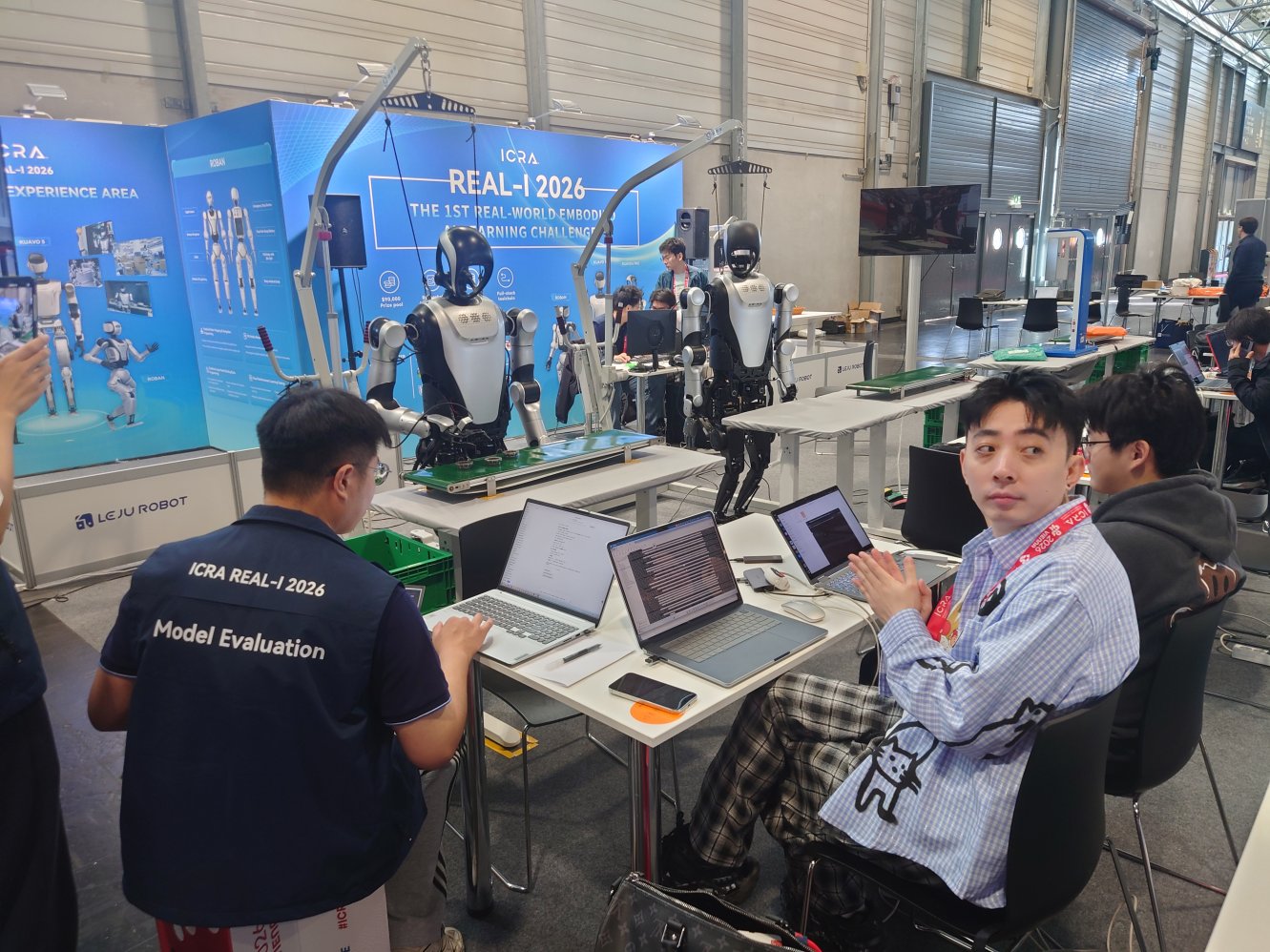
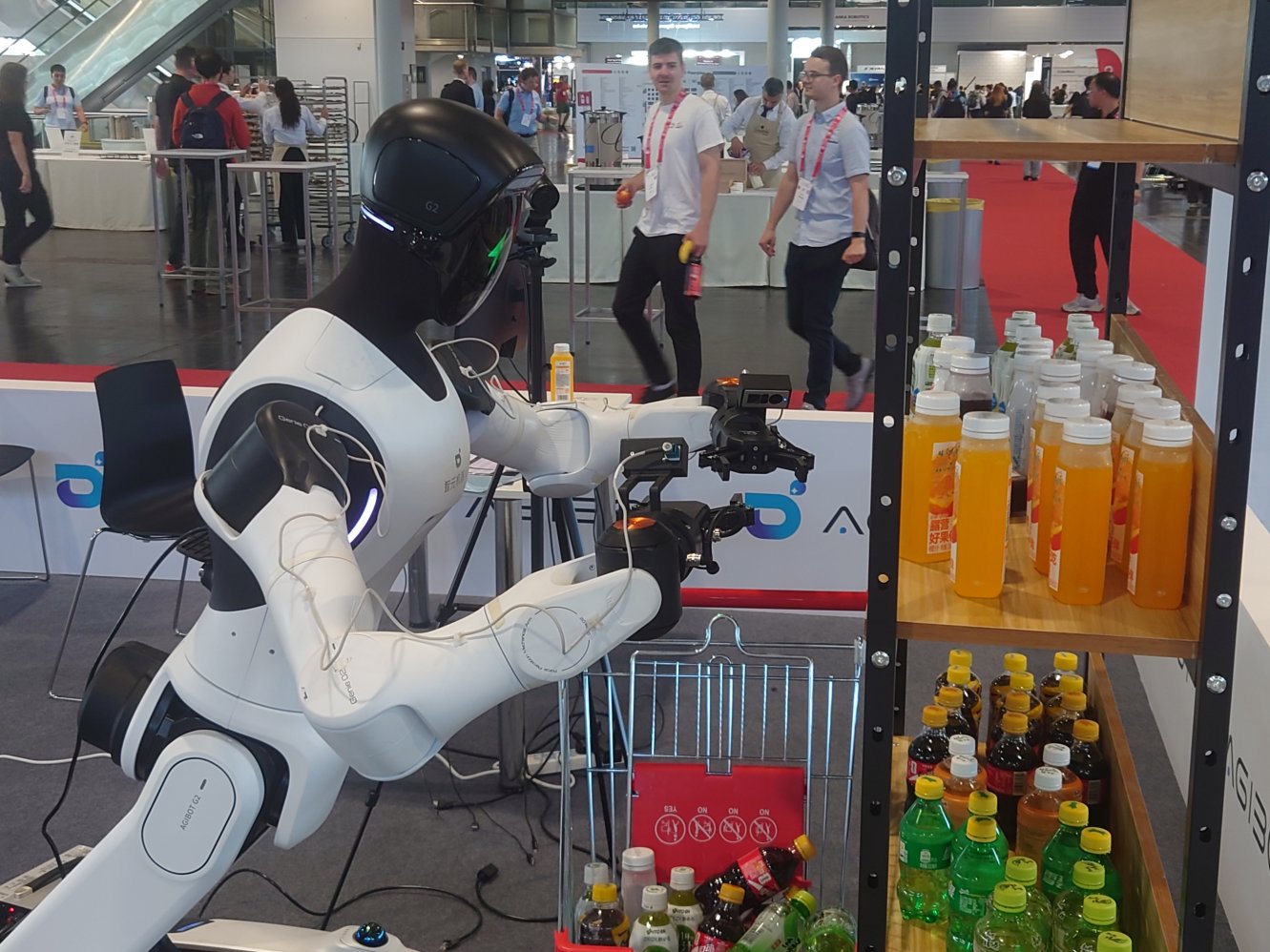
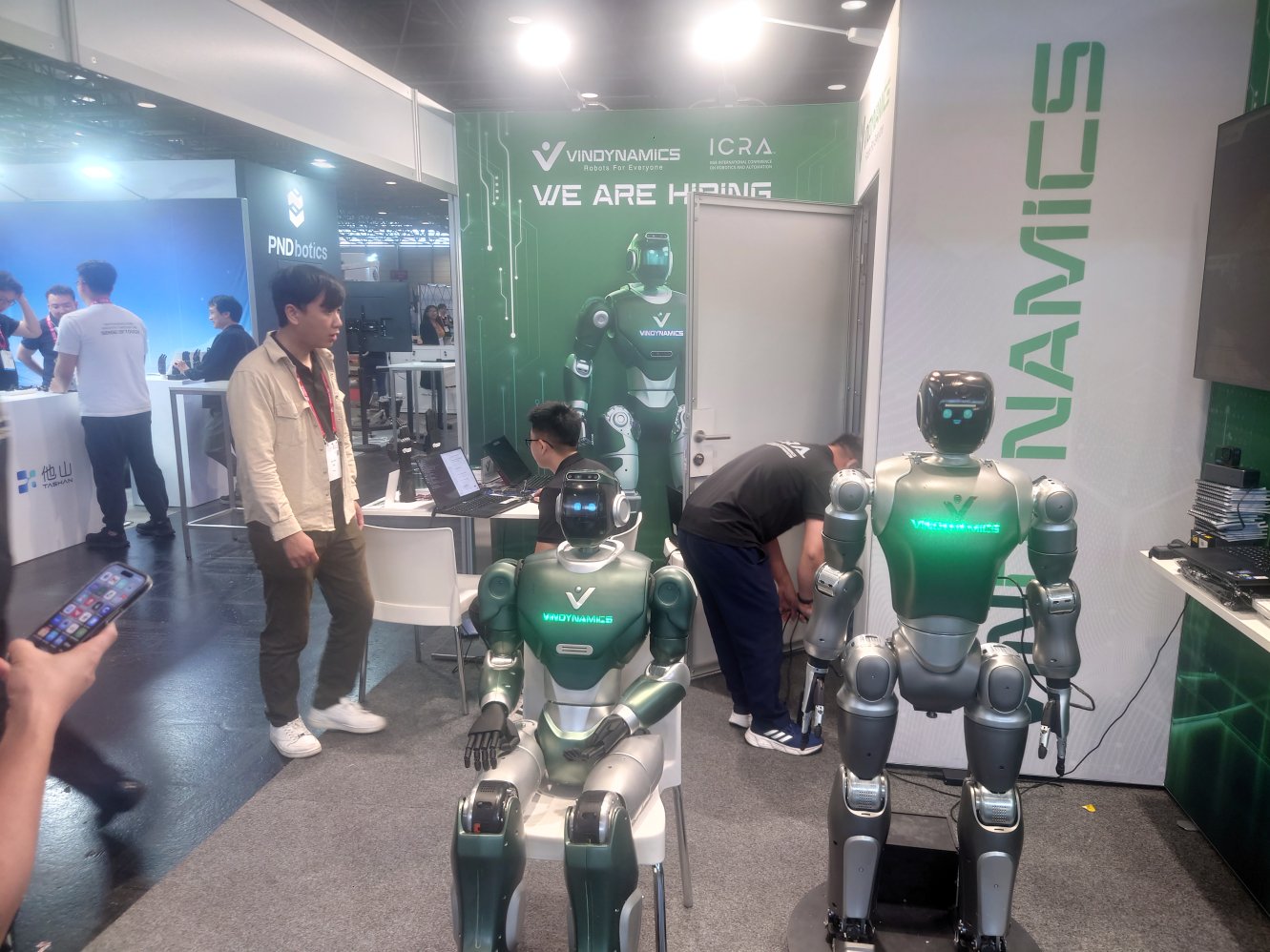
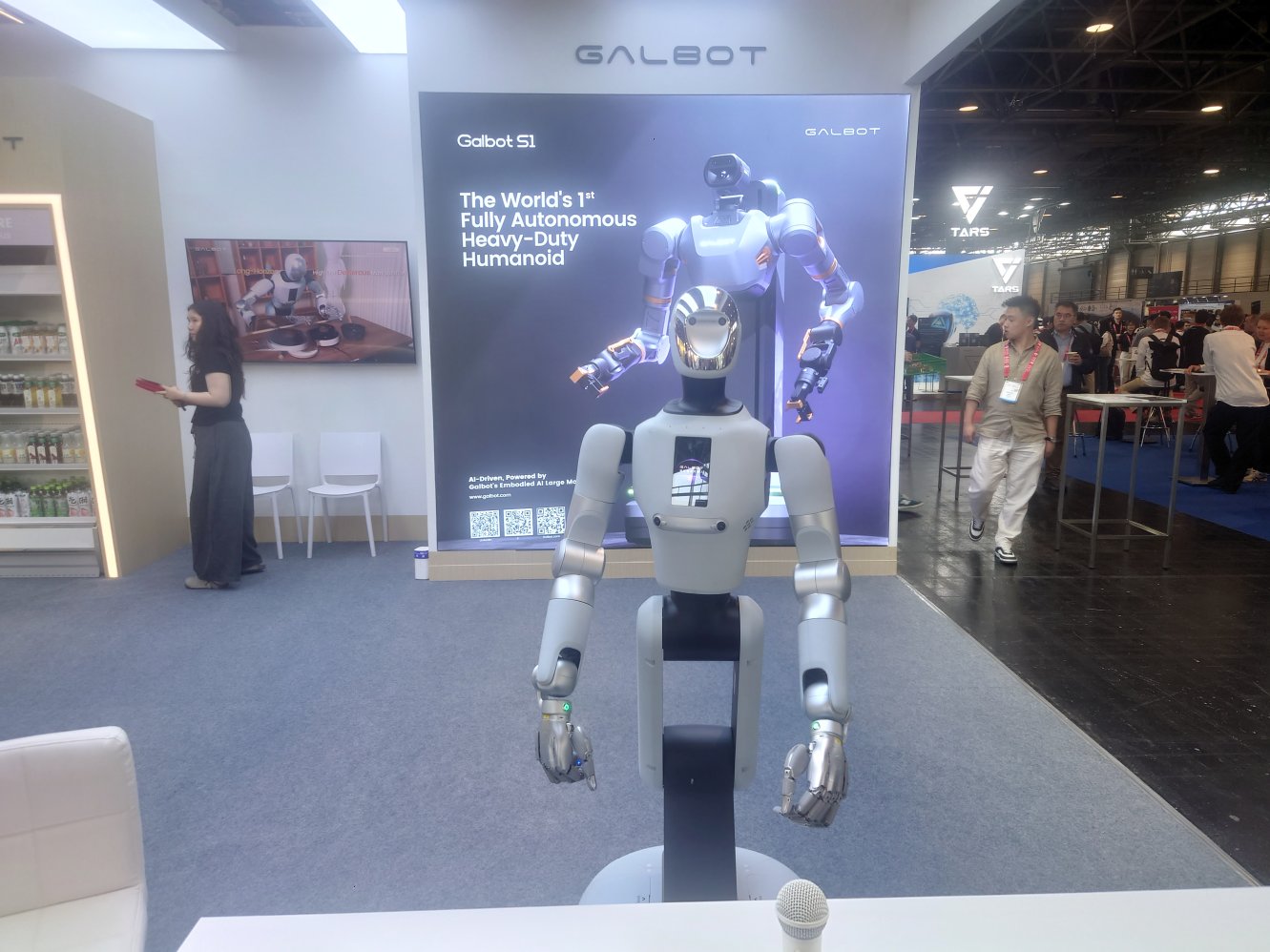
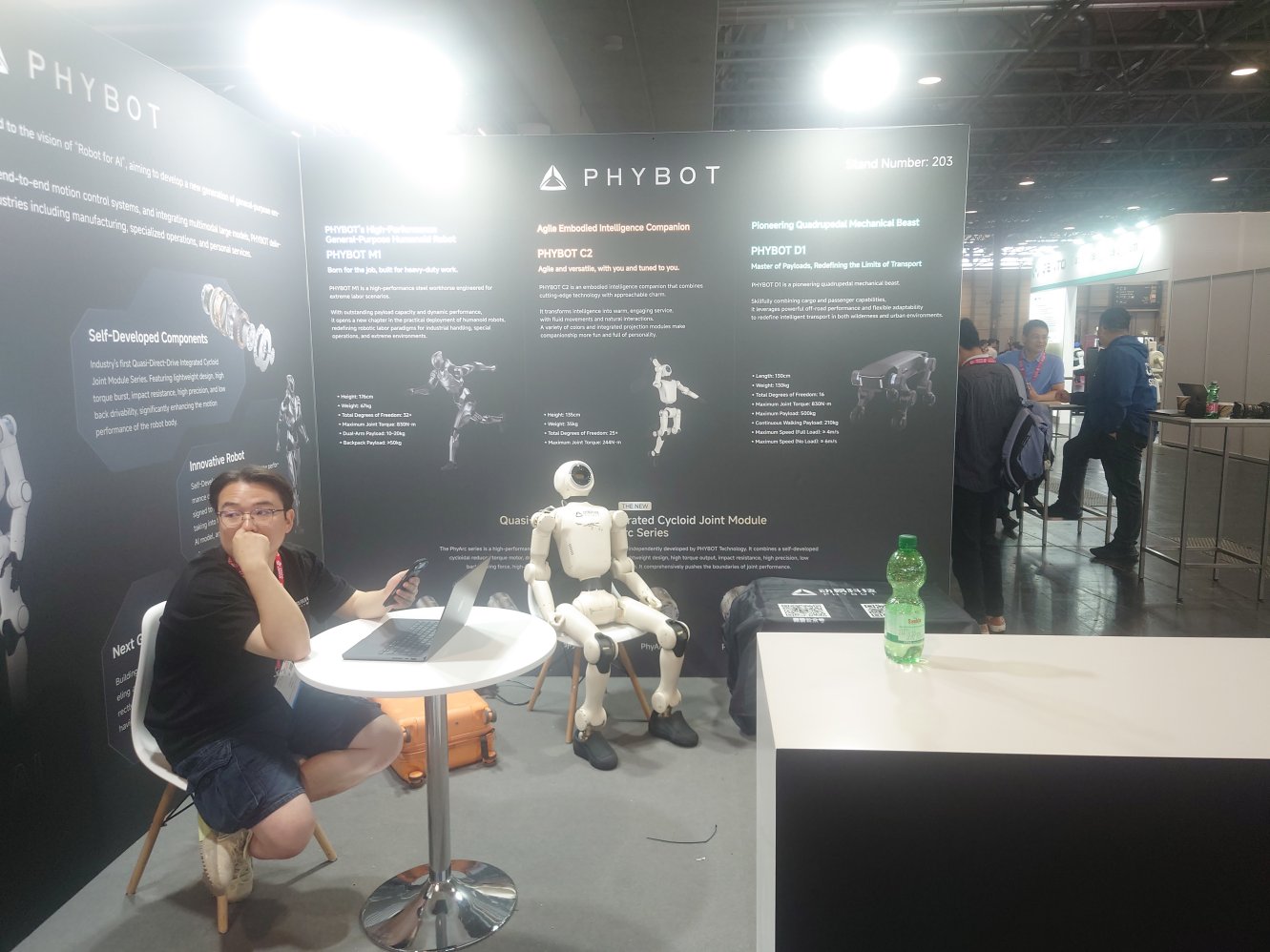
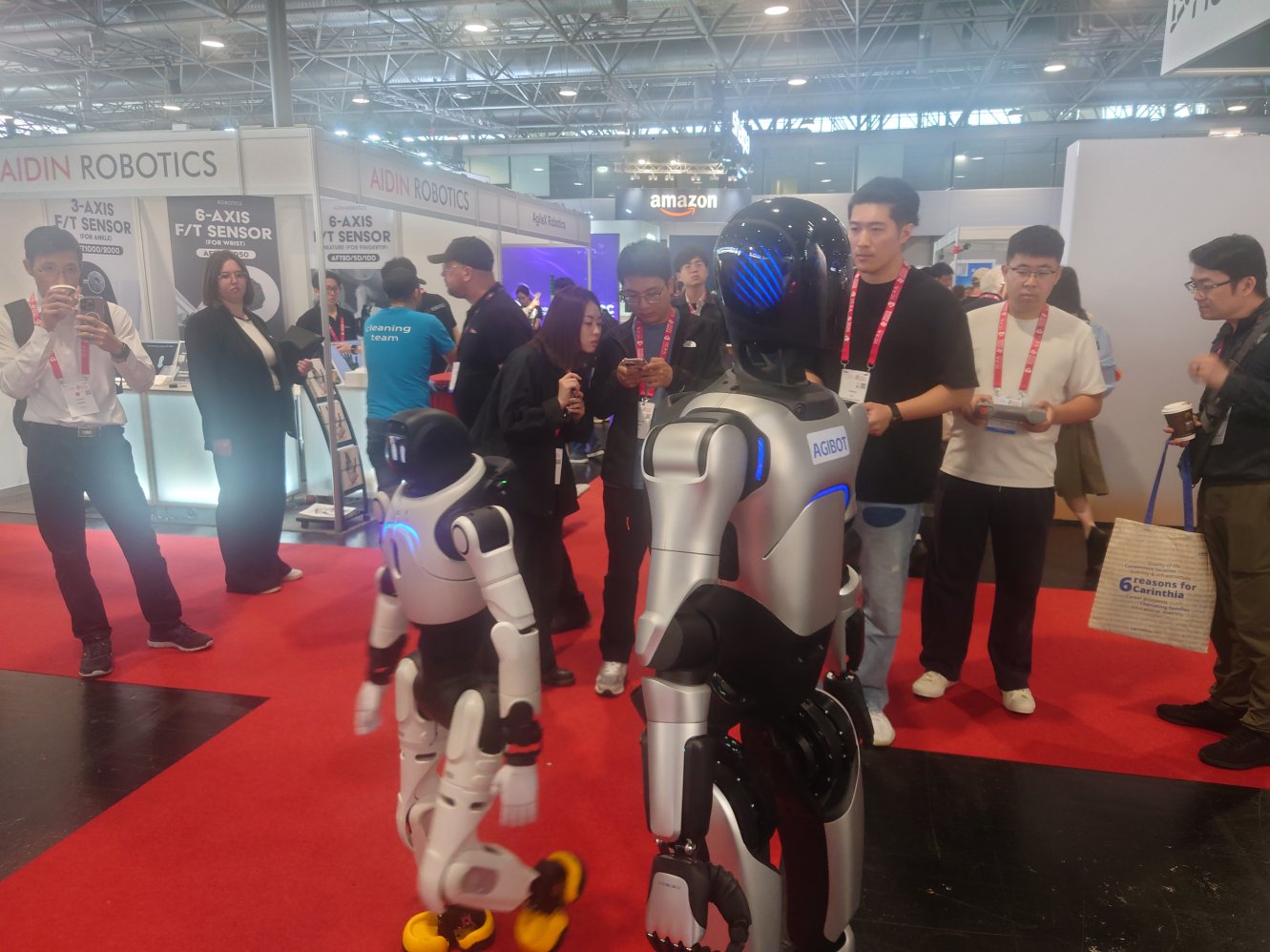
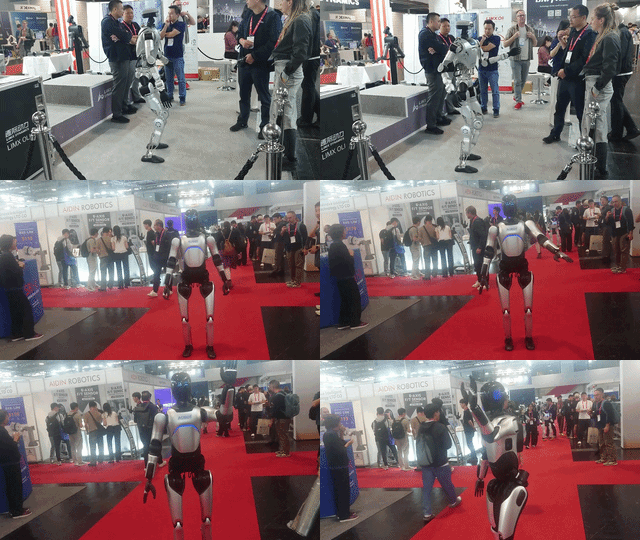
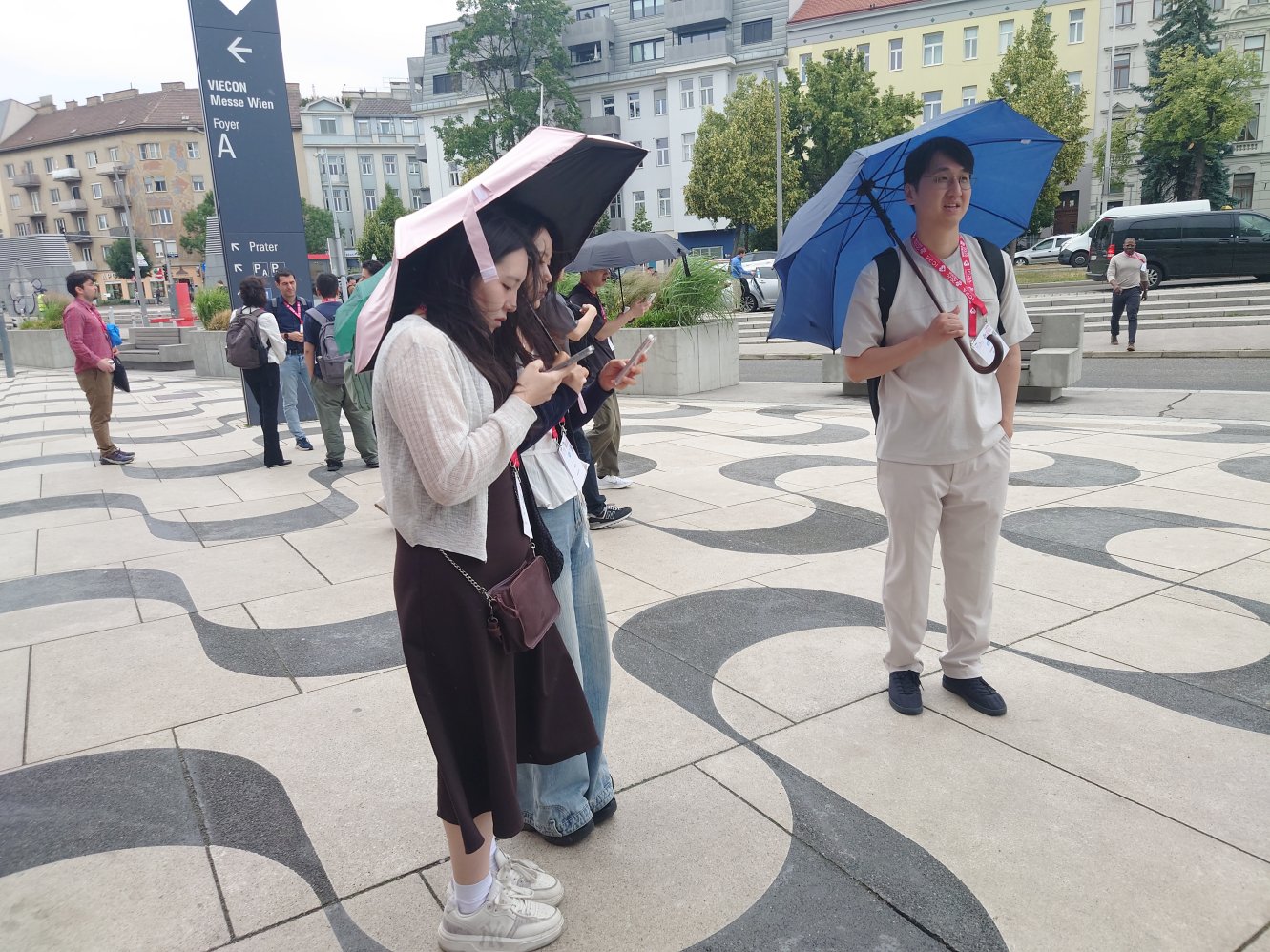
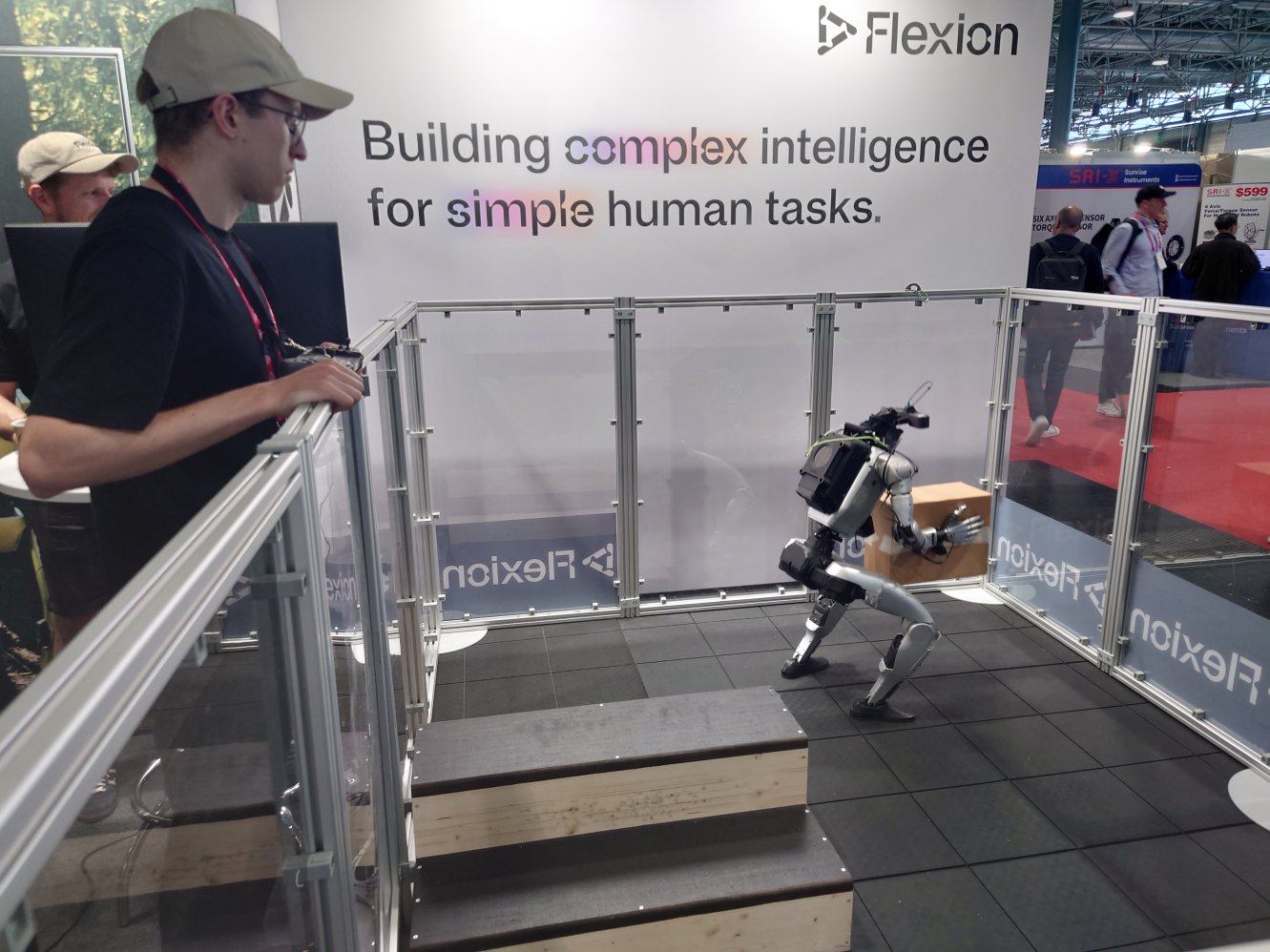
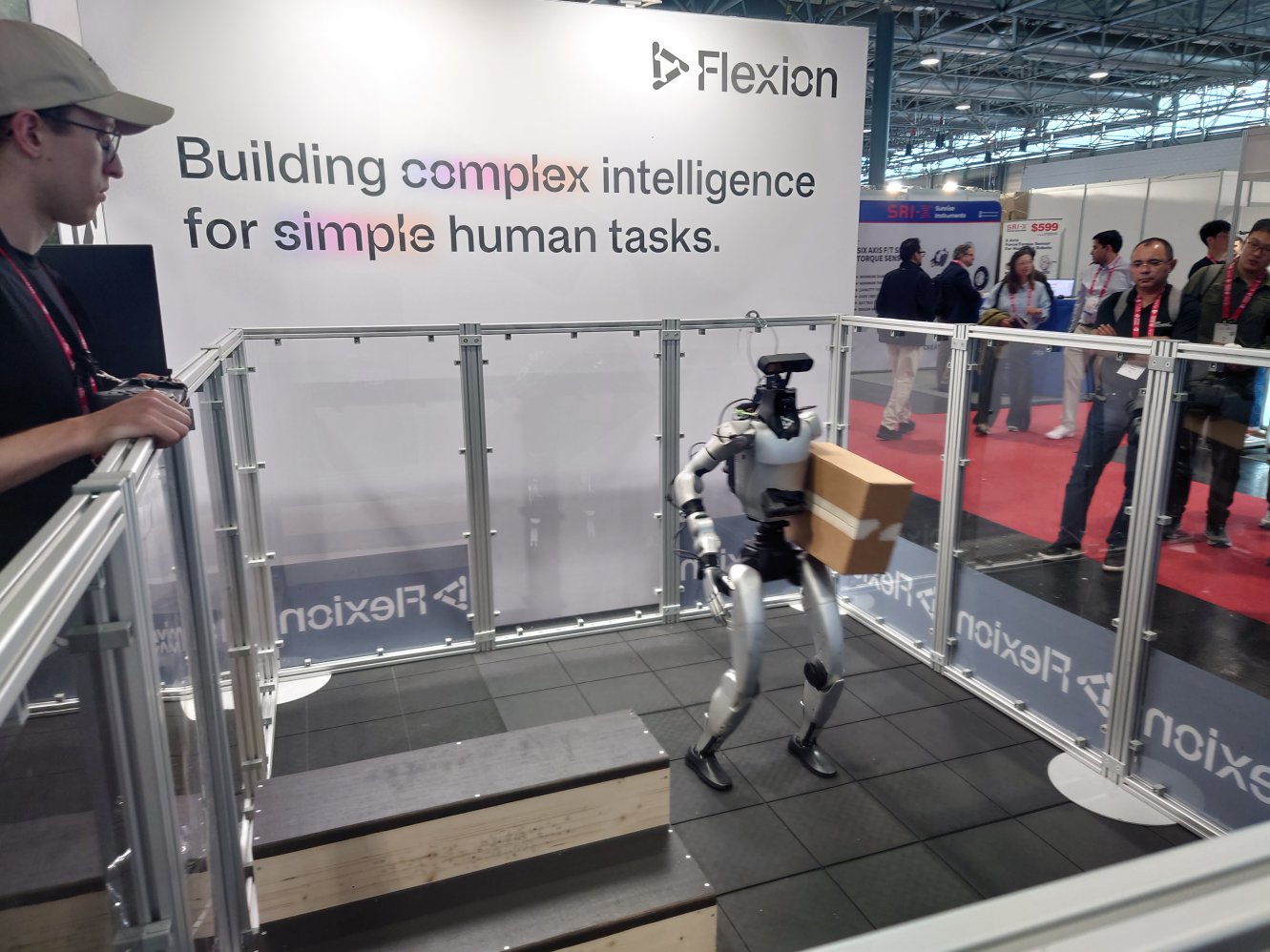
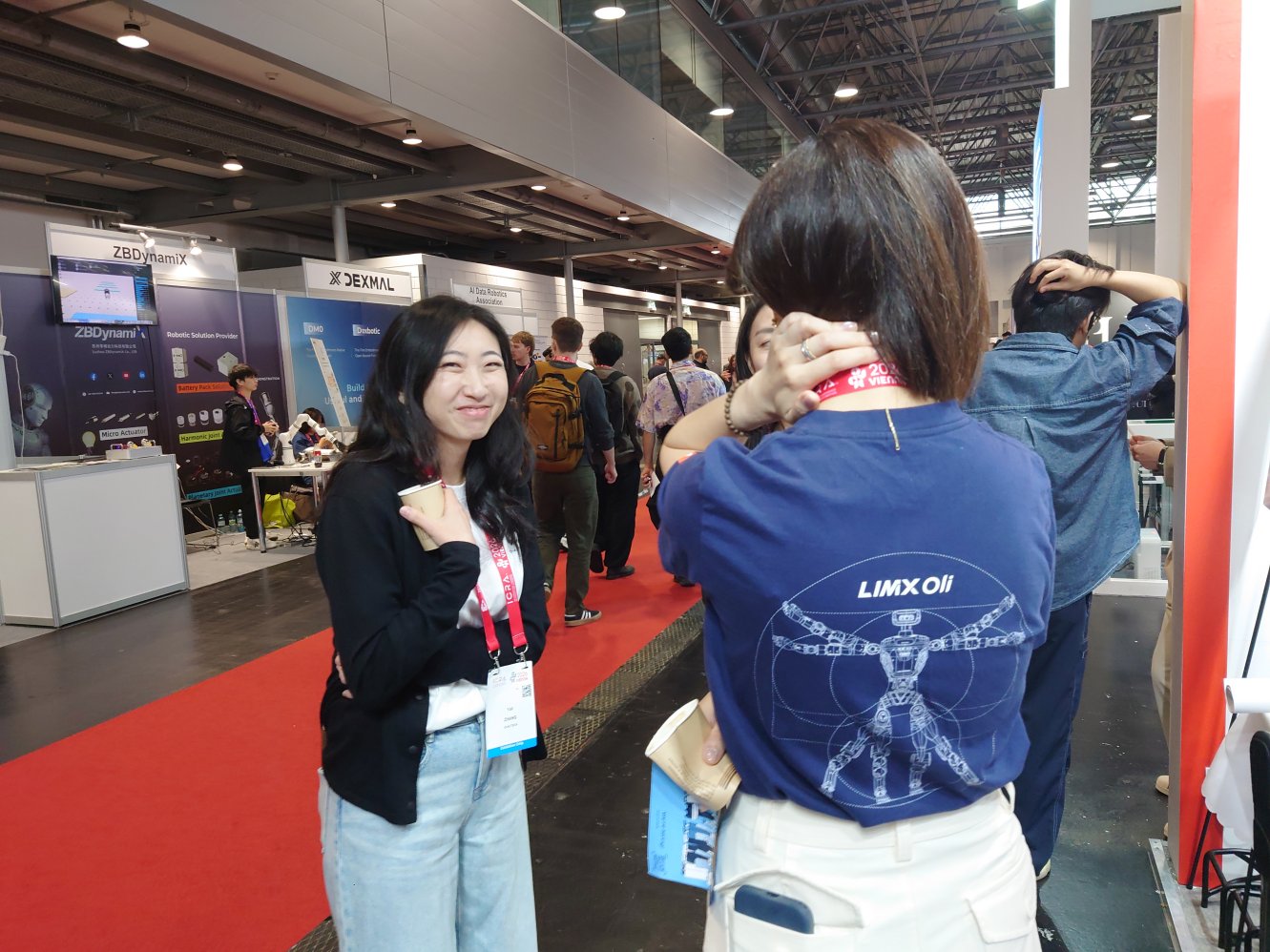
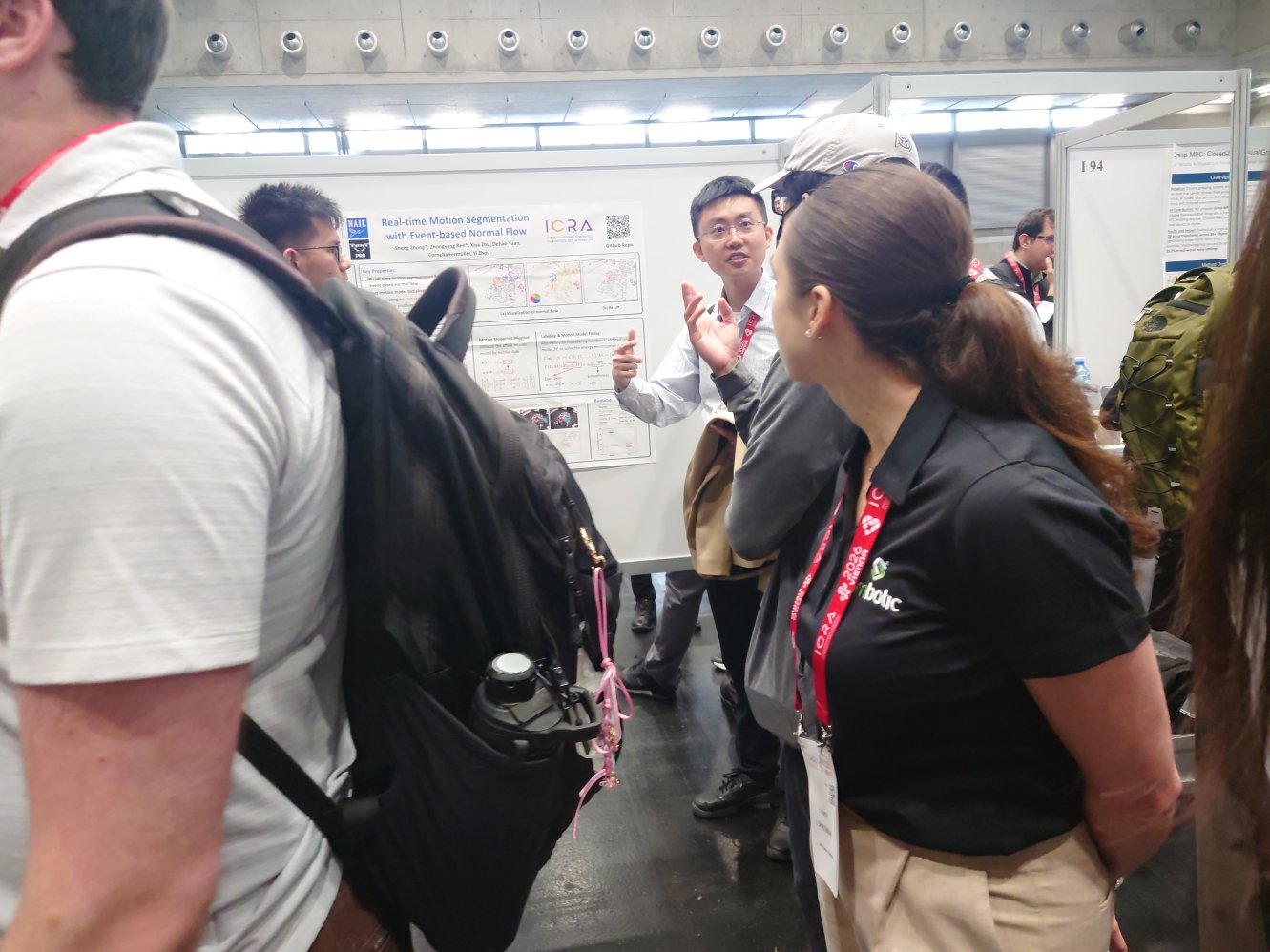
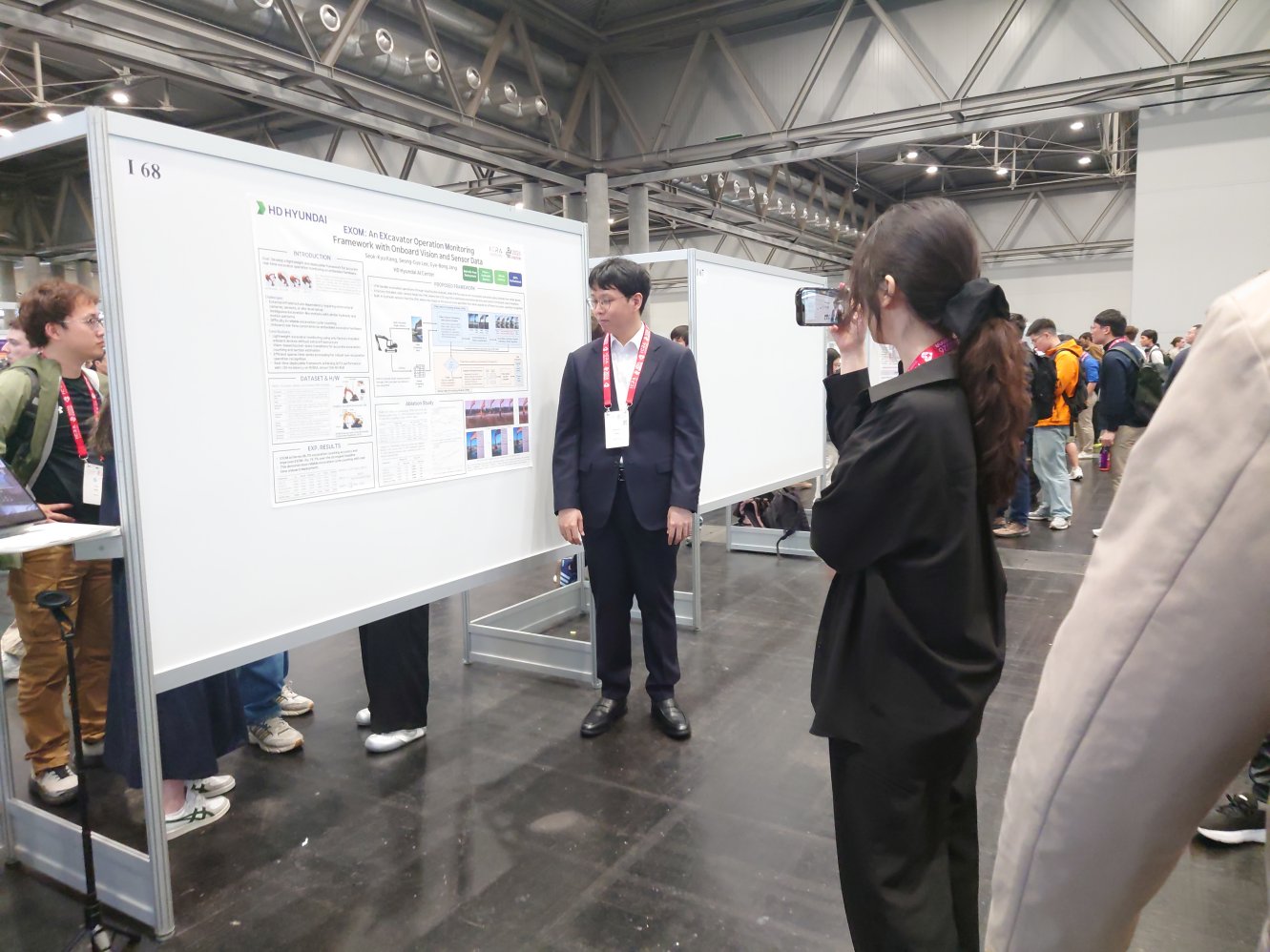
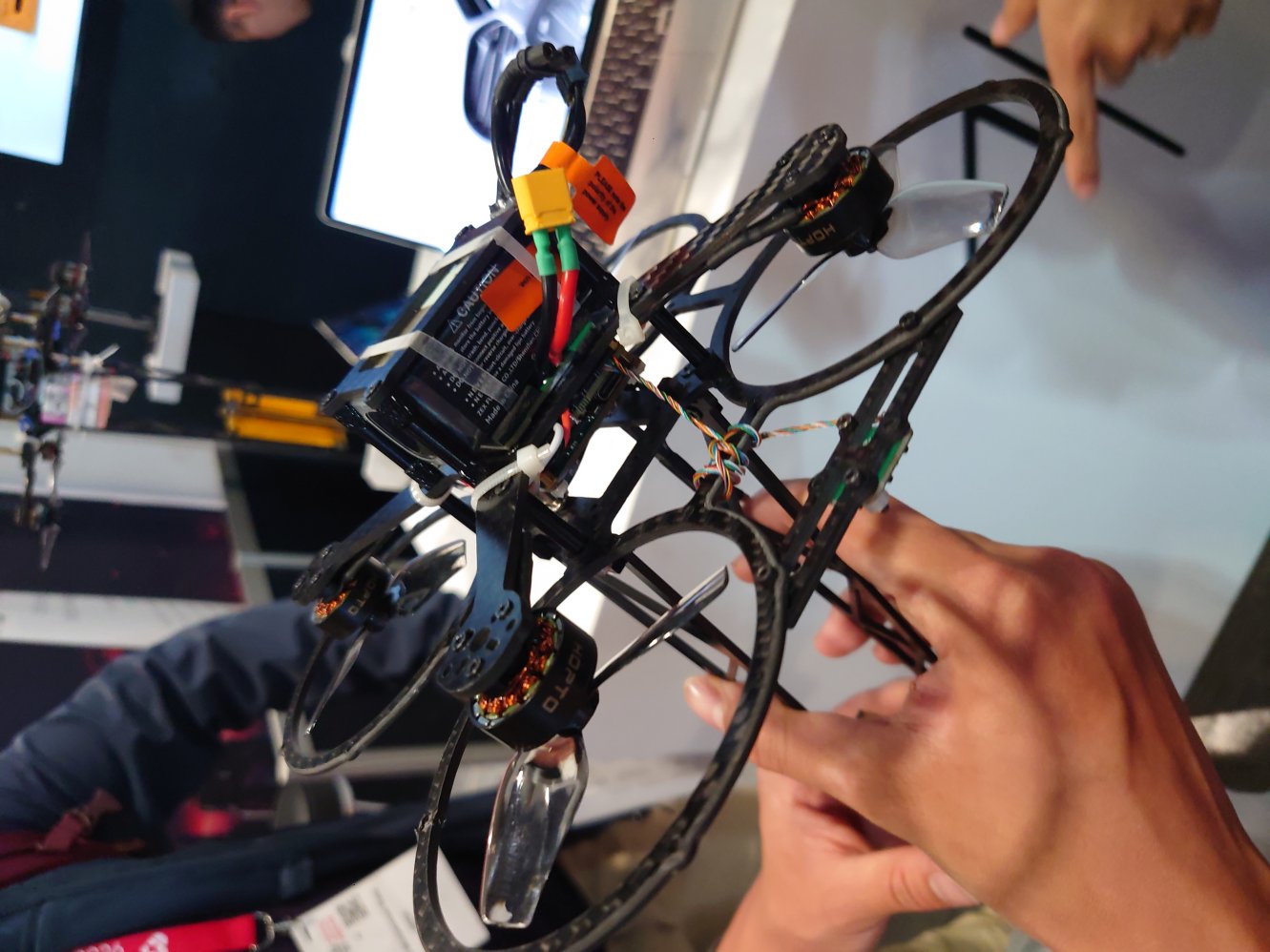
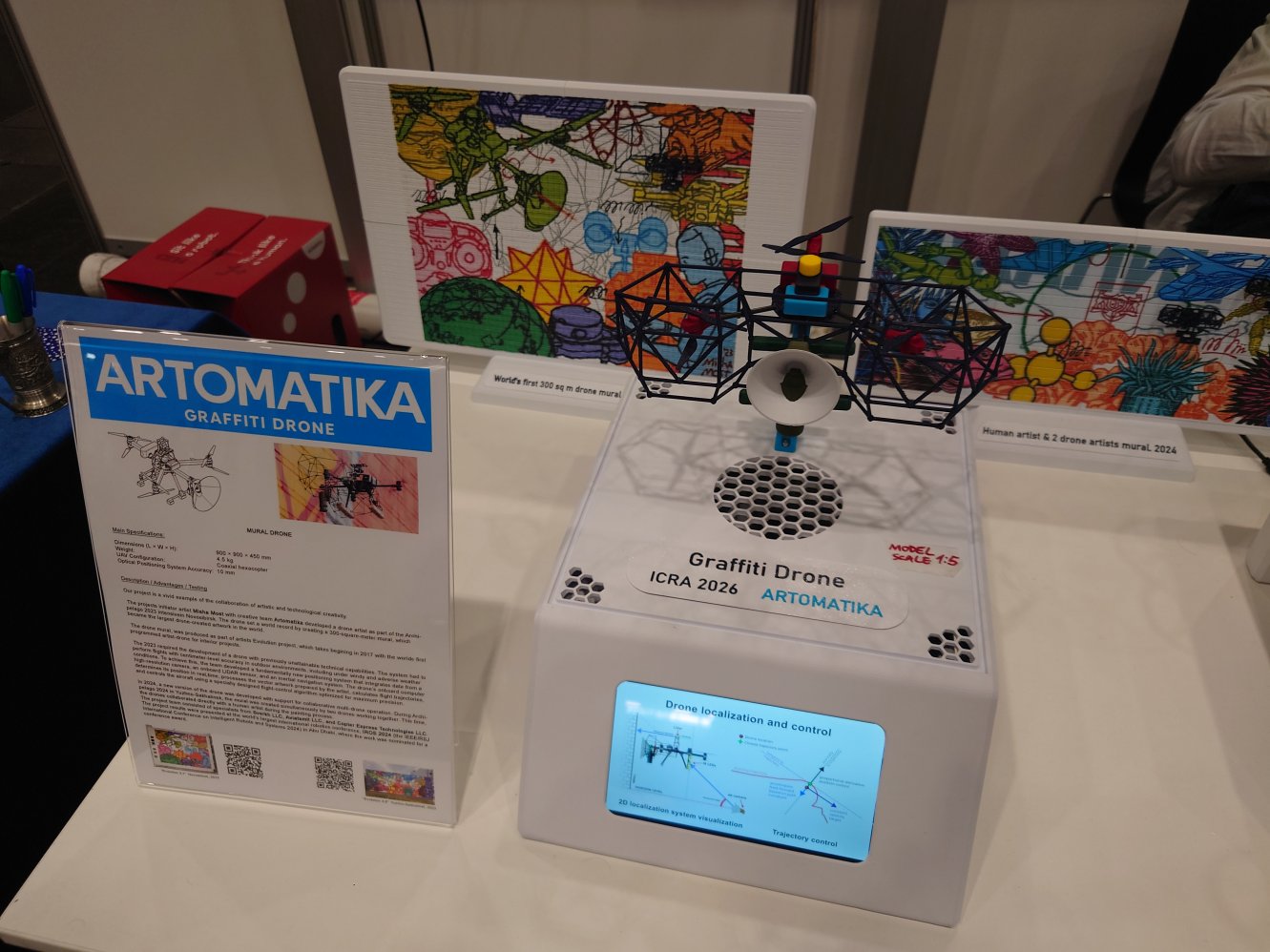
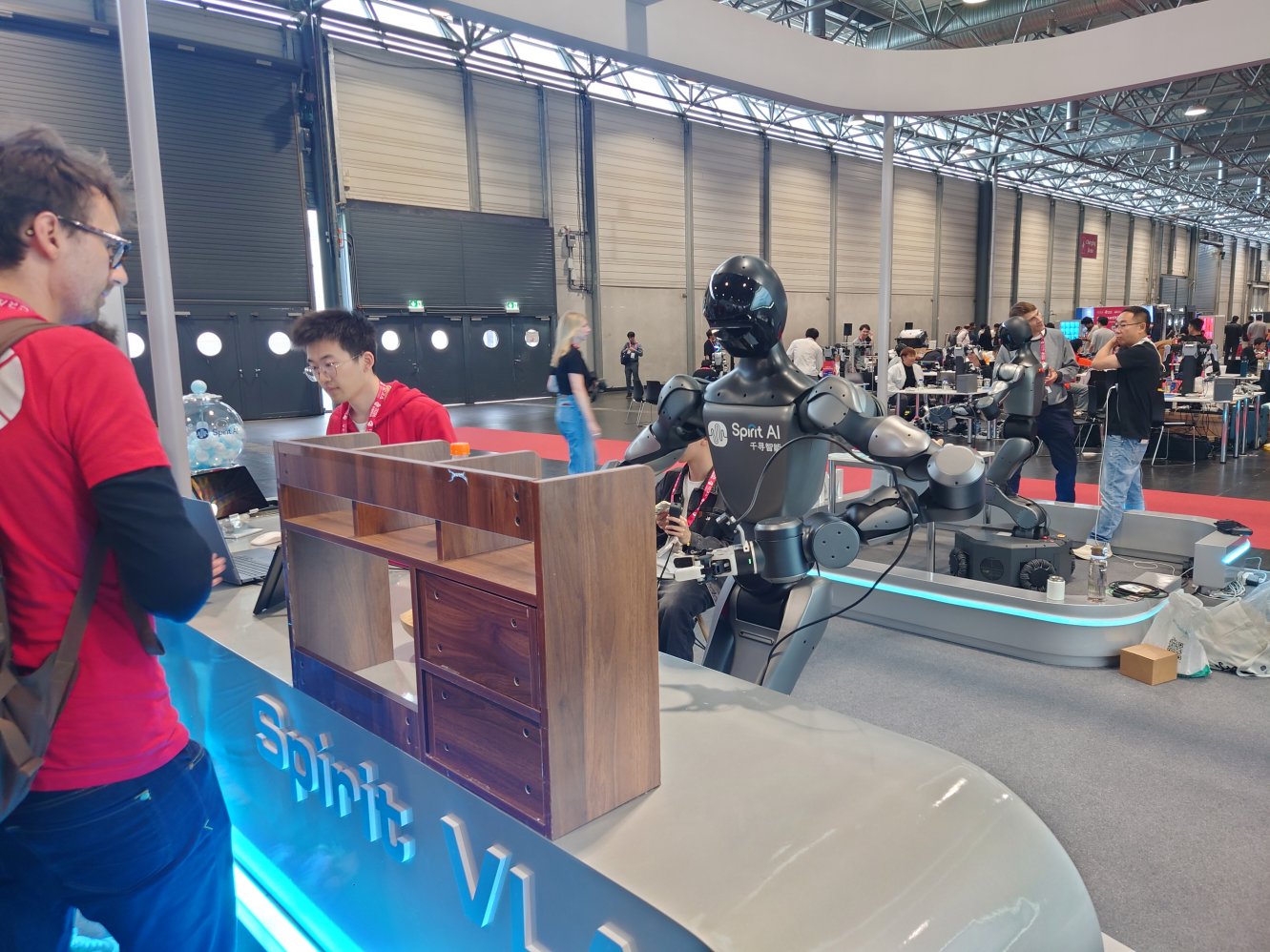
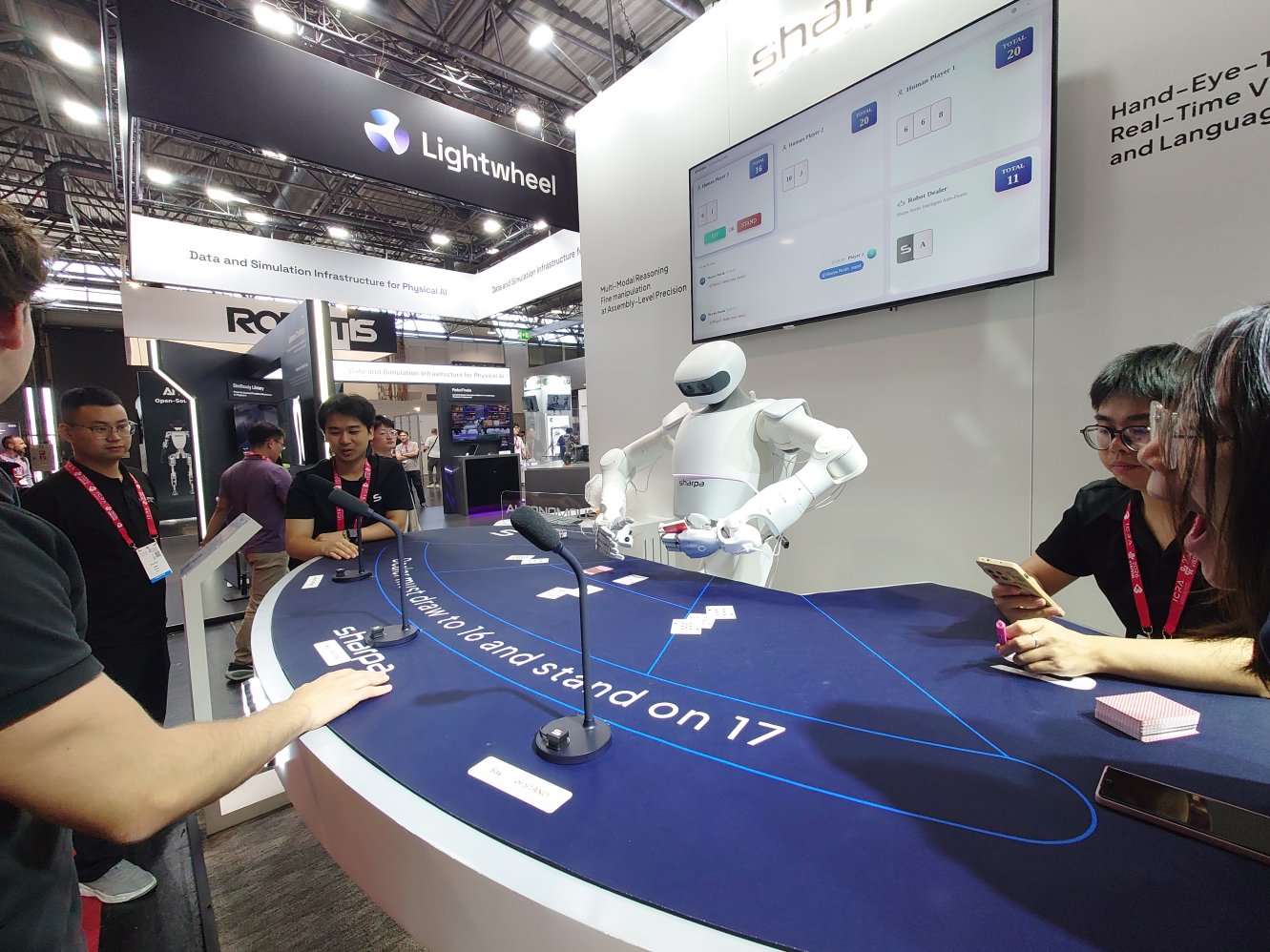
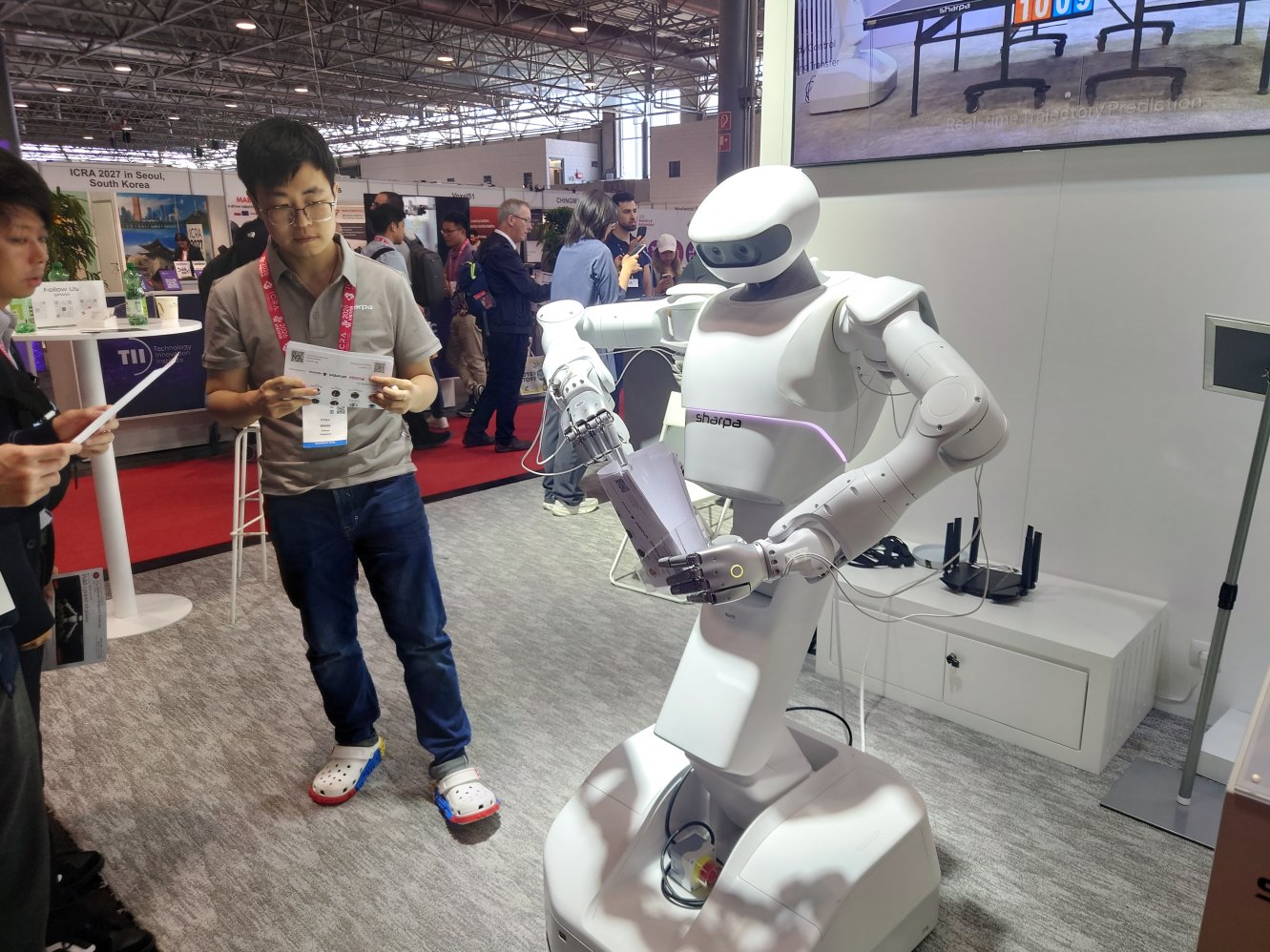
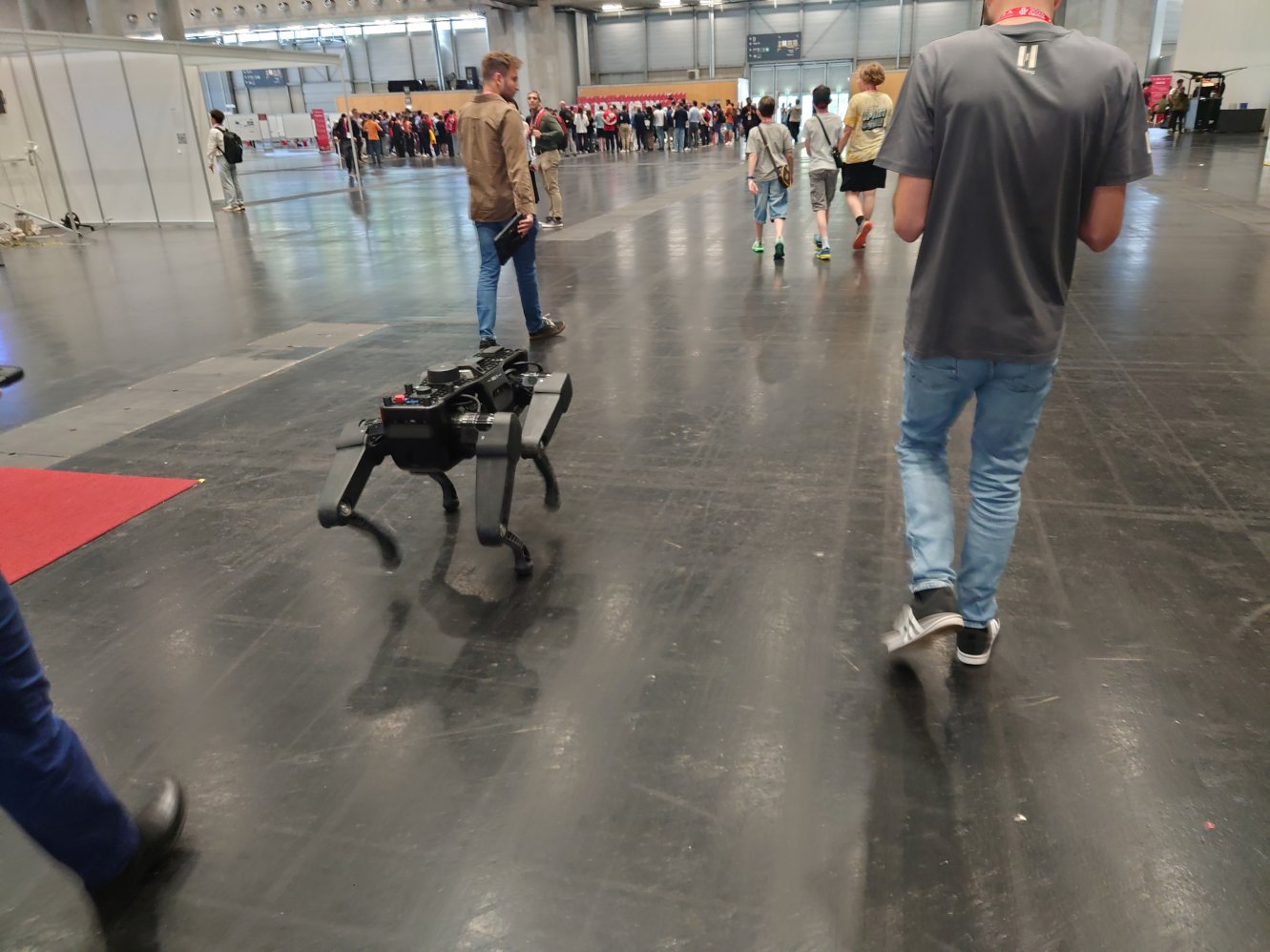
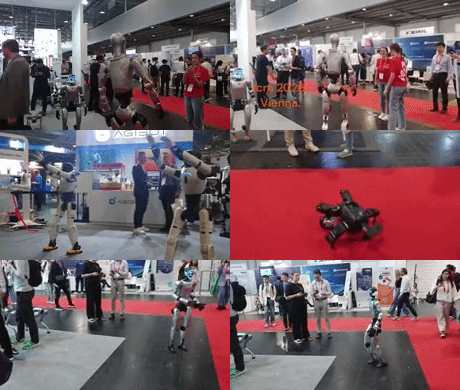
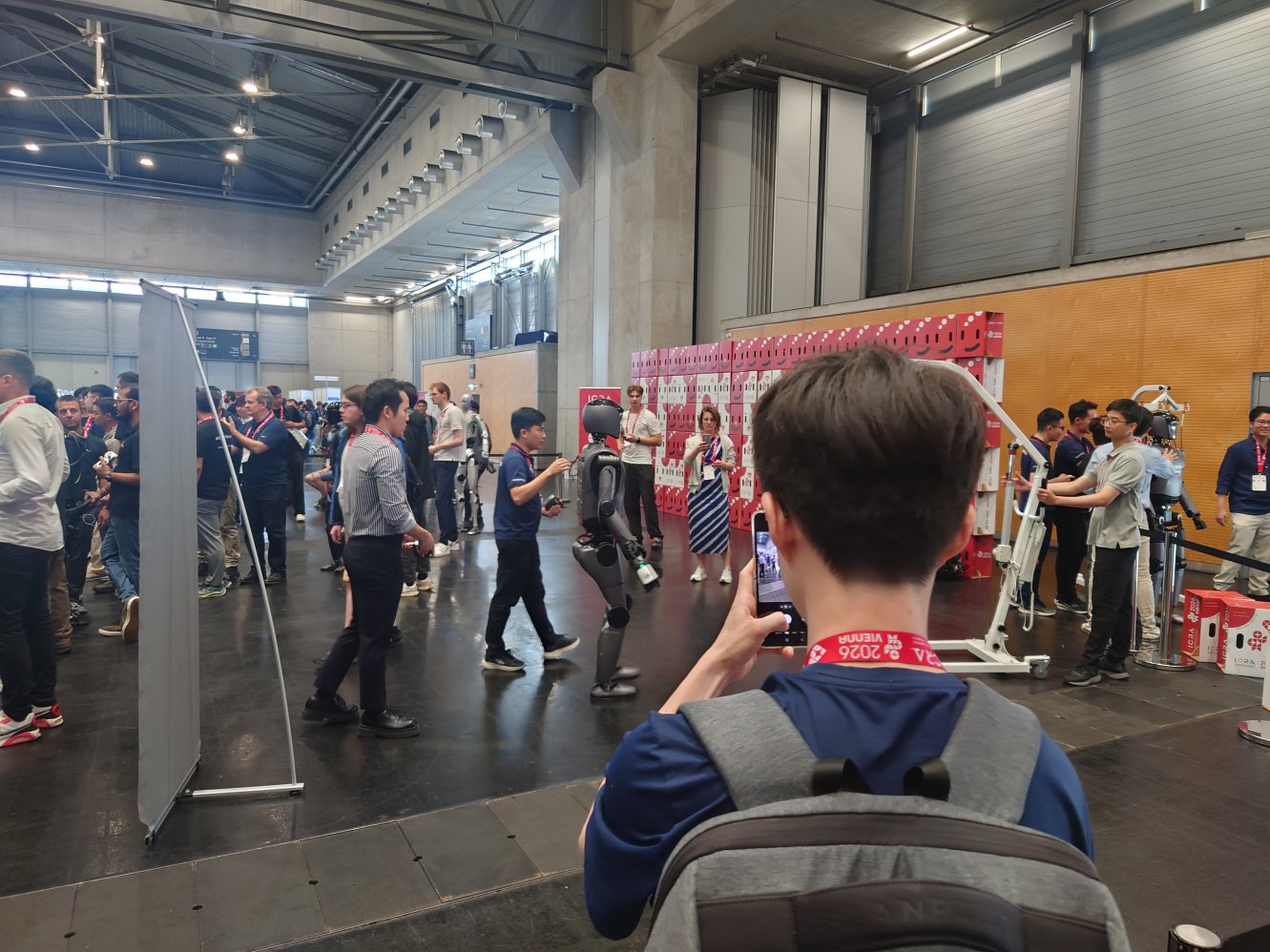
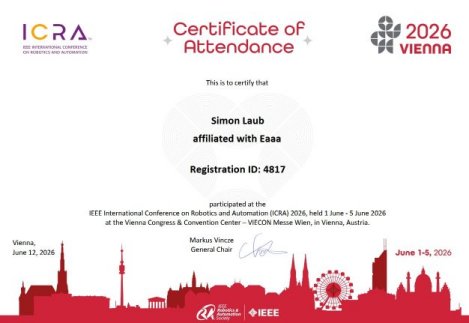
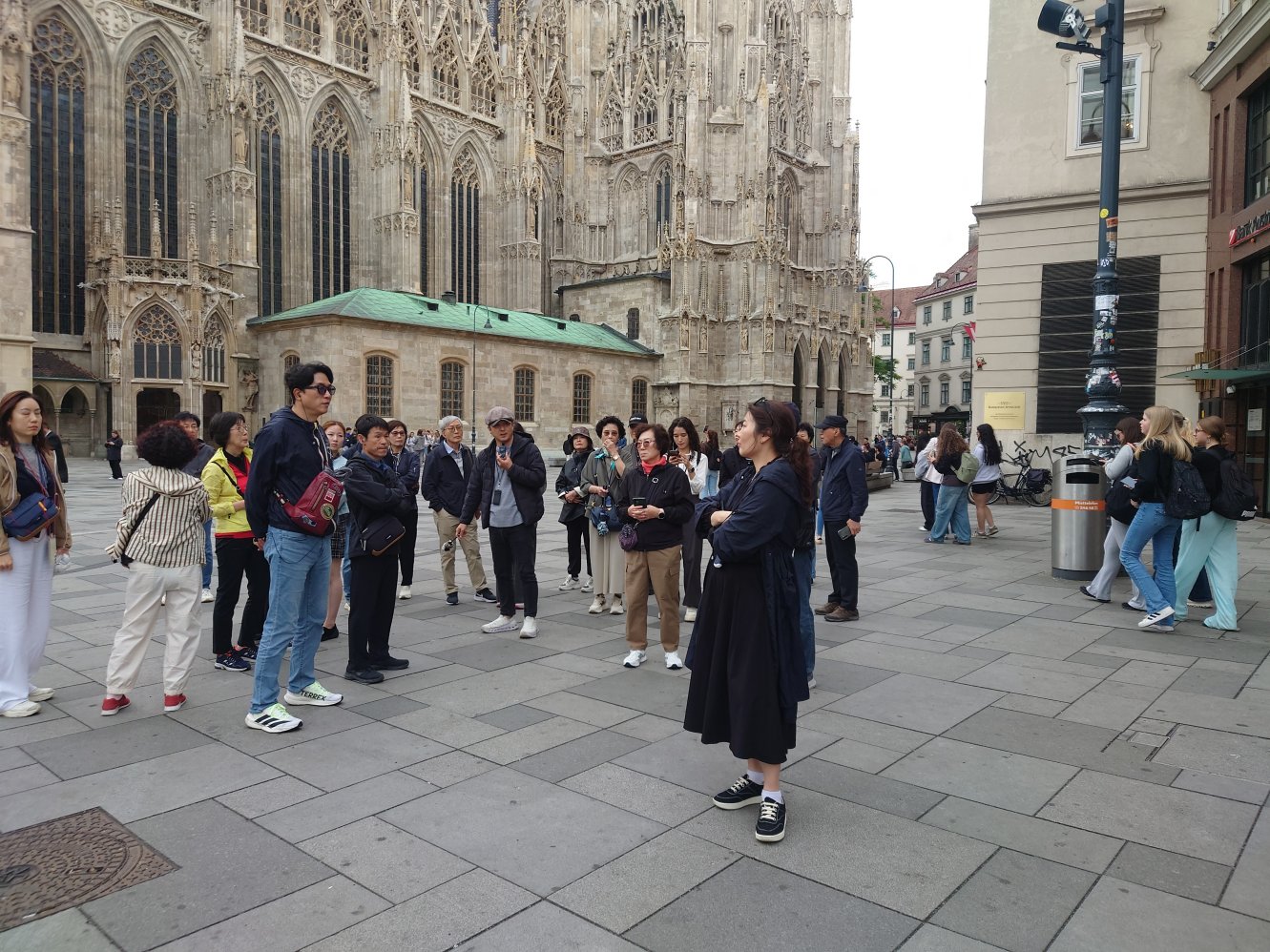
I had the great pleasure of taking part in Icra 2026 (The Premier Conference in Robotics & Automation).
June 2-4, 2026.
Tried to follow as much as possible, But, well, these notes are, of course, in
no way, shape or form complete...
Rather, these notes were written on conference nights, as my way of
keeping track of the events of the day. And as a way of storing links and references for future reference.
Below you will find impressions from the conference, and links for further reading.
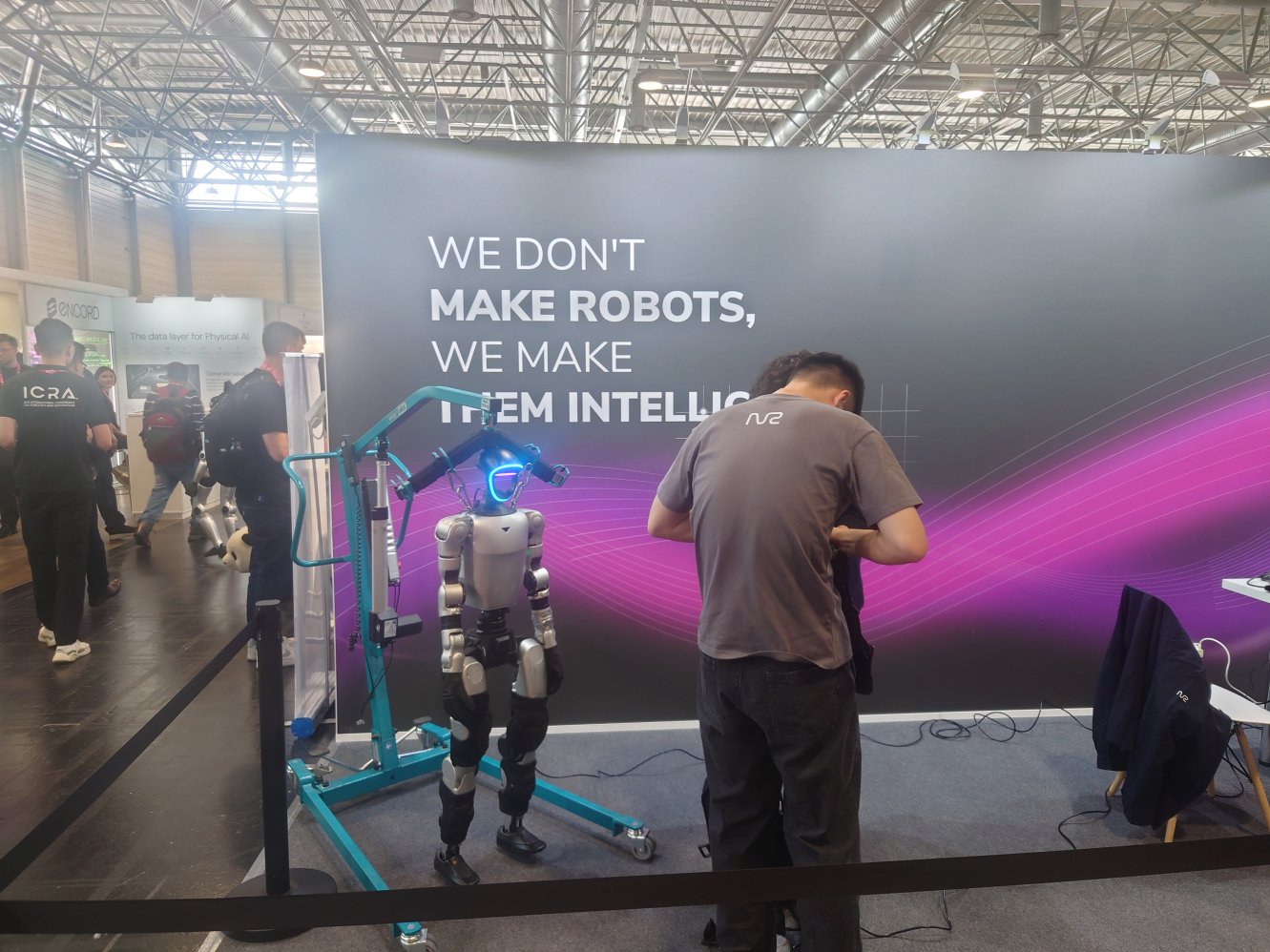
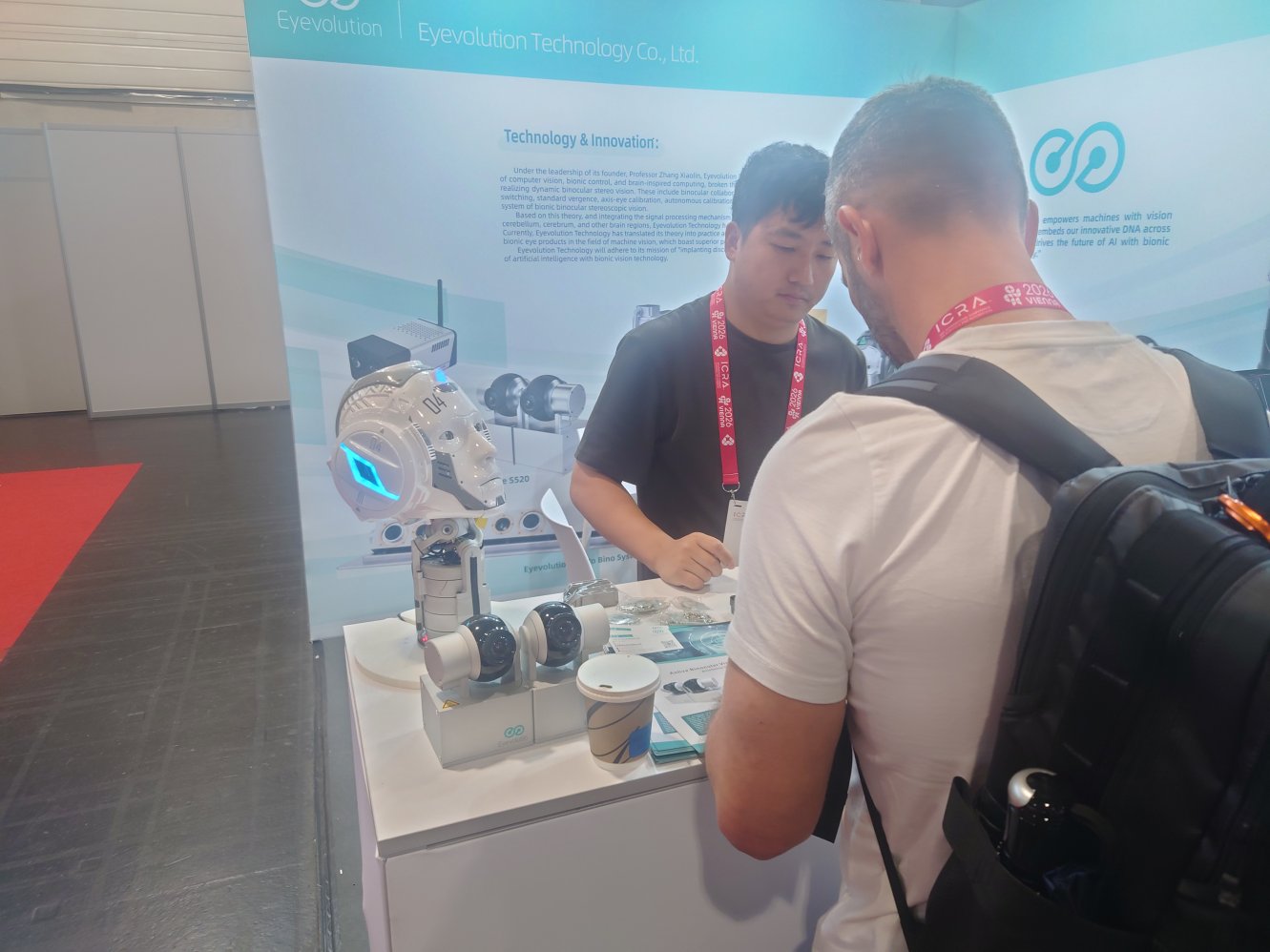
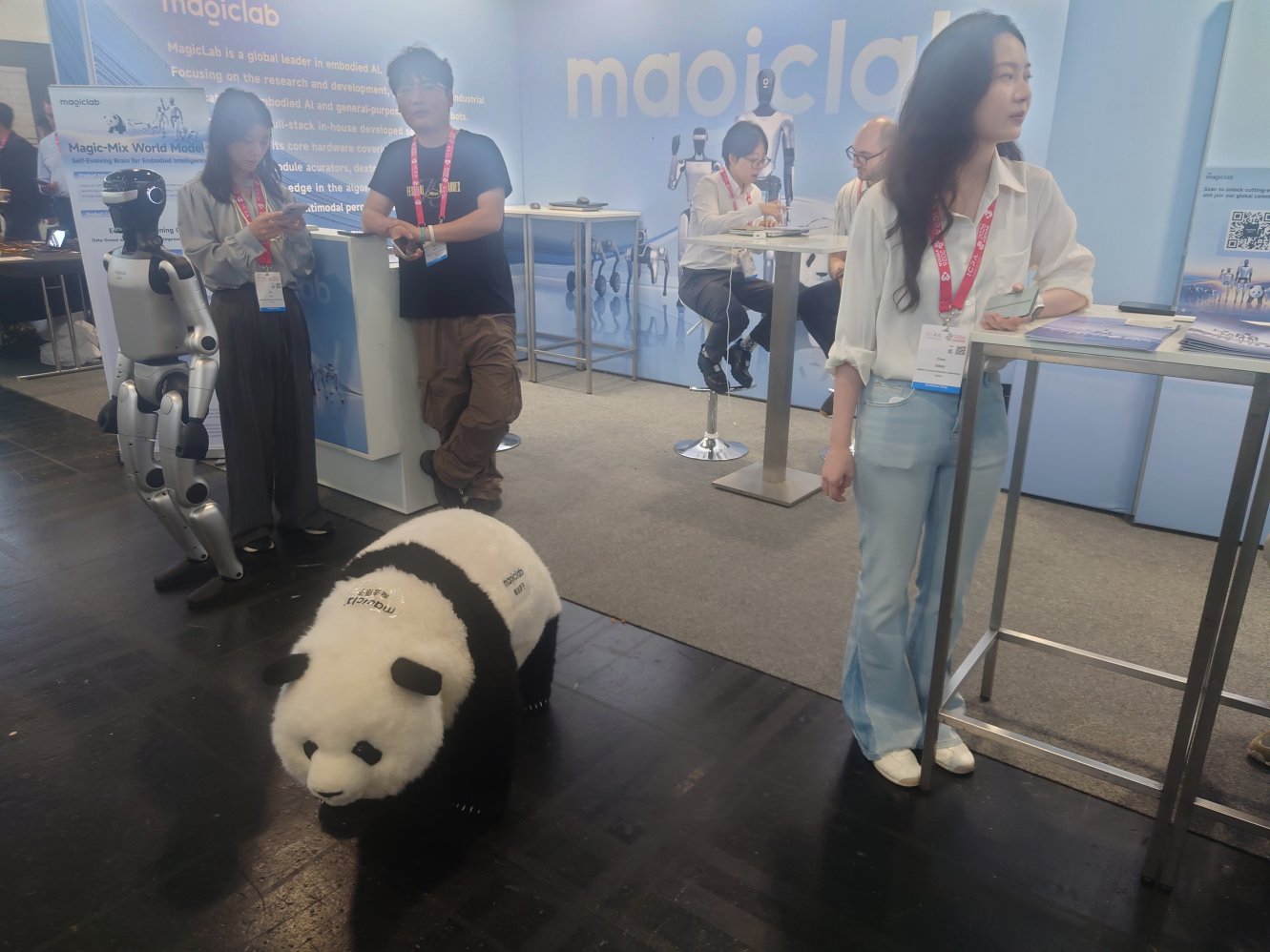
Icra 2026. Exhibition, talks, tutorials and competitions.
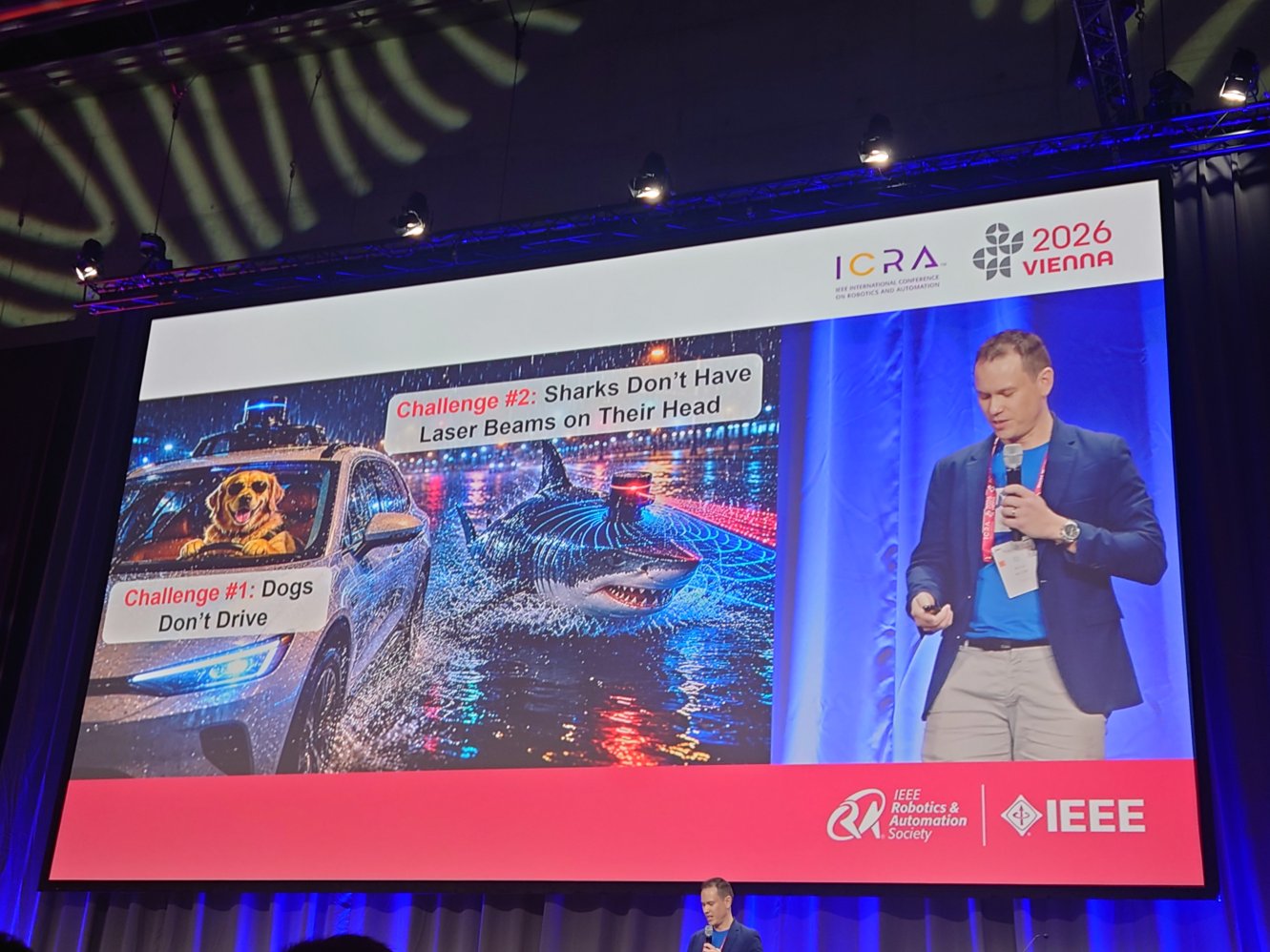
(Some of the) Keynotes Tuesday, Wednesday and Thursday.
June 2-4, 2026.
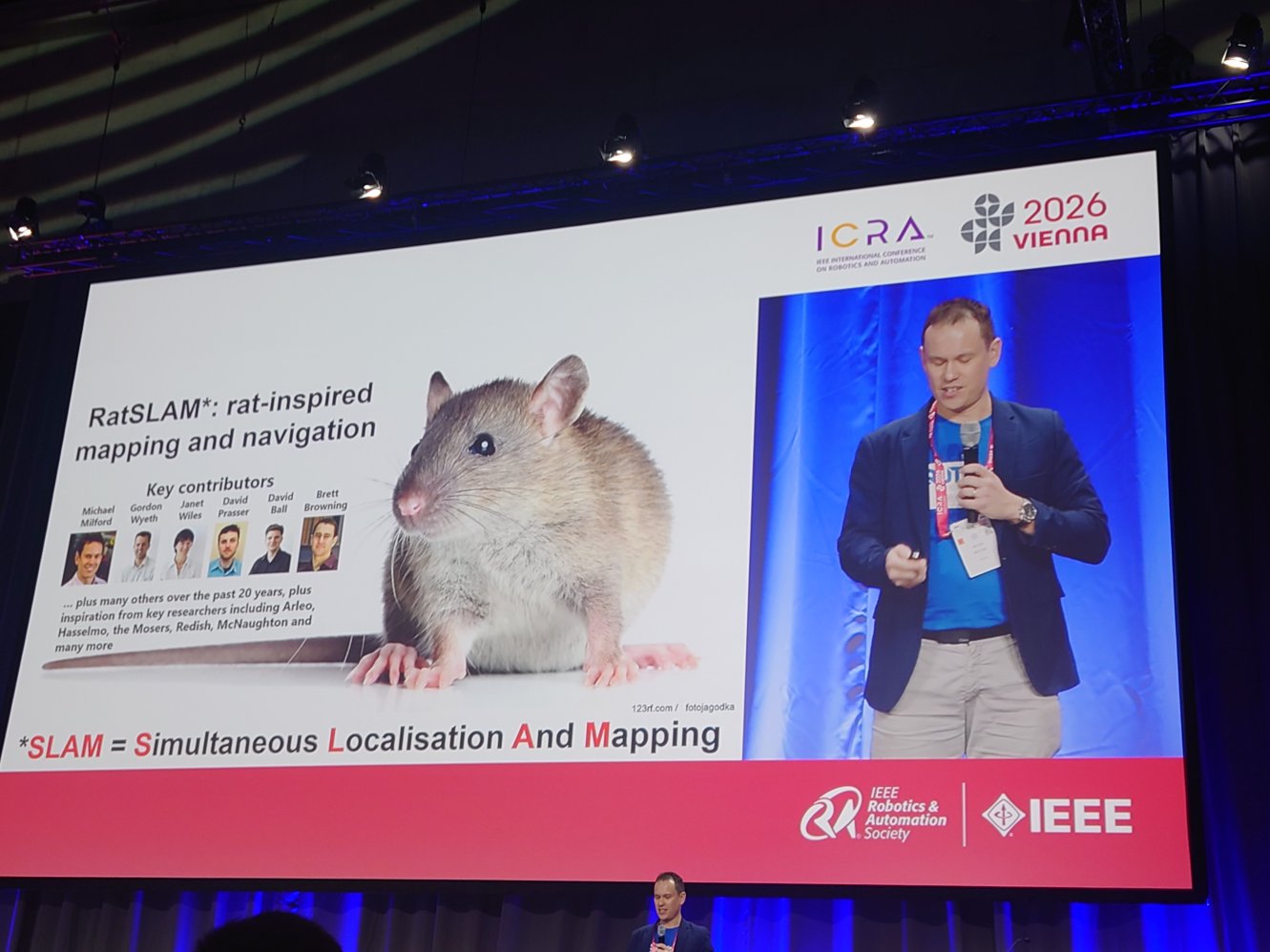
RatSLAM is a robot navigation and SLAM system based on computational models for the hippocampus. See: Open RatSlam, Michael Milford.
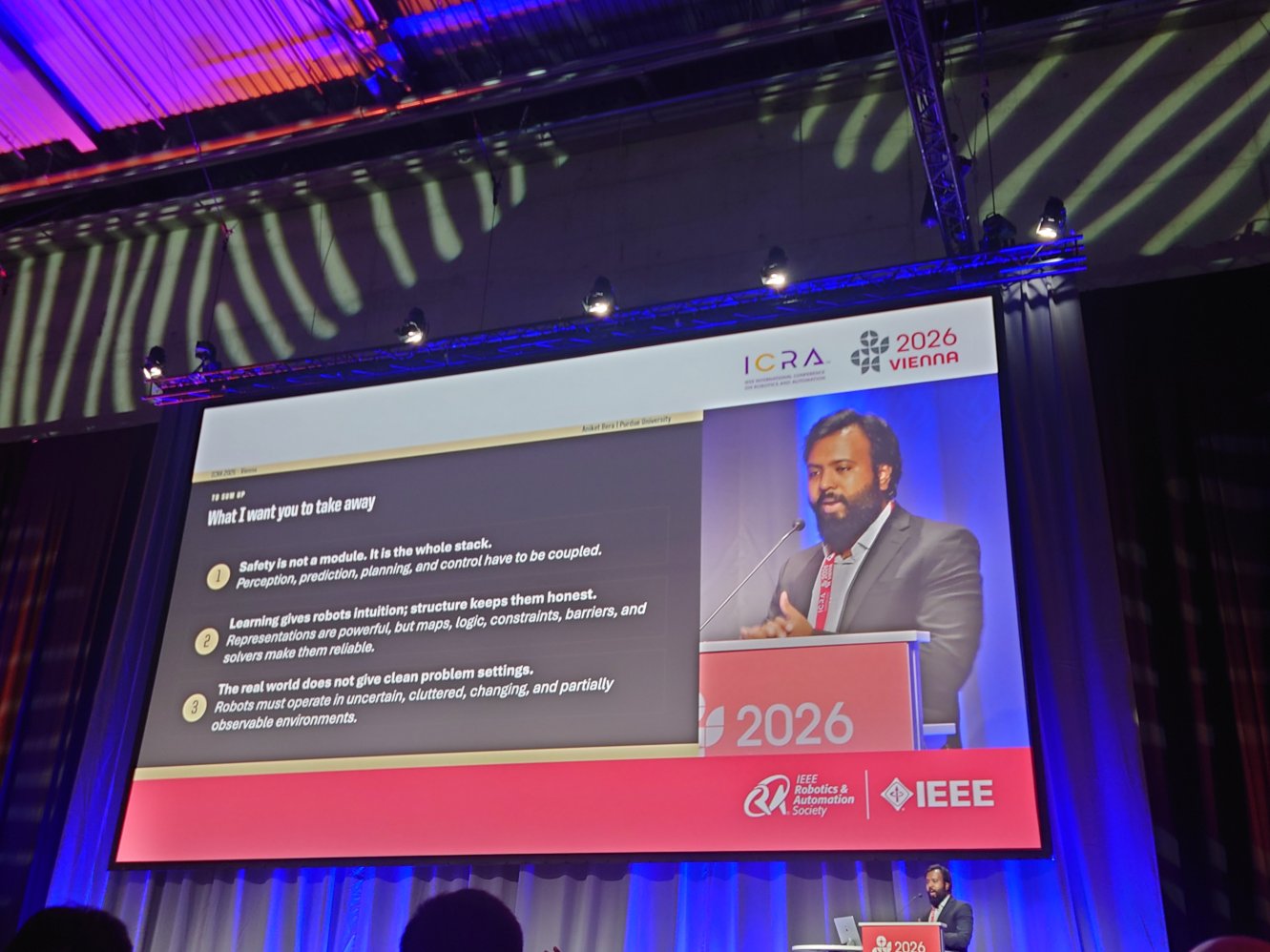
Aniket Bera directs the interdisciplinary IDEAS Lab. Intelligent Design for Exploration and Augmented Systems, a robotics‐first group that studies how embodied agents plan, perceive, and collaborate safely with people: ''Safety is not a module, it is the whole stack''.
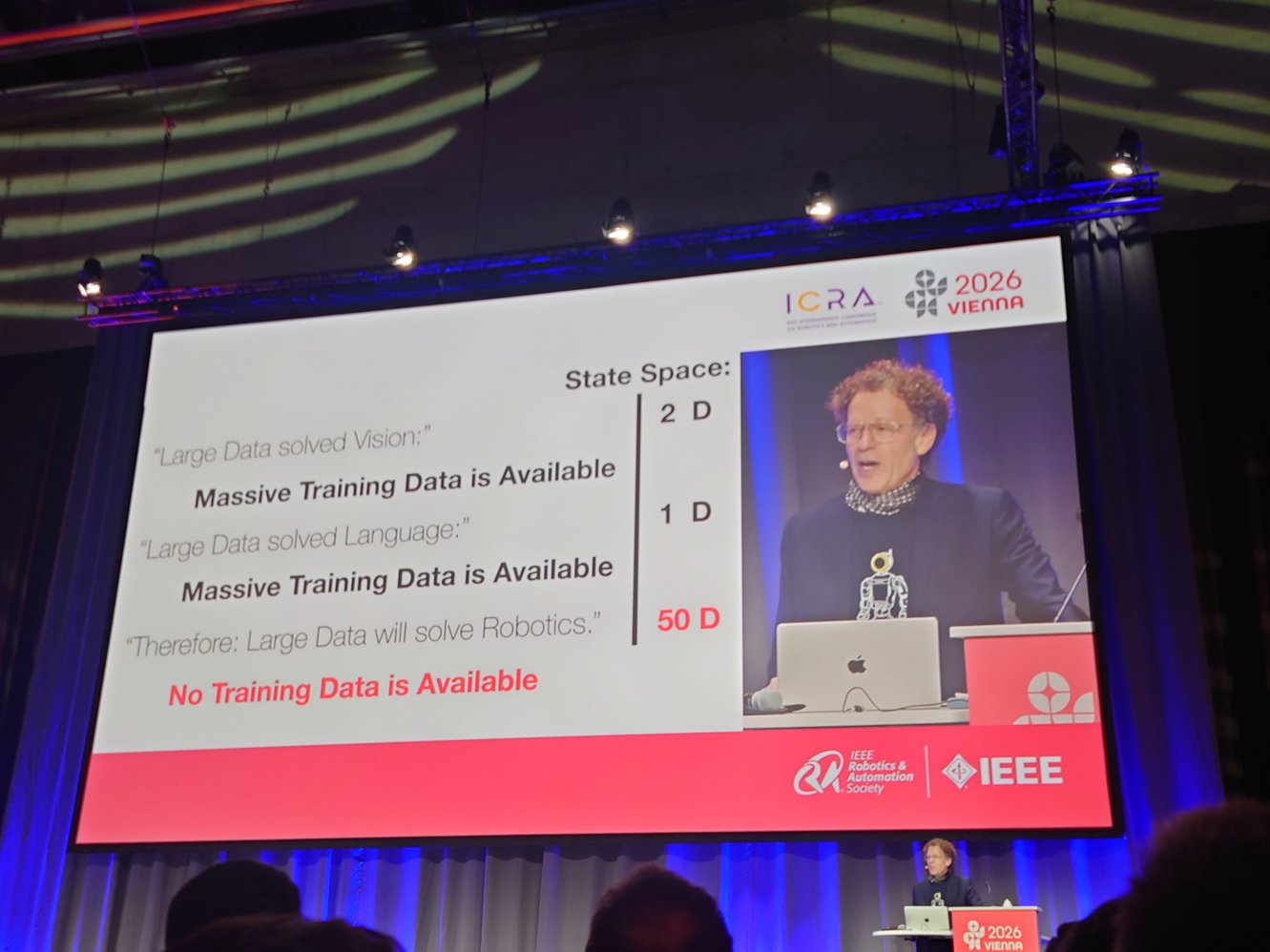
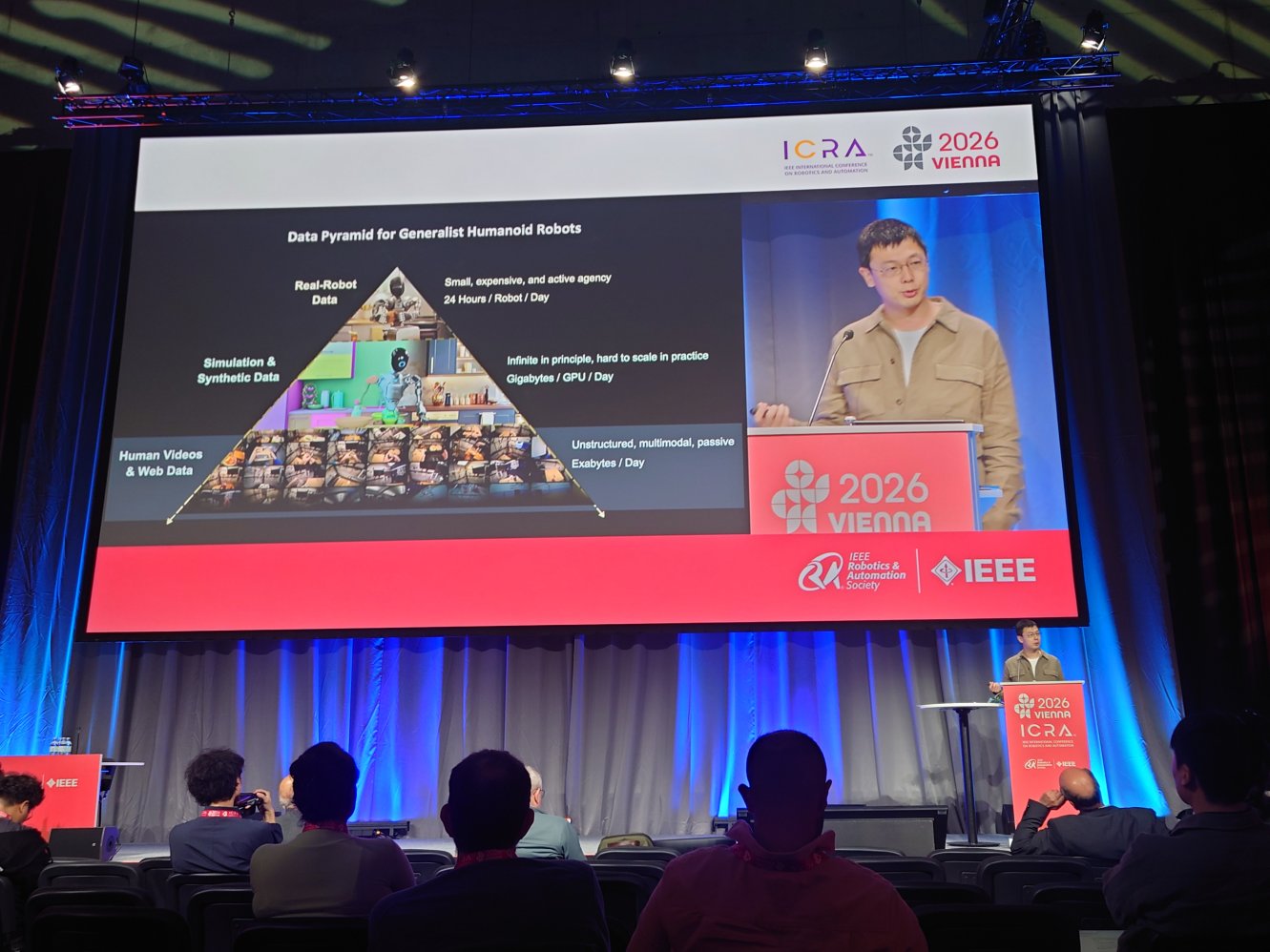
Ken Goldberg, Berkeley: ''Not enough robot training data''.
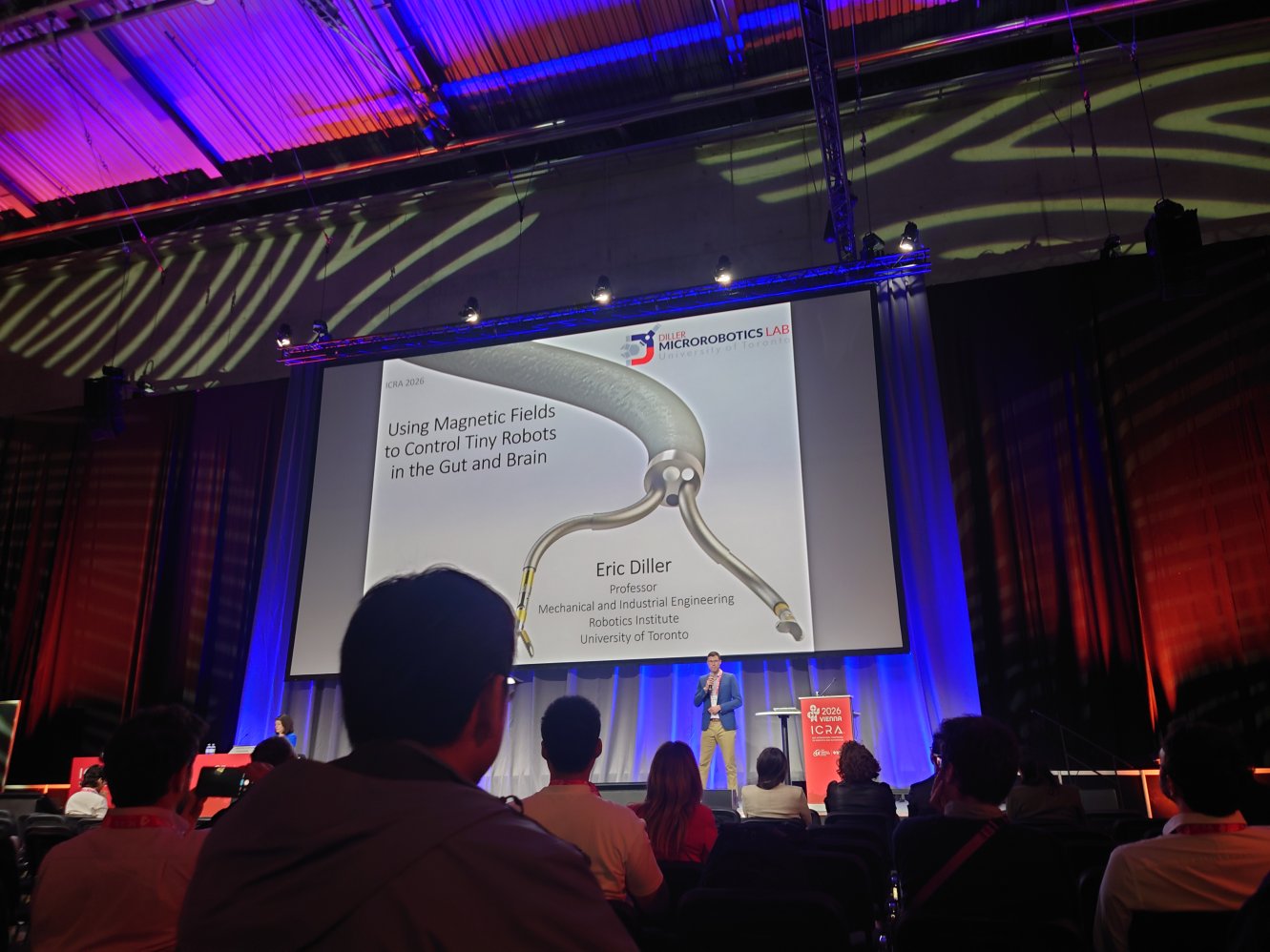
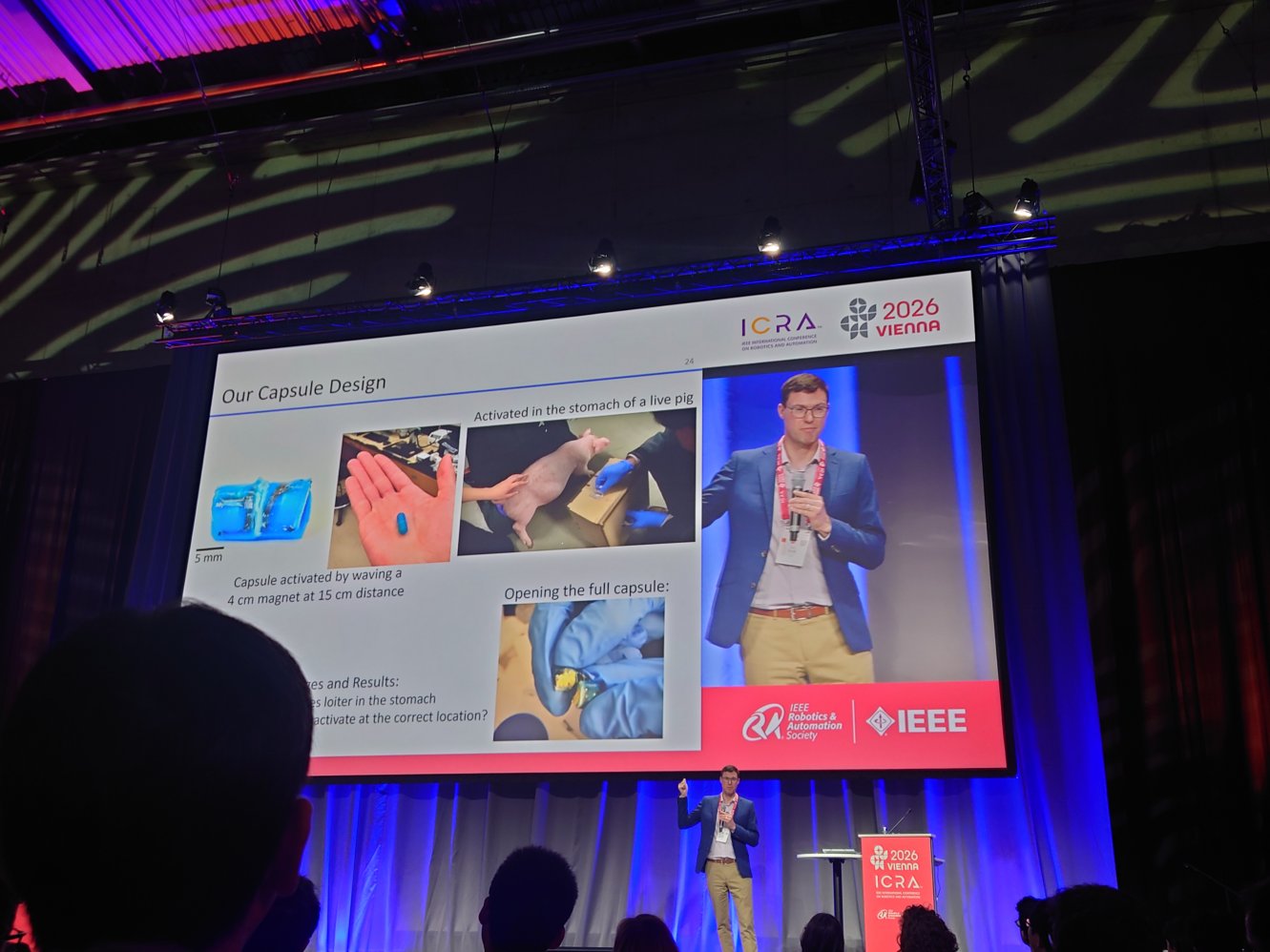
Eric Diller: Millimeter-scale robots can enter small spaces in the body in a versatile and non-invasive manner, and promise medical applications in surgery, sensing, and intervention.
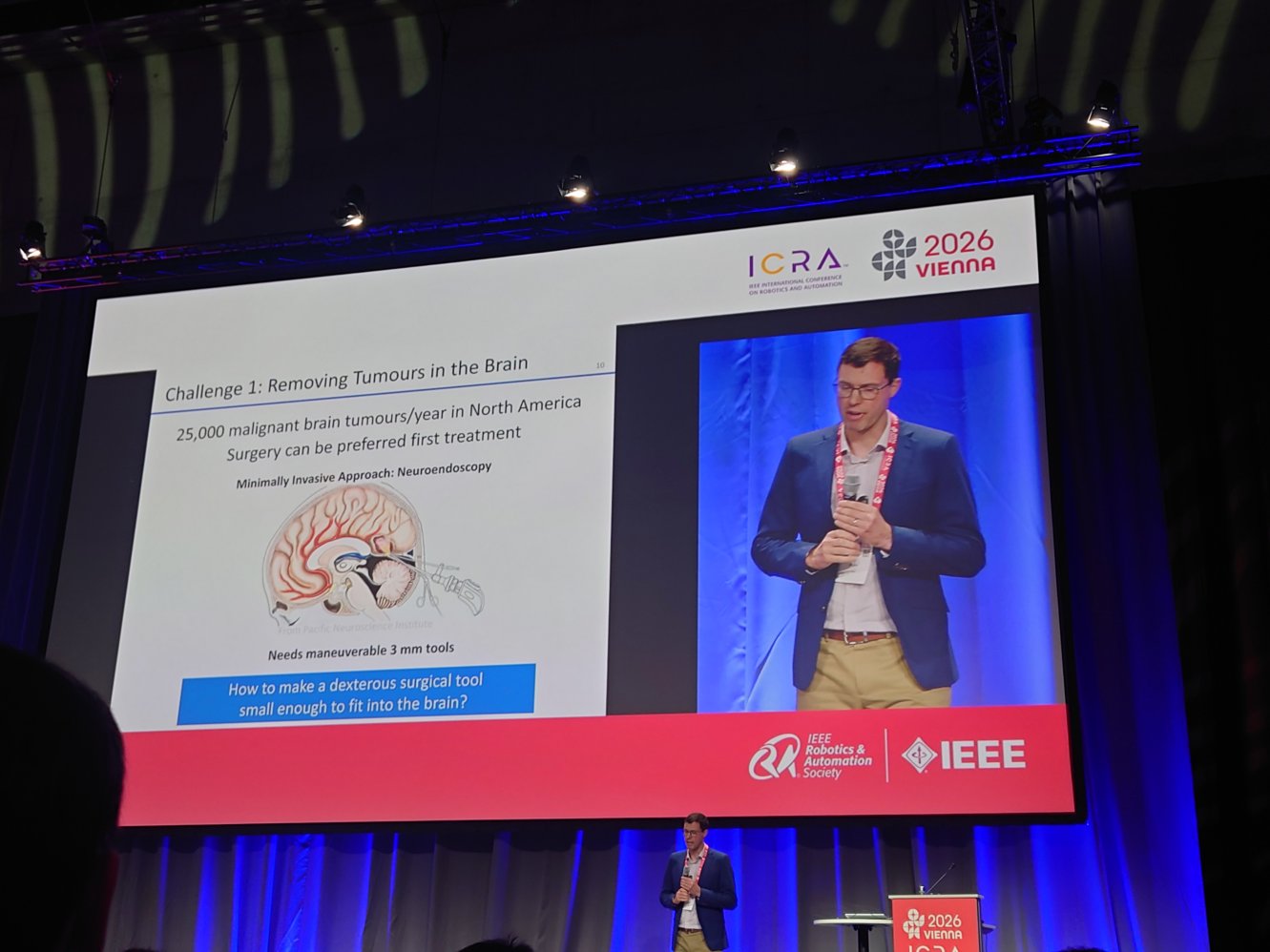
Diller has miniaturized surgical tools. That is, ''he is using tiny robots which can be wirelessly controlled and moved and enable a new approach to non-invasive medical procedures (Here inside the human brain). I.e he shrinks the mechanical and electrical components of robots down to micrometer size and uses magnetic fields and smart materials to make these small mechanisms functional'' [6].
Taking bacteria samples from anywhere inside the intestine: ''The pill is swallowed by the patient, and the body moves the pill through the gastrointestinal tract. The pill location is tracked using magnetic fields, and at the right position an on-board trap door is opened for sample collection and later analysis'' [6].
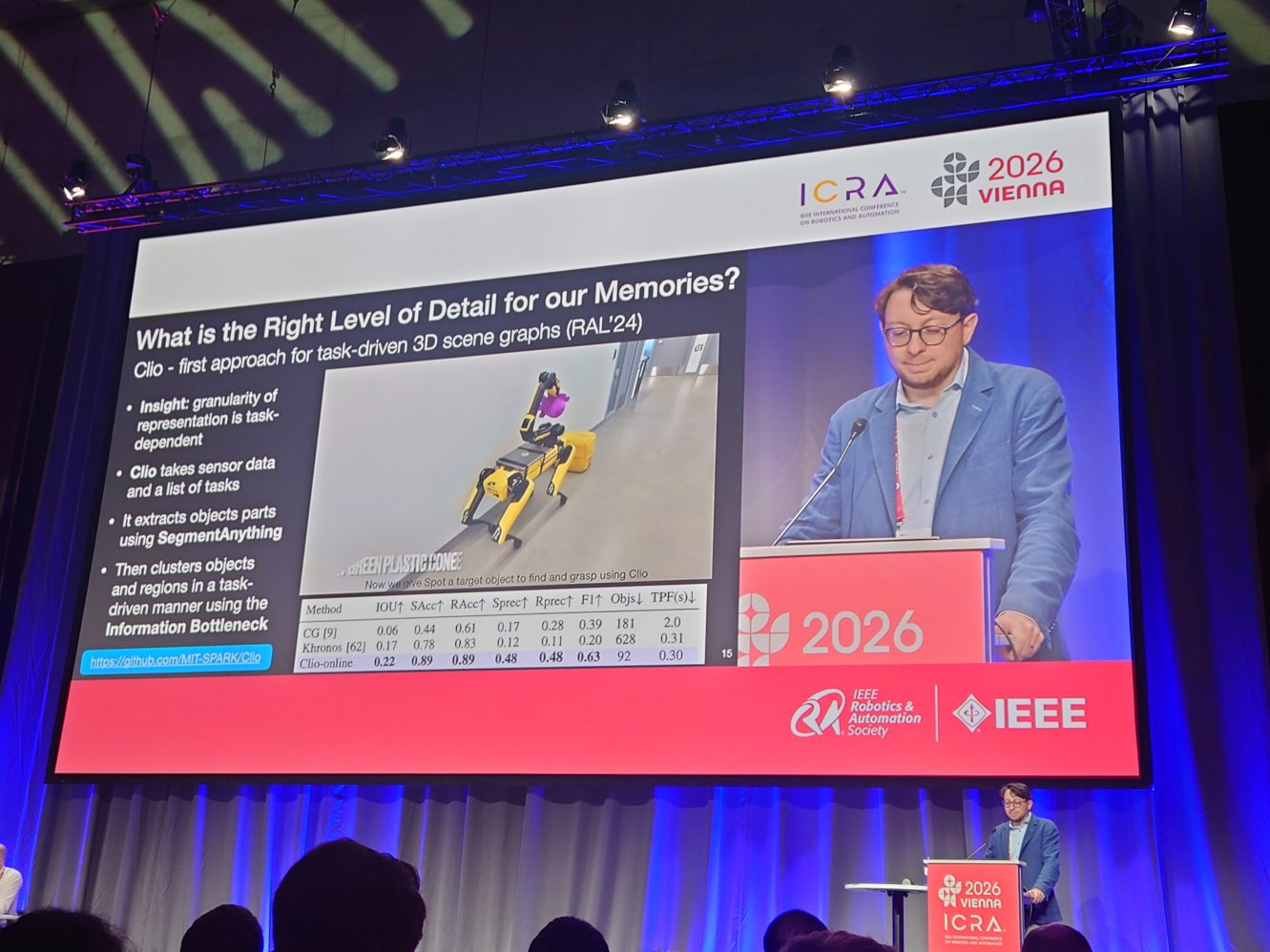
Luca Carlone talked about: Perception and memory must be task-driven. In complex, long-horizon settings, intelligence depends not on storing everything, but on attending to what matters... Here (using) ''Geometric foundation models, transformer-based, feedforward approaches to 3D reconstruction, that challenge the dominance of classical SLAM'' [7].
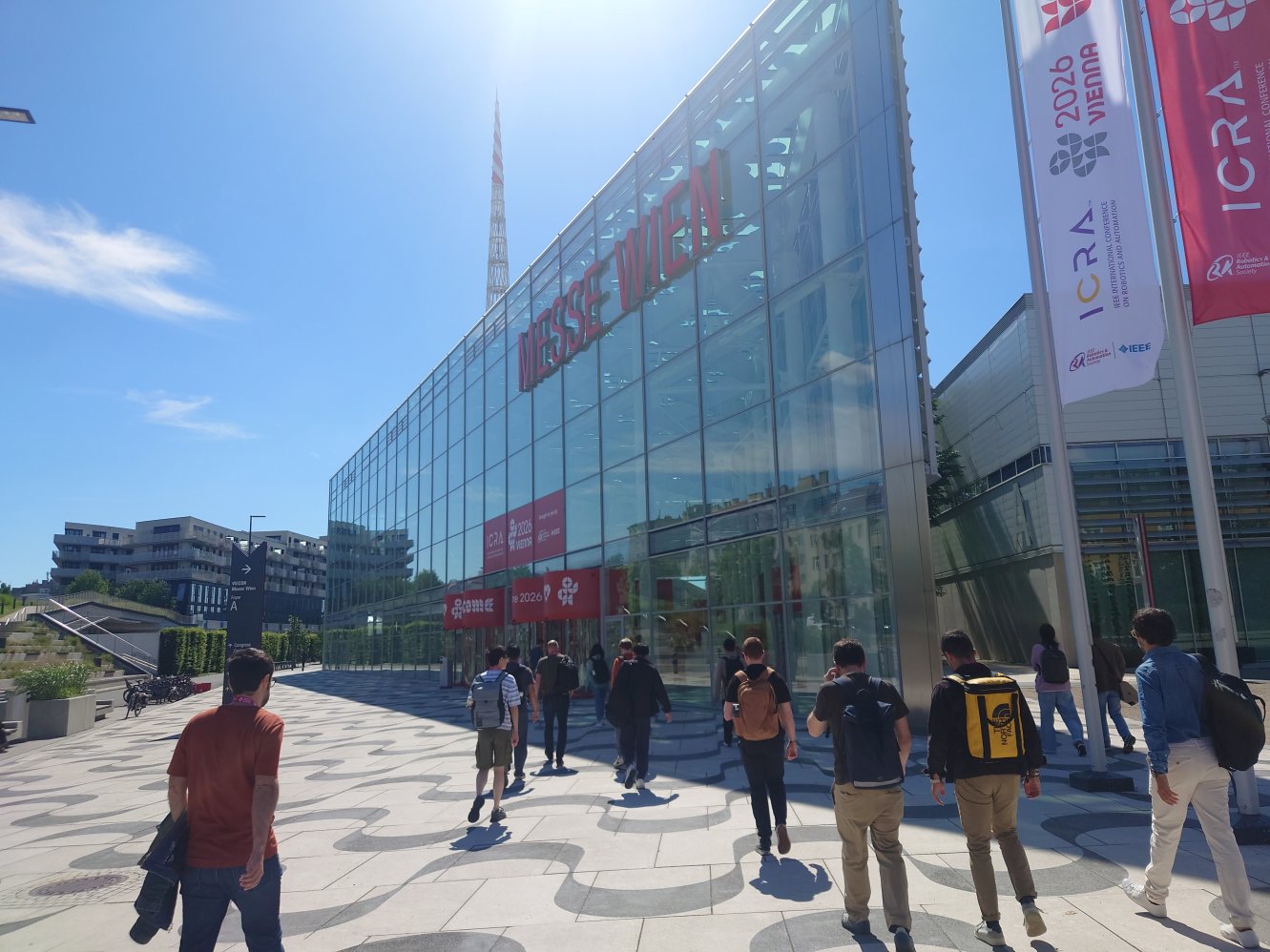
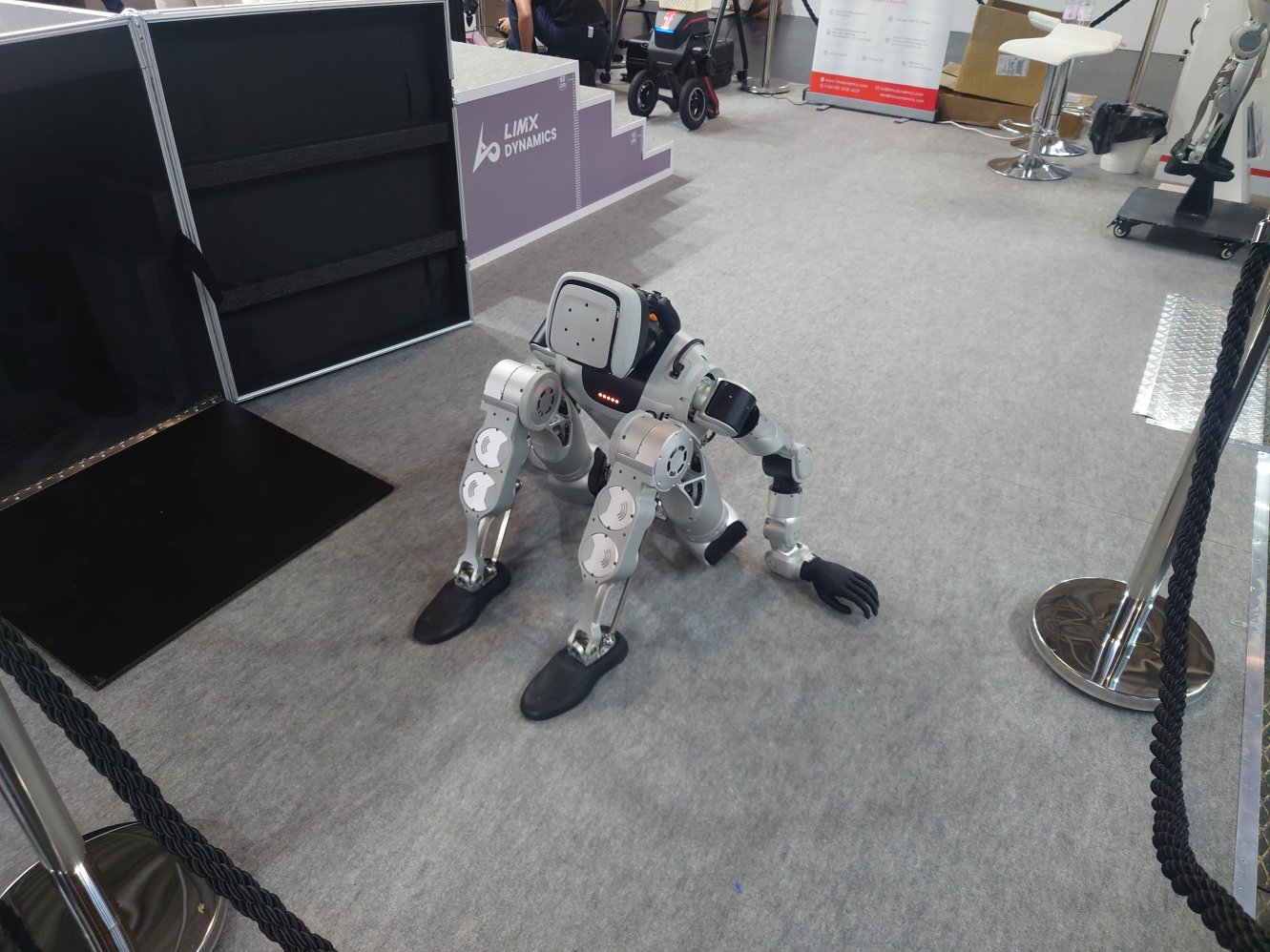
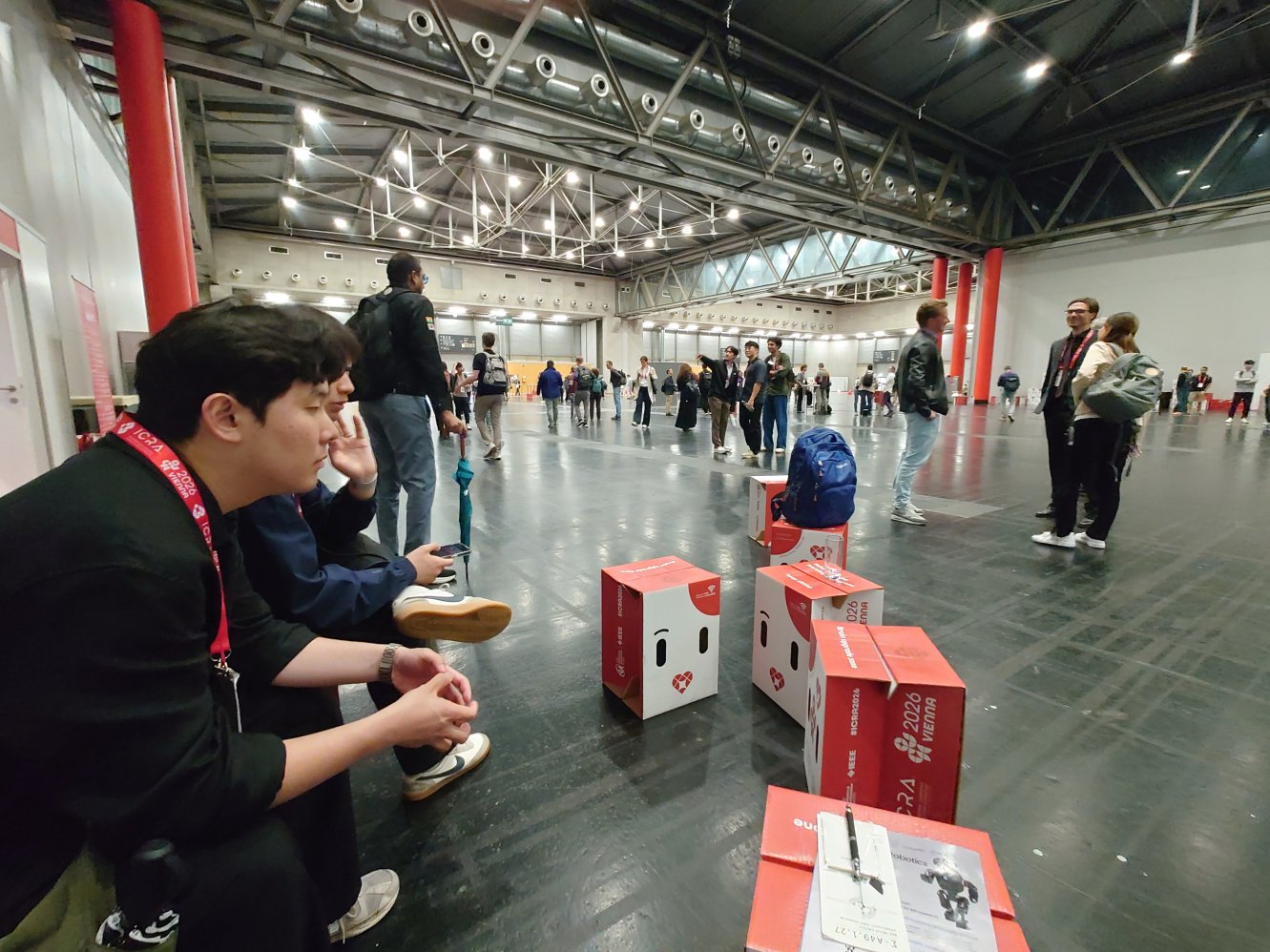
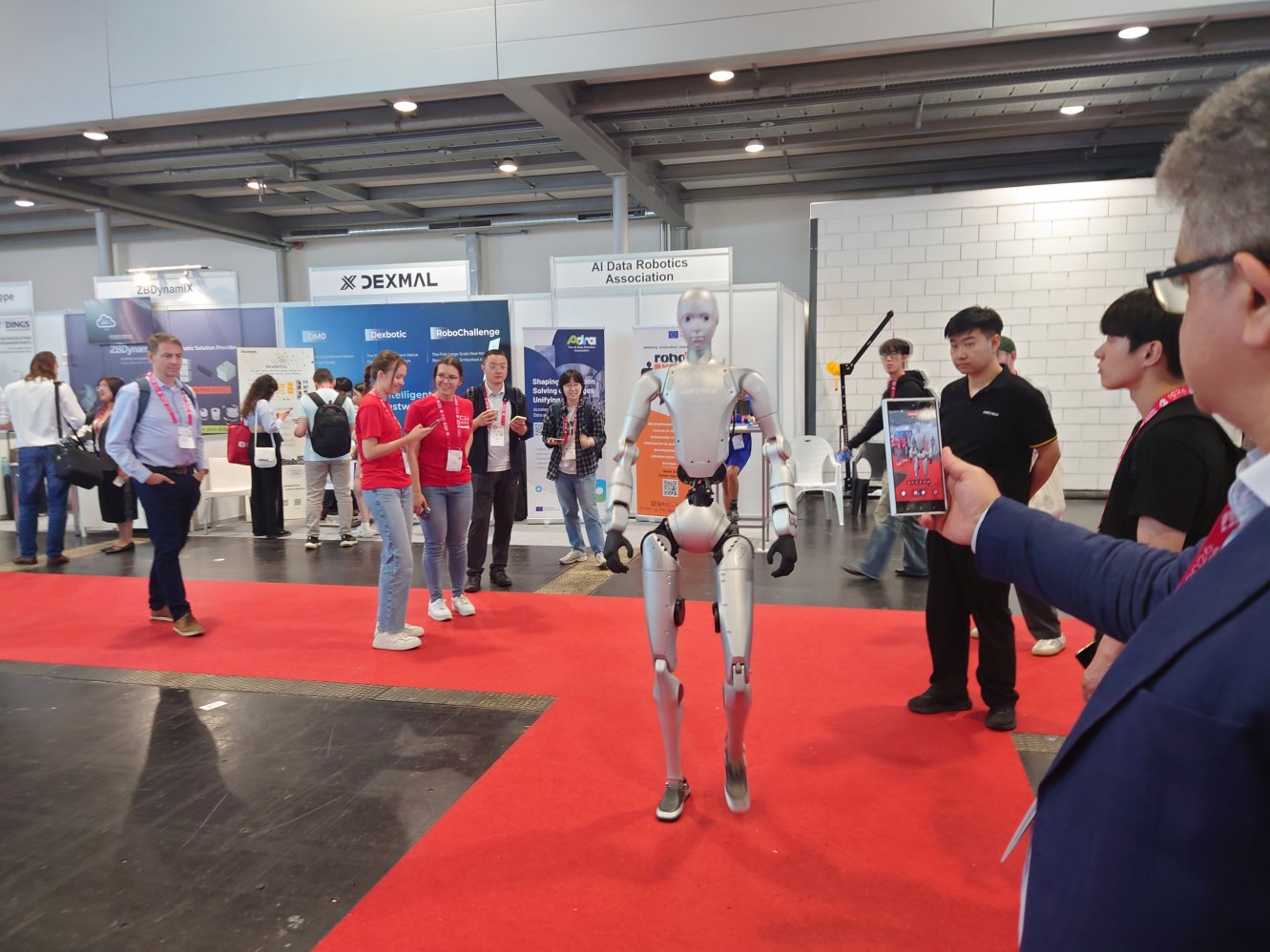
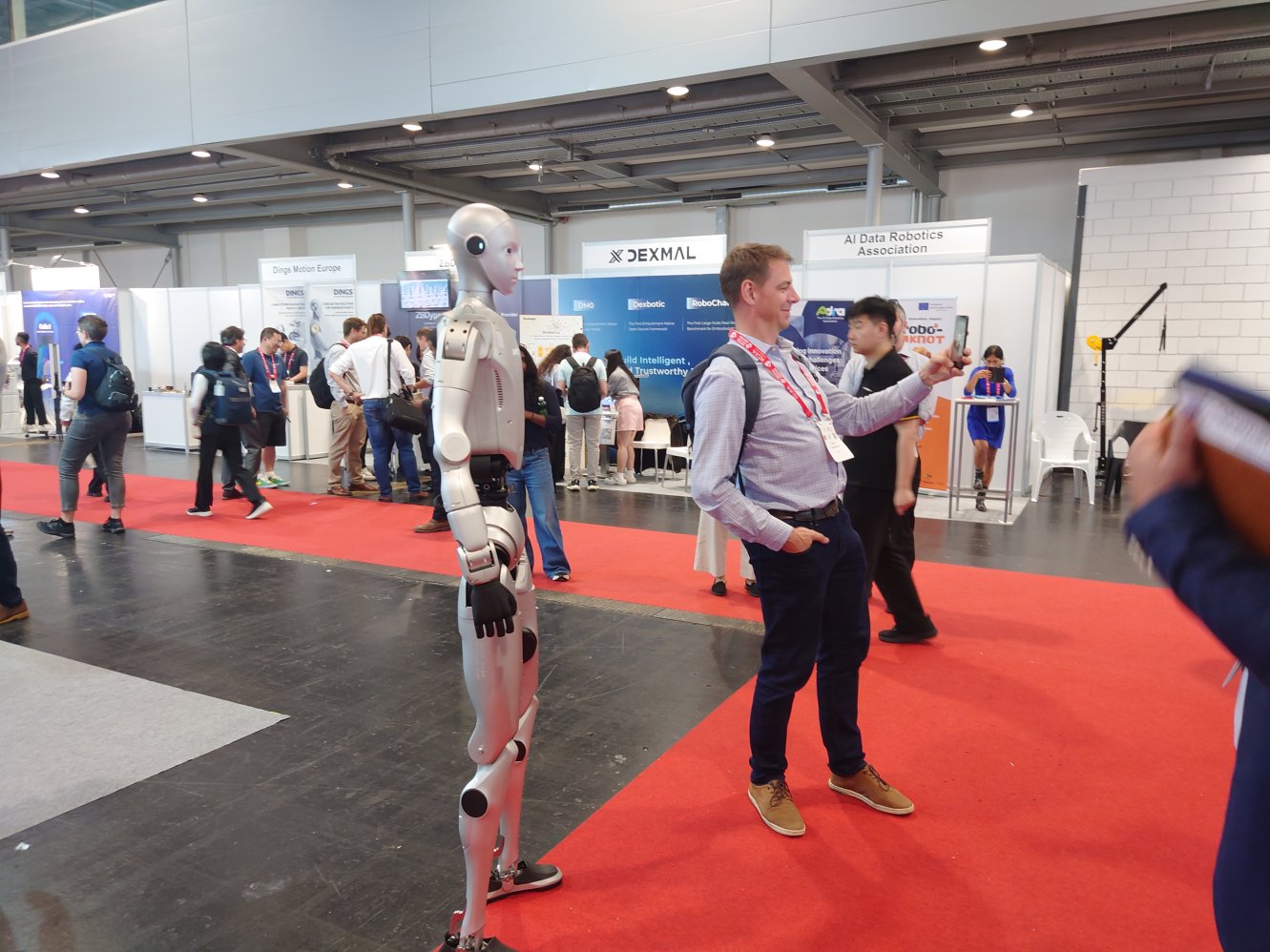
Wien Messe.
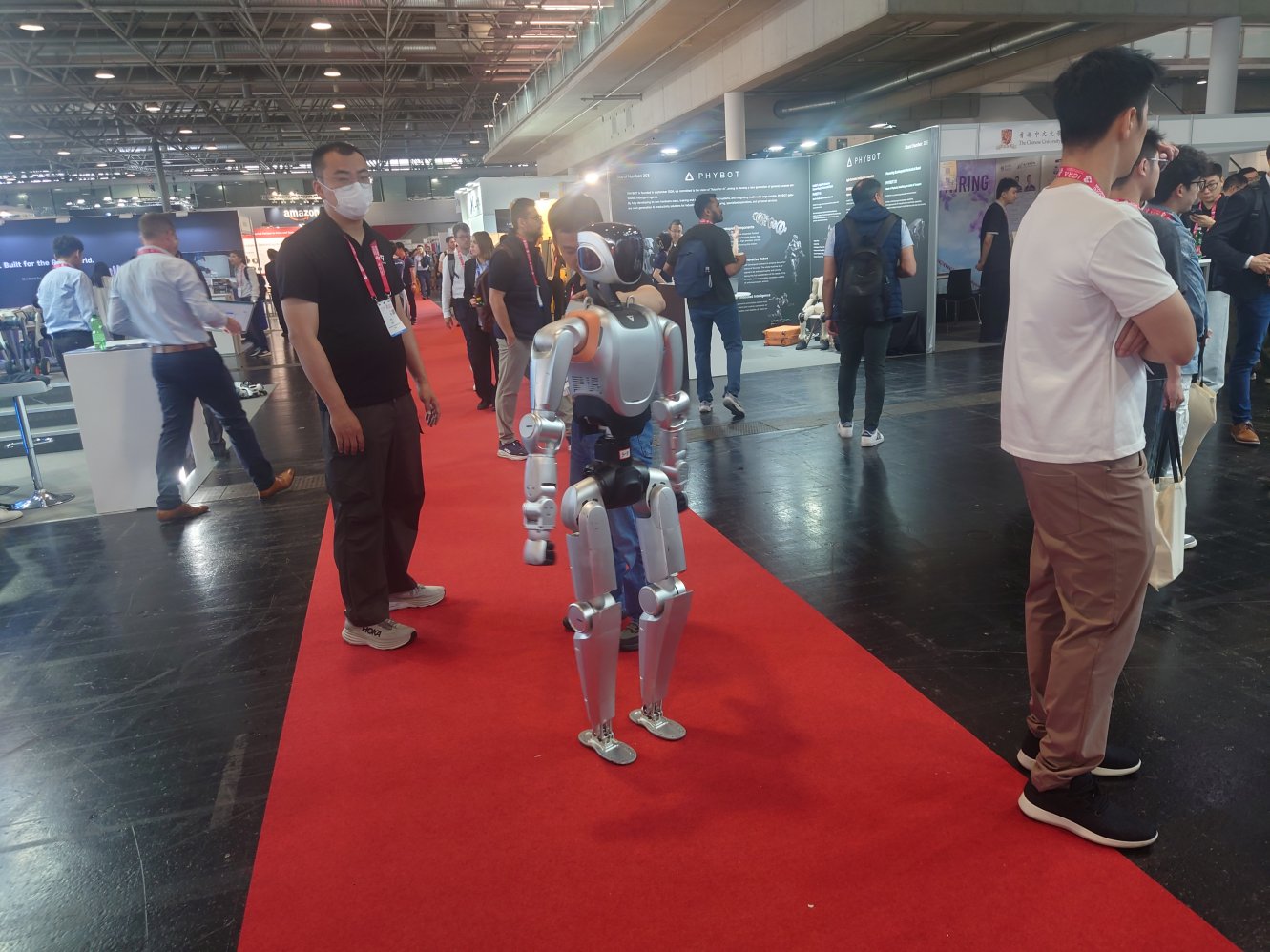
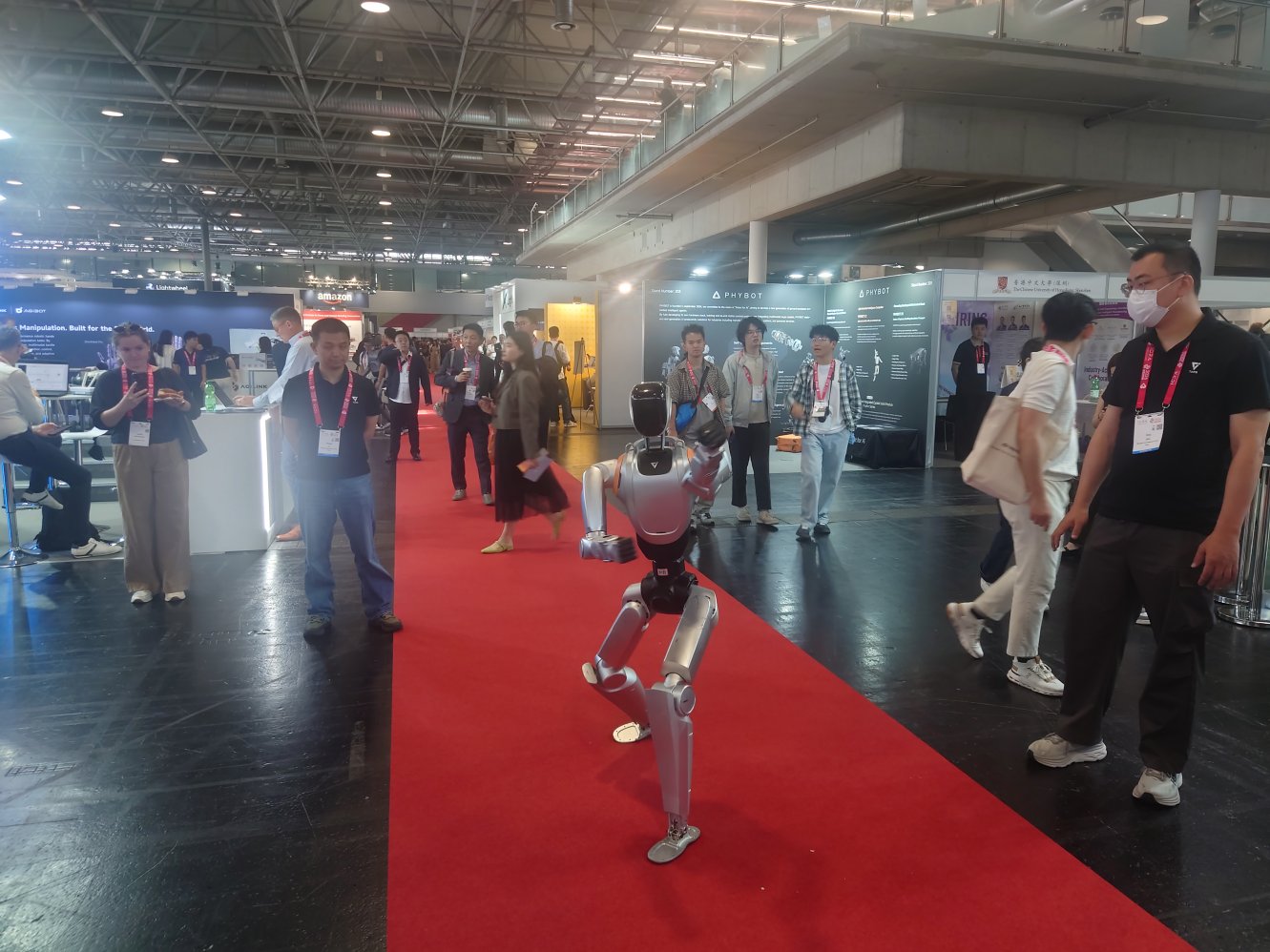
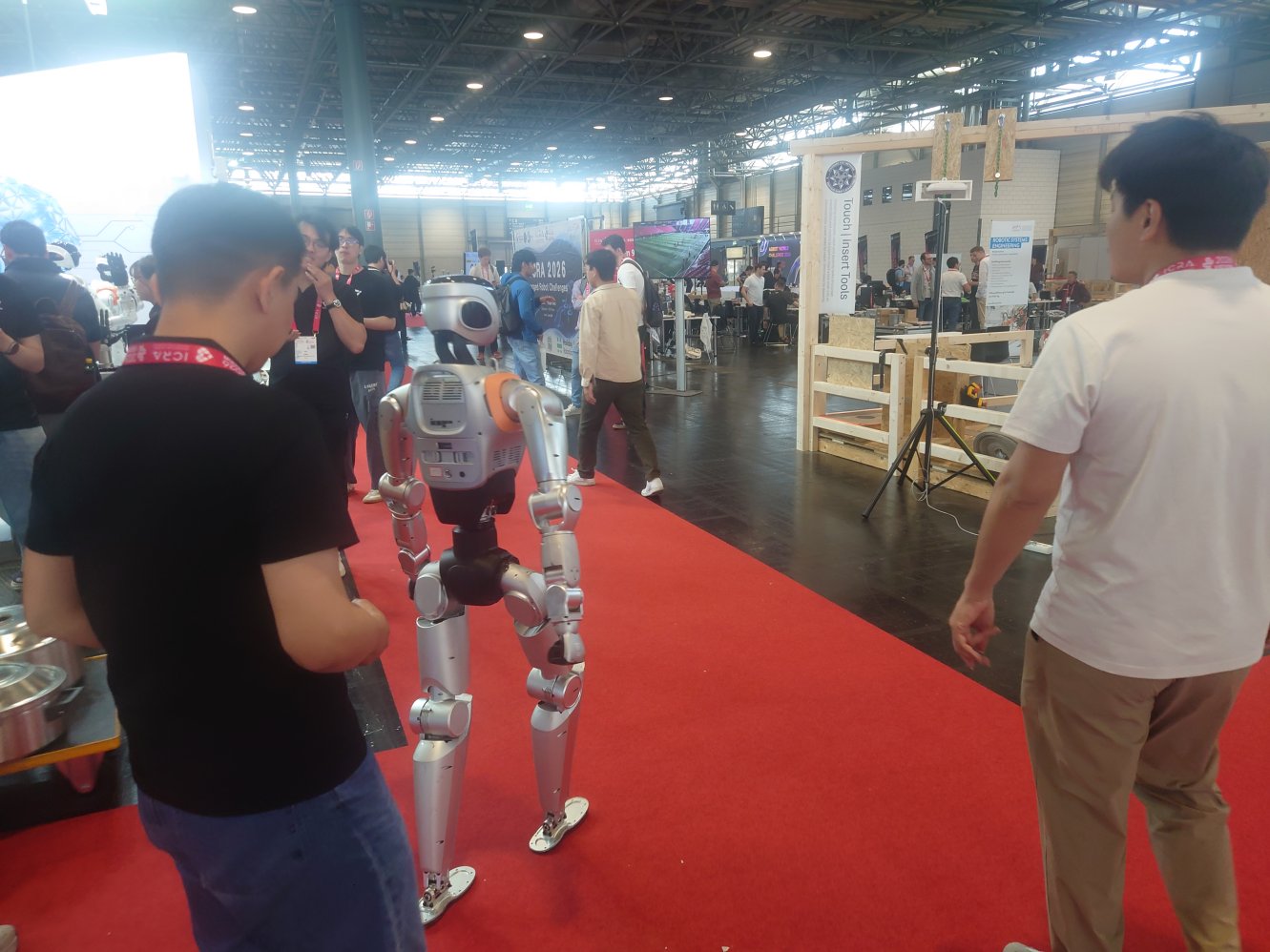
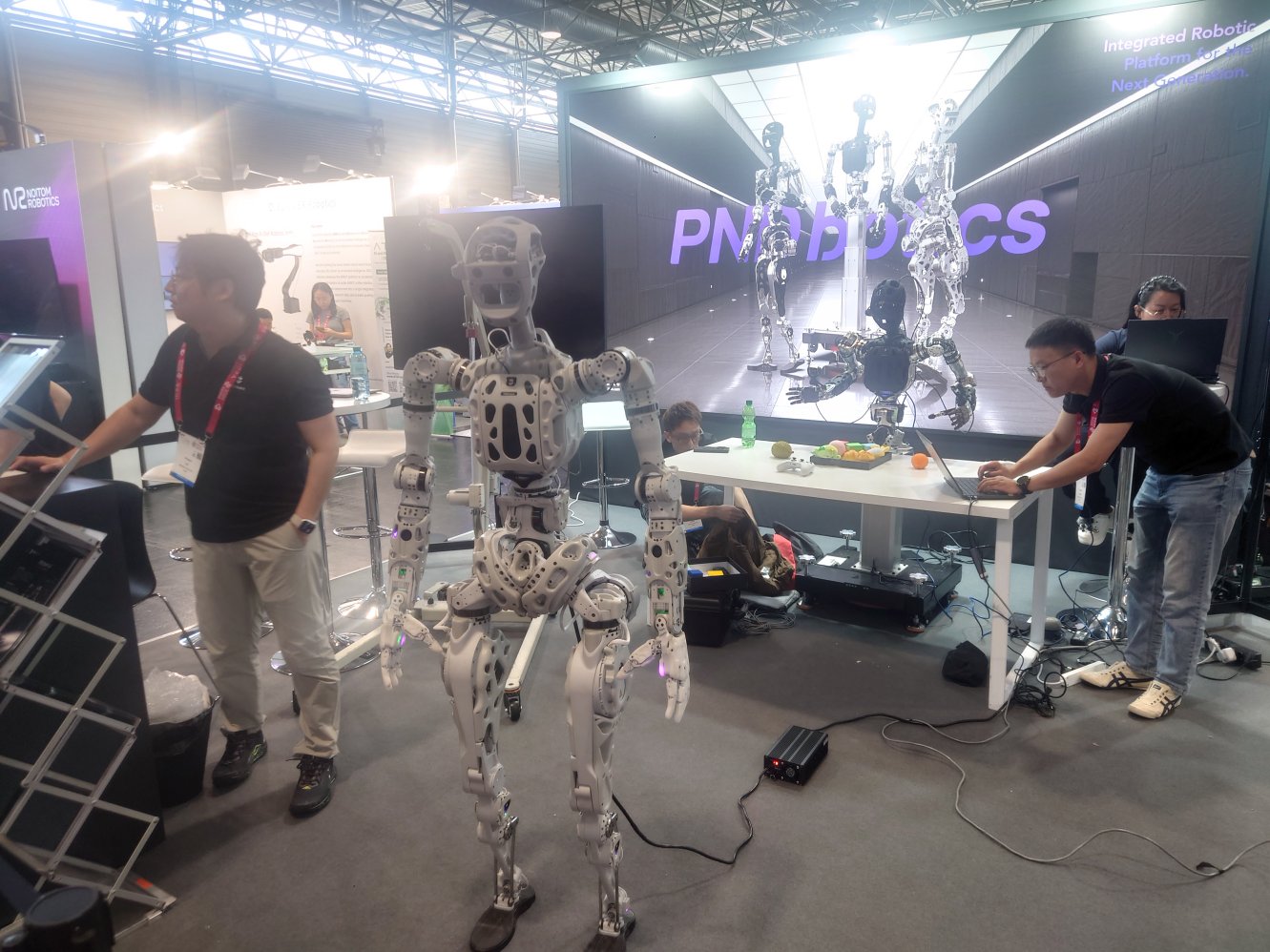
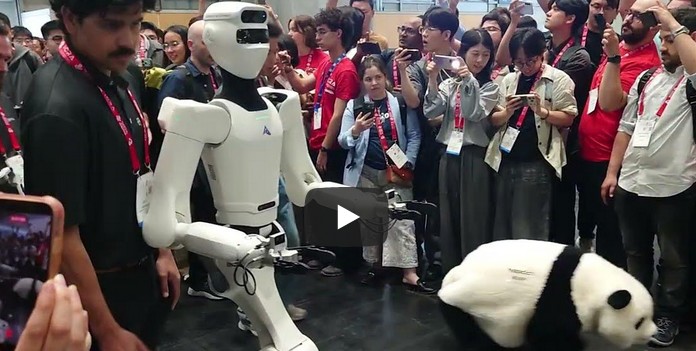
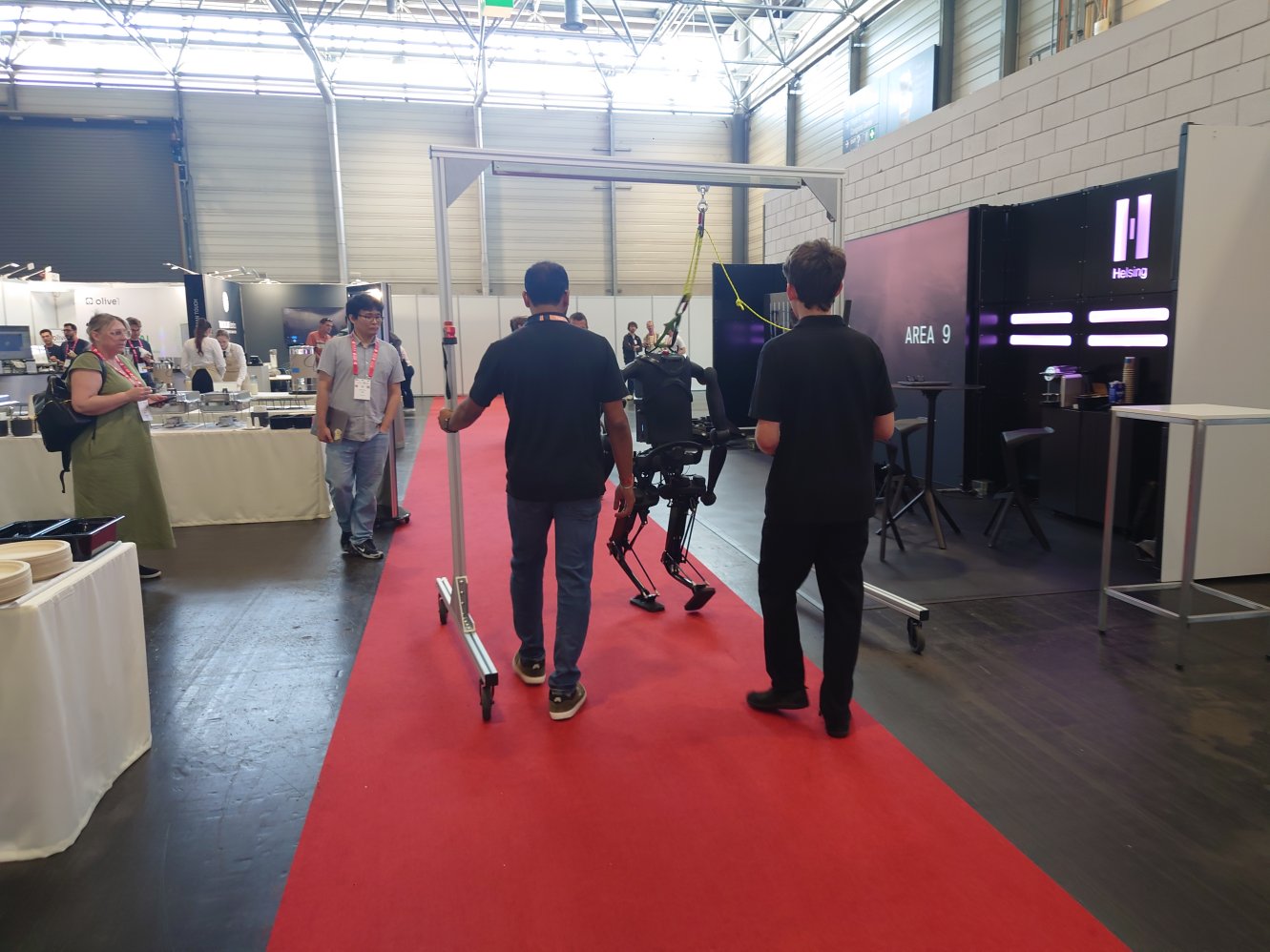
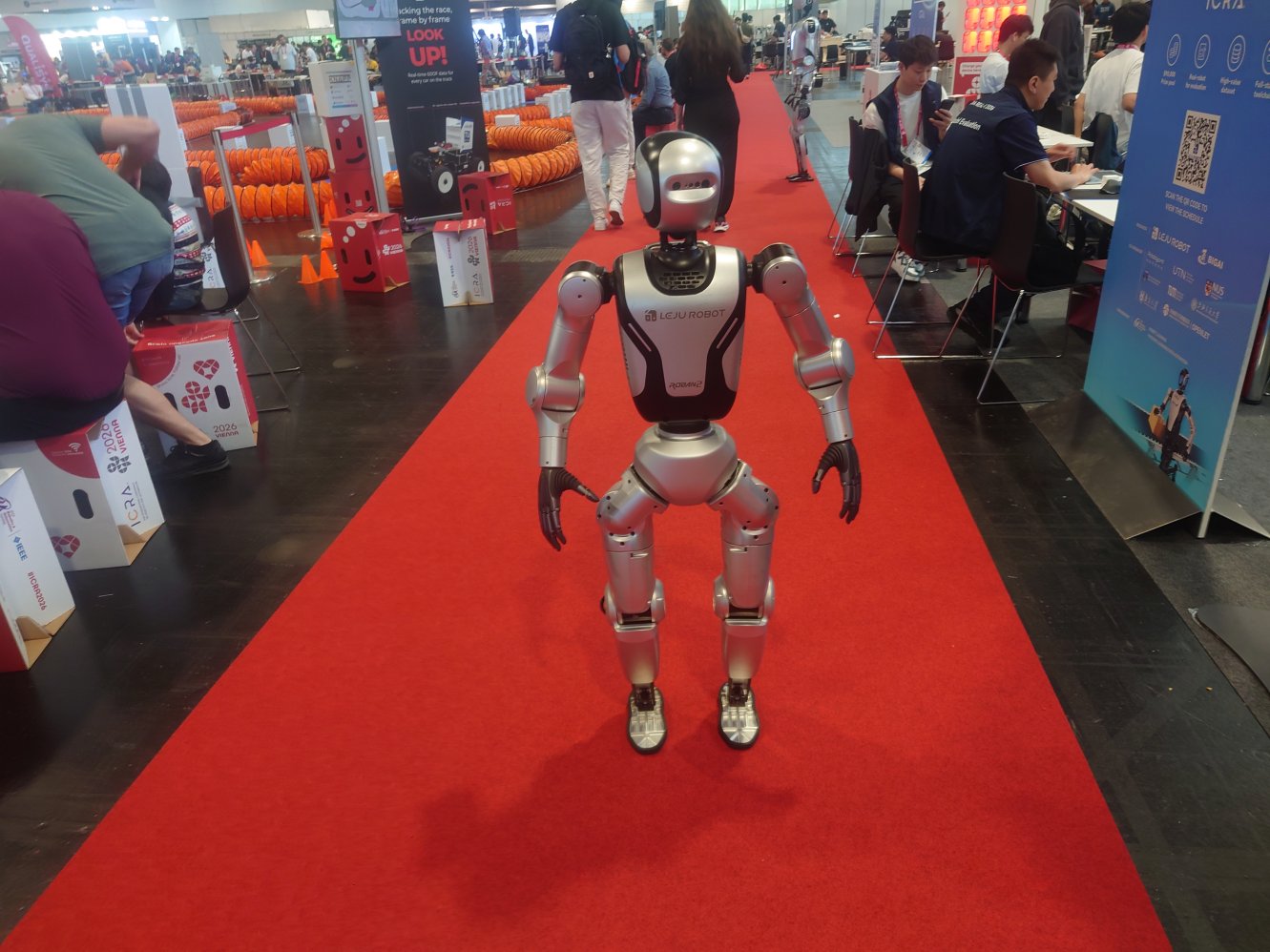
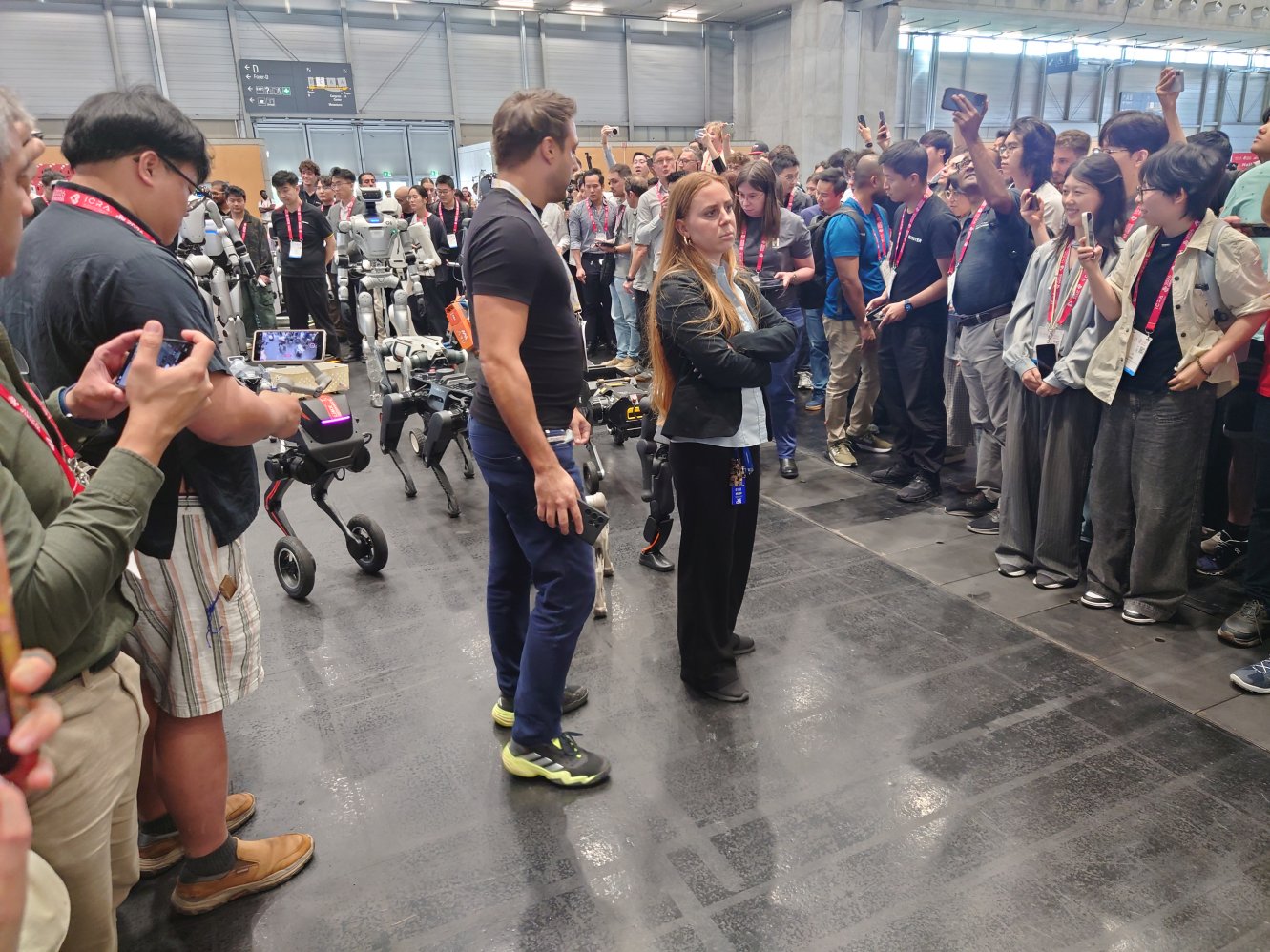
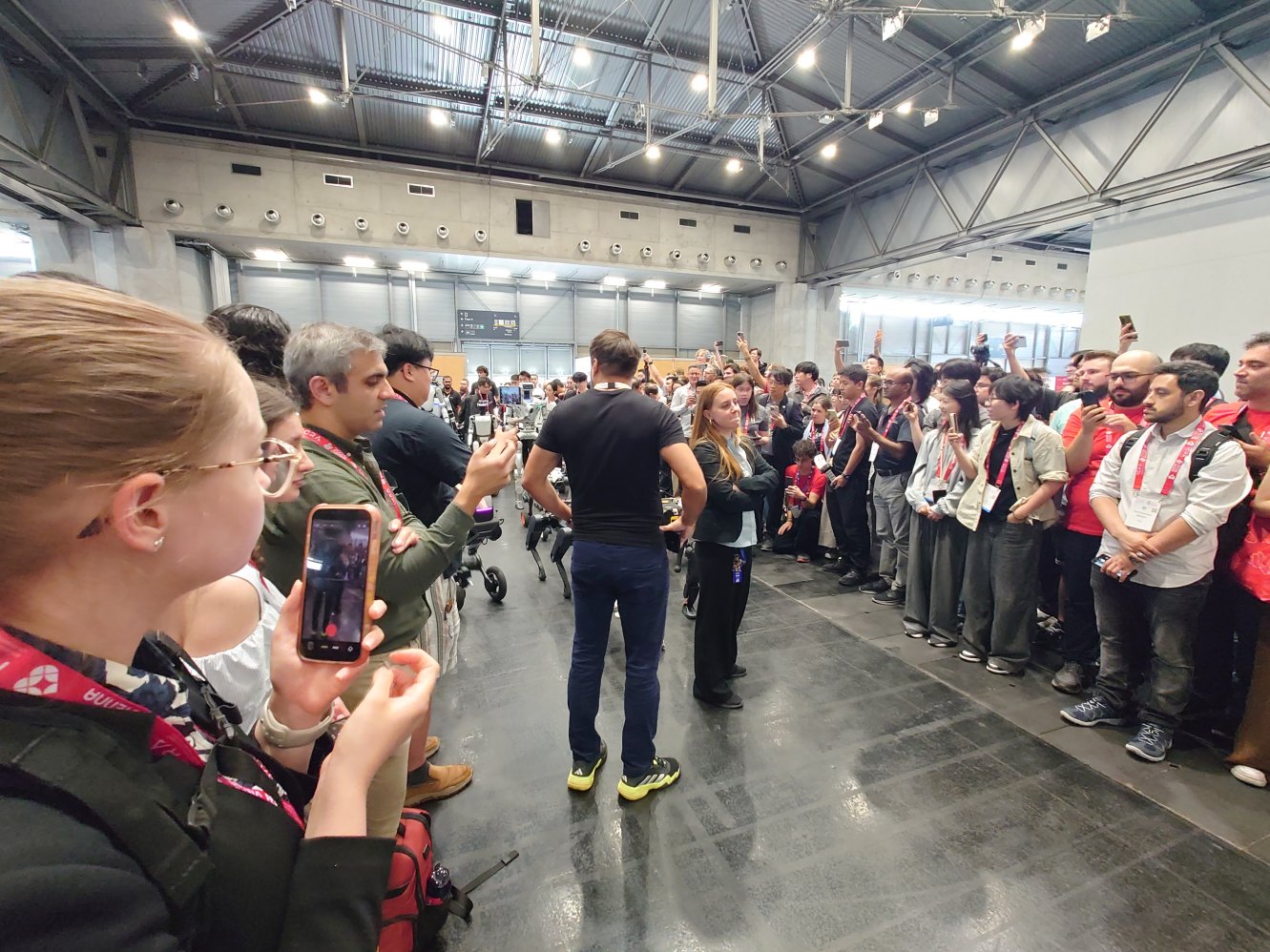
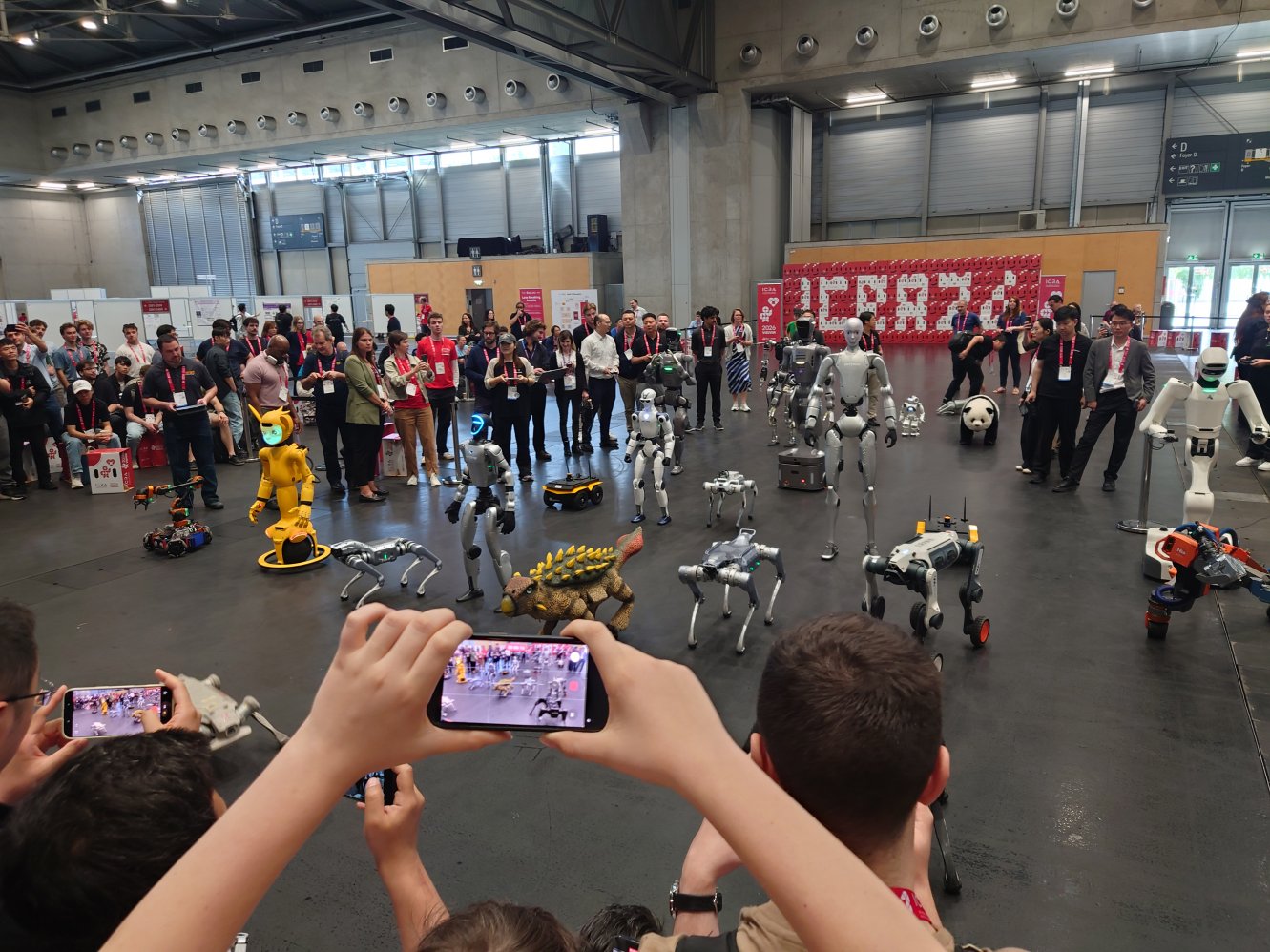
Robot Parade. Icra 2026.
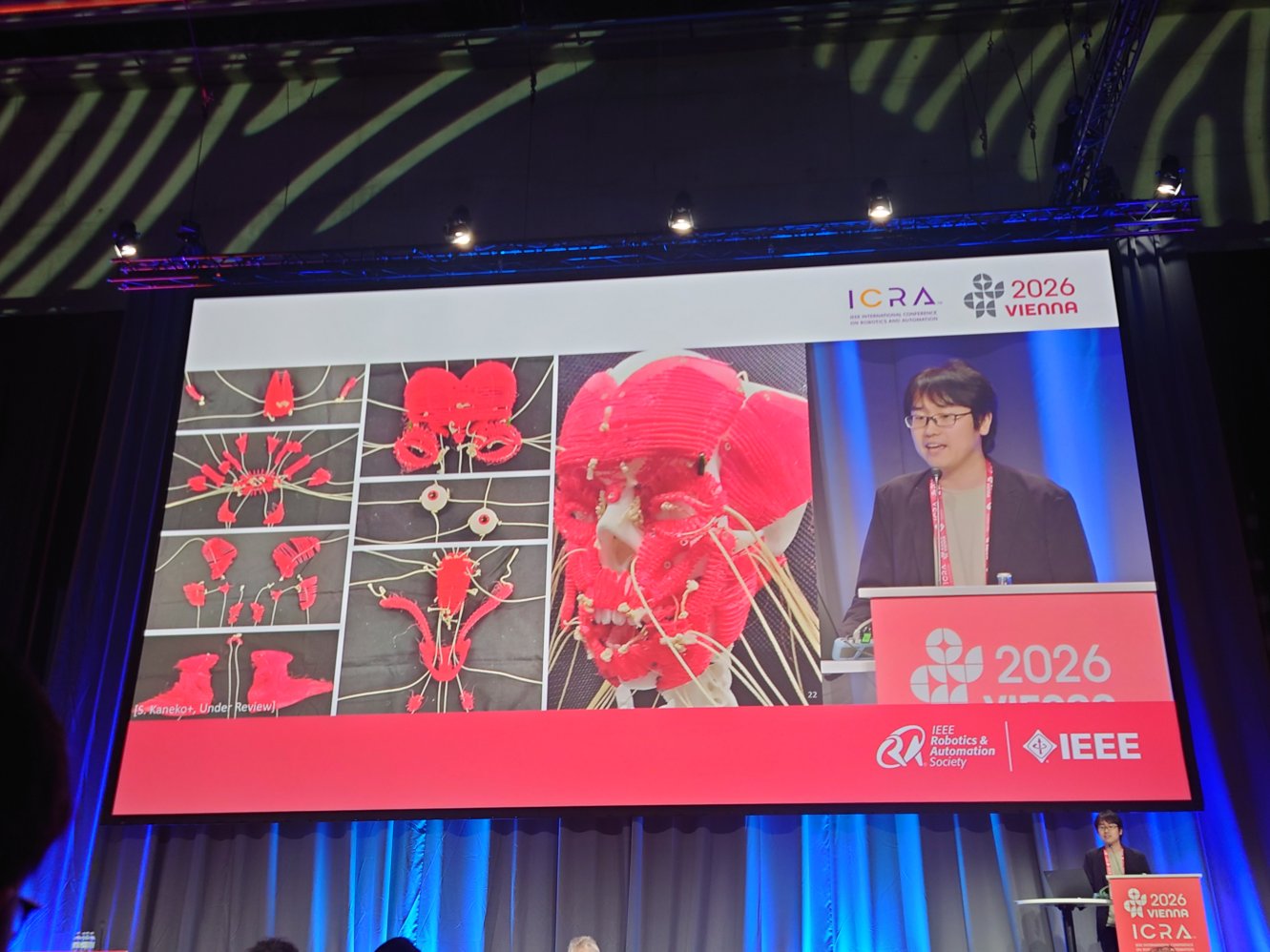
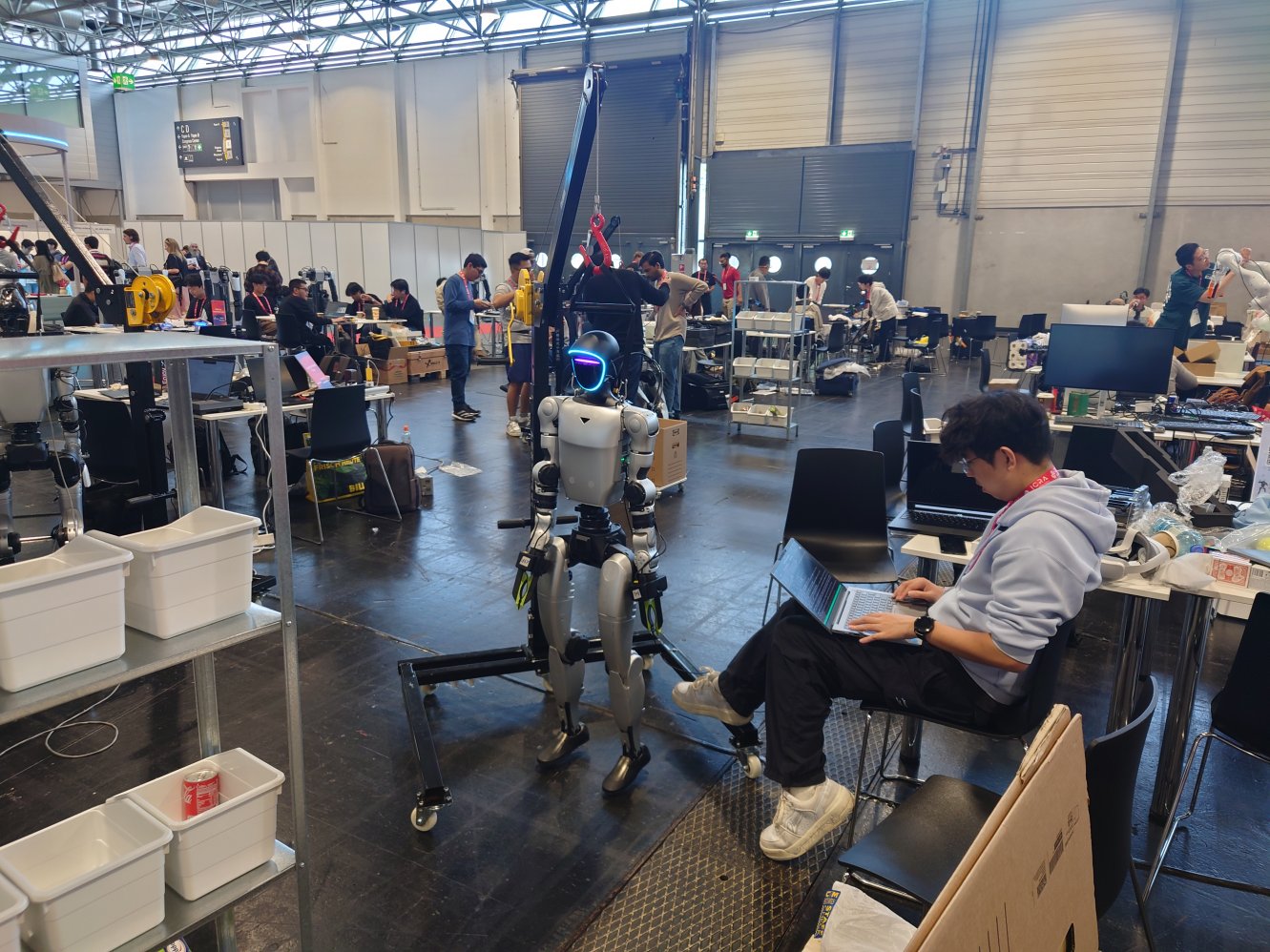
Kento Kawaharazuka talked about ''current humanoids still differ fundamentally from humans in their physical structure, actuation principles, compliance, and expressiveness. Here he presented his teams long-term pursuit of musculoskeletal humanoids, following human anatomical principles''.
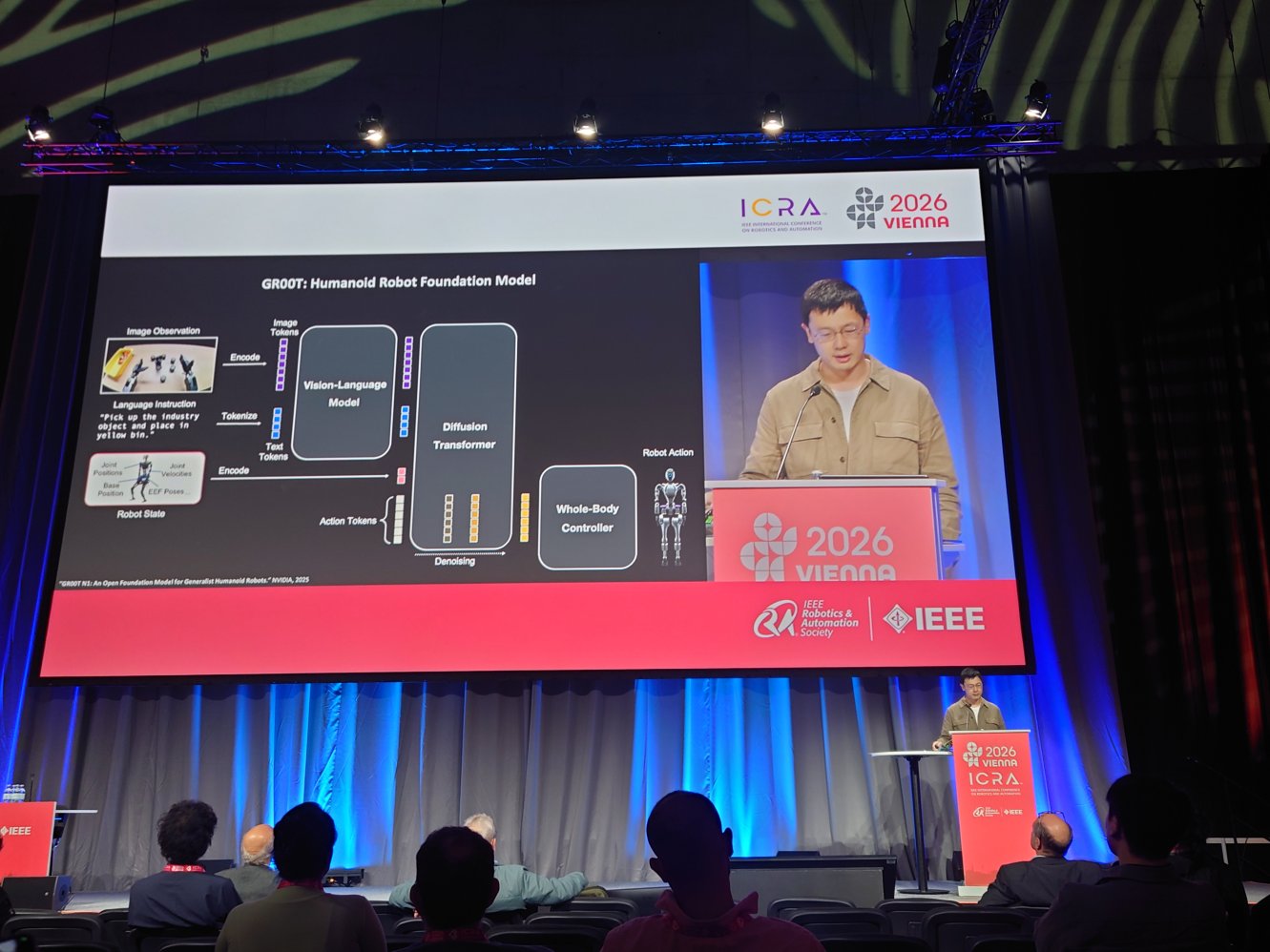
Groot: ''Is an open vision-language-action (VLA) model for generalized humanoid robot skills. This cross-embodiment model takes multimodal input, including language and images, to perform manipulation tasks in diverse environments''.
Yuke Zhu: ''Approaches for building general-purpose robot autonomy in an open world''.
''The neural network architecture of Groot is a combination of vision-language foundation model and diffusion transformer head that denoises continuous actions'' [8].
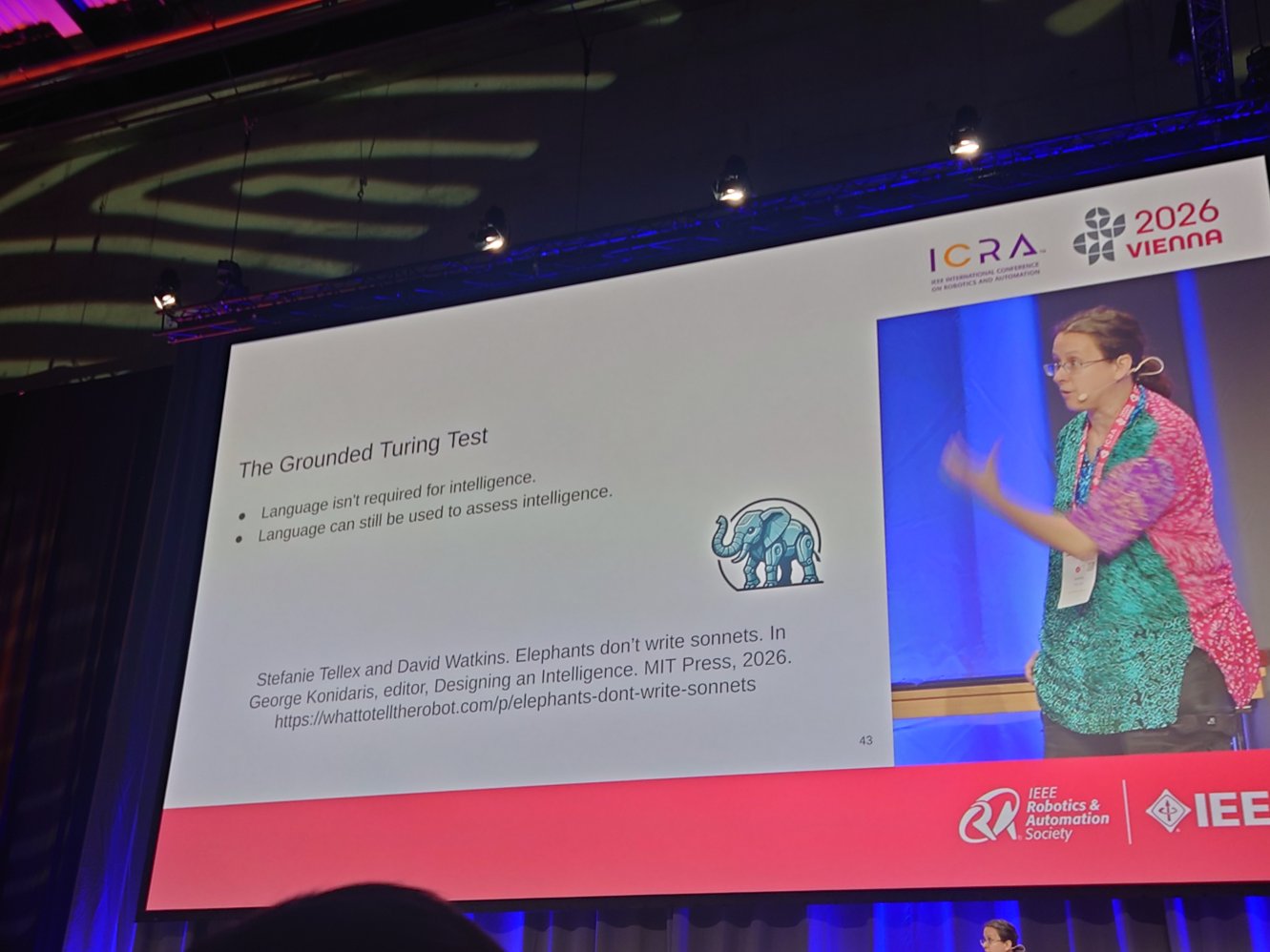
Stefanie Tellex: ''Language isnt required for intelligence'' (I.e. there is more to intelligence than language). Nevertheless: ''The aim of my research program is to construct robots that seamlessly use natural language to communicate with humans. In twenty years, every home will have a personal robot which can perform tasks such as clearing the dinner table, doing laundry, and preparing dinner'' [9].
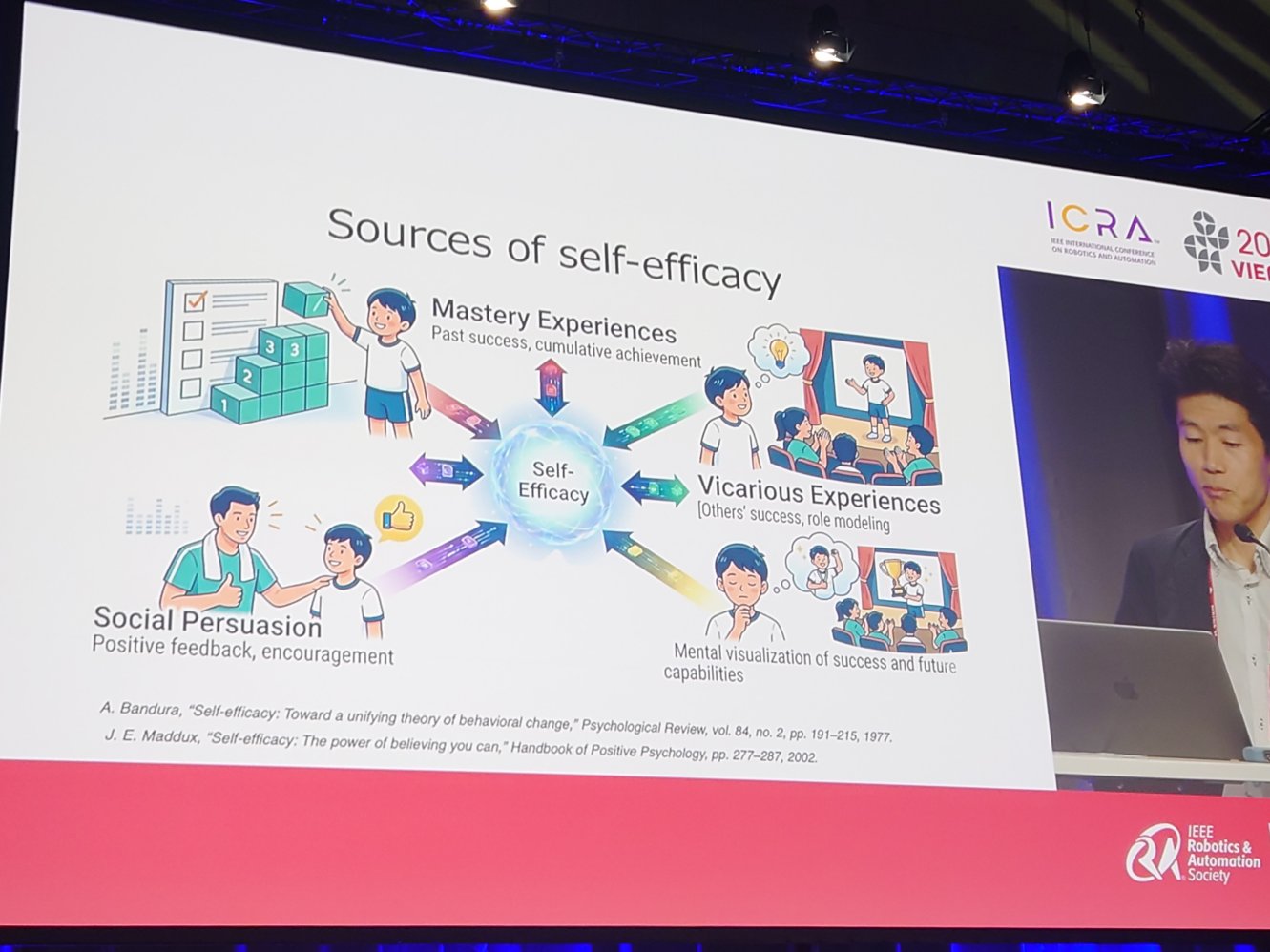
Tetsunari Inamura. Self-efficacy, the belief that I can do it: ''As assistive robotics transitions from laboratories to daily life, a critical paradox emerges: excessive robotic intervention often diminishes ''Human Agency'', the fundamental sense of being the initiator of one's (human) own actions. To achieve true symbiosis, robots must do more than compensate for physical deficits; they must be engineered to foster and maintain the user's self-efficacy (an individual's belief in their own capability to organize and successfully execute the behaviors needed to achieve specific goals)'' [10].
Bandura's self-efficacy theory states ''that an individual's belief in their own capability to succeed in a specific situation is the primary driver of their motivation, behavior, and accomplishments. It determines the goals people set, the effort they expend, and their resilience when facing obstacles''.
I.e. Robots can be used to boost human agency and unlock real-world potentials.
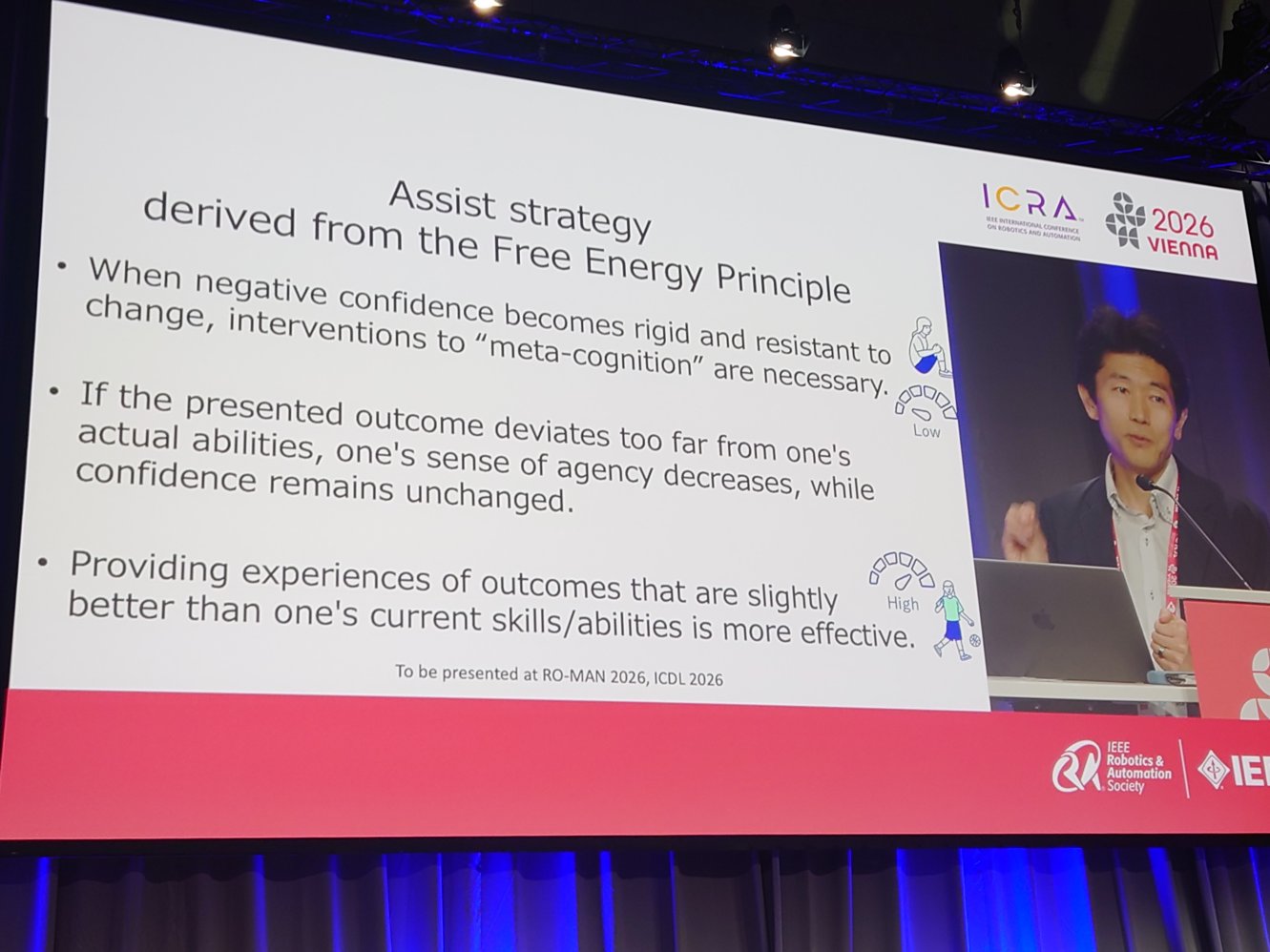
According to Tetsunari Inamura: ''A robot must assist the user by giving the user experiences of outcomes that are slightly better than one's current skills/abilities''.
I.e. Experiencing success builds a robust belief in one's ability. (You must) ''Give specific praise, Focus on effort. Ensure the learning environment is low-stakes, comfortable, and free from judgment''.
The keynote was part of the Human-Robot Interaction session, at Icra.
Tutorials.
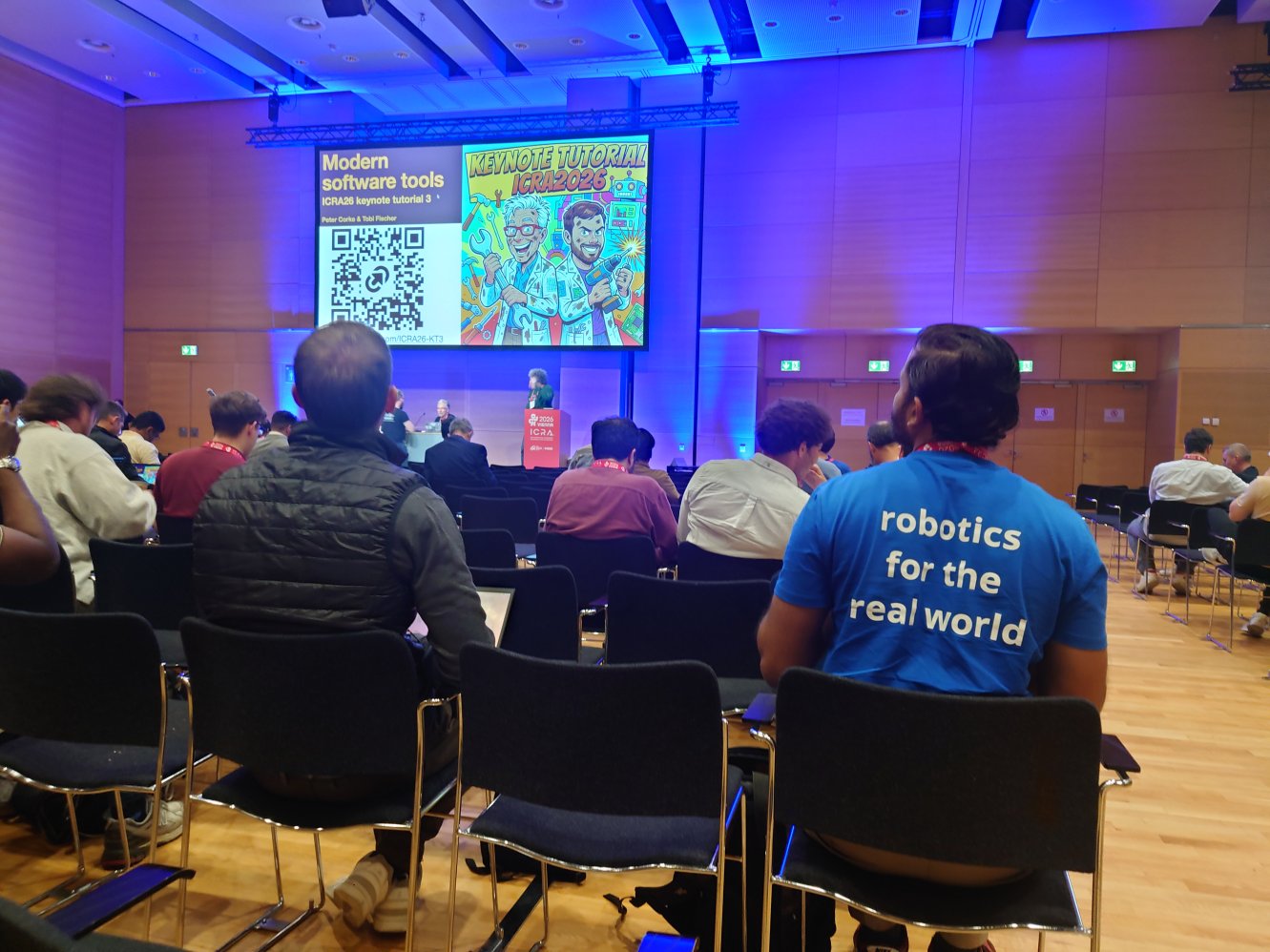
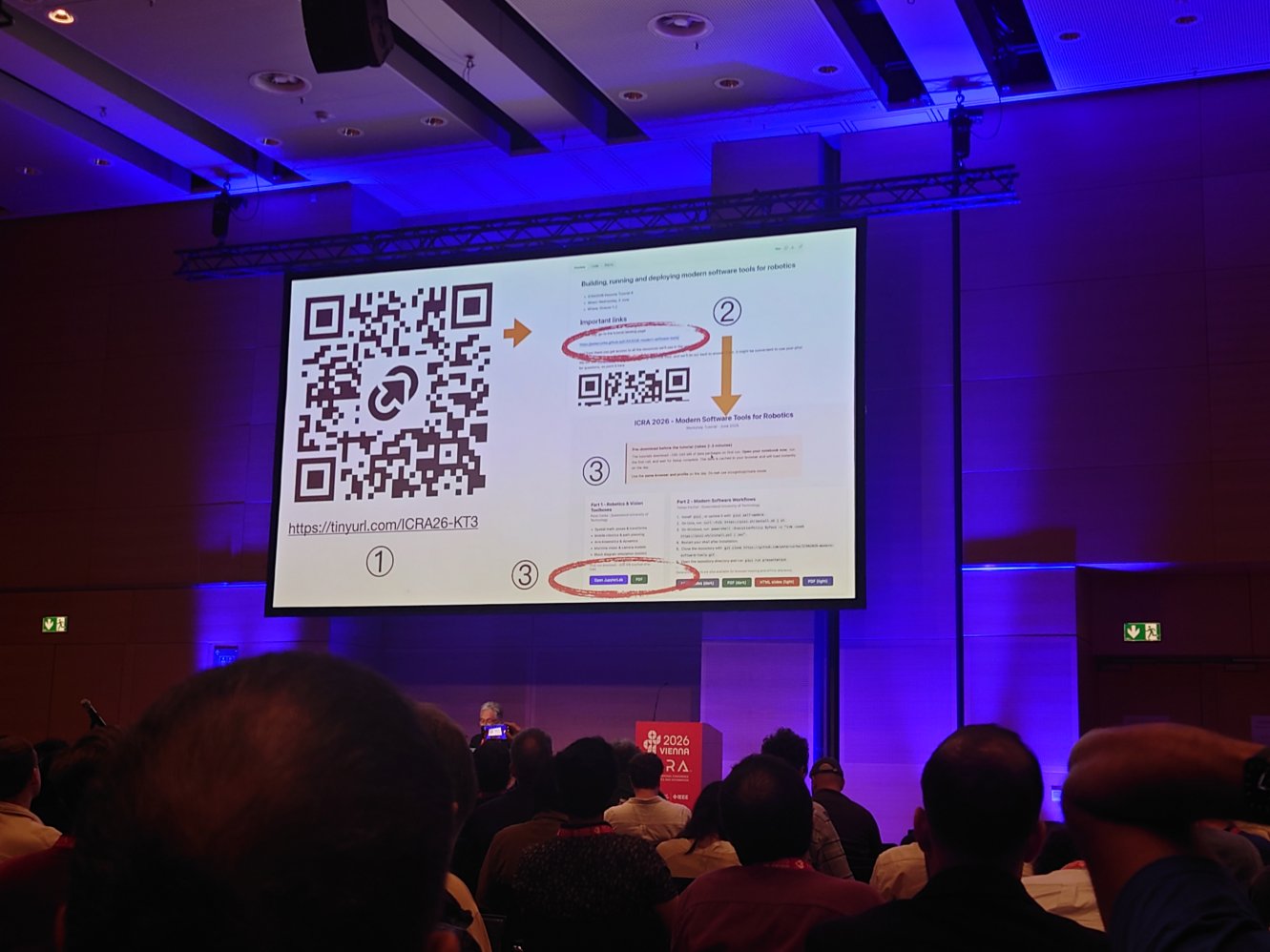
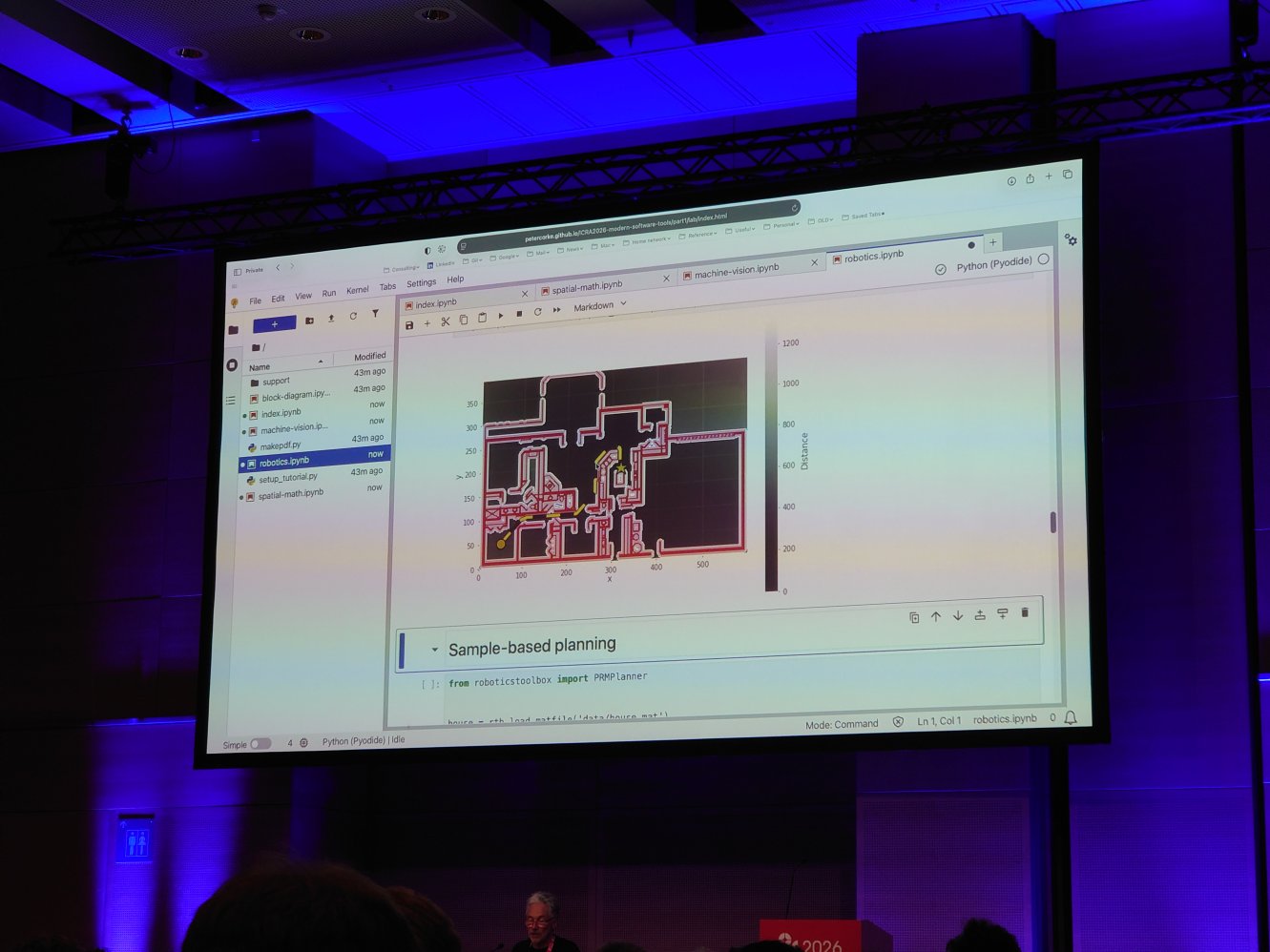
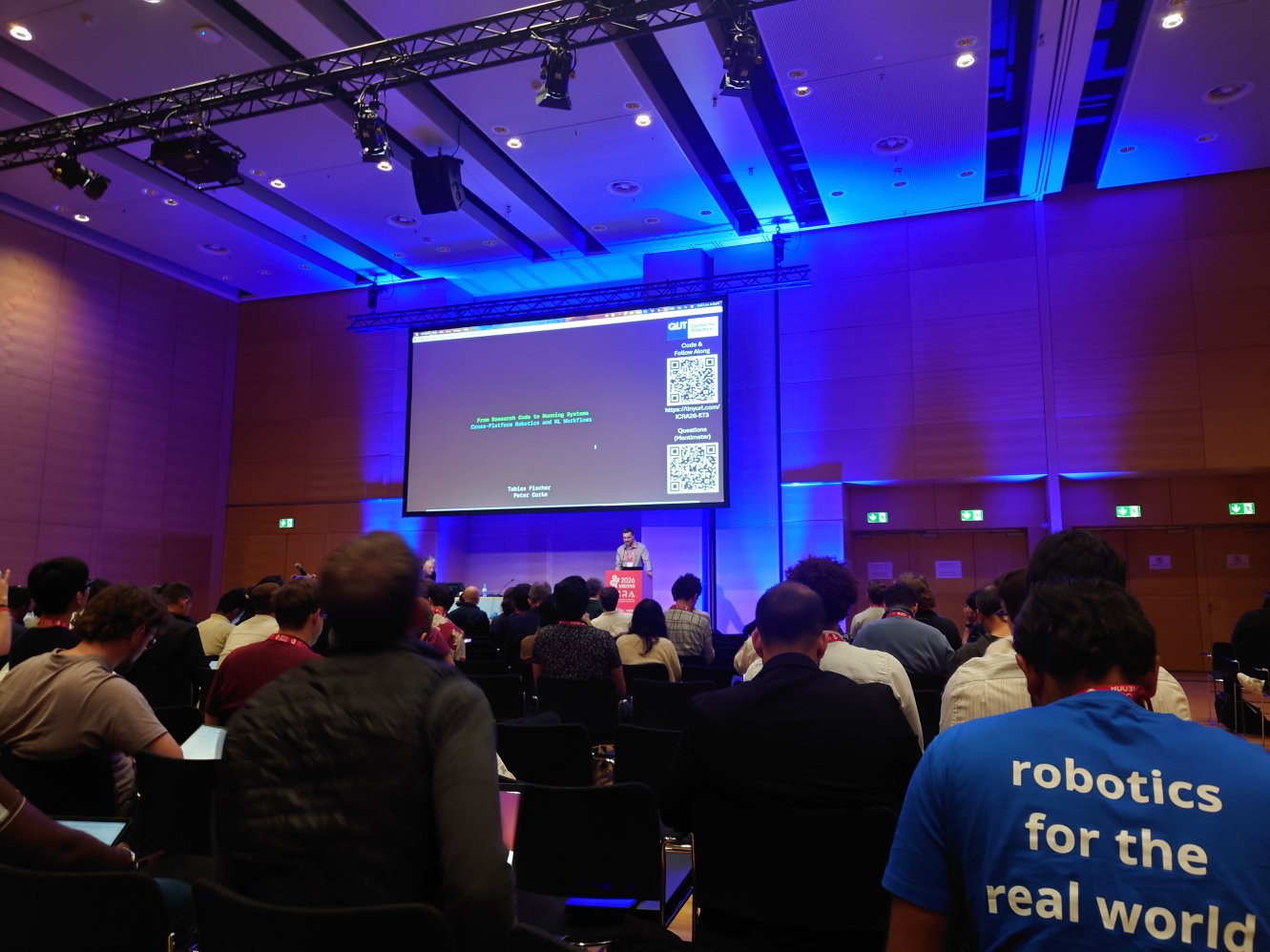
Workshop Tutorial. ''Modern Software Tools for Robotics''.
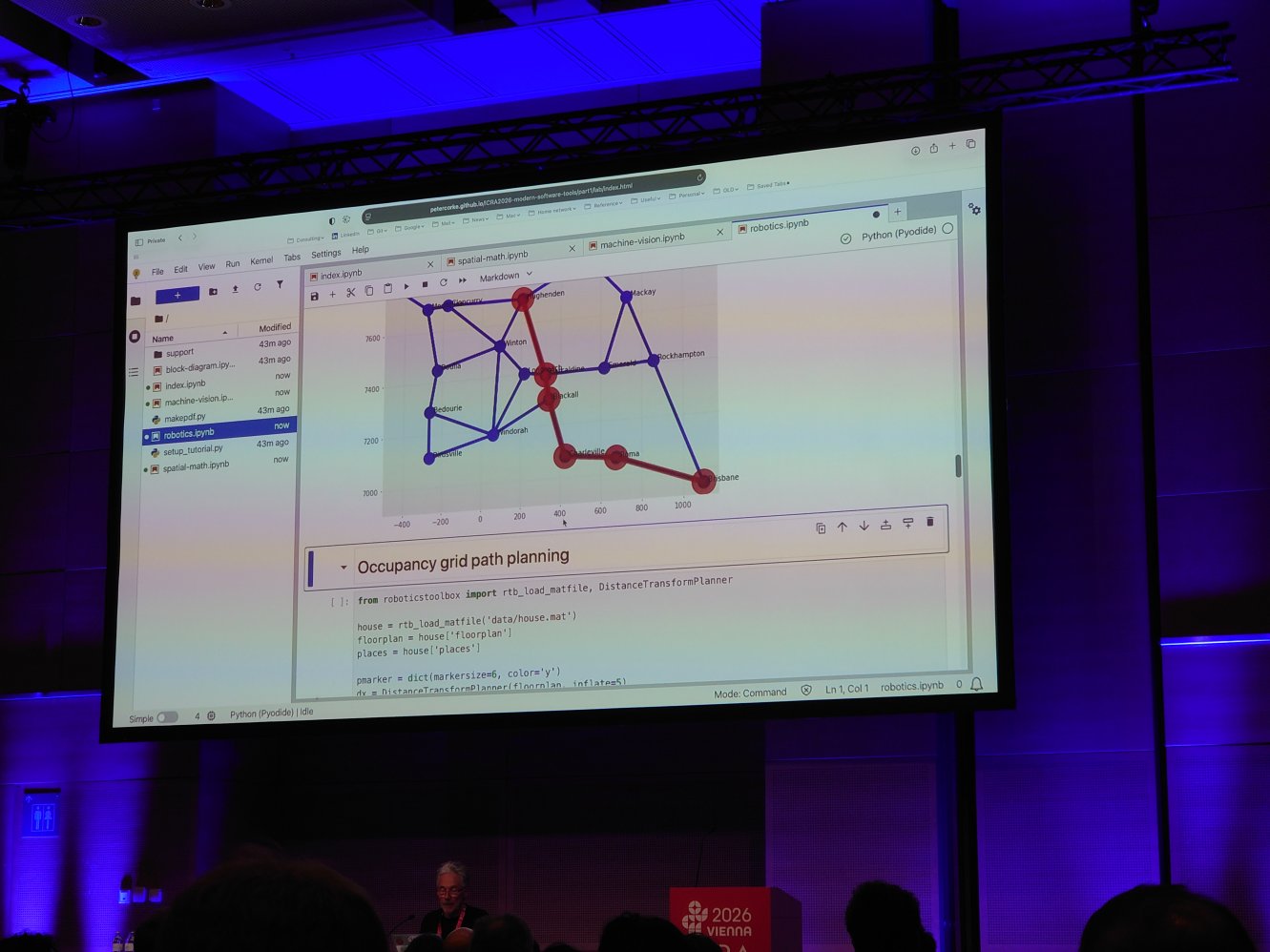
Call library to make path from ''Hughenden'' to ''Brisbane'':
From notebook:
''Occupancy grid path planning is a fundamental robotic navigation technique, where a robot discretizes a continuous environment into a grid of cells and applies graph-search or sampling algorithms to find a collision-free path from a starting point to a destination''.
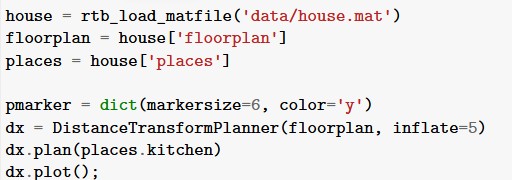
Code example from the notebook:
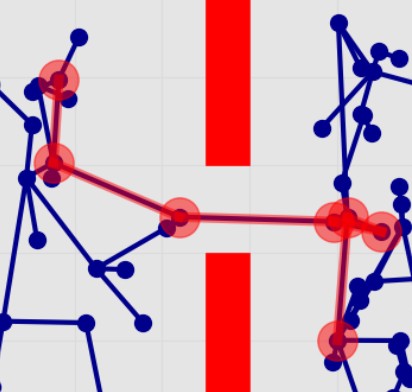
Planning.
''From research code to running systems''. Icra, June 2026.
E.g. Use library to find path that do not intersect with the red obstacle.
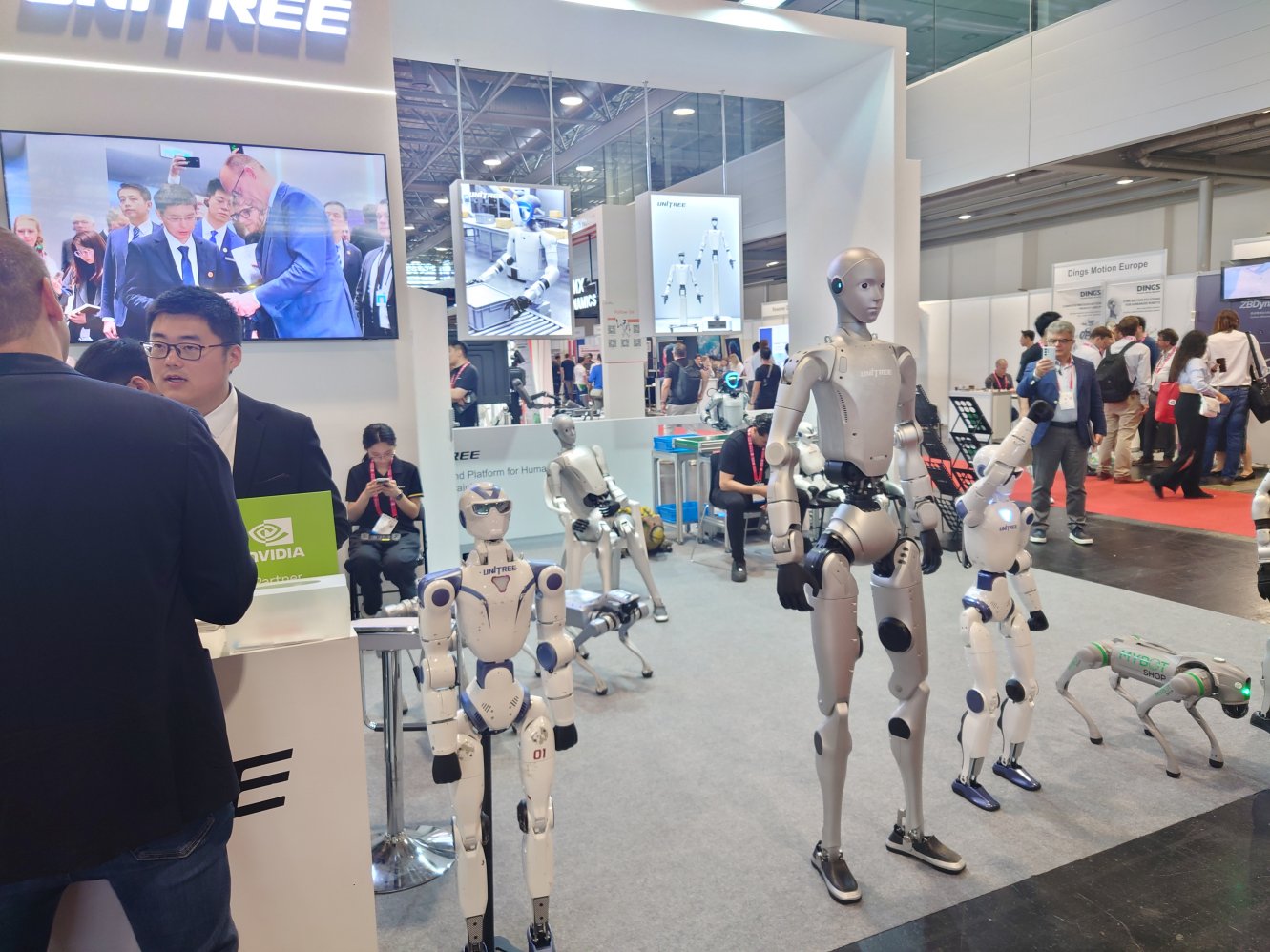
Exhibition (Continued).
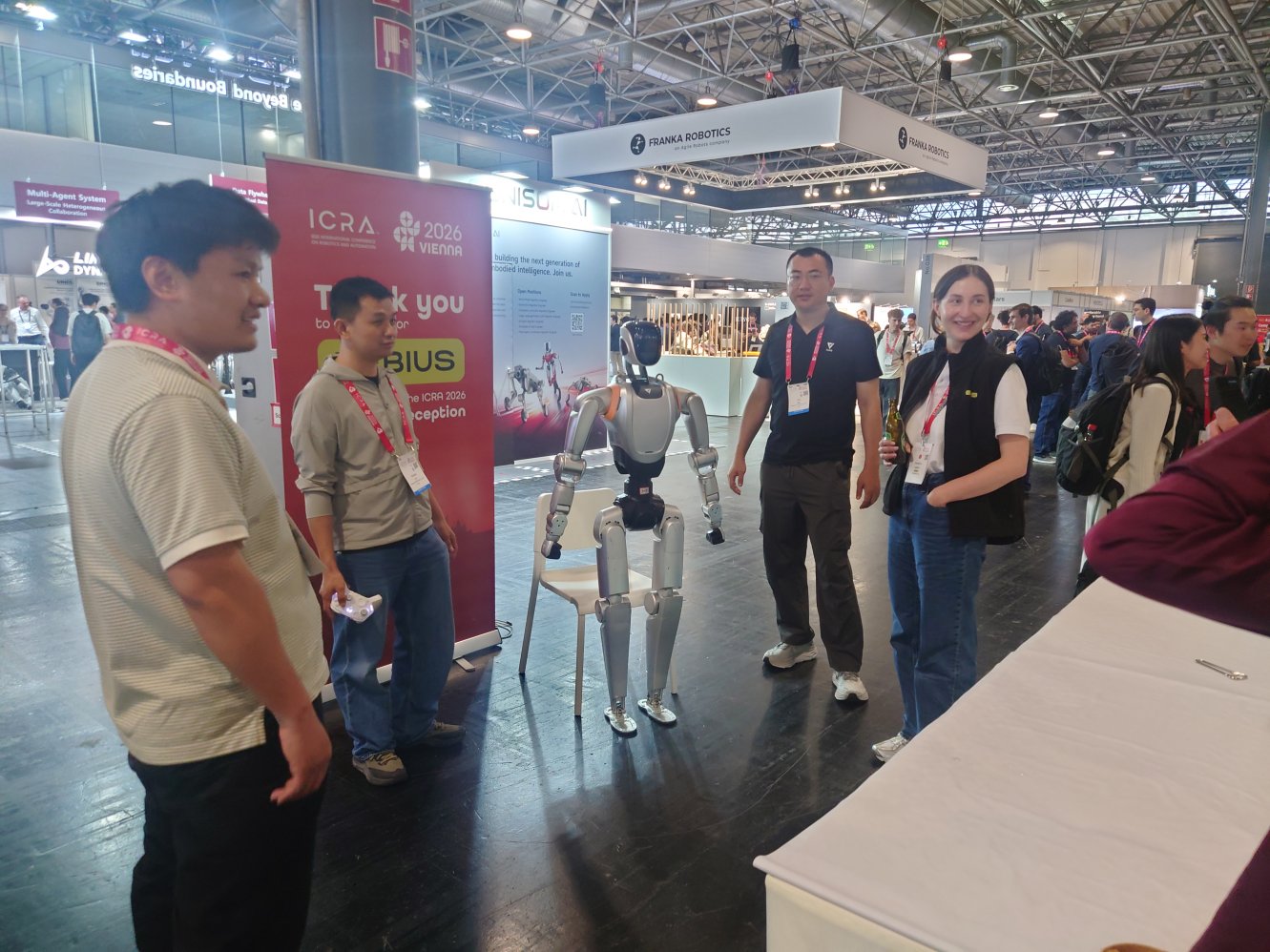
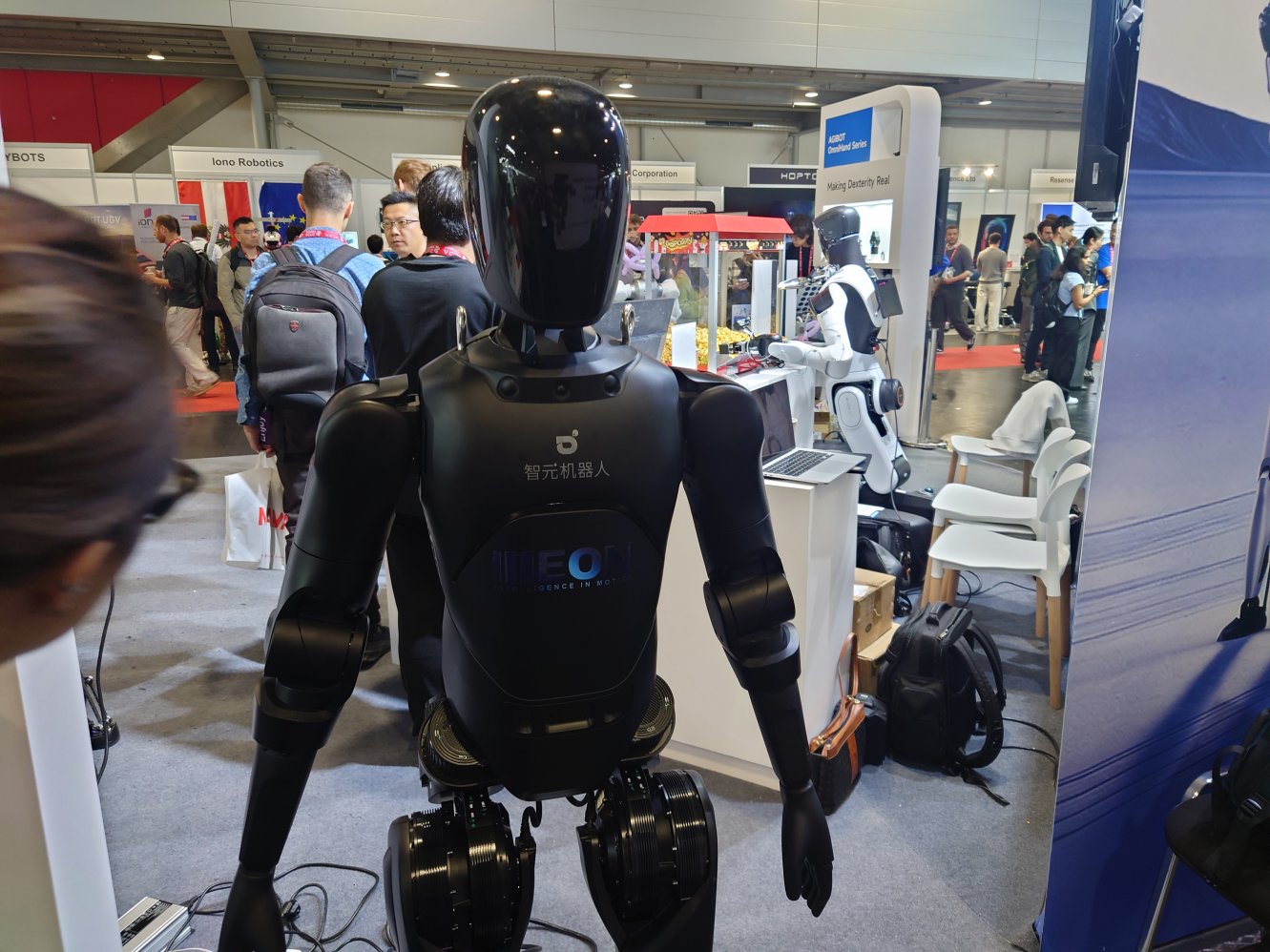
Wien Messe.
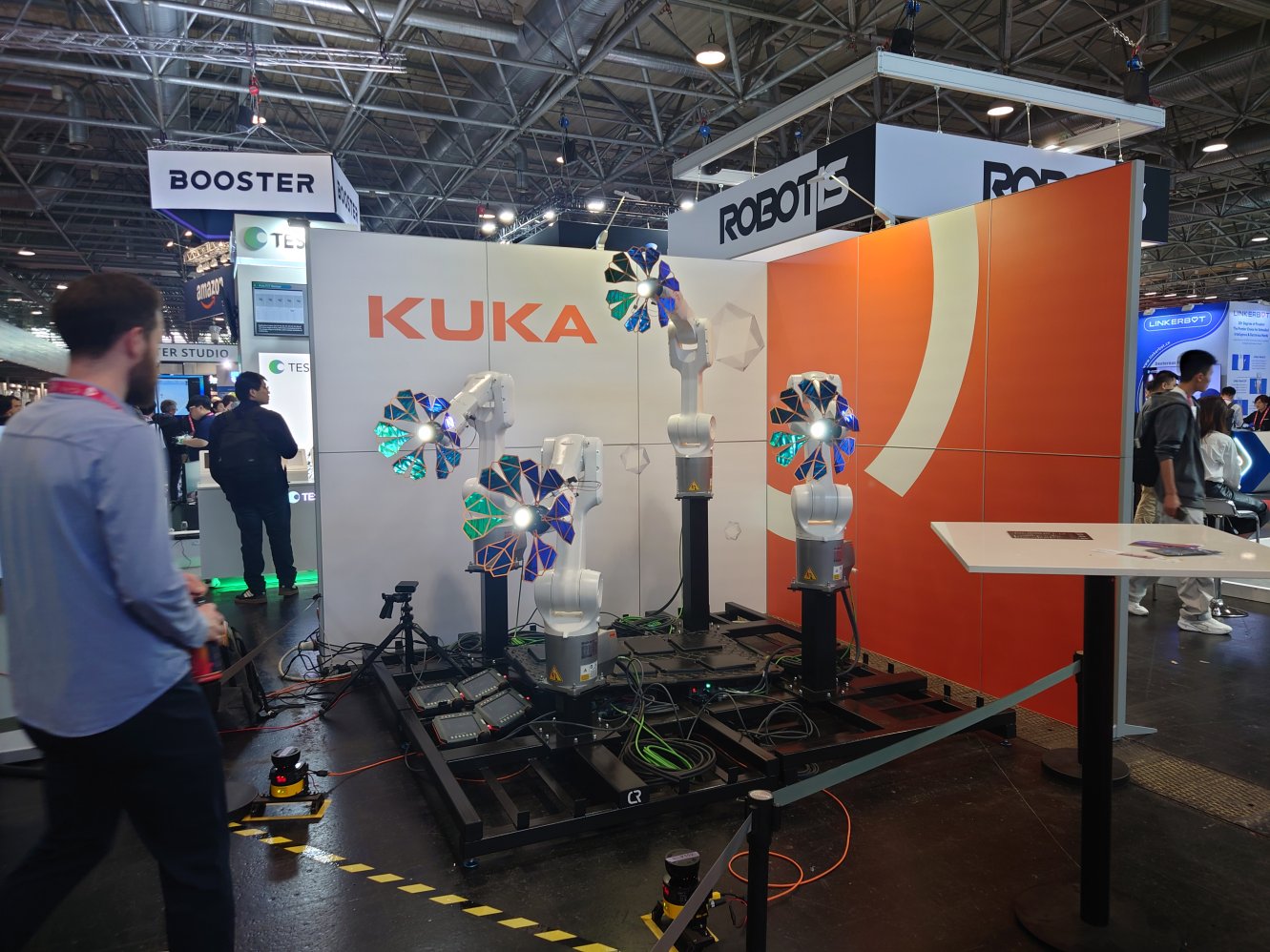
KUKA offers tailor-made automation solutions for your industry.
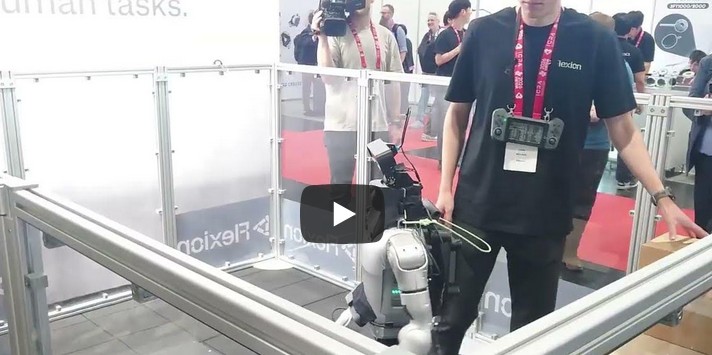
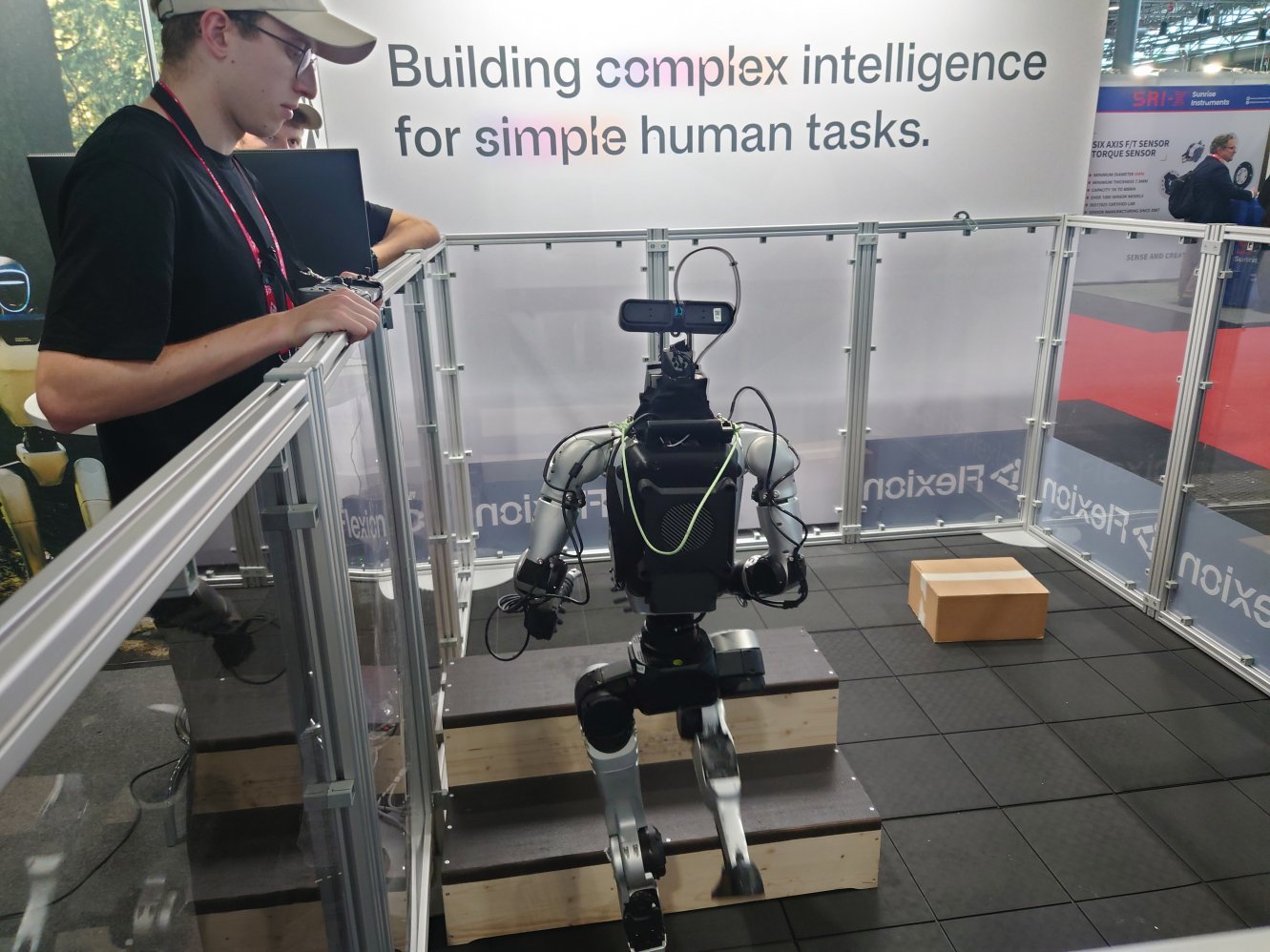
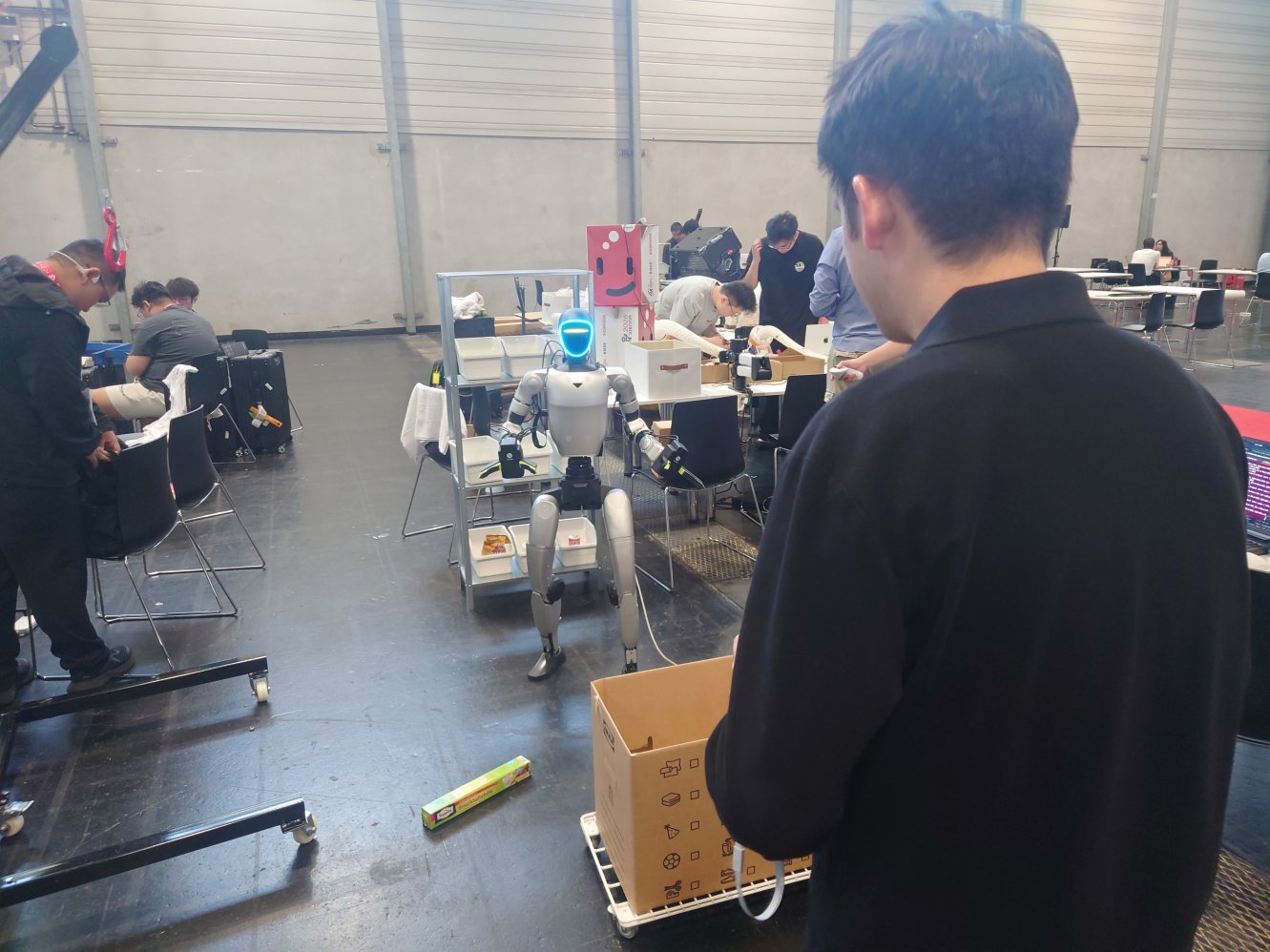
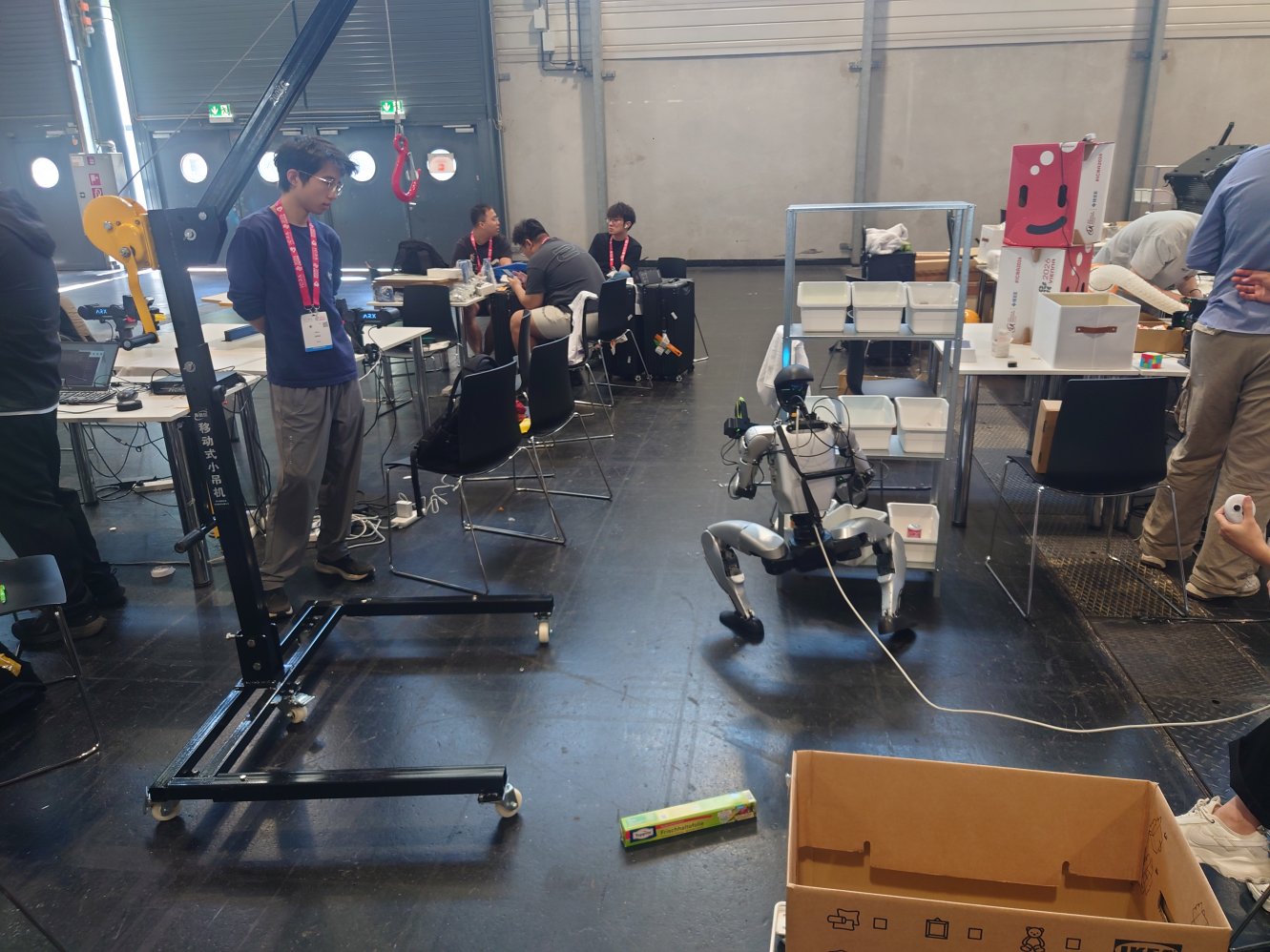
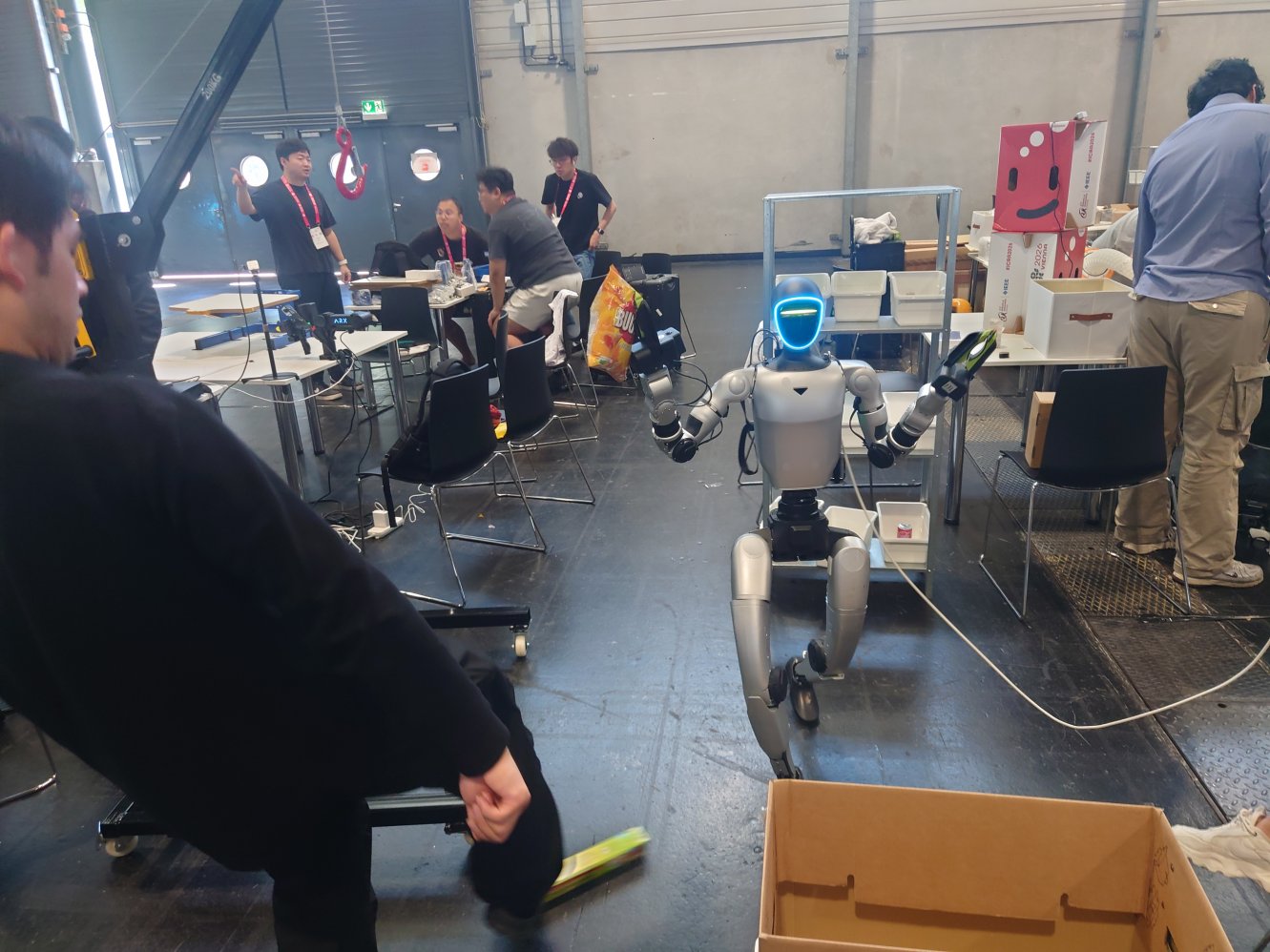
Observed at ICRA: The robot is asked to find a bag of chips on the shelf. It succeeds. Next, the chips need to be placed in the brown cardboard box. This fails. After which the robot starts searching for the dropped bag of chips. This takes time. And before it succeeds, it starts emitting the sound ''Low on battery''. Well, we can all say that when things don't really work out for us.