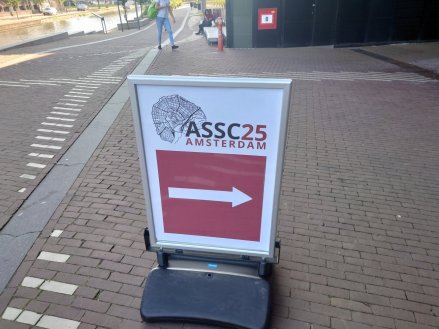
I had the great pleasure of taking part in Assc 2022 (The annual meeting of the Association for the Scientific Study of Consciousness. 12th-15th July 2022, Amsterdam. The Netherlands).
Below you will find impressions from the conference, and links for further reading.
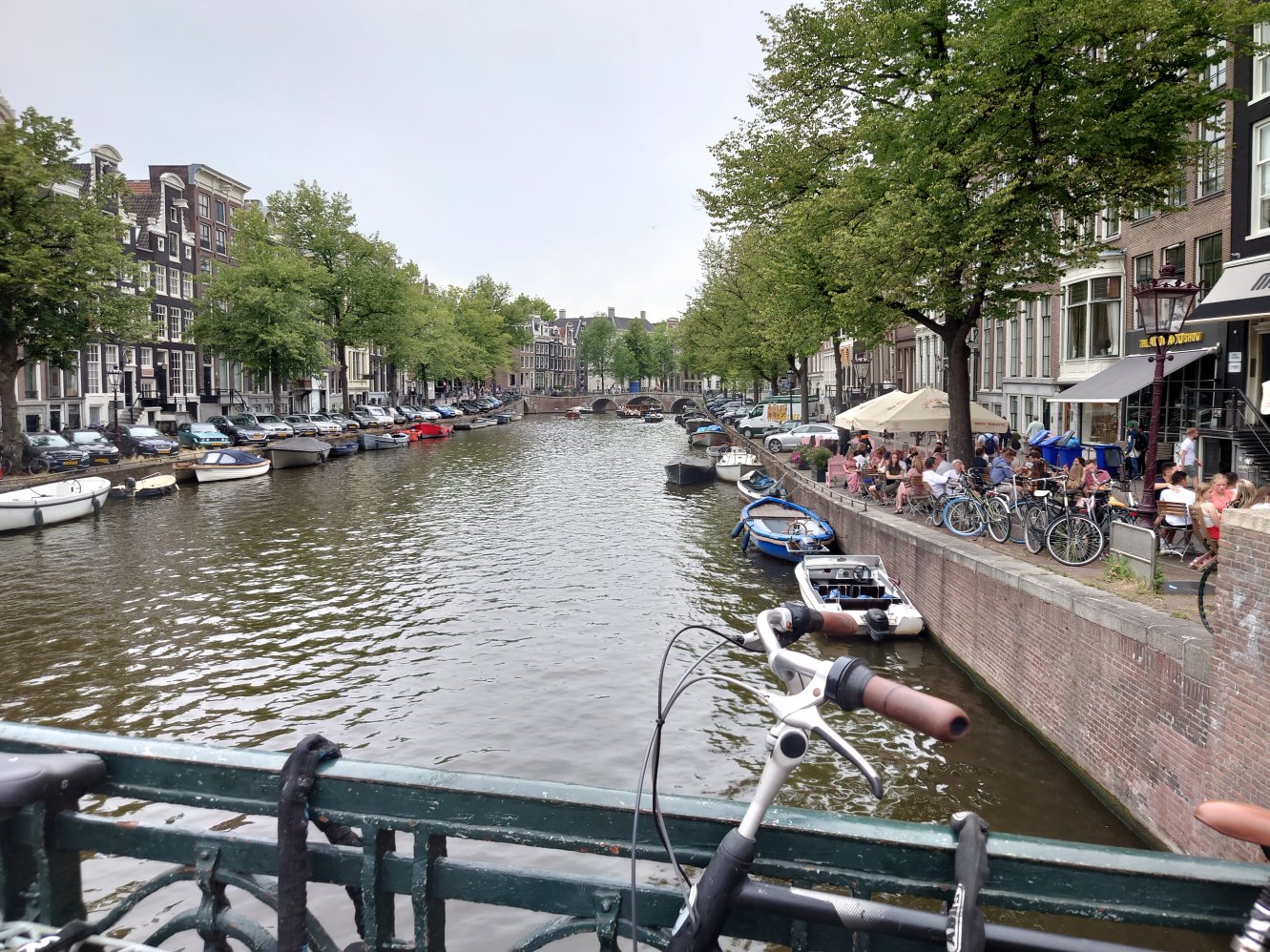
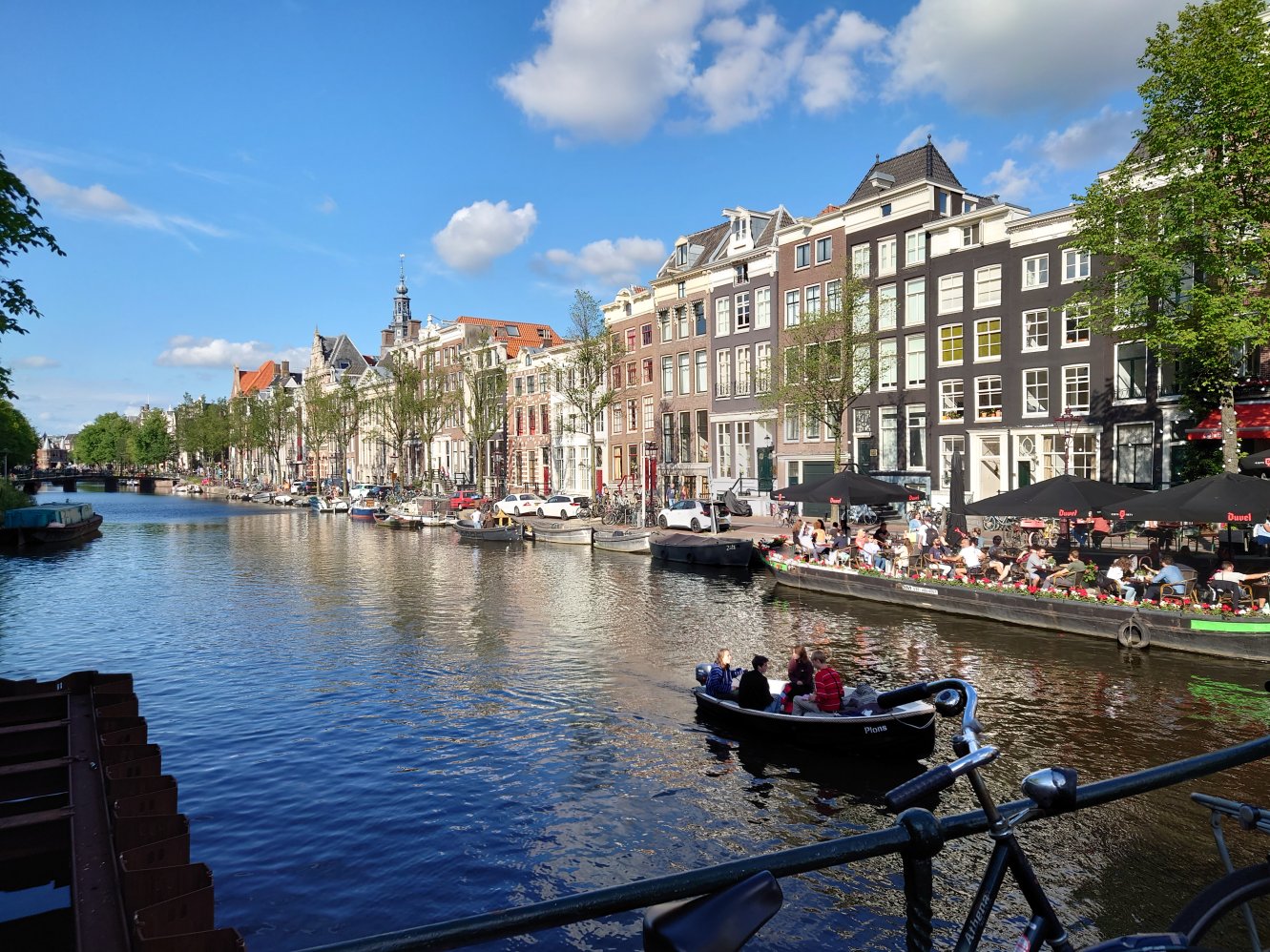
The Assc 2022 conference was held in the beautiful city of Amsterdam (the Netherlands).
Tried to follow as many talks as possible. But, well, these notes are, of course, in
no way, shape or form complete...
Rather, these notes were written on conference nights, as my way of
keeping track of the events that I attended at the conference. And as a way of storing links and references for future reference.
But enough disclaimers, below, you'll find impressions and links from some of the conference talks and seminars,
including links for further reading.
Great stuff indeed. And much more (Consciousness stuff) to look forward to in the coming years!
1. Assc 2022.
Assc 25:The annual meeting of the Association for the Scientific Study of Consciousness. 12th-15th July 2022, Amsterdam. The Netherlands.
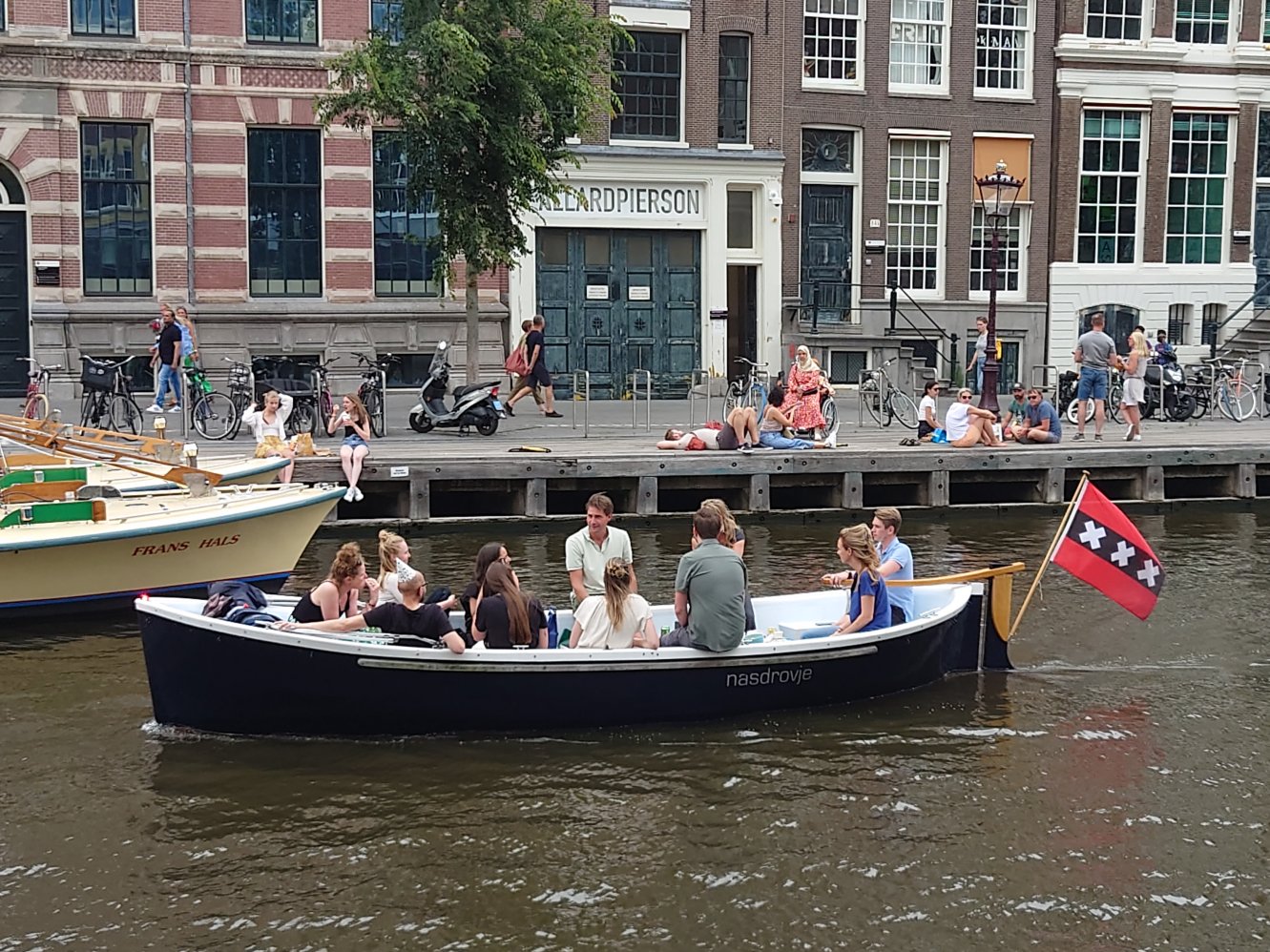
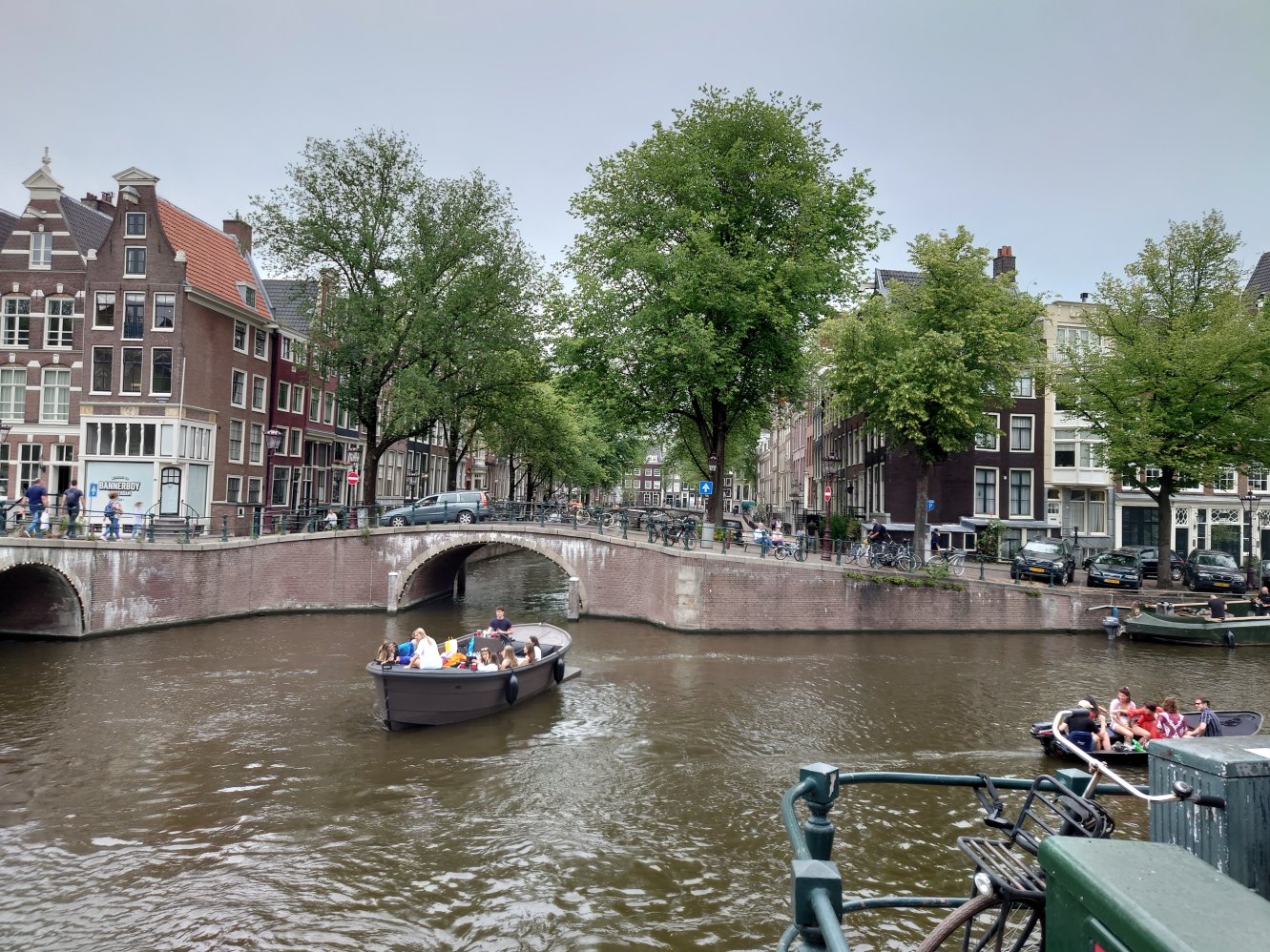
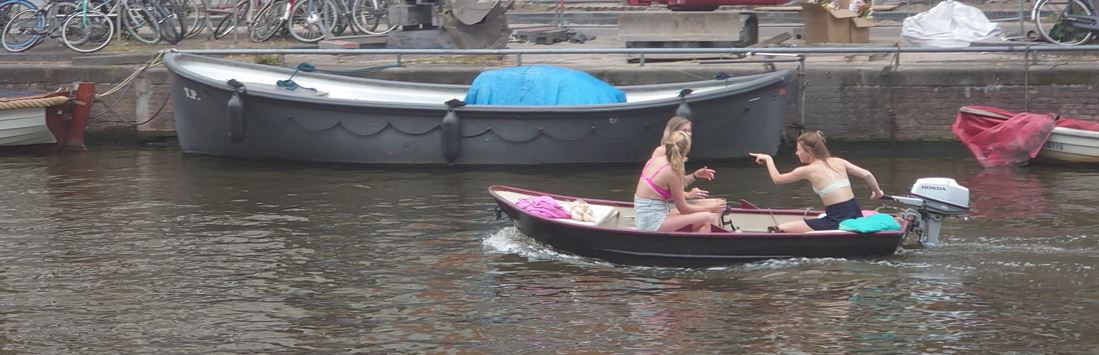
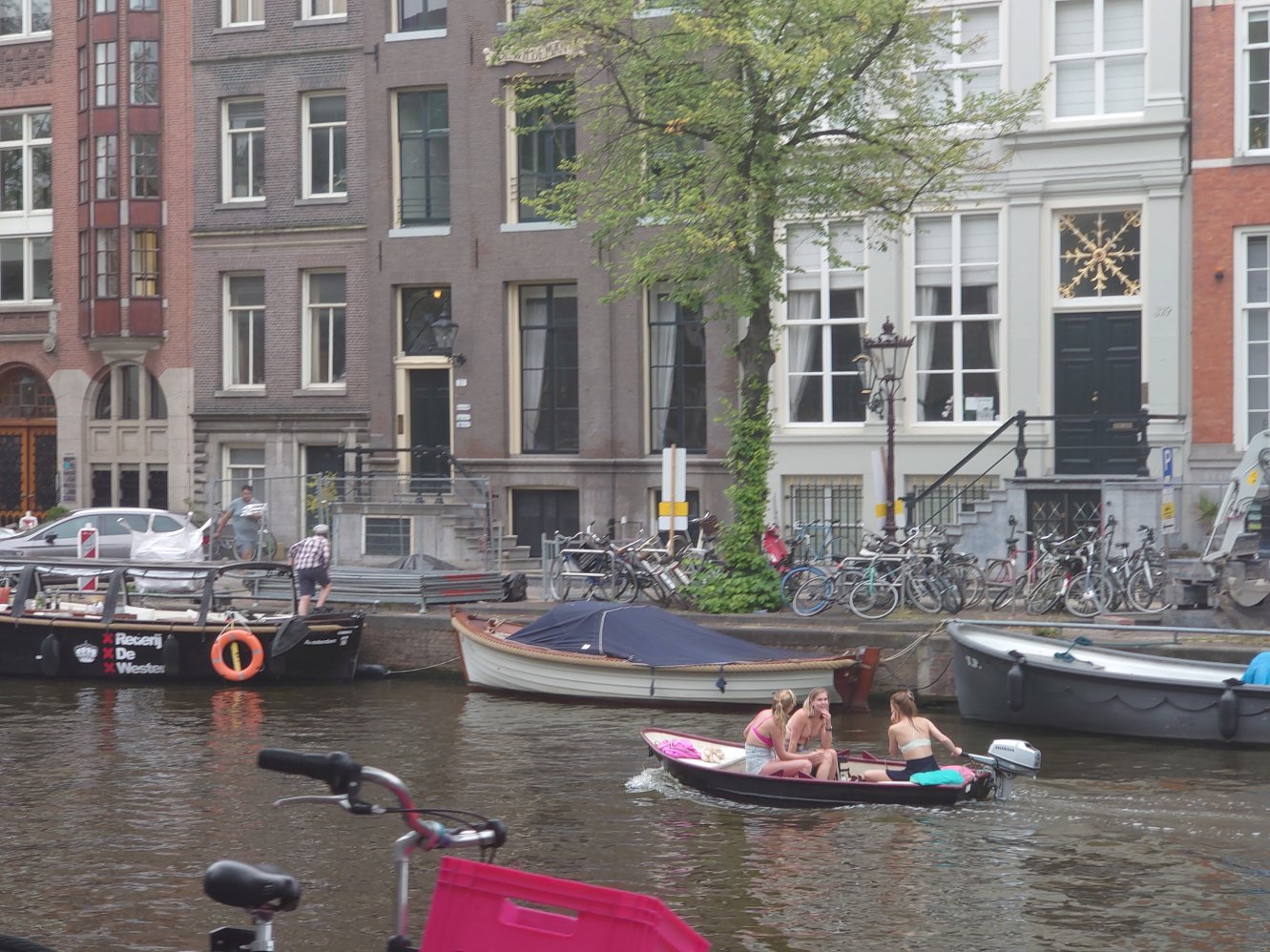
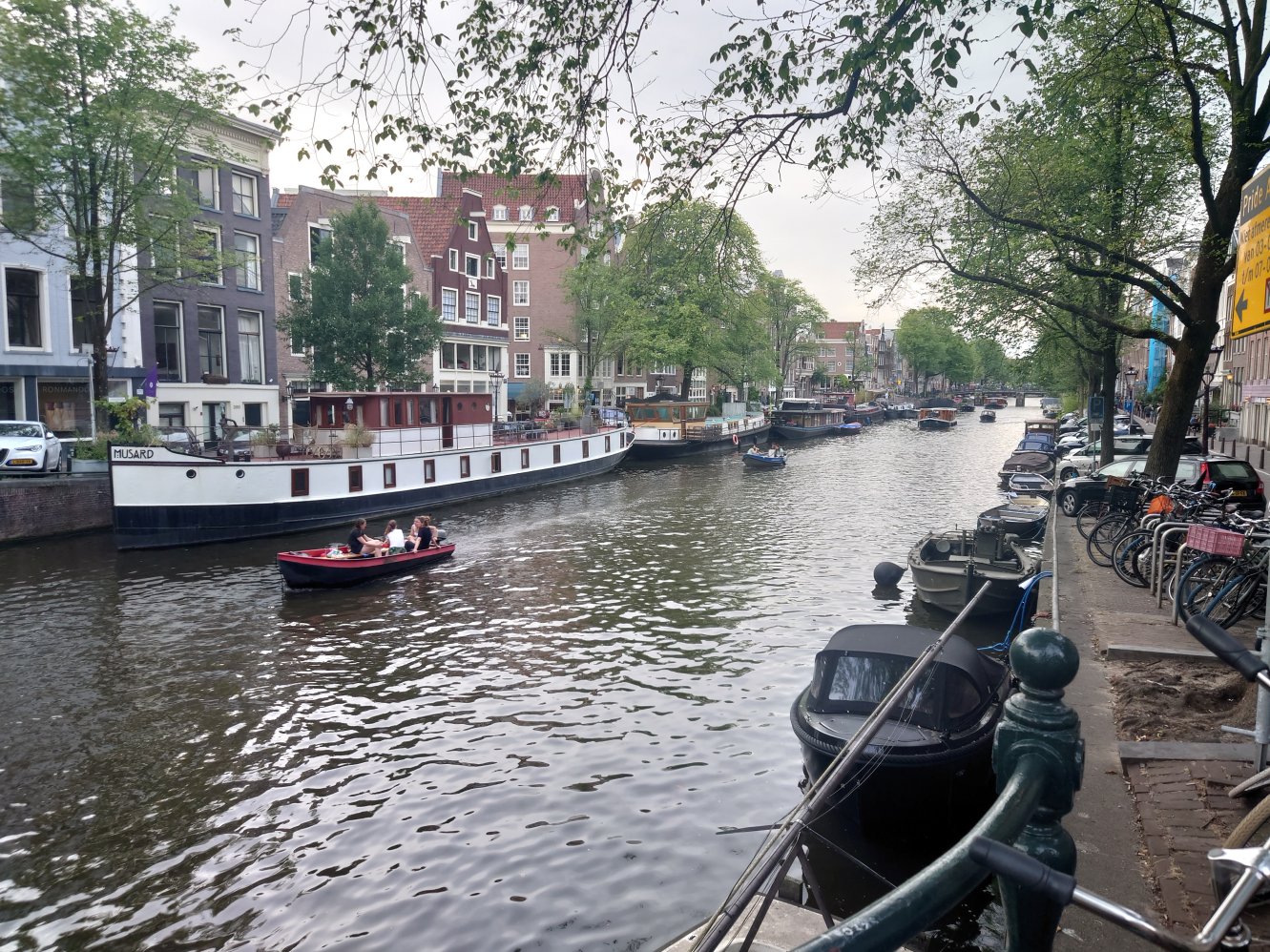
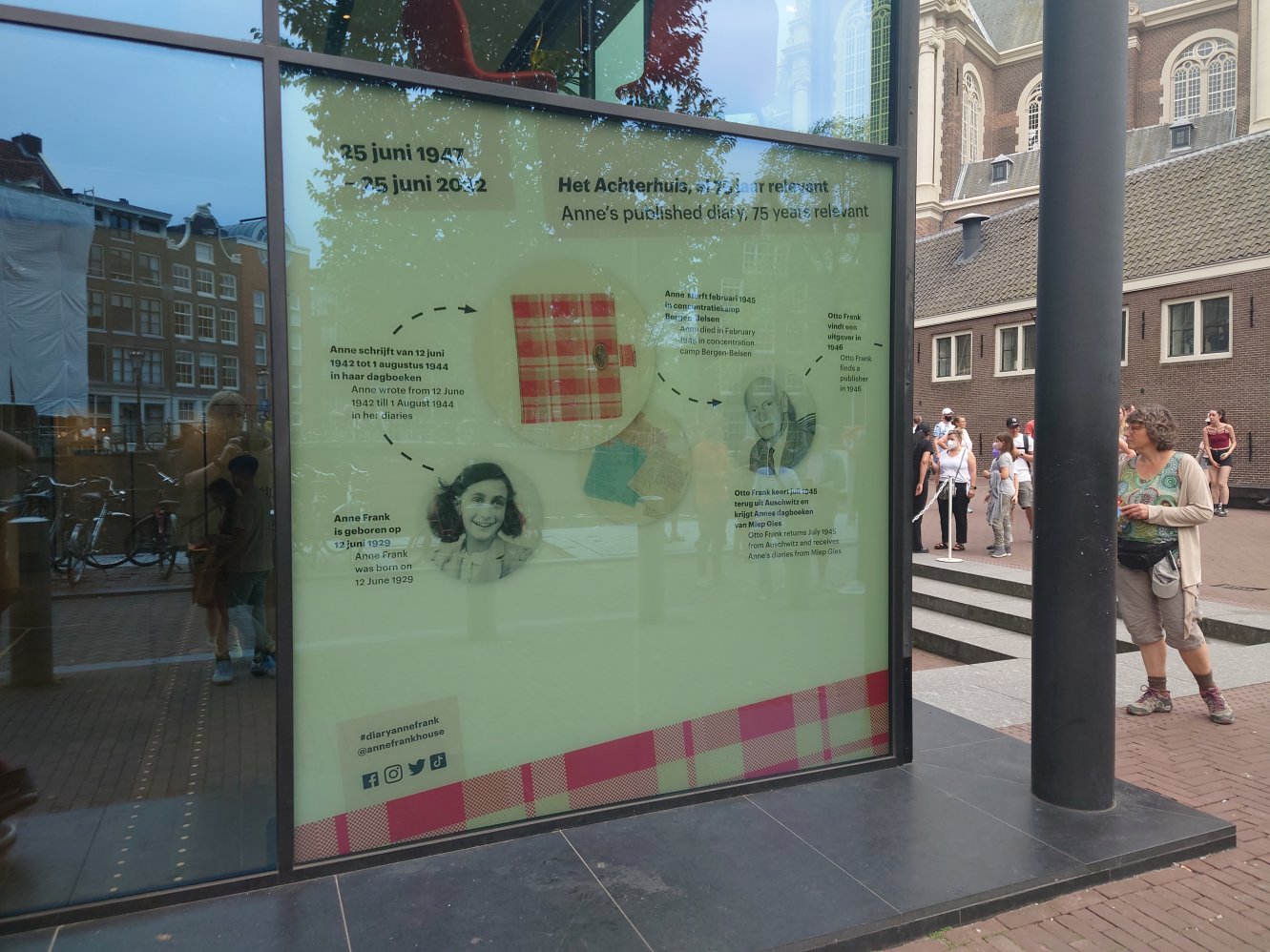
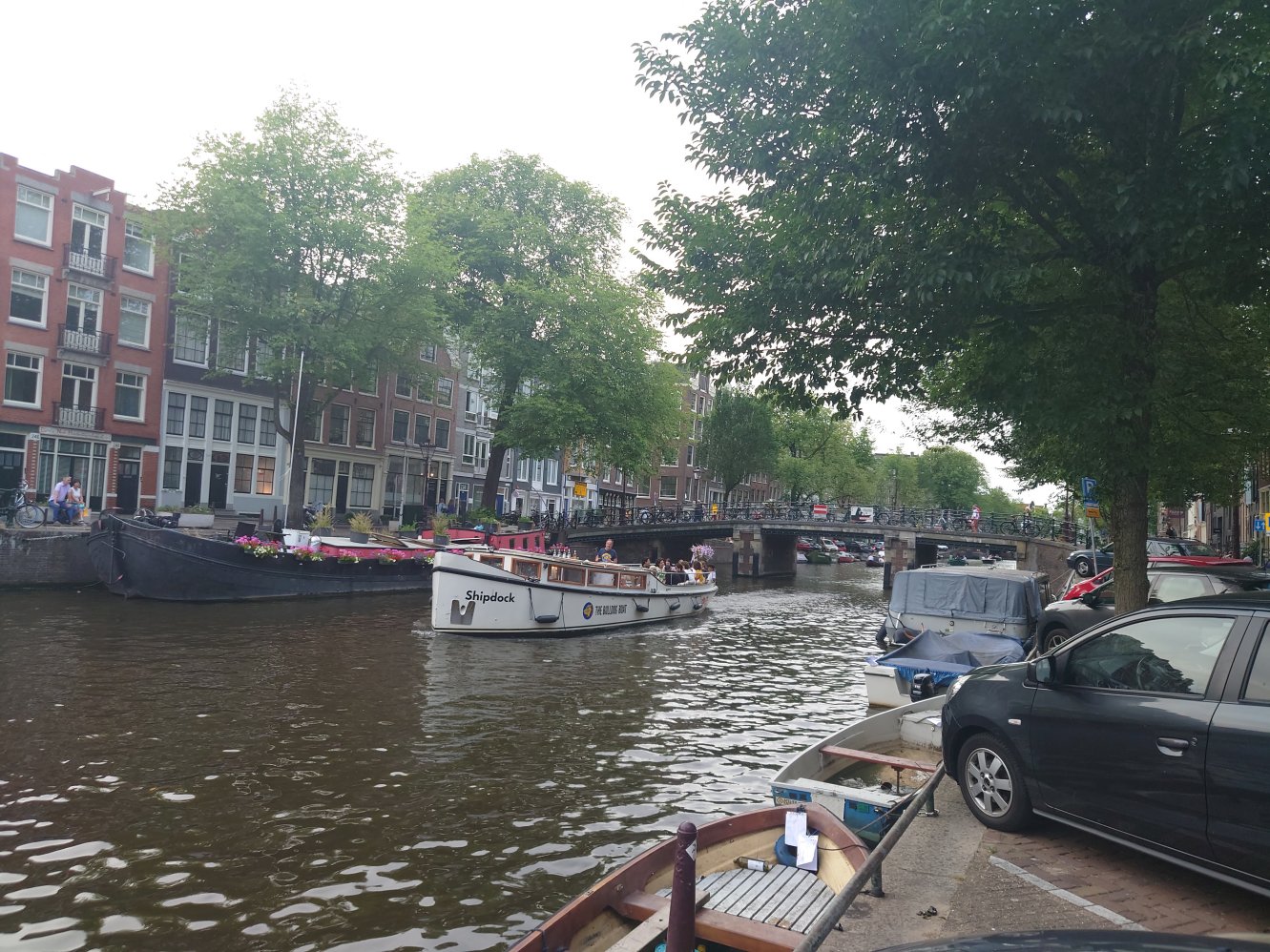
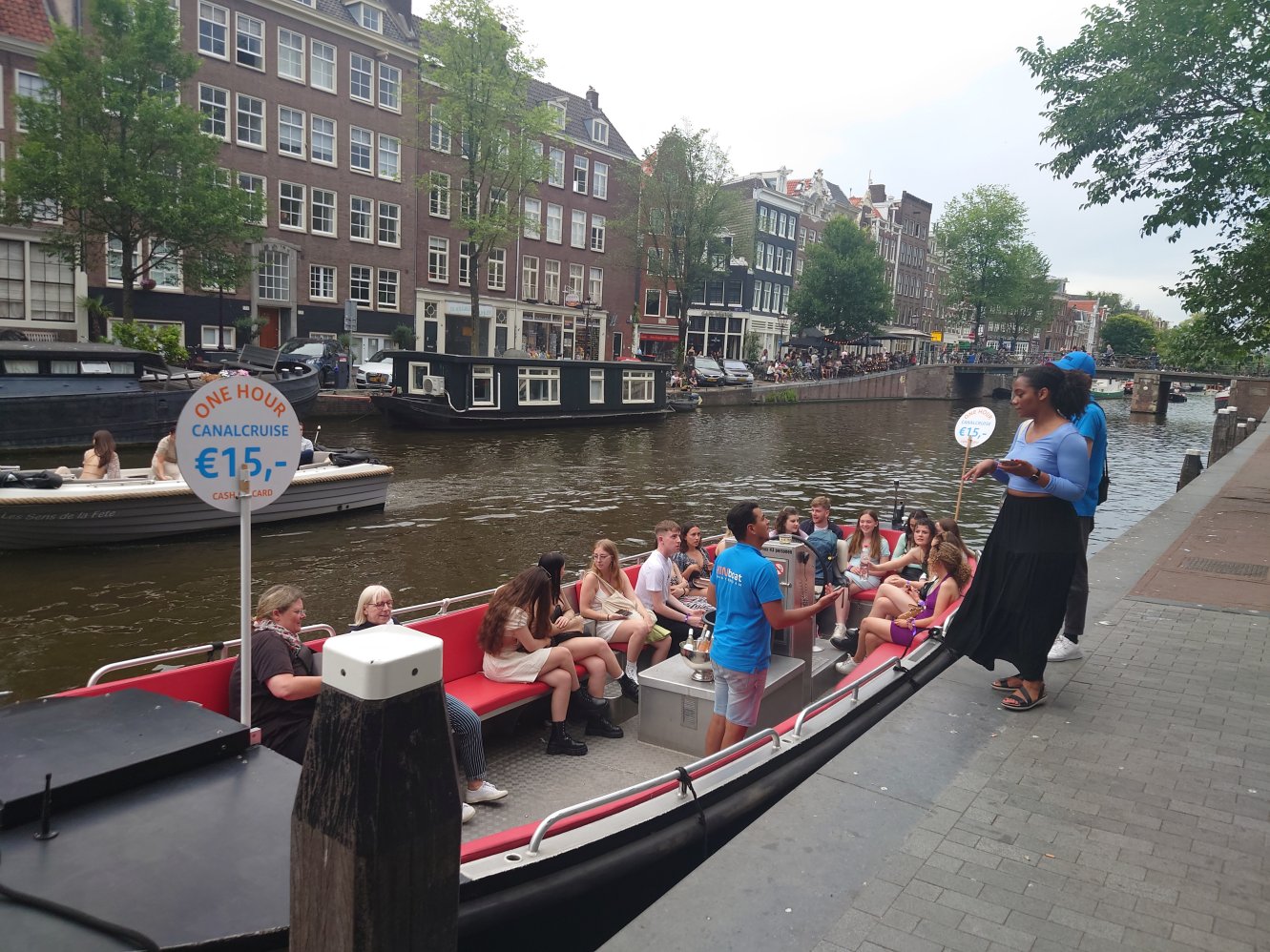
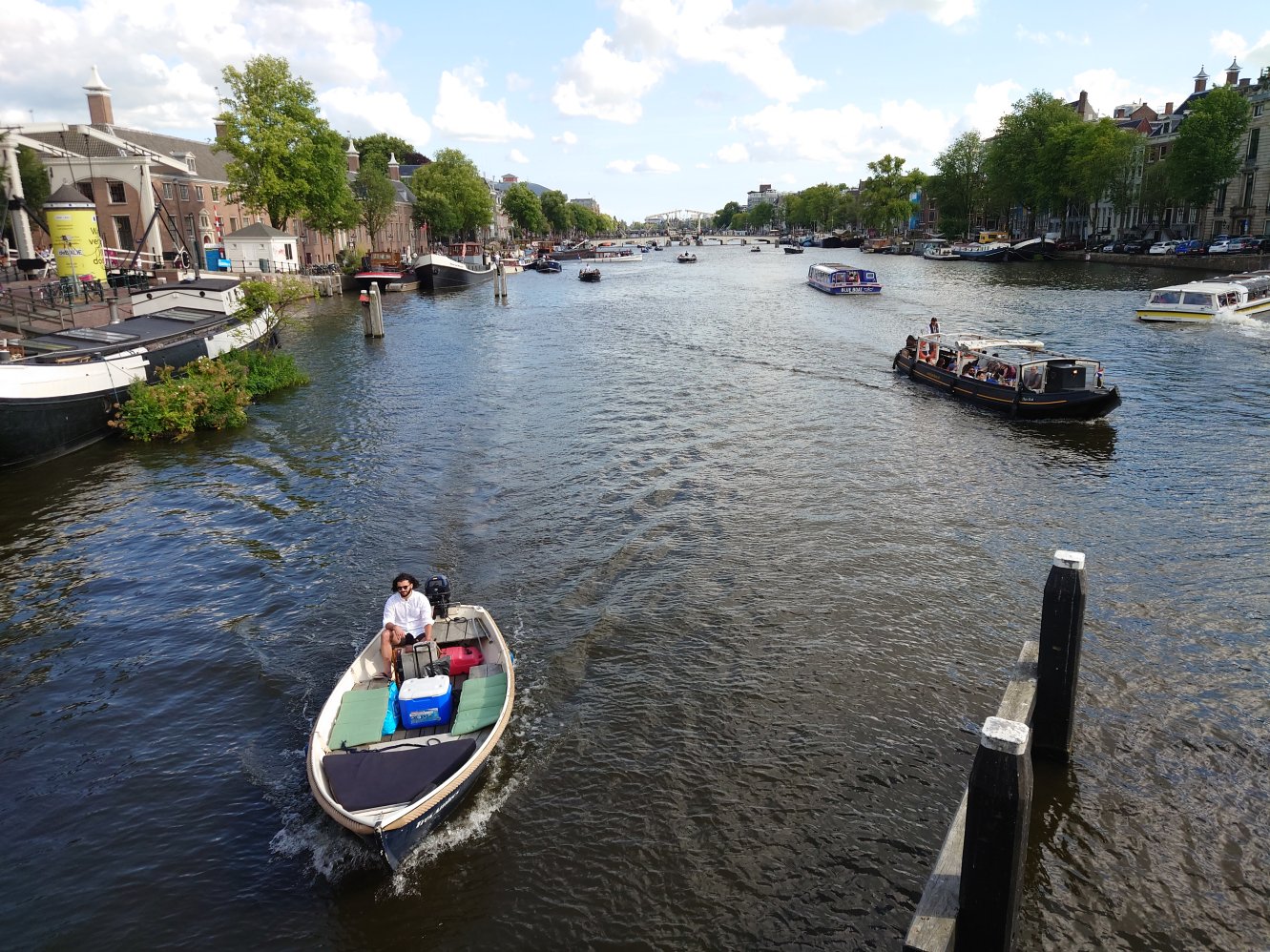
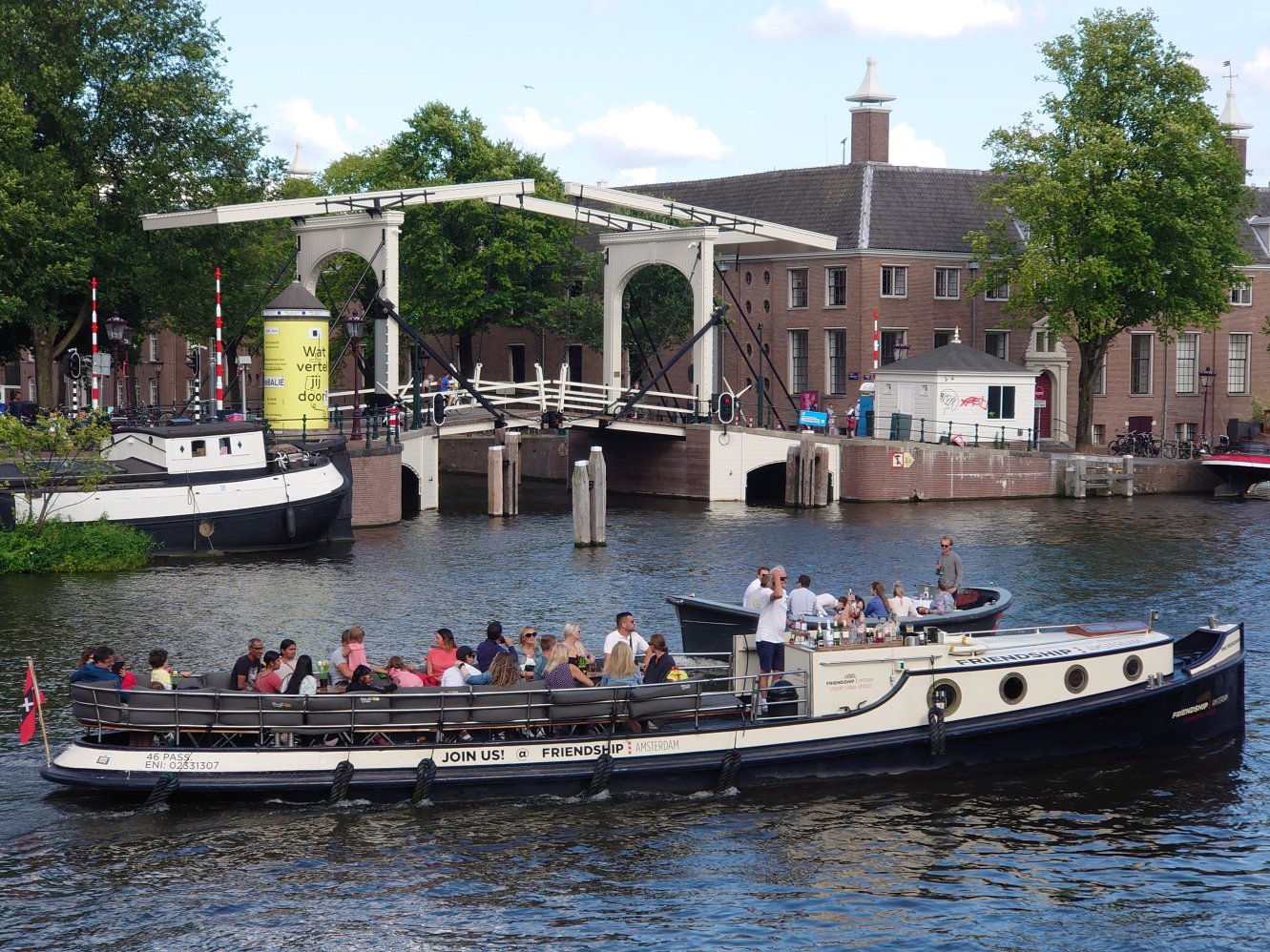
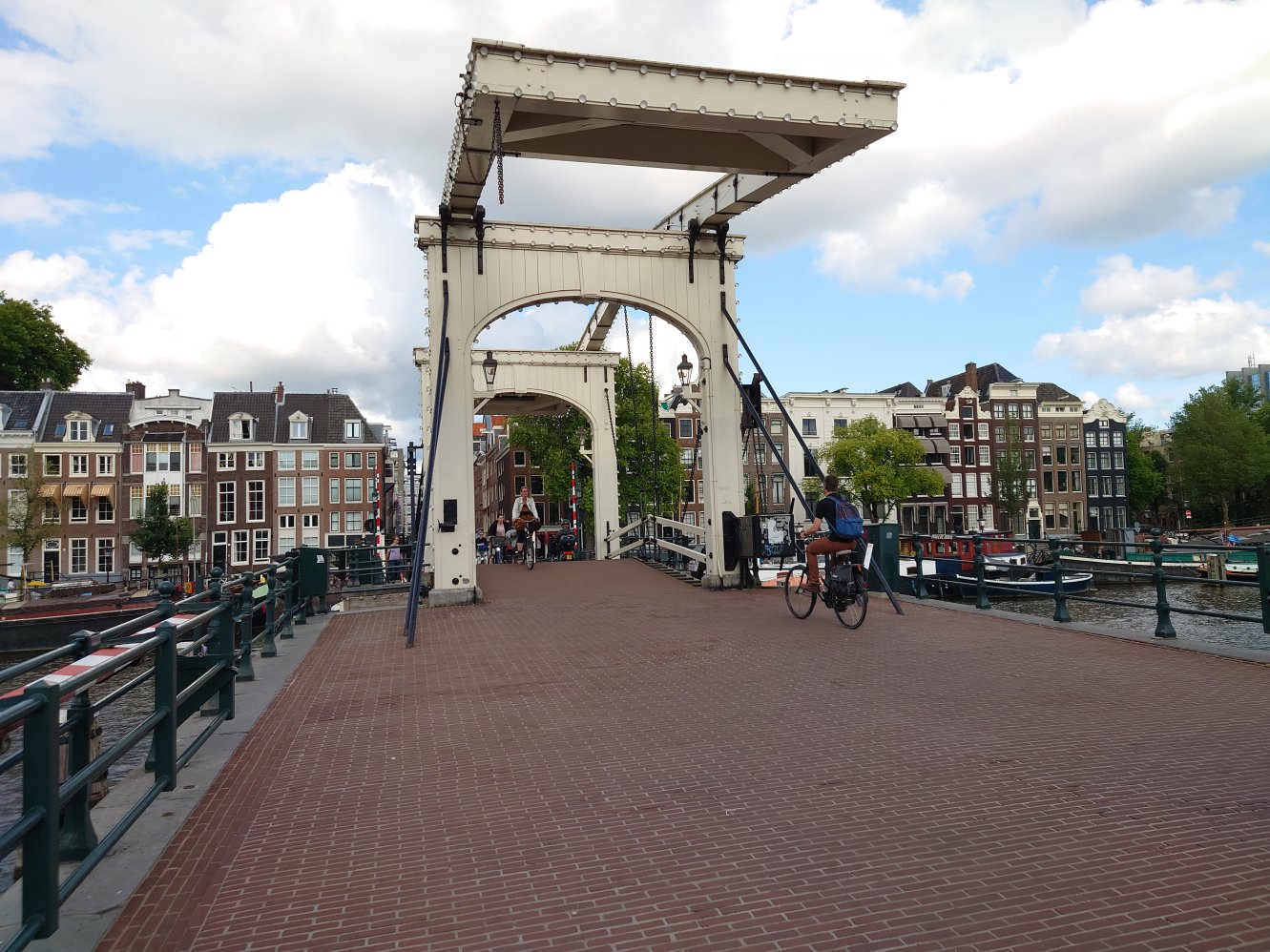
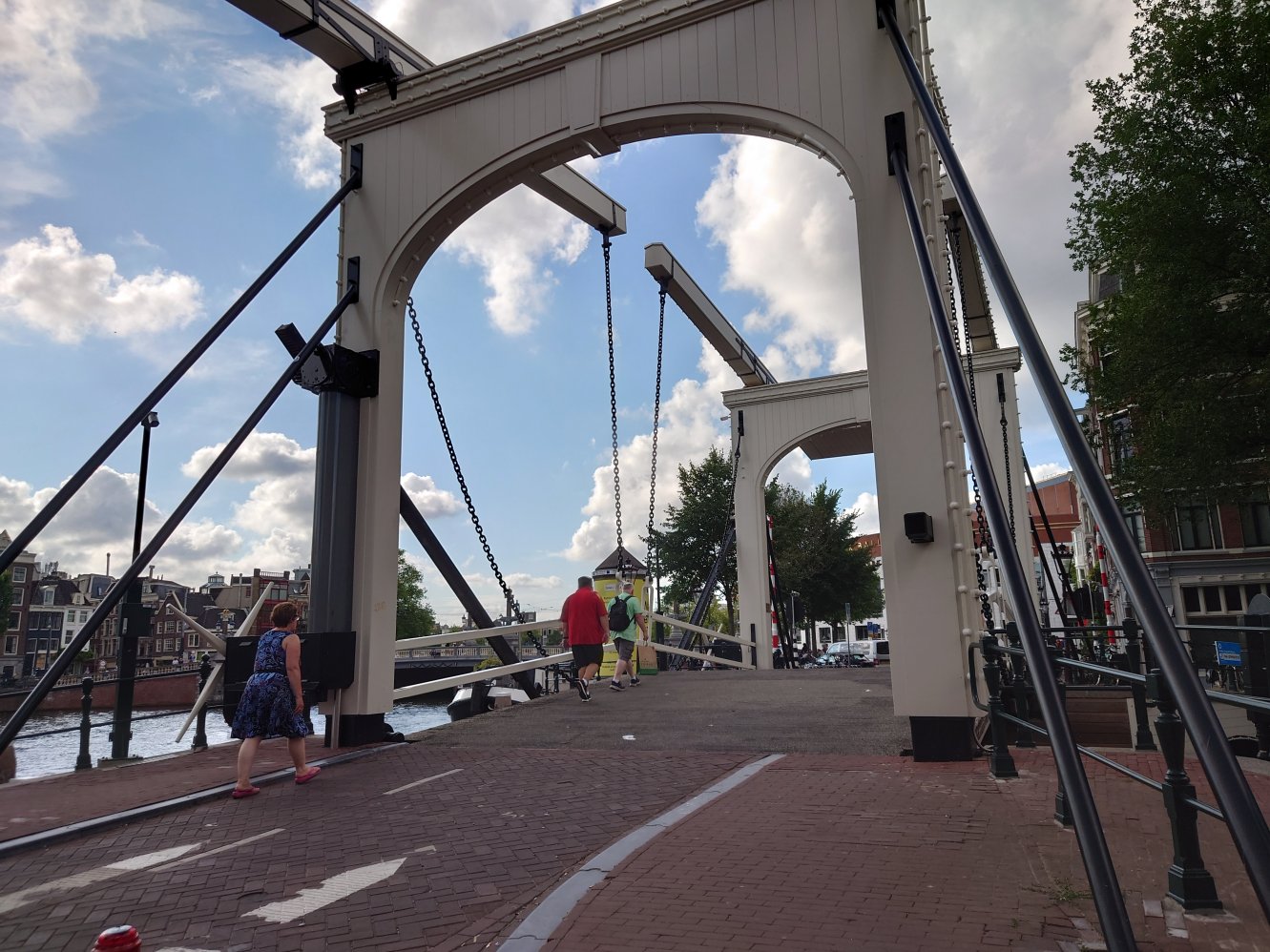
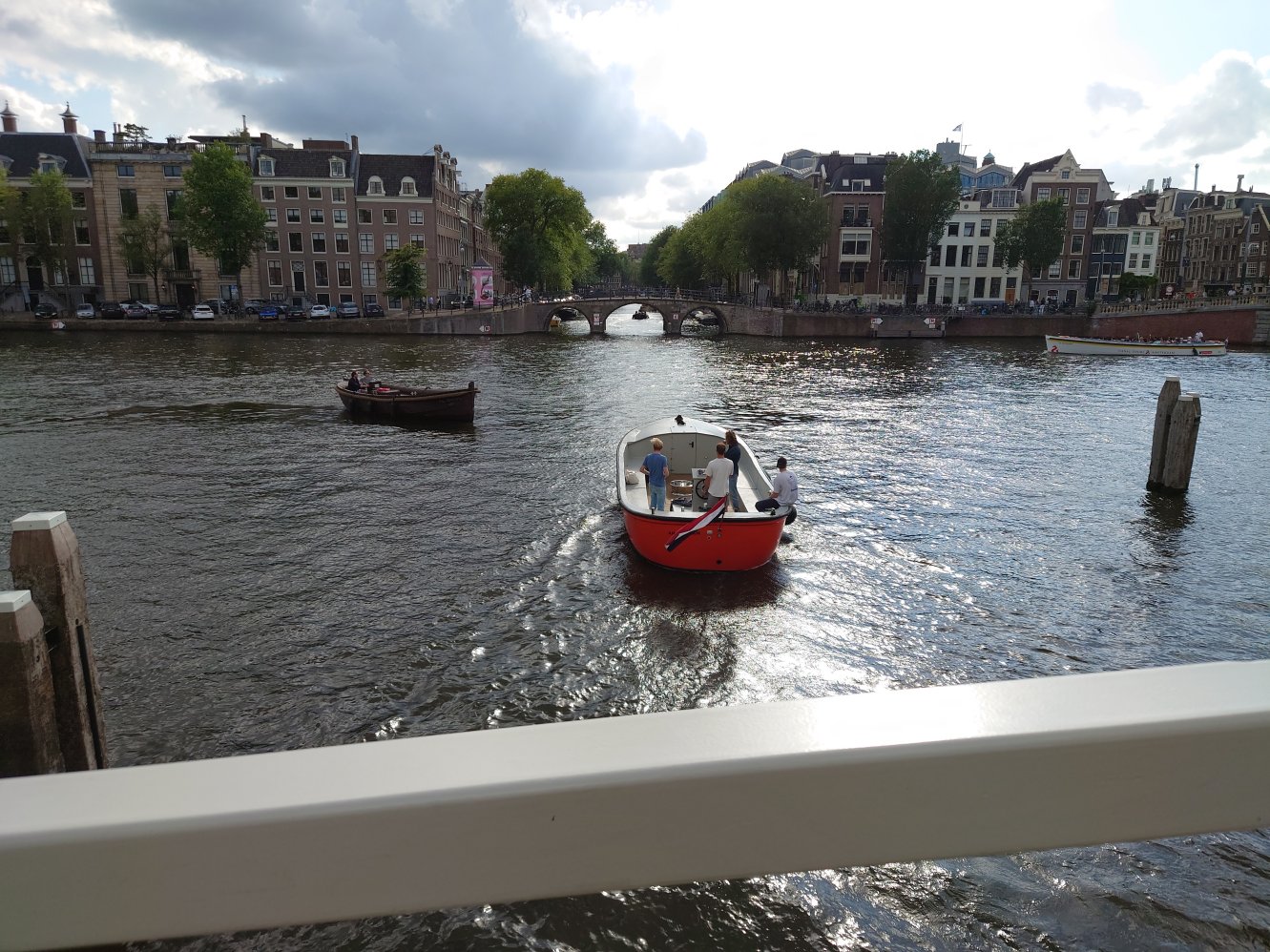
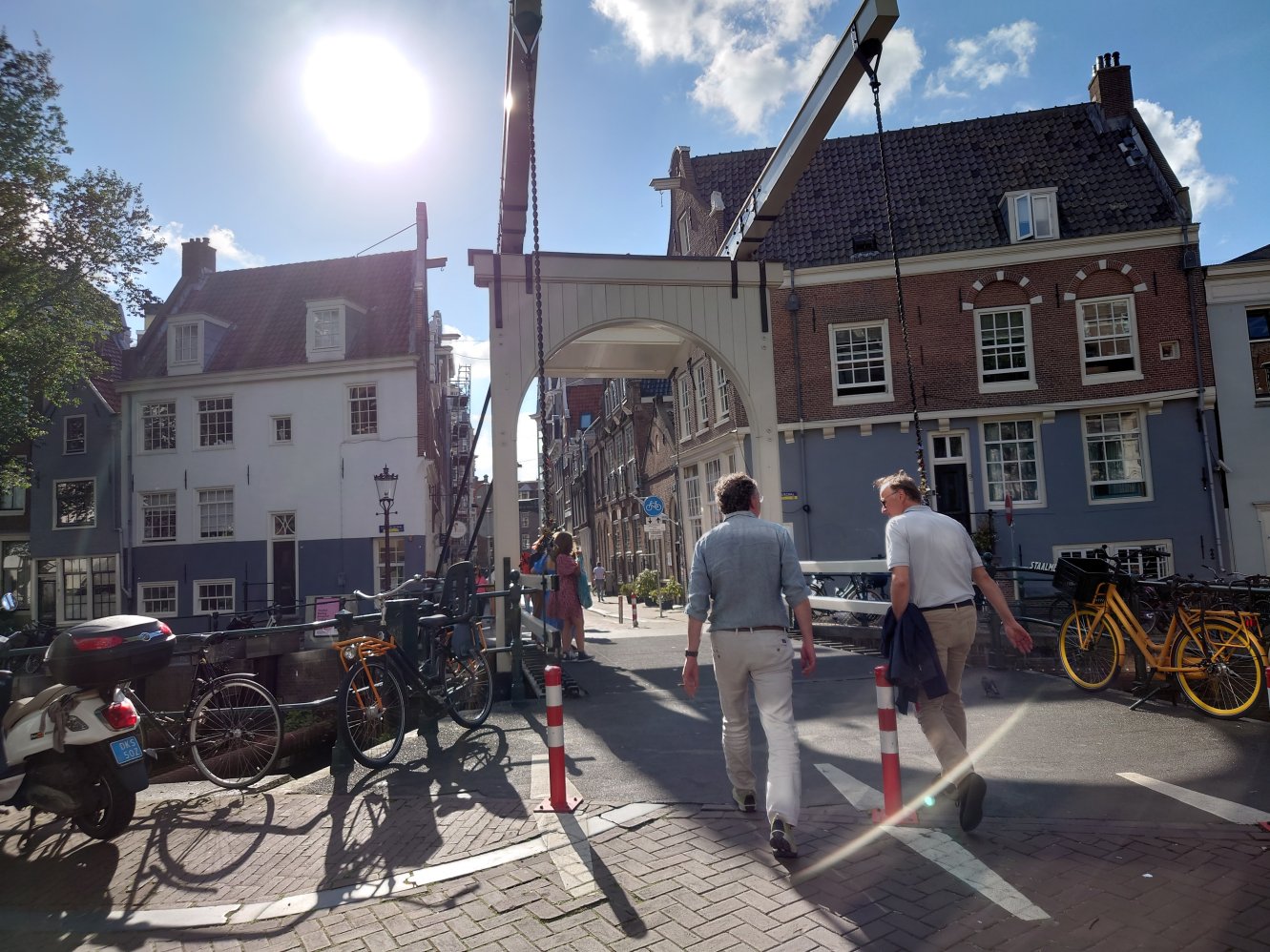
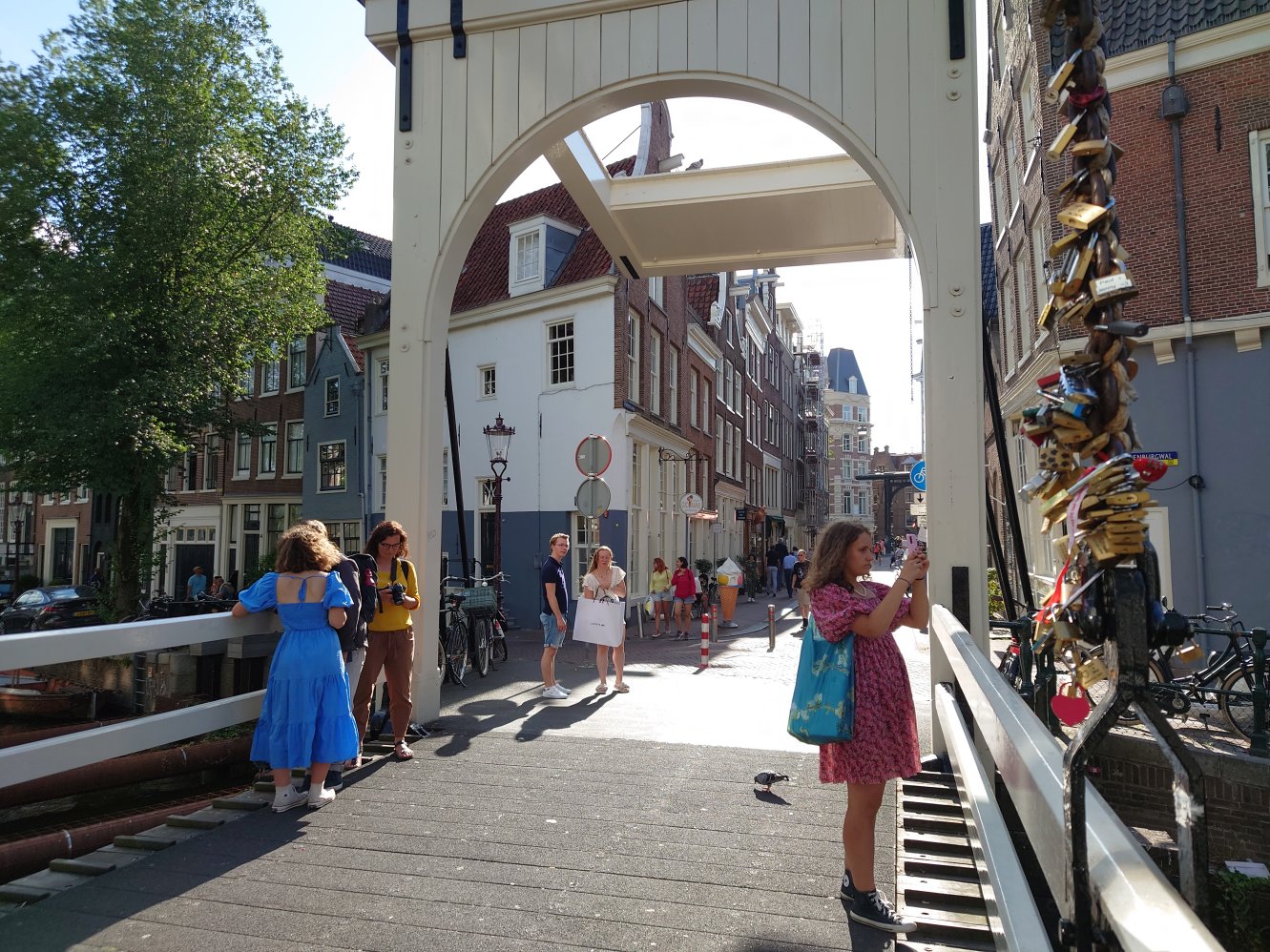
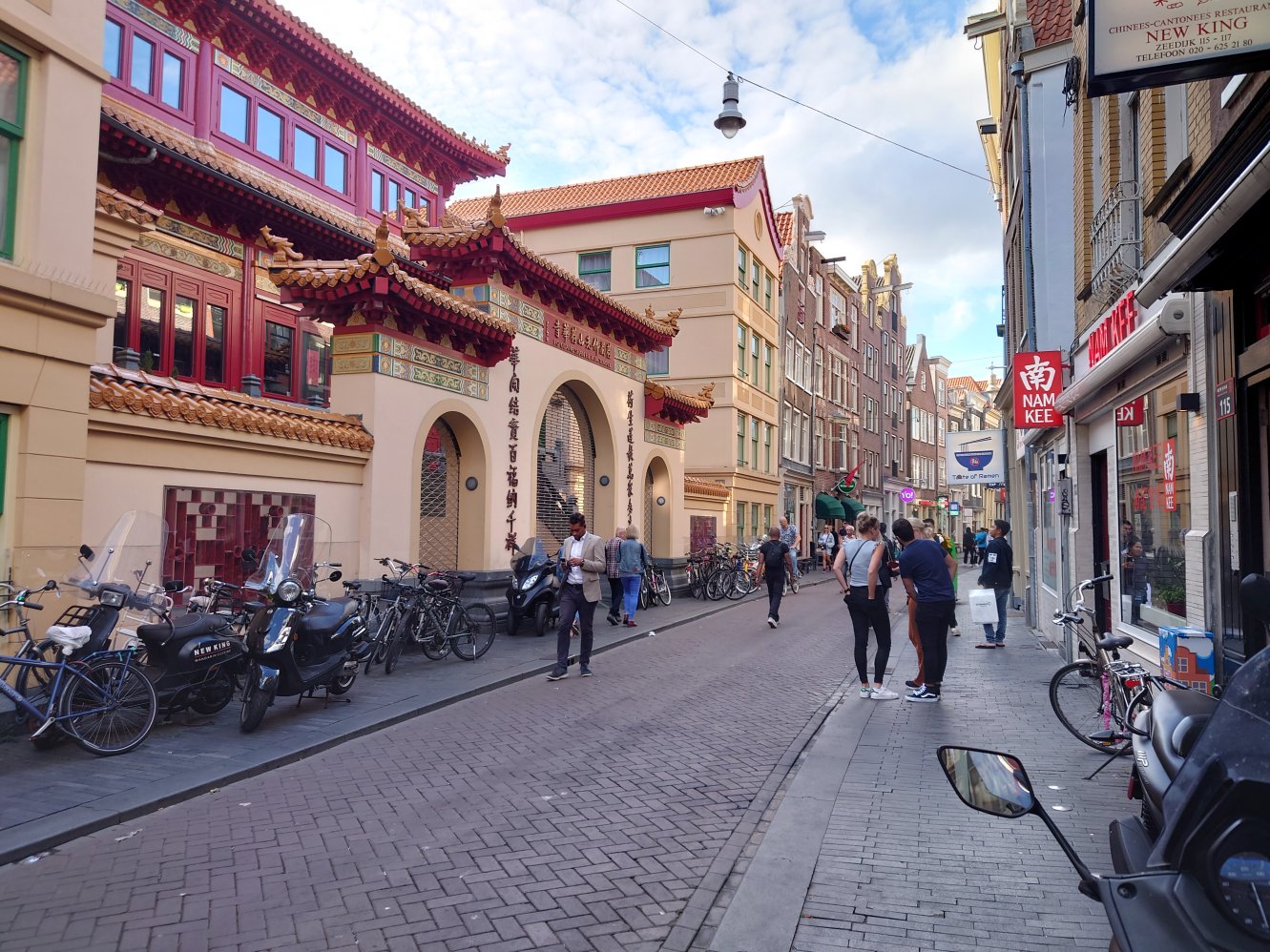
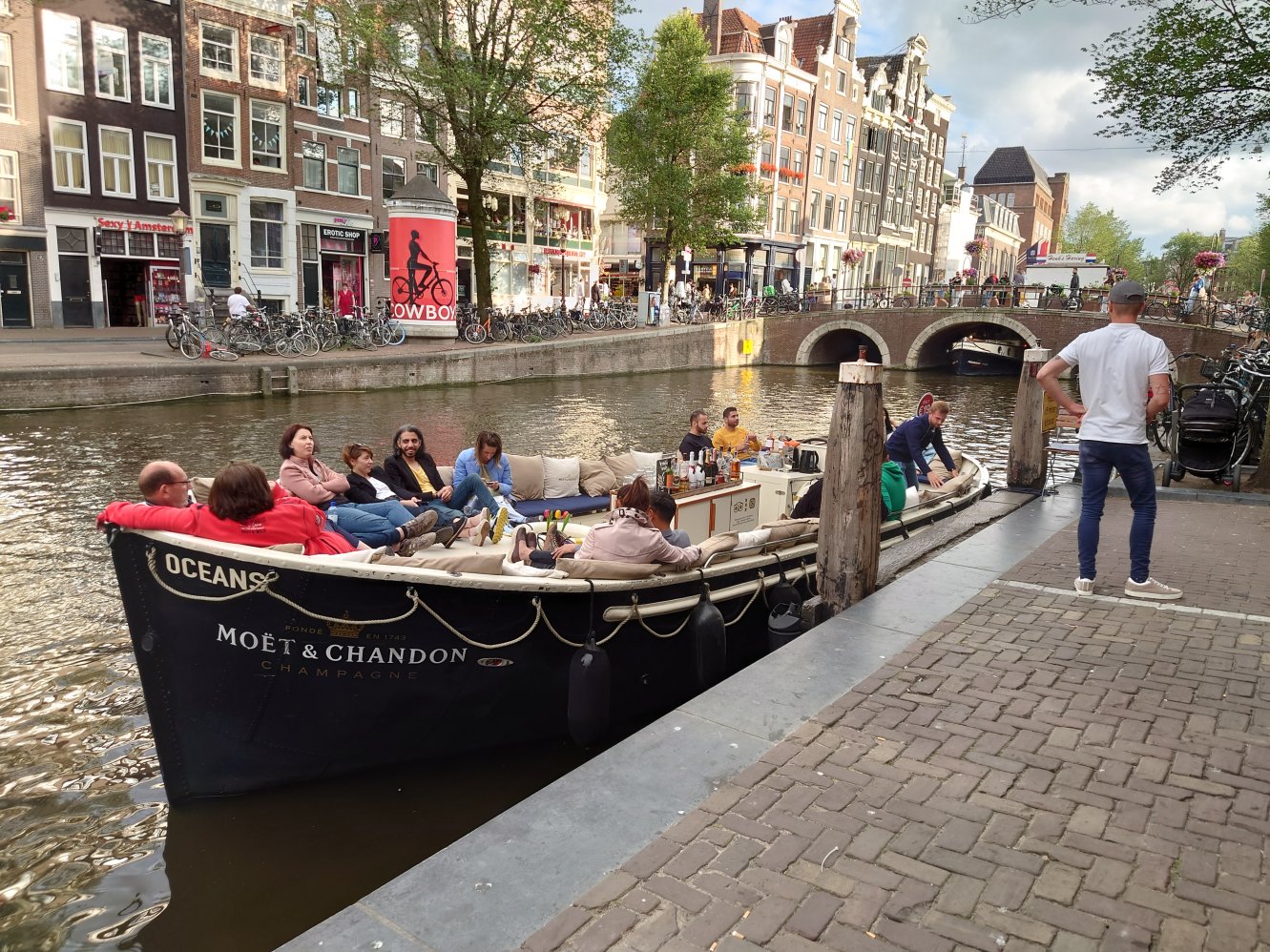
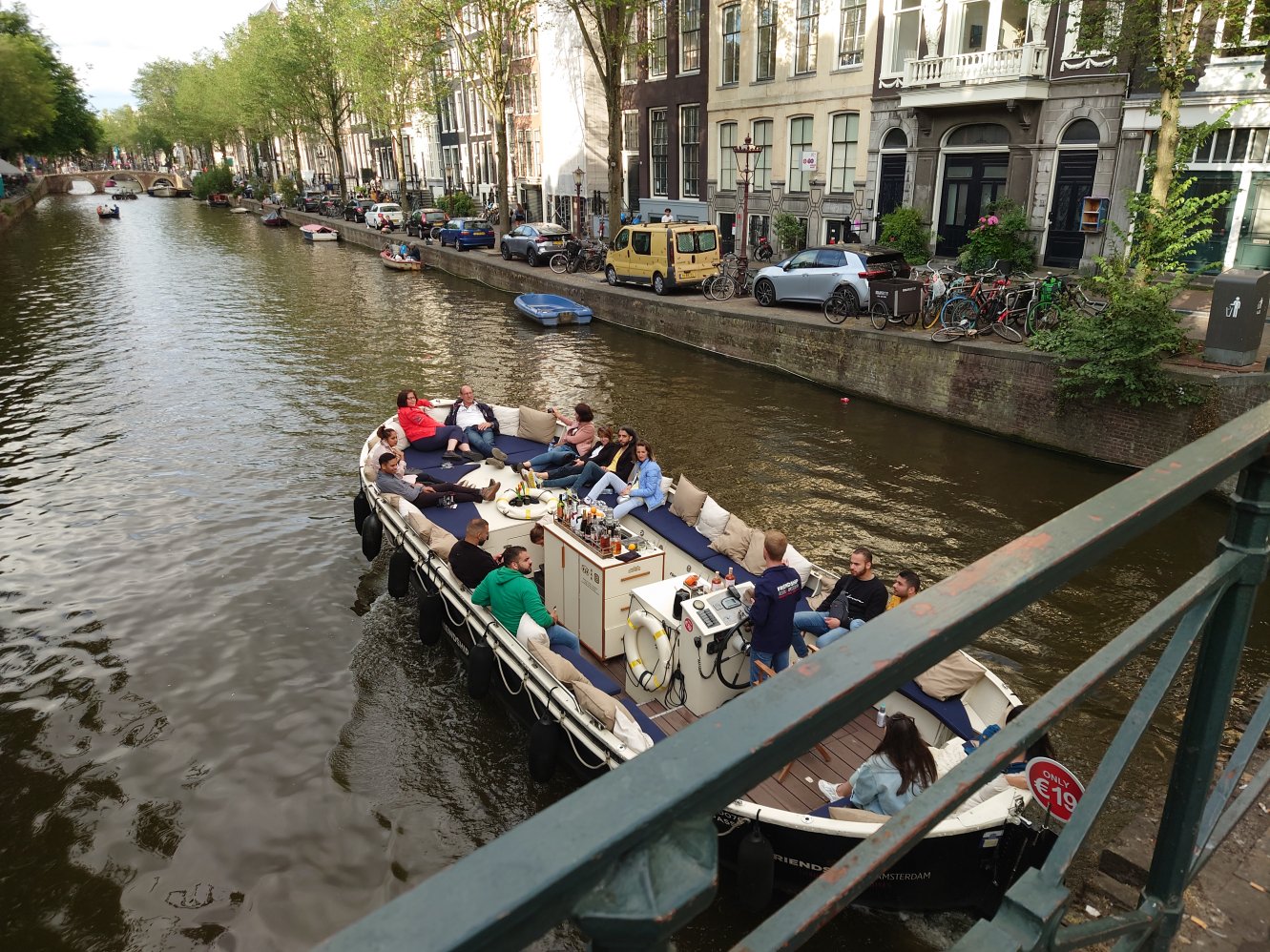
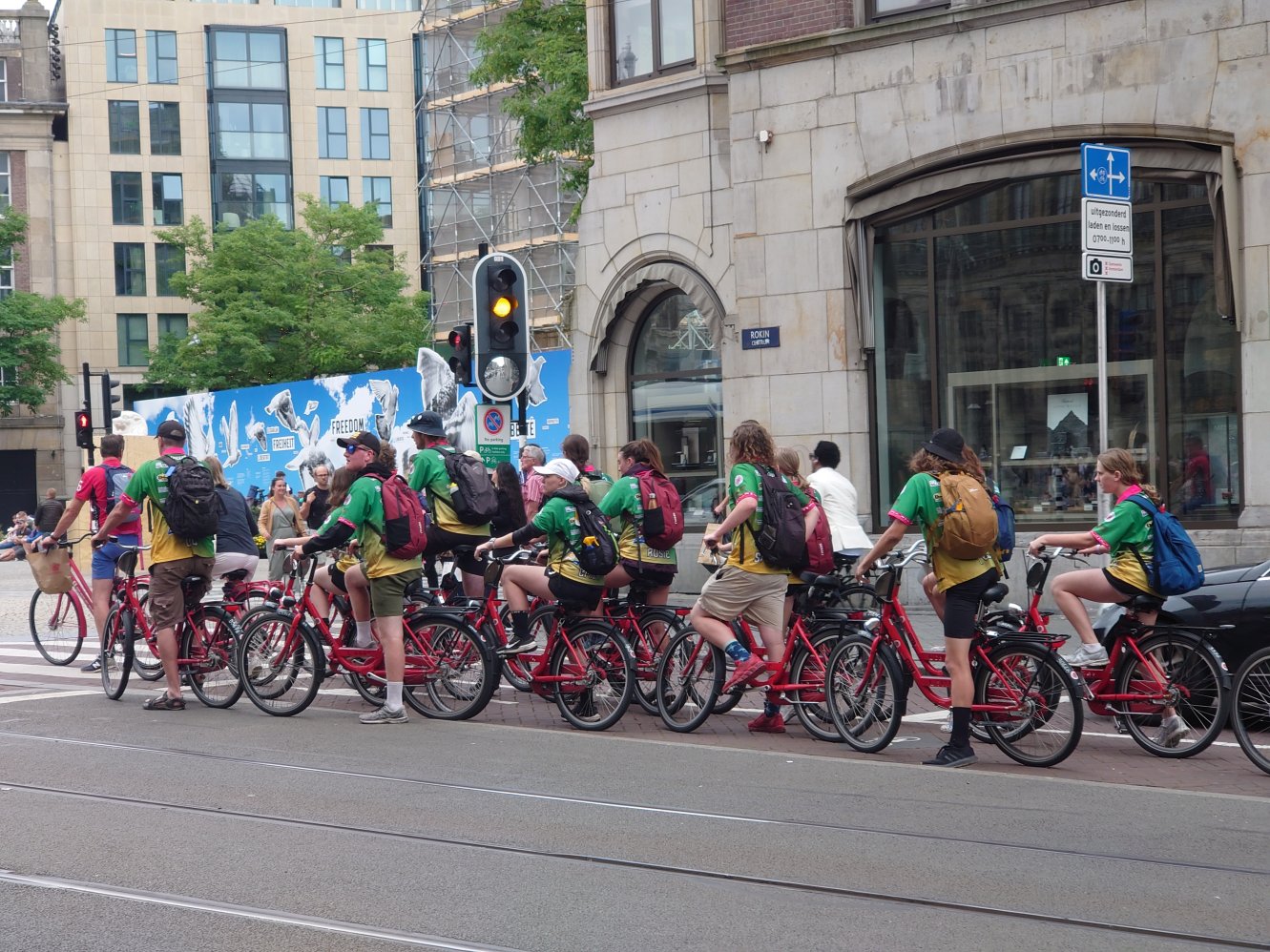
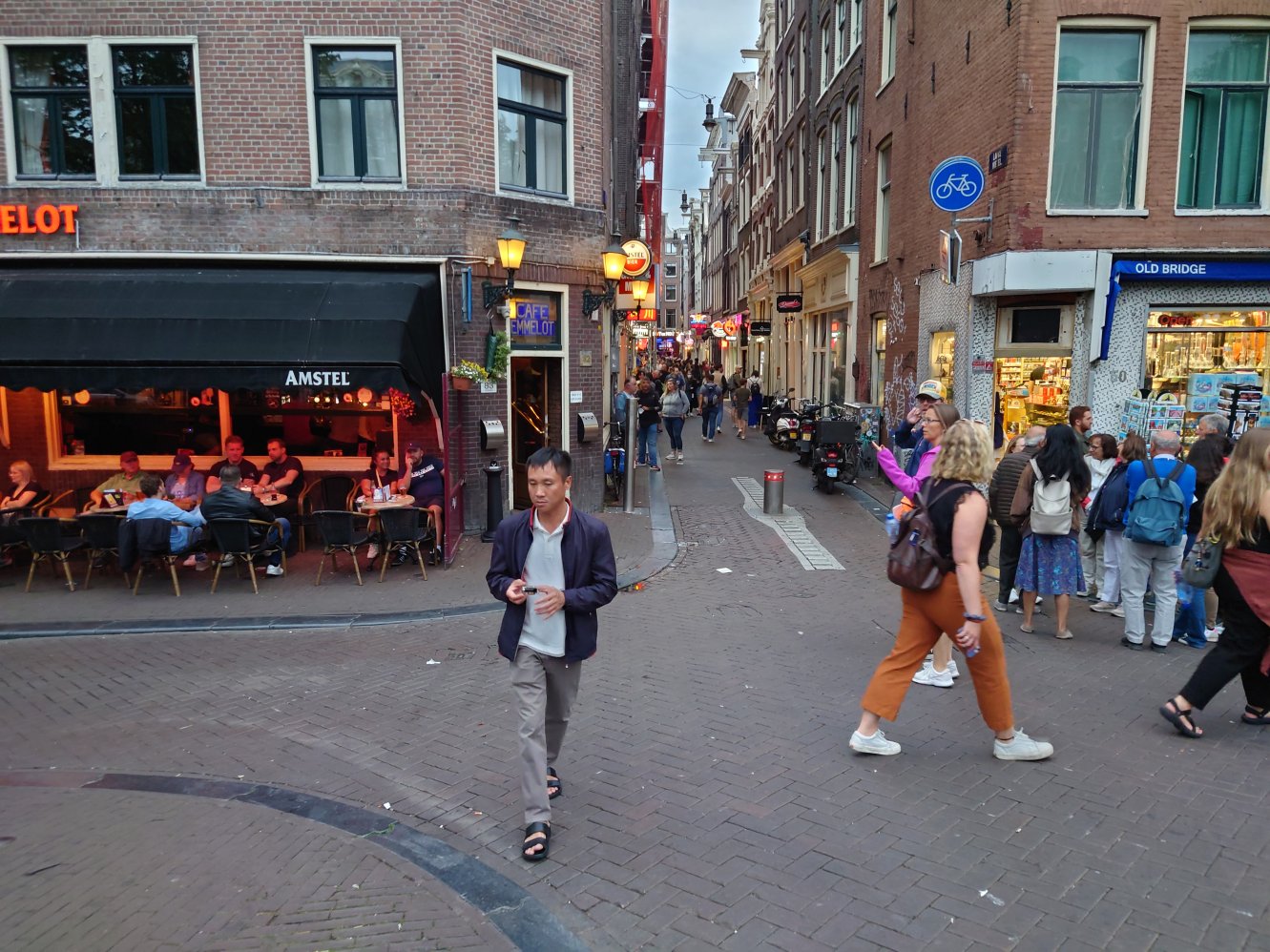
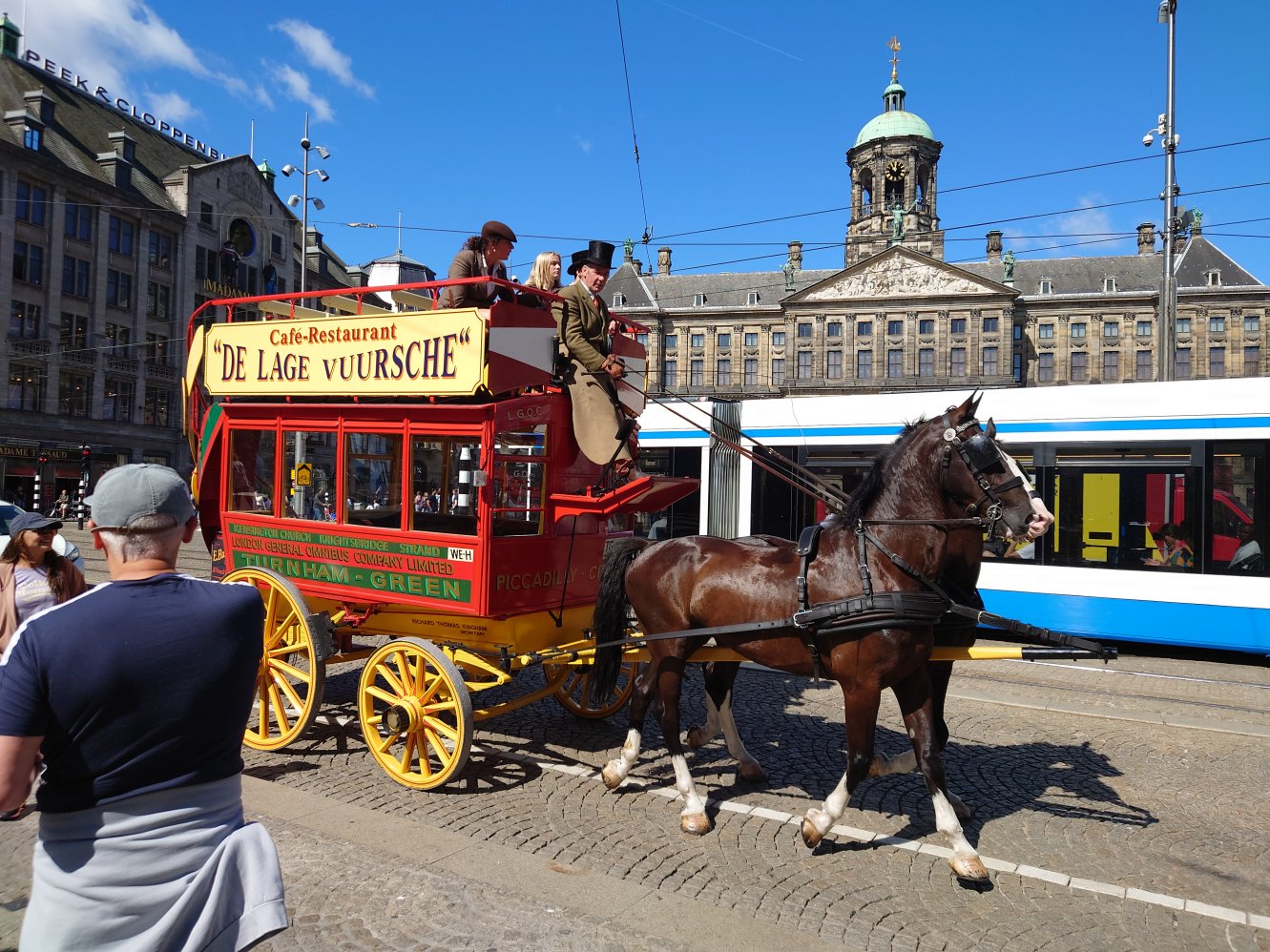
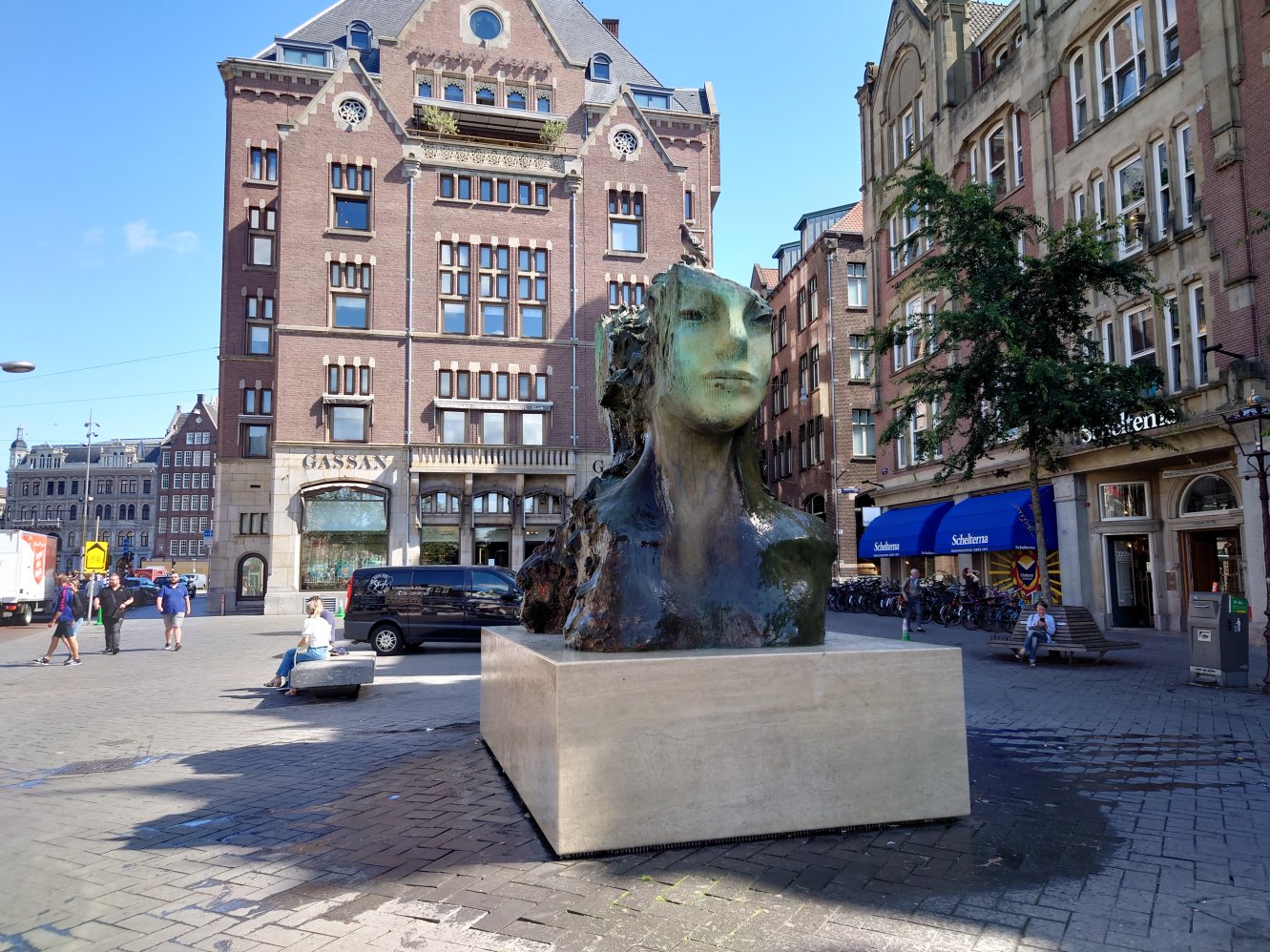
Like people, a great city also records events and memories. So, below you will also find impressions from Amsterdam.
After all, this is what it is all about. What we experience, what we know and what we are aware of.
1.1. Conference Venue.
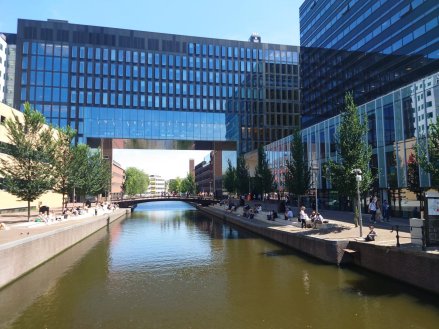
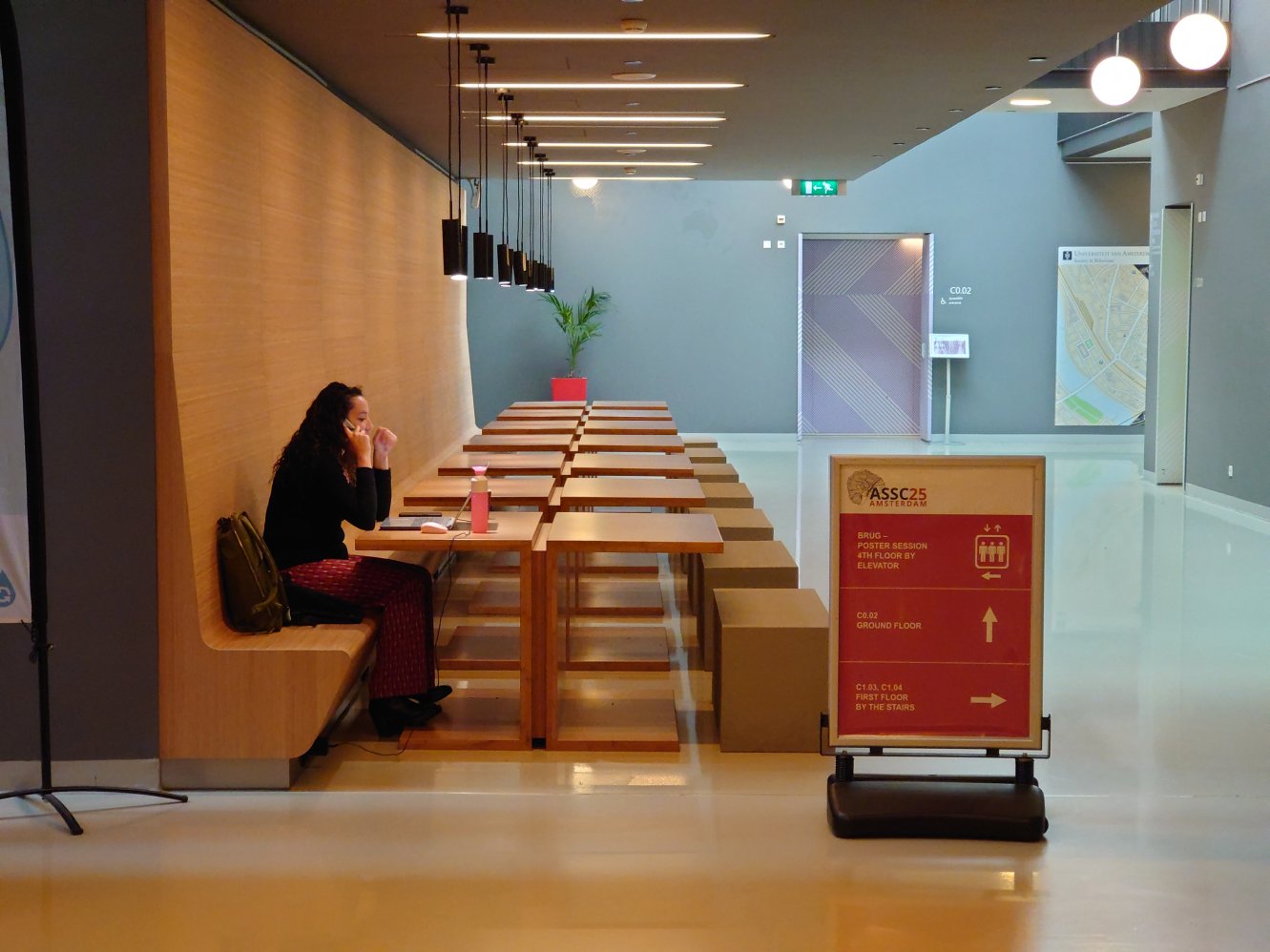
The Assc 25 conference venue was the (Faculty of Social and Behavioral Sciences, Dept.) University of Amsterdam campus.
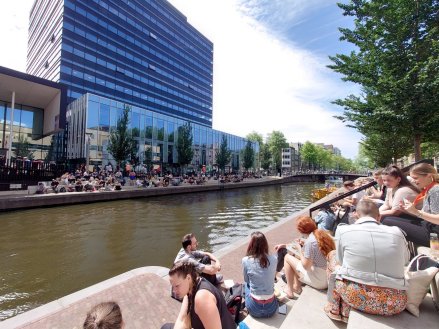
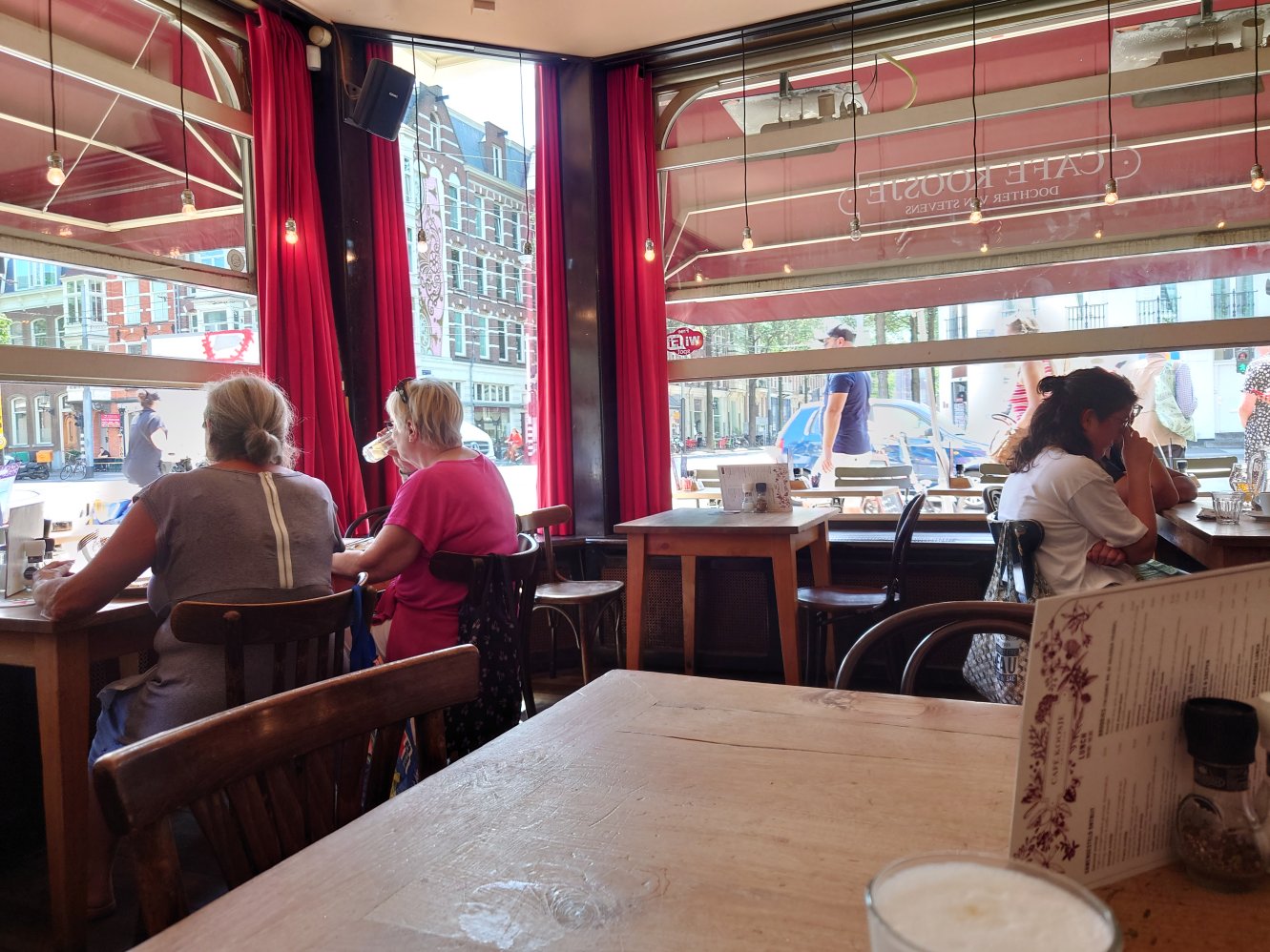
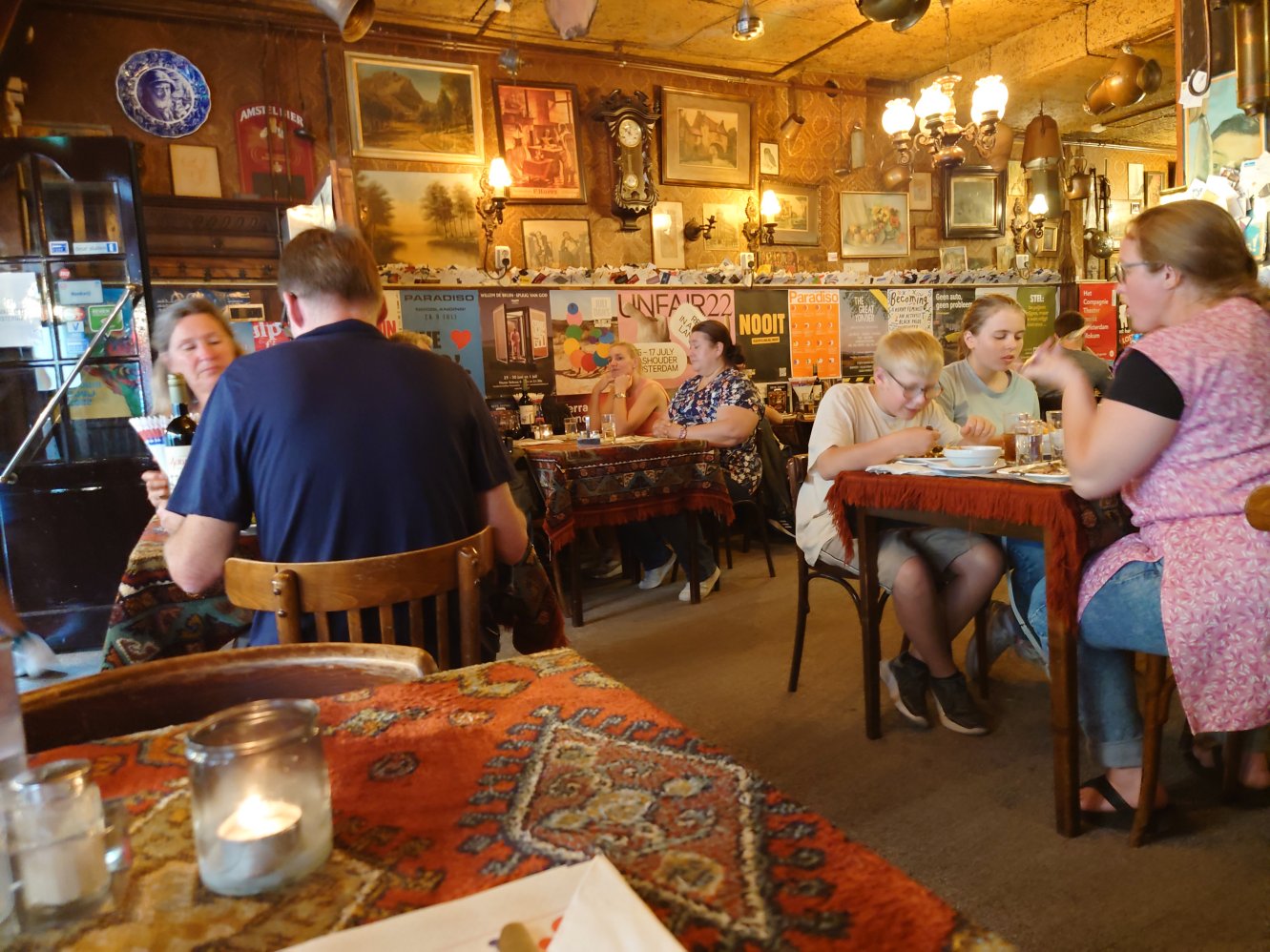
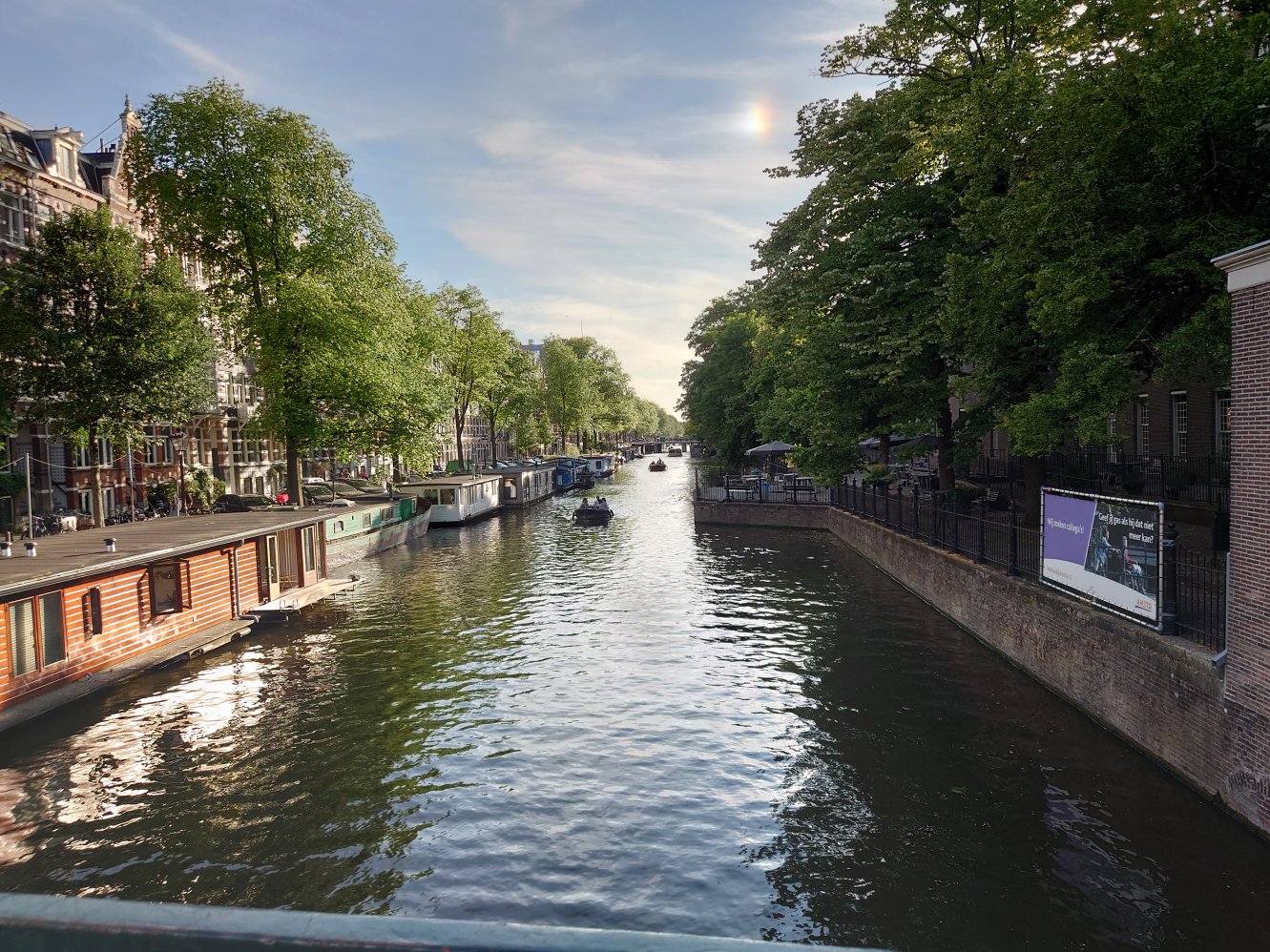
(Assc 25) lunch, Wednesday, near the canals.
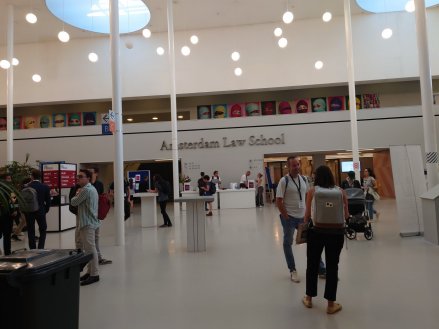
Campus. The Faculty of Social and Behavioral Sciences and the UVA Law School.
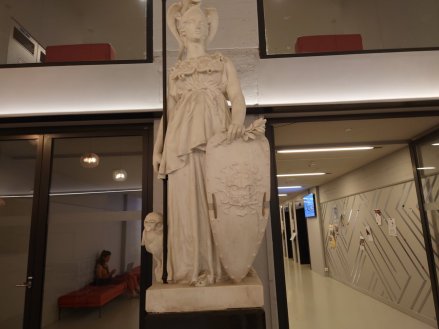
In Roman mythology, Minerva is the goddess of wisdom, and her pet owl is a symbol not only of wisdom, but of knowledge, culture, and discernment.
1.2. Campus Life. Social Experiments and more.
And there is certainly no need to be bored on Campus... Even after classes, there are many things you can (volunteer to) do on any given day
(NB. see also my report from Nasslli 2012, section 1).
We study the brain (in order) to understand how we can help people to make healthy and societally beneficial decisions in complex social situations [1].
2. Wednesday. July 13th.
Impressions from my first day at the conference, July 13th. At the University of Amsterdam venue. Amsterdam, the Netherlands.
2.1. Philosophical and experimental approaches to understanding perceptual experience.
See also:
2.1.1. The Emperor's new Markov Blankets.
Manuel Baltieri, Araya Inc, talked about ''The Emperor's new Markov Blankets''.
According to Karl Friston et al.
A Markov blanket defines the boundaries of a system in a statistical sense. Here we consider how a collective of Markov blankets can self-assemble into a global system that itself has a Markov blanket; thereby providing an illustration of how autonomous systems can be understood as having layers of nested and self-sustaining boundaries [2].
(i) any living system is a Markov blanketed system and (ii) the boundaries of such systems need not be co-extensive with the biophysical boundaries of a living organism. In other words, autonomous systems are hierarchically composed of Markov blankets of Markov blankets—all the way down to individual cells, all the way up to you and me, and all the way out to include elements of the local environment [2], [3].
As the title of the talk indicates (at least in some contexts), Baltieri was a bit sceptical about the use of the concept ''Markov blankets''.
He writes:
Markov Blankets, one of the central constructs of the free energy principle, have been applied to resolve debates central to philosophy (such as demarcating the boundaries of the mind) [4].
But:
...Where the blanket becomes a literal boundary between agents and their environment. Such a strong realist reading cannot be justified by
just 'doing the maths', but rather needs to be independently argued for... [4].
Other authors, like Richard Menary and Alexander James Gillet, have voiced similar scepticism [5]:
...although Markov Blankets are not necessarily a red herring in
the internalism-externalism debate; much more work is required to clarify how Markov Blankets
move the debate forward without miring it in a wide set of complex philosophical and theoretical
issues. Until this clarifying work has been done, arguably, Markov Blankets are a red herring
because they divert the argument from the real question at hand: Where are the boundaries of
the mind? [5].
As I understood the talk: A reminder to be careful about how concepts are used, and (a reminder to carefully consider) if the use of a concept is actually valid in the given context.
2.1.2. Phenomenal consciousness: In search of property Σ.
Herman de Regt, Tilburg University, talked about ''Phenomenal consciousness: In search of property Σ''.
And gave, along the way, a good overview of some of the problems.
I.e.
The world consists of physical processes.
Some of the processes are also conscious events.
If this is true, then there must be a property, or set of properties,
that these conscious events have, that the other physical event do not have.
We call this property Σ.
The problem of consciousness is now the empirical question: What is Σ?
Problems:
Problem: Φ cannot actually be calculated (See: IIT).
Is it: We must have (be above a certain threshold): Φ > 42 ?
2.1.3. Background organismic sentience, a key bridge between life and mind.
Ignacio Cea, UAI (Chile), talked about ''Background organismic sentience, a key bridge between life and mind''.
In this interesting talk, Cea dived into the ''affective - homeostatic view of consciousness''.
Where we have that consciousness is:
Fundamentally affective.
Deeply interlinked with interoceptive and homeostatic processes in the bodies of living creatures.
A simplified version of some key ideas can be found in ''Psychology today'':
Mammals regulate their core temperature through the hypothalamus and a set of distributed sensors around their bodies. Like other homeostatic systems, the mechanism responsible for core temperature regulation involves a specific brain region that communicates with the rest of the body ...
When it comes to emotions, the basic idea is that equilibrium feels good (e.g., predictive functions are working well), while disequilibrium feels bad (e.g., uncertainty is prevailing).
...
When an organism perceives life-threatening danger, the sympathetic branch of the autonomic nervous system responds immediately by producing drastic changes in heart rate, blood pressure, and electrodermal activity. Temperature regulation initiates by controlling breathing and sweat as the organism struggles to stabilize from such changes while trying to overcome the urgent situation. This specific response also interacts with very strong emotions, such as pain, fear, and stress.
This relation between phenomenally conscious emotions and the autonomic nervous system is critical for our purposes because it demonstrates the homeostatic role of experienced emotions
[6].
The page continues:
Thus, the phenomenal experience of fear is similar to homeostatic temperature regulation because it is flexible in responding to threats from the environment, yet stable enough to guarantee not only actual but also potential engagement through learning.
...
We are ''conscious homeostats'' ...
Emotions and their ''raw feel'' is the substance of consciousness — a deeply visceral and biological aspect of our minds.
In other words, affective consciousness can complement the predictive functions of the brain in times of uncertainty to help it reach a state of equilibrium
[6].
That is, in short:
Homeostatic feelings are the first enablers of consciousness.
Consciousness is fundamentally affective, and ... an extended form of homeostasis.
It follows:
The ''affective homeostatic view'' suggests some form of life-mind continuity.
Mind and self cannot be understood without a deep appreciation of the constraints and opportunities afforded by embodiment and allostasis.
More radically, it underpins a strong continuity between life, mind, and consciousness.
Which, all in all, leads to the following key research questions:
Is there any subtype of affective experience that is always present in consciousness. I.e. continuous.
According to Cea, a diversity of concepts, across neuroscience, psychology, psychiatry and philosophy, could be understood as a yes-answer to Q1 and Q2. Just as these concepts
could be seen as giving a partial answer to Q3.
So, is life necessary for consciousness?
Well, we still don't know, but the ''affective - homeostatic view of consciousness'' might give us a first version
of a life-related layer of experience that might be always present in consciousness.
2.2. Organoids, Androids and the Consciousness Club.
Keynote by prof. Tim Bayne. Monash University, Australia.
From the introduction to the talk:
At present, the creation of conscious agents involves techniques that will be familiar to anyone who has spent time on a farm or taken a sex education class. These techniques will surely remain popular, but we may soon have new ways to create conscious agents. One possible path to synthetic consciousness involves human brain organoids; another involves AI systems, such as the descendants of IBM's Watson and DeepMind's AlphaZero. Even if neither of these paths do in fact lead to the creation of synthetic consciousness, they are likely to lead to the creation of artefacts that might reasonably be taken as conscious. These developments raise a number of deep and difficult questions. Should we expand the membership of the 'consciousness club' by creating new kinds of conscious agents, or would any attempt to bring new kinds of conscious entities into existence be morally problematic?
Tim Bayne started by telling us the difference between Science talks and Philosophy talks:
Science talks:
Discuss as many projects as possible.
Discuss only published work.
Polished slides.
Philosophy talks:
Focus on one project.
Discuss only unpublished work.
Rubbish slides.
Certainly, Tim Bayne is a philosopher with a sense of humour!
Next came the questions:
Will we be able to reliable distinguish conscious artefacts from those that are pseudo-conscious?
Will there be general agreement as to which artefacts are conscious and which are merely pseudo-conscious?
Will the creation of conscious artefacts be guided by theory or will the first conscious artefacts emerge by ''accident''?
Indeed, should we (attempt to) create conscious artefacts?
Should we (attempt to) bring new members into the conscious club?
Where deontic and axiological concepts could/should guide us, as we move forward: Deontic concepts:
Whats permissible, whats impermissible, whats obligatory. Axiological concepts:
Whats (not) valuable, whats (not) worthwhile, what state of affairs that we have (no) reason to promote.
Argument from suffering:
There is a significant risk that conscious artefacts would have miserable lives (not worth living).
If there is a significant risk that a possible agent would have a miserable life, then we should avoid creating it.
- We should avoid creating conscious artefacts.
Compared with creating people...
Why might it be a good thing to bring a person into existence?
Because it is good for us.
Because it is good for them.
Because it makes things in general better.
I.e. the existence of conscious agents is a source of value.
But, then what about reductionism?
And the ''insignificance argument'':
Assume reductionism about consciousness.
If reductionism is true, then the contrast between conscious states/agents and unconscious states/agents will turn on physical/functional facts that lack intrinsic significance.
Distinctions that have fundamental normative significance must be grounded in distinctions that have intrinsic significance.
Consciousness lack fundamental normative significance.
But well, so far, there is no adequate reductionism that can explain why the constrast between consciousness and its neighbours is normative significant.
Indeed, a great overview of the debate so far.
With more about organoids and androids here:
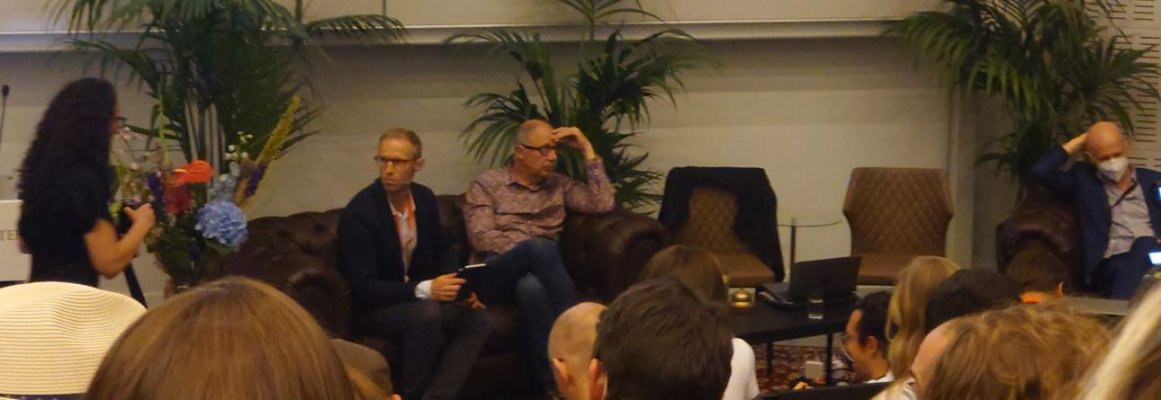
2.3. The Great Consciousness Debate.
With Prof. Stanislas Dehaene, prof. Stephen Fleming, prof. Melanie Boly and prof. Victor Lamme.
Moderated by prof. Lucia Melloni & prof. Liad Mudrik.
So, how can consciousness be explained?
Various theories exist:
Global Neuronal Workspace Theory.
Integrated Information Theory.
Recurrent Processing Theory.
Higher Order Theories (HOT).
and many others...
Here, Stanislas Dehaene would argue for ''Global Neuronal Workspace Theory'', Stephen Fleming
for ''Higher Order Theories'', Melanie Boly for ''Integrated Information Theory'' and Victor Lamme for ''Recurrent Processing Theory''.
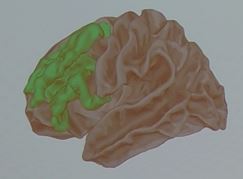
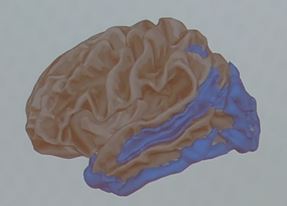
First up were some fMRI results. where the figure to the right depicts the findings in the spatial domain of experiments which used fMRI.
Red, yellow, blue, and green activations representing experiments supporting GNW, IIT, HOT, and RPT, respectively [7].
A quick Google search gives the following definitions:
Global Neuronal Workspace Theory:
GW theory was originally described in terms of a >>blackboard<< architecture in which separate, quasi-independent processing modules interface with a centralized, globally available resource.
...
Dehaene, Changeux and colleagues have proposed a neuronal implementation of a global workspace architecture, the so-called >>neuronal global workspace<<. In this model, sensory stimuli mobilize excitatory neurons with long-range cortico-cortical axons, leading to the genesis of a global activity pattern among workspace neurons [8].
Integrated Information Theory: IIT claims that consciousness corresponds to the capacity of a system to integrate information. A system is deemed capable of information integration to the extent that it has available a large repertoire of states and that the states of each element are causally dependent on the states of other elements.
...
IIT proposes that the thalamocortical system provides the neuroanatomical substrate for the neural processes that underlie consciousness [9].
Recurrent Processing Theory: RP ties perceptual consciousness to processing independent of the workspace, with focus on recurrent activity in sensory areas.
...
Victor Lamme argues that recurrent processing is necessary and sufficient for consciousness. Recurrent processing occurs where sensory systems are highly interconnected and involve feedforward and feedback connections [10].
Higher Order Theories (HOT): HOT try to explain the difference between unconscious and conscious mental states in terms of a relation obtaining between the conscious state in question and a higher-order representation of some sort [11].
...
HOT states that one is in a conscious visual state of seeing a moving object if and only if one suitably represents oneself being in that visual state. This higher-order state, in representing the first-order state that represents the world, results in the first order state’s being conscious as opposed to not. The intuitive rationale for such theories is that if one were in a visual state but in no way aware of that state, then the visual state would not be conscious.
...
Thus, to be in a conscious state, one must be aware of it, i.e., represent it.
...
Higher-order theories merge with empirical work by tying high-order representations with activity in prefrontal cortex which is taken to be the neural substrate of the required higher-order representations [12].
Dehaene started the debate with a reference to his 2017 article ''What is consciousness, and could machines have it''?
We suggest that the word >>consciousness<< conflates two different types of information-processing computations in the brain:
The selection of information for global broadcasting, thus making it flexibly available for computation and report (C1, consciousness in the first sense), and the self-monitoring of those computations, leading to a subjective sense of certainty or error (C2, consciousness in the second sense). We argue that despite their recent successes, current machines are still mostly implementing computations that reflect unconscious processing (C0) in the human brain [13].
Indeed, monitoring what is going on could be a first step in the direction of machine consciousness:
An important element of C2 which has received relatively
little attention is reality monitoring. Bayesian approaches to AI have recognized the usefulness of learning generative models that can
be jointly used for actual perception (present), prospective
planning (future), and retrospective analysis (past).
... In humans, the same sensory areas are involved in both perception
and imagination. As such, some mechanisms are needed to tell apart self-generated versus externally triggered activity.
...
A powerful method for training generative models, called adversarial learning (Goodfellow) involves having
a secondary network >>compete<< against a generative network, to critically evaluate the authenticity of self-generated representations. ... When such reality monitoring (C2) is coupled with C1 mechanisms, the resulting machine may more
closely mimic human consciousness in terms of affording global access to perceptual representations while having an
immediate sense that their content is a genuine reflection of the current state of the world [14].
In the global neural workspace hypothesis:
Conscious access corresponds to the >>ignition<< of a subset of workspace neurons,
distributed in prefrontal and other associative cortices, whose topology (as a vector)
defines the content, and that send top-down signals back to all processes.
Lamme continued, and argued (for Recurrent Theories) that frontal and higher order theories would predict a severe (attentional)
capacity limit of visual perception, and visual memory. I.e. go for the recurrent theory.
Followed by Flemming, that took us from lower-order representations in the back of the brain to
meta-representations in the front of the brain. Followed by Boly that argued for the importance of Integrated Information Theory and Φ.
Indeed, all of the presentations were pretty convincing! As was most of the arguments (later on) for picking one particular theory over the others.
So: One theory for consciousness... Well, we are not there yet...
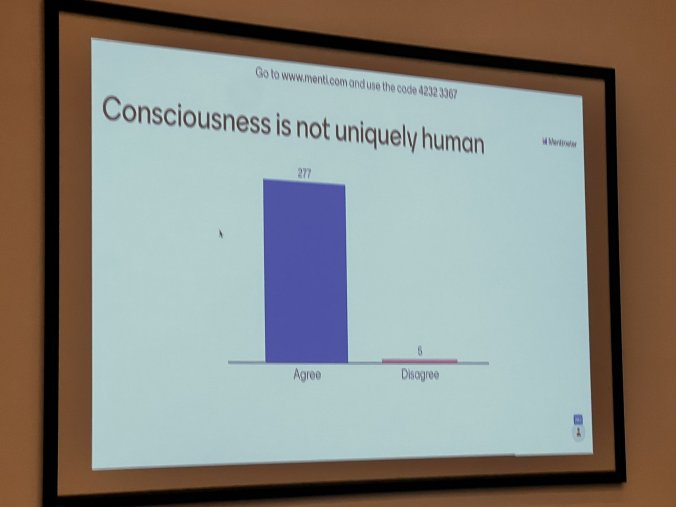
Ps (1): During the debate we (the audience) could particpate in various real-time polls and surveys.
Loads of fun!
Members at ASSC25 showed overwhelming support for the idea that consciousness is not uniquely human!
By contrast, the claim that ''consciousness is a physical phenomenon'' got only around 70% endorsement.
Again: One theory for consciousness... Well, we are not there yet...
Ps (2): Anil Seth should also have participated in the debated, but was prevented due to Covid.
He gave a link to a new research project though, ''The Dream Machine'', which looked quite interesting.
For more Assc impressions, take a look at my Assc23 blog post.
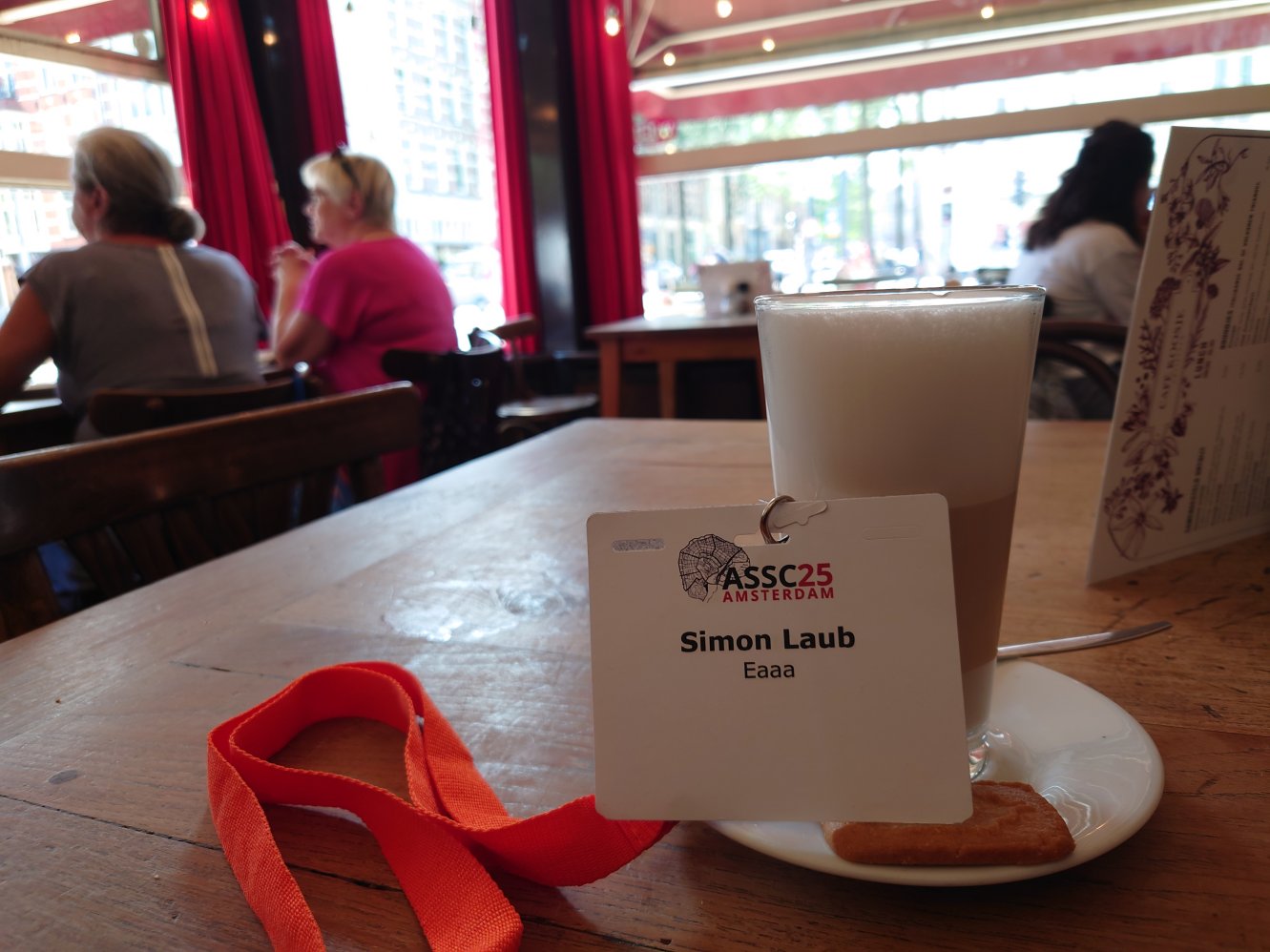
2.4. Coffee & the end of the day.
After the debate, it was time for coffee, and time to sit and think about the things we had just learned...
3. Thursday. July 14th.
3.1. Global Neuronal Workspace vs. Integrated Information Theory.
3.1.1. GNW vs. IIT: How to integrate and test the theories predictions (1).
Urszula Górska, University of Wisconsin, talked about ''How to integrate and test the theories predictions''.
And made it all look sort of simple (to move forward):
Global Neuronal Workspace Theory.
Prefrontal activation is necessary for consciousness.
Content of consciousness should be decodable from prefrontal areas.
Integrated Information Theory.
Posterior activaty is sufficient for consciousness.
Content of consciousness should be maximally decodable from posterior areas.
3.1.2. GNW vs. IIT: From theoretical predictions to empirical tests (2).
Oscar Ferrante, University of Birmingham, continued on ''GNW vs. IIT: From theoretical predictions to empirical tests''.
Moving forward, a roadmap given in ''Making the hard problem of consciousness easier'' [15]
was presented, and elaborated on.
The global neuronal workspace theory (GNWT) claims that consciousness is
instantiated by the global broadcasting and amplification of information across an interconnected network of prefrontal-parietal
areas and many high-level sensory cortical areas ...
A stimulus must be attended to trigger activity that helps distribute this sensory information to many parts of the brain for further processing and report. It is this
global broadcasting across many modules of specialized subsystems that constitutes
consciousness [15].
Conversely, the integrated information theory (IIT) holds that consciousness should be understood in terms
of cause-effect >>power<< that reflects the amount of maximally irreducible integrated information generated by certain neuronal
architectures. the IIT holds that the posterior cortex is ideally situated for generating a maximum
of integrated information ... In this theory,
consciousness is not input-output information processing but the intrinsic ability or power of a neuronal network to influence
itself [15].
So:
Where are the anatomical footprints of consciousness in the brain?
Are they located in a posterior cortical
>>hot zone<< advocated by the IIT, or is the prefrontal cortex necessary as predicted by the GNWT?
And, how are conscious percepts maintained over time [15].
In order to move forward - open science, and adversarial collaboration is suggested:
Relying on adversarial dialogue and collaboration, open science practices,
standardized protocols, internal replication, and team science, these initiatives
aim to promote empirical progress in the field of consciousness ...
Solving big questions may require >>big science<< because such questions are more
likely to be solved in unison rather than through isolated, parallel, small-scale attempts [15].
Following the direction of this talk, the morning session move on to a presentation of actual emprical work - observed and measured phenomena
(With a talk about ''Decoding of consciously perceived stimuli in the brain'').
For more about this, see the : Kreiman Lab website & the
Cogitate website.
3.2. Interactions between cortical neurons that give rise to conscious perception.
Keynote by prof. Pieter Roelfsema, Netherlands Institute for Neuroscience.
From the introduction to the talk:
Why are some visual stimuli consciously perceived, whereas others remain subliminal? .
...
We found that the perception of more complex visual stimuli relies on a more sustained interaction between visual cortex and associative brain regions.
...
Obviously, interactions between neurons that give rise to consciousness is a complex thing...
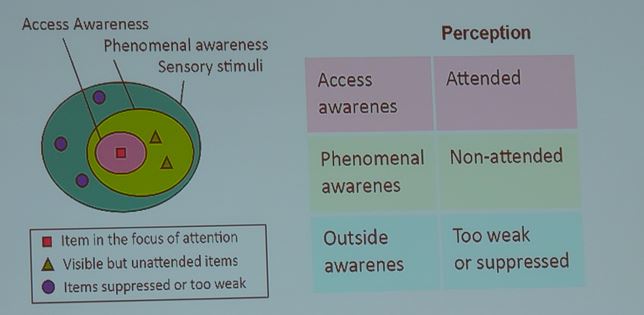
Still, looking at the picture above, What about the non-attended items?
Preconscious? In phenomenal awareness?
Here, it was indicated that (at least in my understanding):
''That the threshold for perception is that for producing a selfsustained activity, i.e. a working memory?''.
Still, figuring out ''why some visual stimuli are consciously perceived, whereas others remain subliminal'' is clearly not an easy task...
Nevertheless, certainly a helpful talk, that took us all a little bit forward towards an understanding.
Google timeline for a day in Amsterdam.
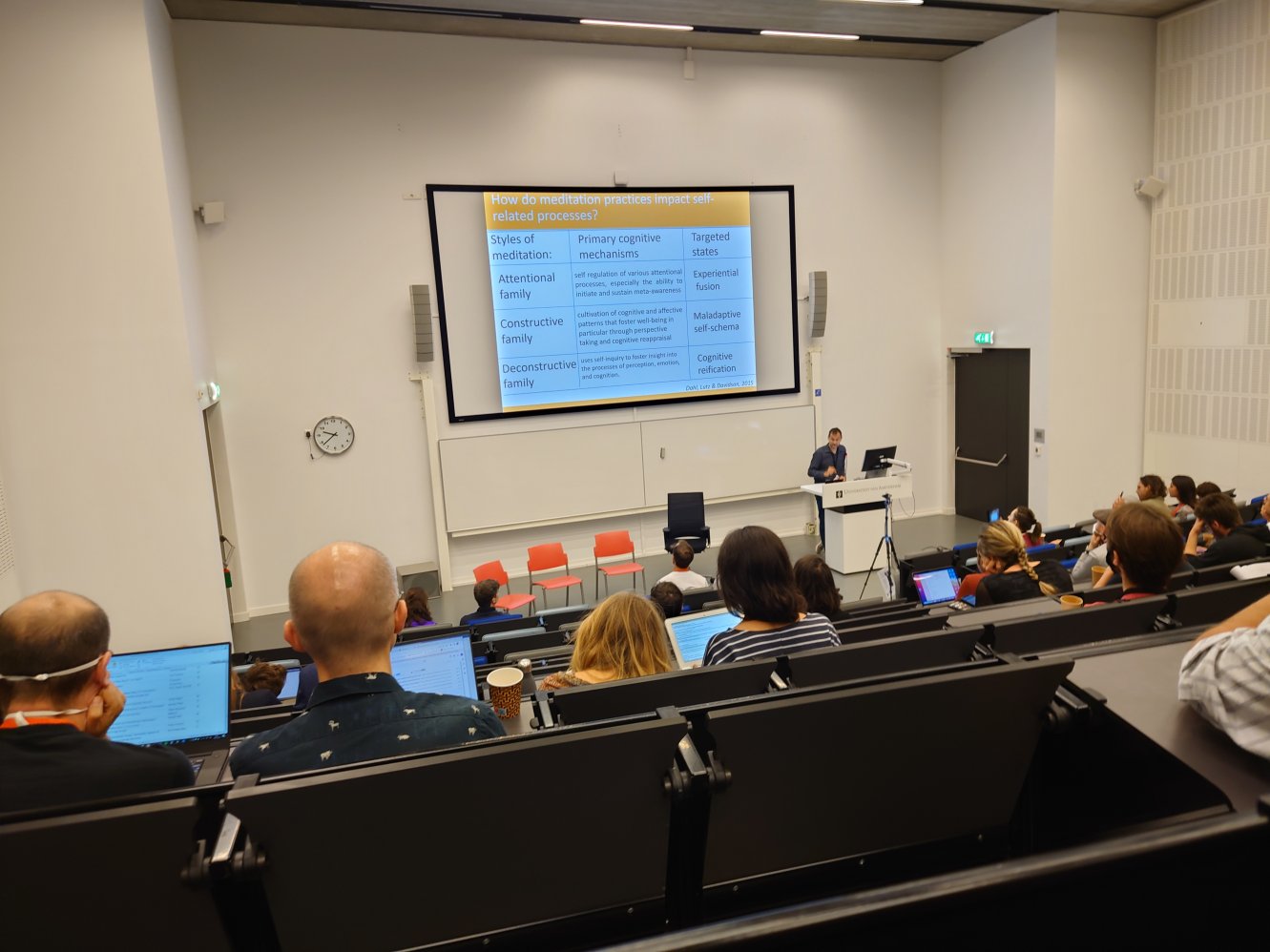
For impressions from AI conferences: E.g. see (my impressions from) ''Icaart 2020'' and ''Icaart 2022''.
4. Friday. July 15th.
4.1. Thought-full or thought-less: How empty can the conscious mind get?
Lots of interesting talks in the session ''Thought-full or thought-less:
how empty can the conscious mind get''?
Where I found Thomas Andrillon's (''Sleep-like brain activity predicts when the mind goes blank'') and
Athena Demertzi's (''At the boundaries of mental state reportability: The case of mind blanking'') talks especially interesting.
4.1.1. At the boundaries of mental state reportability: The case of mind blanking.
Athena Demertzi, ULiege, talked about ''At the boundaries of mental state reportability: The case of mind blanking''.
When we are awake and conscious, the brain is in a state of:
Variant and rich connectivity.
Metastability.
Where the brain can perfom (cognition), and has emotions.
When we are unconscious, there is less meta-stable dynamics. I.e. in states like:
Sleep.
Anesthesia.
Here, the brain cannot map the complexity of the internal or external world.
So, what happens when our minds are ''blank''?
Toshikazu Kawagoe writes about ''mind blanking'':
Mind blanking (MB) is the state where our minds are seemingly >>nowhere<<, and attention calls no perceptual input into conscious awareness. It is little investigated, perhaps partly because it is difficult to detect the mysterious periods of blanking.
...
Our participants could intentionally produce a state of MB whose neural correlates were deactivation of Broca's area and parts of the default mode network.
...
From the neuroimaging data, we conclude that we cannot define the content of our thoughts during MB because our inner speech system does not work at that time. Another possibility is that we actually think of nothing in the MB state [16].
Interestingly, we heard in previous talks (in this session) that studies on ''sleep deprivation'' has shown that after 12 hours awake,
then ''mind blanking'' increases sharply.
Equally interesting (mentioned earlier in this session) was a report (on ADHD and ''mind blanking''), that:
People with attention-deficit/hyperactivity disorder (ADHD) have difficulties sustaining their attention on external tasks.
...
We showed that unmedicated children (ages 6–12) with ADHD, when probed during a standard go/no-go task, reported more mind blanking (a mental state characterized by the absence of reportable content) than did control participants. This increase in mind blanking happened at the expense of both focused and wandering thoughts.
...
In a second experiment, we extended these findings to adults who had subclinical ADHD. These results suggest that executive functions impaired in ADHD are required not only to sustain external attention but also to maintain an internal train of thought [17].
So, what precisely happens when we ''think of nothing''?
Experiments suggest that when the mind seems to disappear, there are times when we have simply failed to monitor its whereabouts—and there are times when it is actually gone [18].
Sometimes, parts of the brain might (simply) be asleep:
We searched more specifically for signs of sleep within wakefulness. Indeed, sleep-like slow waves, a pattern of brain activity that's characteristic of sleep, can be observed locally within the brain when people get tired. This marker has often been interpreted as part of the brain experiencing a bout of sleep during wakefulness.
...
Indeed, recent advances in sleep research have shown that sleep and wakefulness are not all-or-nothing phenomena, and that we can sometimes express both markers of sleep and wake in different parts of the brain.
...
We found that the occurrence of these sleep markers can predict instances of mind wandering and mind blanking. Sleep-like slow waves could also predict the occurrence of behavioural errors during the task [19].
Indeed, a super interesting talk!
The mind is interesting even when it is ''mind blanking''.
For more impressions from NeuroScience conferences, see (my impressions from) ''7th Aspects Neuroscience''.
For (more) impressions from AI conferences: E.g. see (my impressions from) ''MlPrague'' 2019, 2021 & 2022.
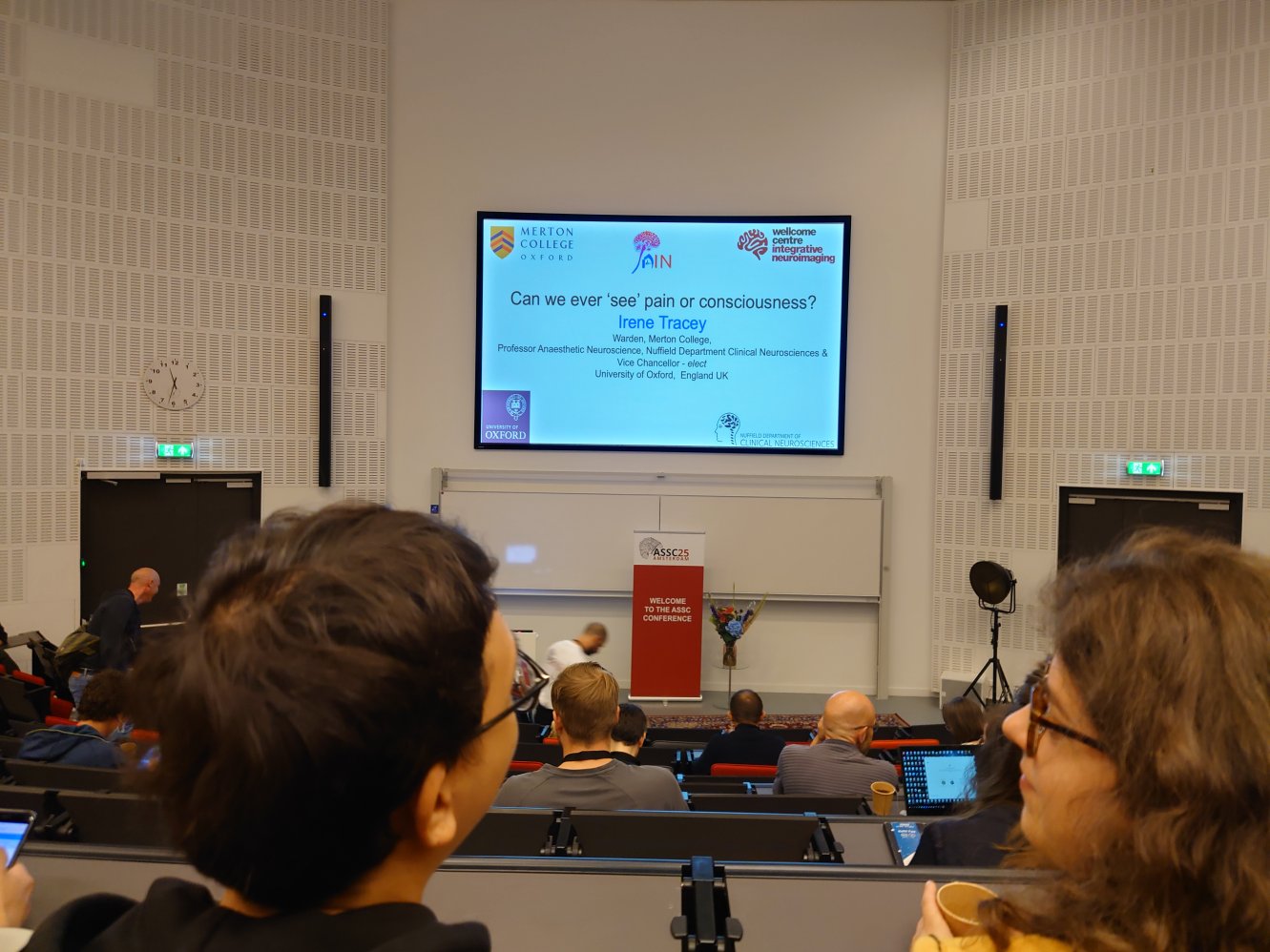
4.2. Can we ever really ''see'' pain or consciousness?
Keynote by prof. Irene Tracey, University of Oxford.
From the introduction to the talk:
In addition to understanding acute and chronic pain as major medical health problems in their own right, we have additionally worked at the interface of pain perception and conscious awareness using advanced neuroimaging and electrophysiological techniques combined with anaesthesia.
...
This framework of understanding provides a foundation to better interpret changes in conscious awareness. Our multimodal neuroimaging work explores how anaesthetic agents produce altered states of consciousness such that perceptual experiences of pain and awareness are degraded. This is bringing us fascinating insights into the complex phenomenon of anaesthesia, perceptual awareness and the concept of self-hood.
She started with a quote from David Marusek:
Consciousness is the chronic pain of life. and all higher organisms suffer it every waking moment [20].
Drugs can (obviously) affect consciousness:
Looking at Propofol:
Propofol, marketed as Diprivan, among other names, is a short-acting medication that results in a decreased level of consciousness and a lack of memory for events [21].
We get:
Anatomic and physiologic data show that multiple regions of the forebrain are activated by pain.
...
These data show that propofol has a dose-dependent effect on thalamocortical transfer of nociceptive information but that some pain-evoked cortical activity remains after loss of consciousness [22].
And electrical stimulation of small brain areas can also affect consciousness:
The neural mechanisms that underlie consciousness are not fully understood. We describe a region in the human brain where electrical stimulation reproducibly disrupted consciousness.
...
The electrode whose stimulation disrupted consciousness was between the left claustrum and anterior-dorsal insula. Stimulation of electrodes within 5mm did not affect consciousness.
...
Our findings suggest that the left claustrum/anterior insula is an important part of a network that subserves consciousness and that disruption of consciousness is related to increased EEG signal synchrony within frontal-parietal networks [23].
So what happens under anesthesia?
It has been postulated that a small cortical region could be responsible for the loss of behavioral responsiveness (LOBR) during general anesthesia.
...
Furthermore, the authors hypothesize that this localized suppression is associated with breakdown in frontoparietal communication.
...
Suppression of dAIC activity around loss of behavioral responsiveness (LOBR) was associated with disruption in the frontoparietal networks that was measurable using both electroencephalography synchrony and FMRI connectivity analyses [24]
Indeed, conscious access to sensory information is likely gated:
Conscious access to sensory information is likely gated at an intermediate site between primary sensory and transmodal association cortices, but the structure responsible remains unknown.
...
The gating role of the anterior insular cortex (AIC) is consistent with findings in awake participants, whose conscious access is predicted by pre-stimulus AIC activity near perceptual threshold. These data support the hypothesis that AIC, situated at an intermediate position of the cortical hierarchy, regulates brain network transitions that gate conscious access [25]
Indeed, a super interesting talk!
4.3. (Altered) states of consciousness.
4.3.1. Nightmare frequency is associated with connectivity between the amygdala and prefrontal cortex.
Mariana Pereira, Donders Institute, talked about ''Nightmare frequency is associated with connectivity between the amygdala and prefrontal cortex''.
Nightmares can have considerable adverse effects on waking behavior. And here we got a little background on what might actually be happening in the brain, when sleep turns into nightmares.
Growing evidence suggests that nightmares have considerable adverse effects on waking behavior, possibly by increasing post-sleep negative emotions.
...
Our principal measure of nightmare severity is nightmare distress as indexed by the Nightmare Distress Questionnaire (NDQ), and secondary measures are retrospective and prospective estimates of frequency of recalling dysphoric dreams (DD).
...
Results point to a possible overlap in brain mechanisms involved in nightmare dysphoria (during sleep) and distress (during wakefulness) among individuals who frequently recall nightmares [26].
Take home message:
''Just as the mPFC can modulate the Amygdala during daytime, thus regulating negative emotions and fear,
results here show that this also happens during sleep''.
Apparently:
''Stronger mPFC - amygdala functional connectivity is associated with fewer nightmares''.
4.4. William James Prize.
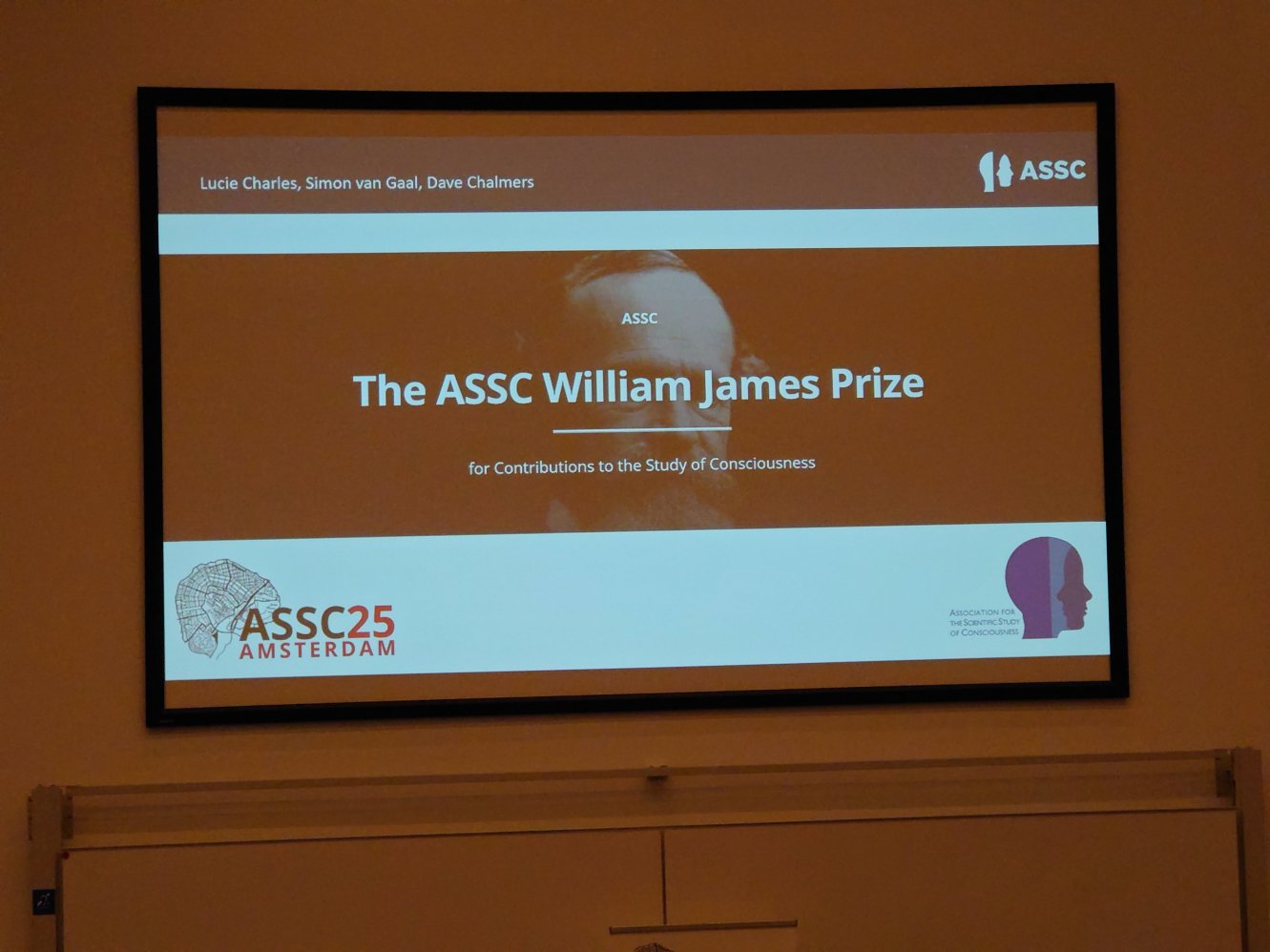
The nineteenth William James Prize for Contributions to the Study of Consciousness was awarded to Ishan Singhal in 2022.
See ''Time and time again: a multi-scale hierarchical framework for time-consciousness and timing of cognition'' [27].
Ishan Singhal writes:
Different conceptualizations of time-consciousness have argued that both the content of our experiences and the representations of those experiences evolve in time, or neither have temporal extension, or only content does. Accounting for these different positions, we propose a nested hierarchical model of multiple timescales that accounts for findings on timing of cognition and phenomenology of temporal experience.
We also place several findings on timing and temporal experience at different levels in this hierarchy and show how they can be brought together. Finally, the framework is used to derive novel predictions for both timing of our experiences and time perception [27].
Which he then elaborated on in this very exciting ''William James Prize'' talk.
4.5. Conclusion. Friday.
Indeed, a great conference. With many memorable talks.
Indeed, all in all, super interesting, and certainly thoughts and material to consider for future classes in AI and beyond...
5. Amsterdam Impressions.
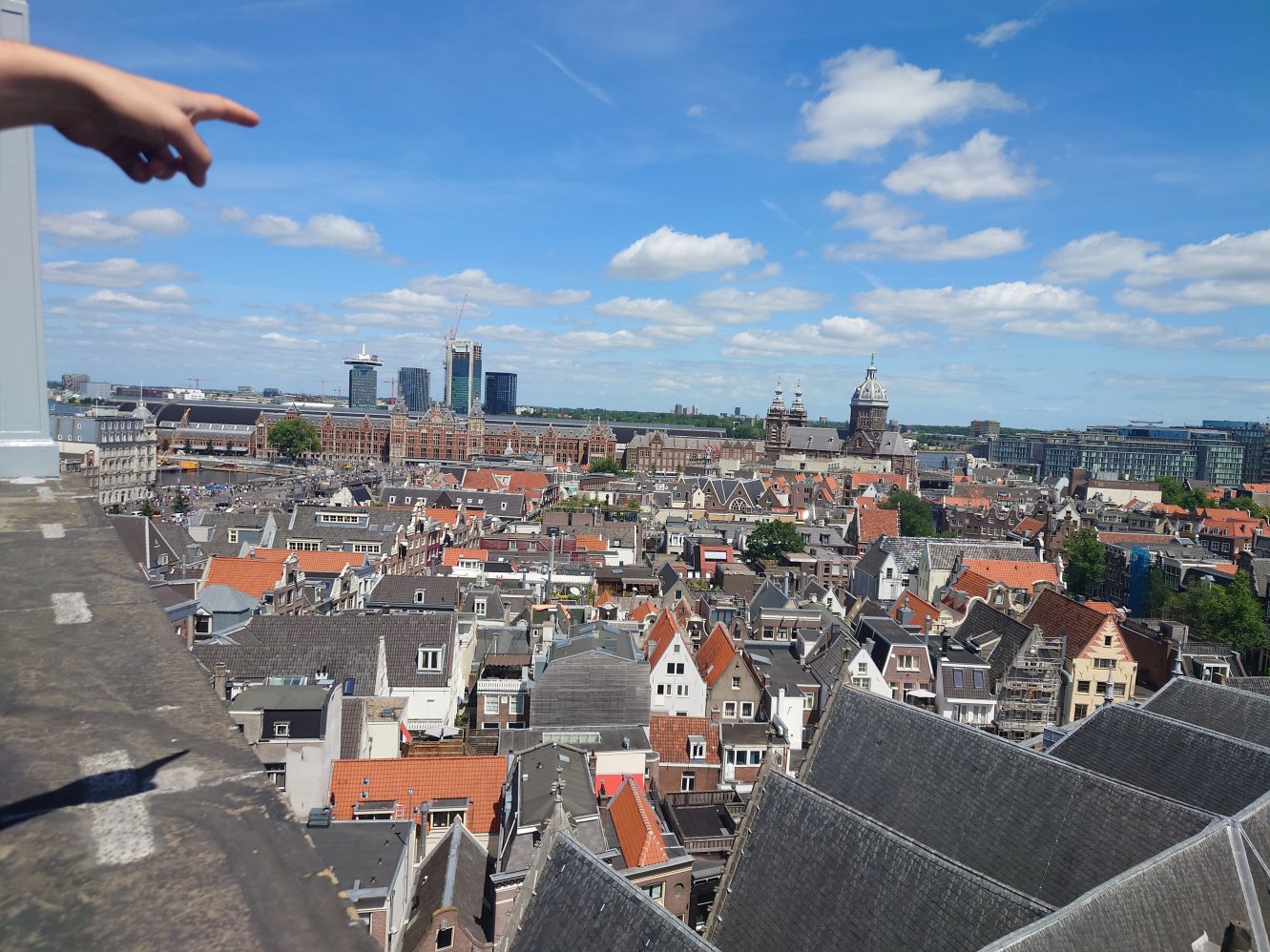
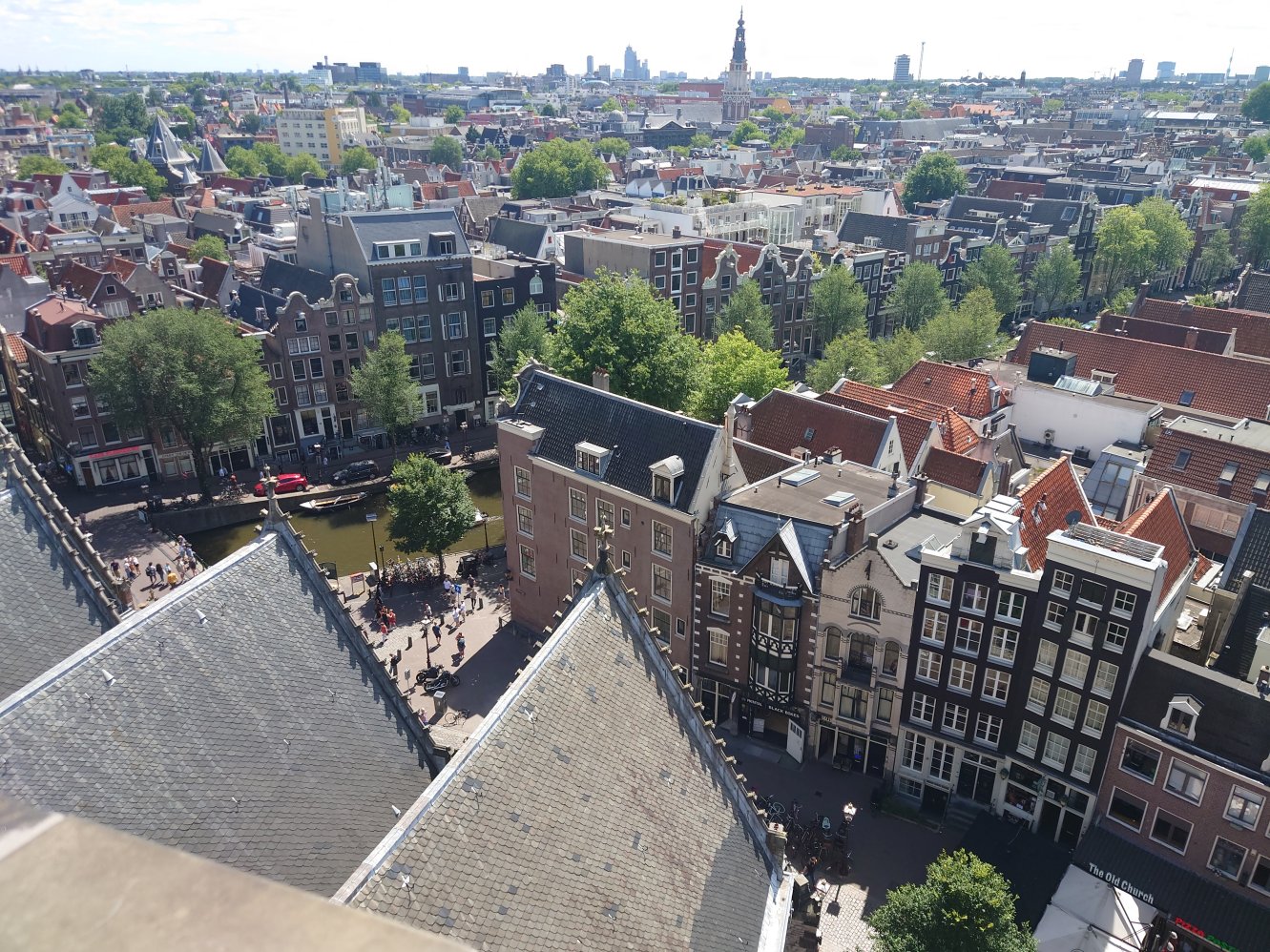
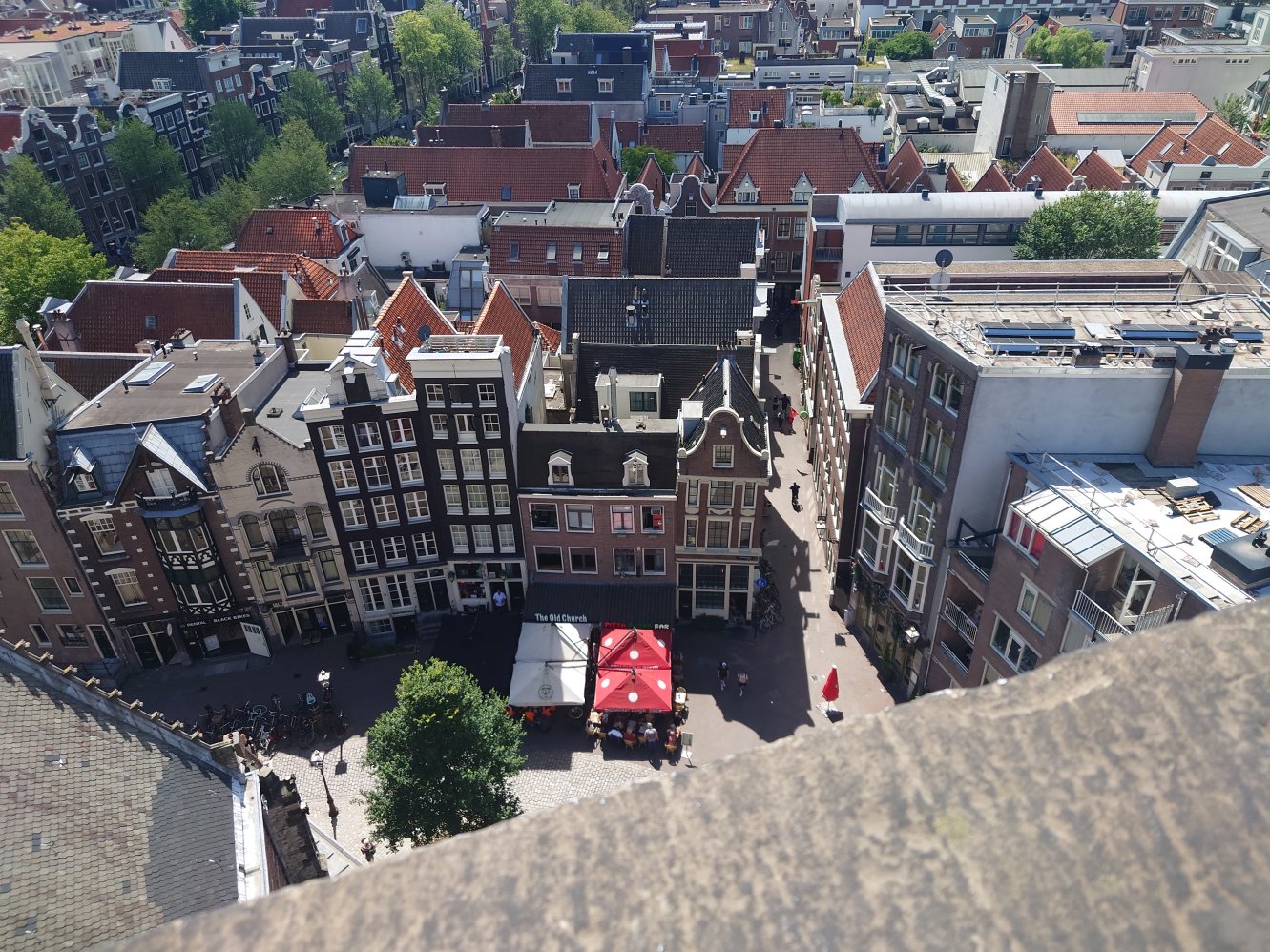
Outside the conference, there was also a lot to see in Amsterdam.
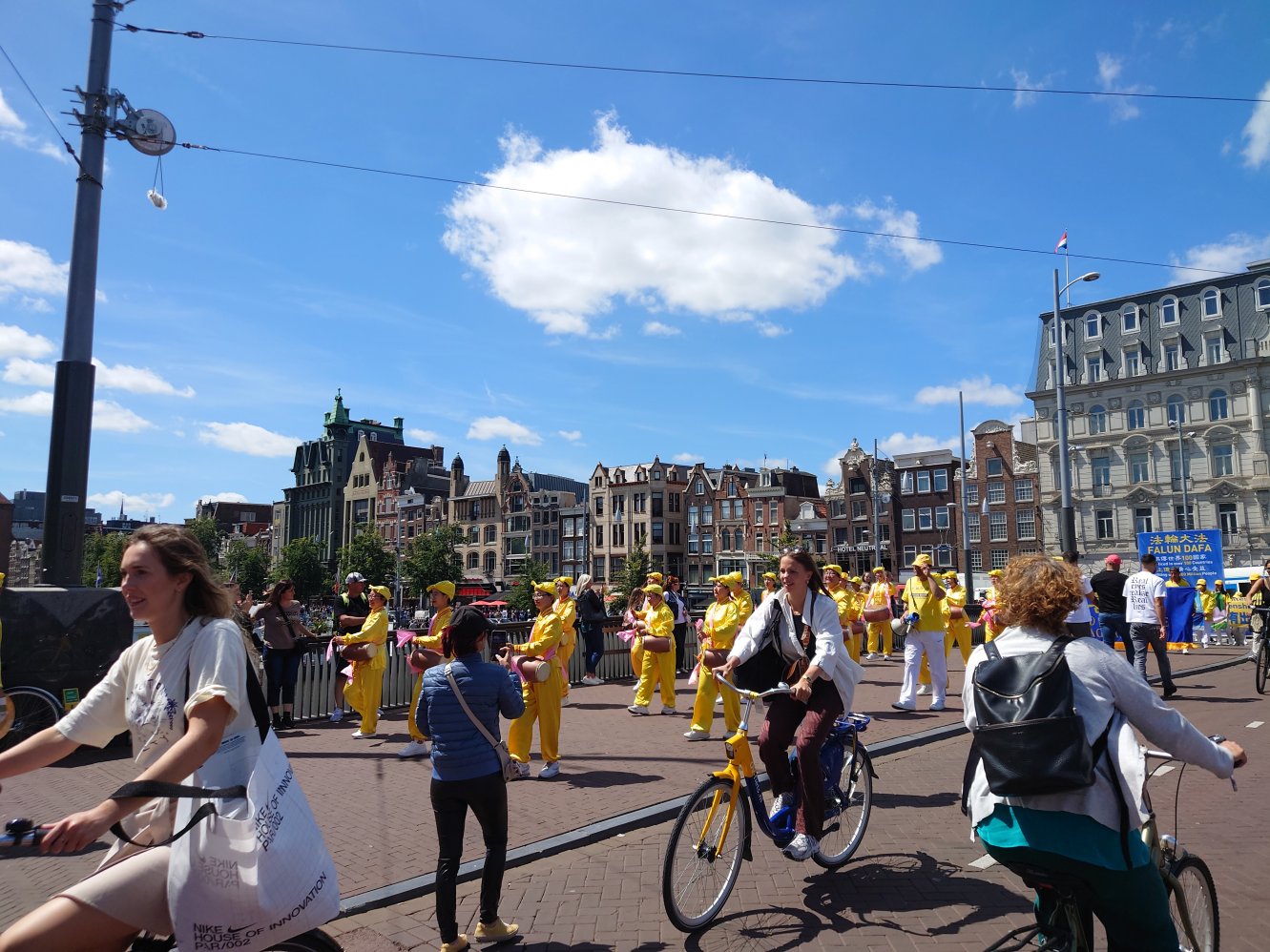
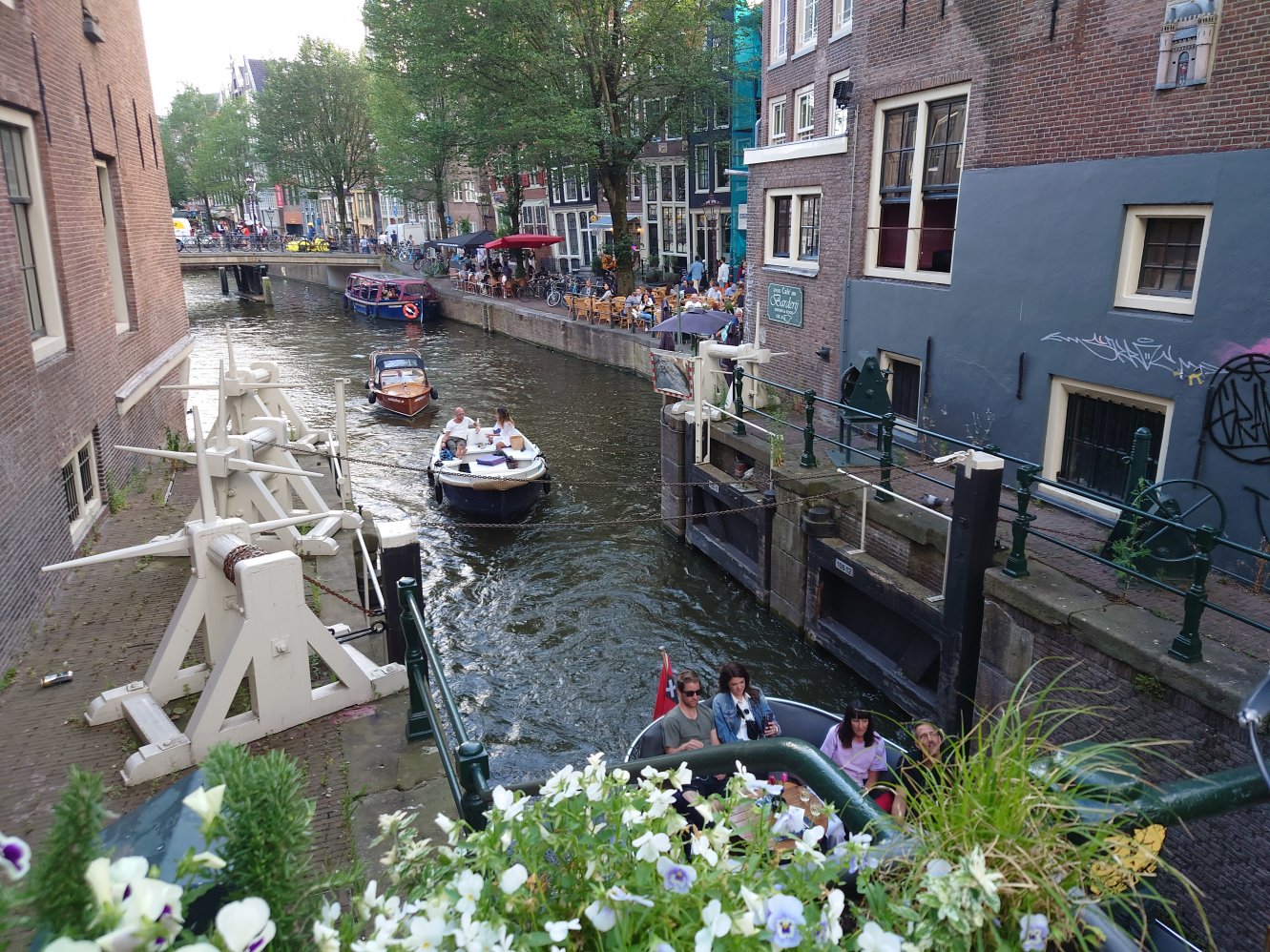
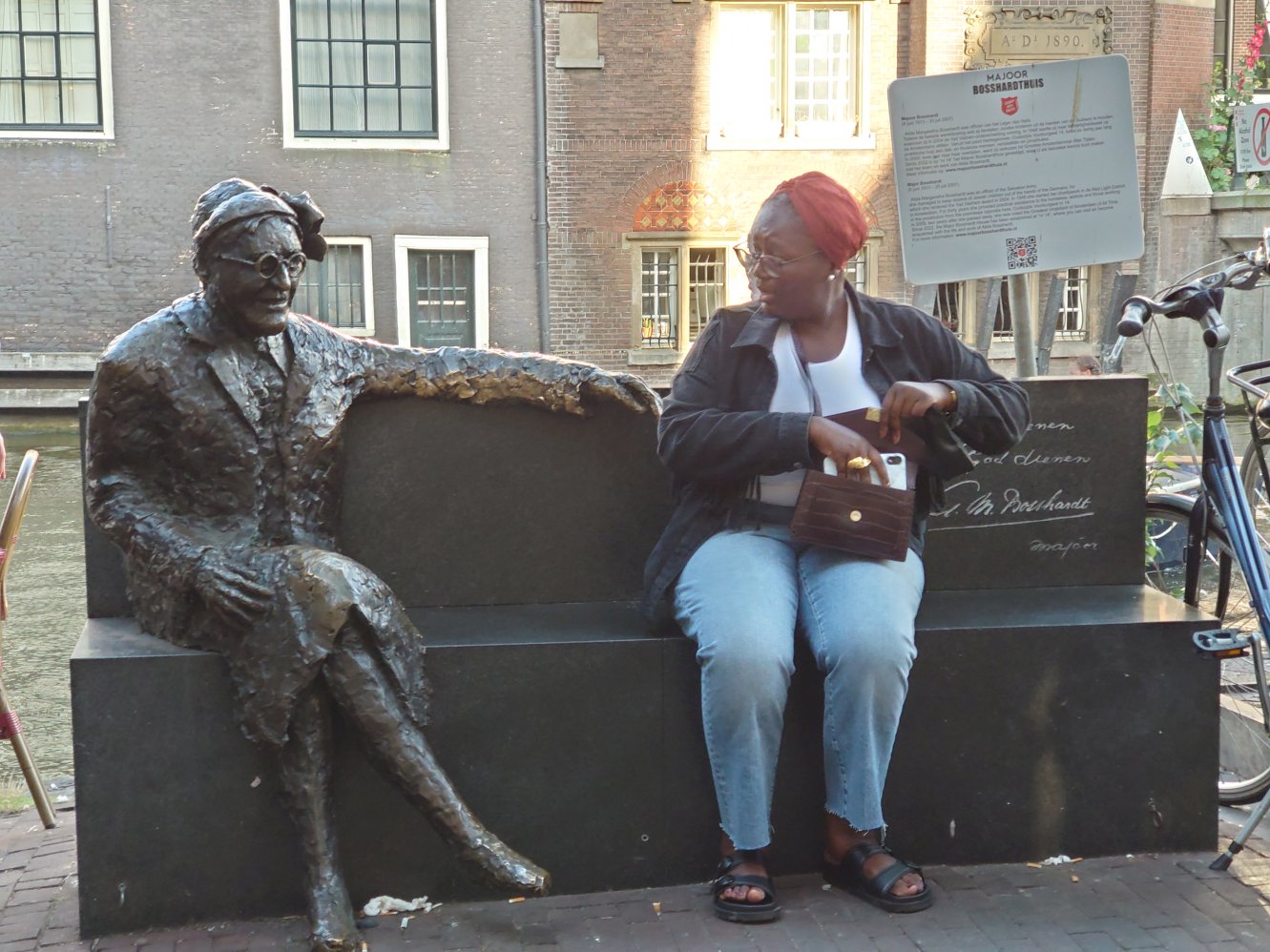
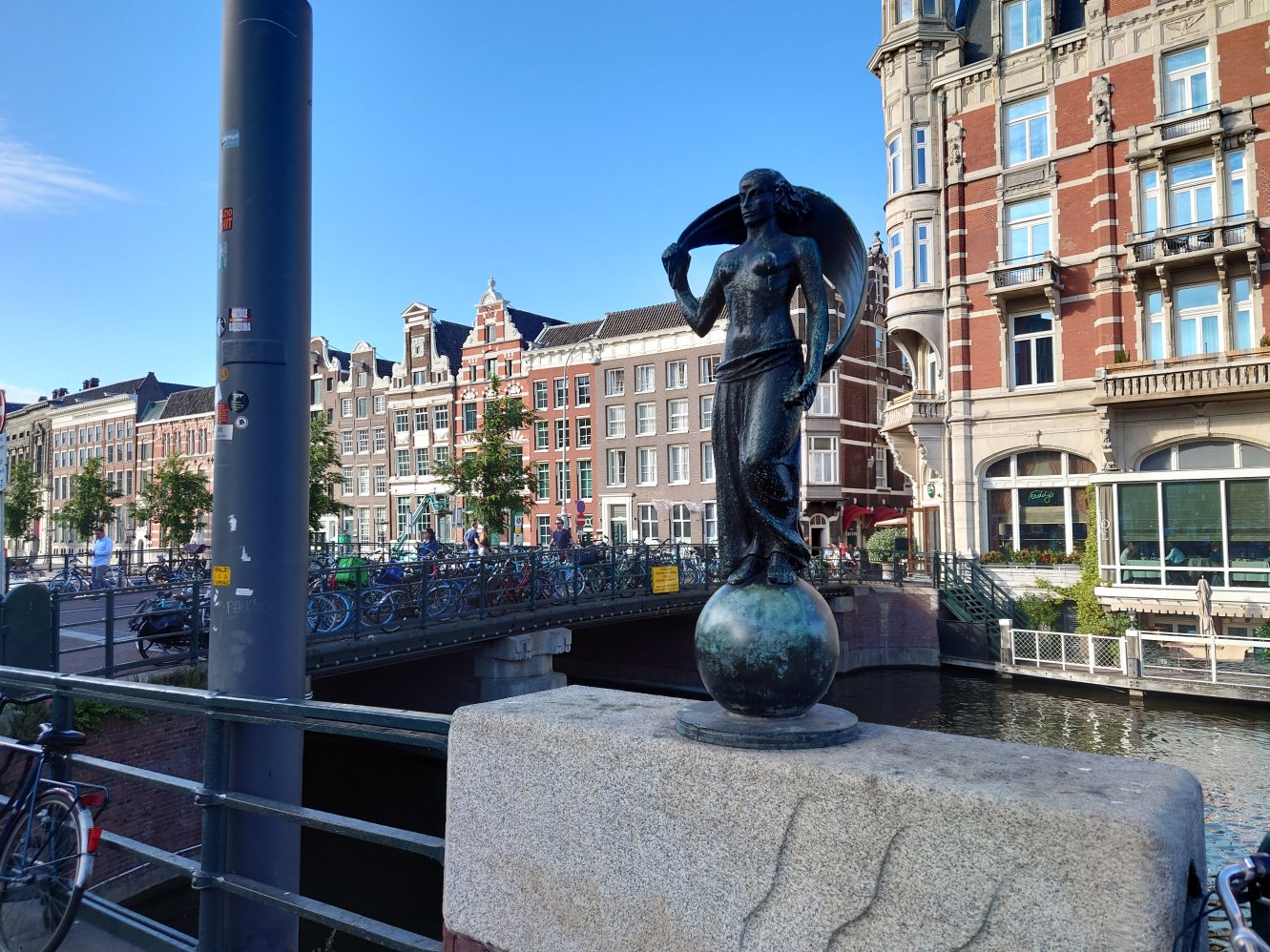
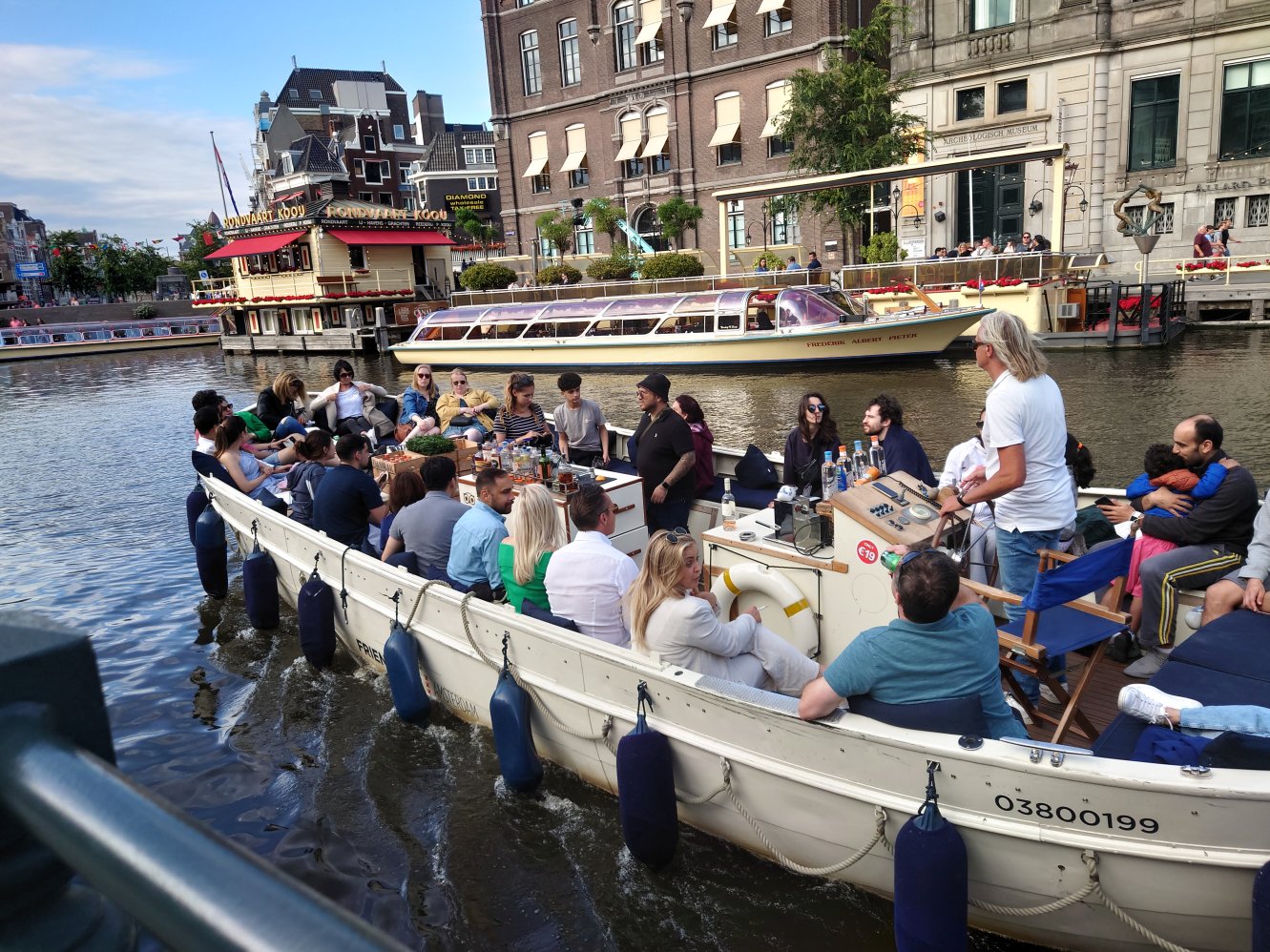
So, below you will find misc. impressions from the most populous city of the Netherlands, Amsterdam.
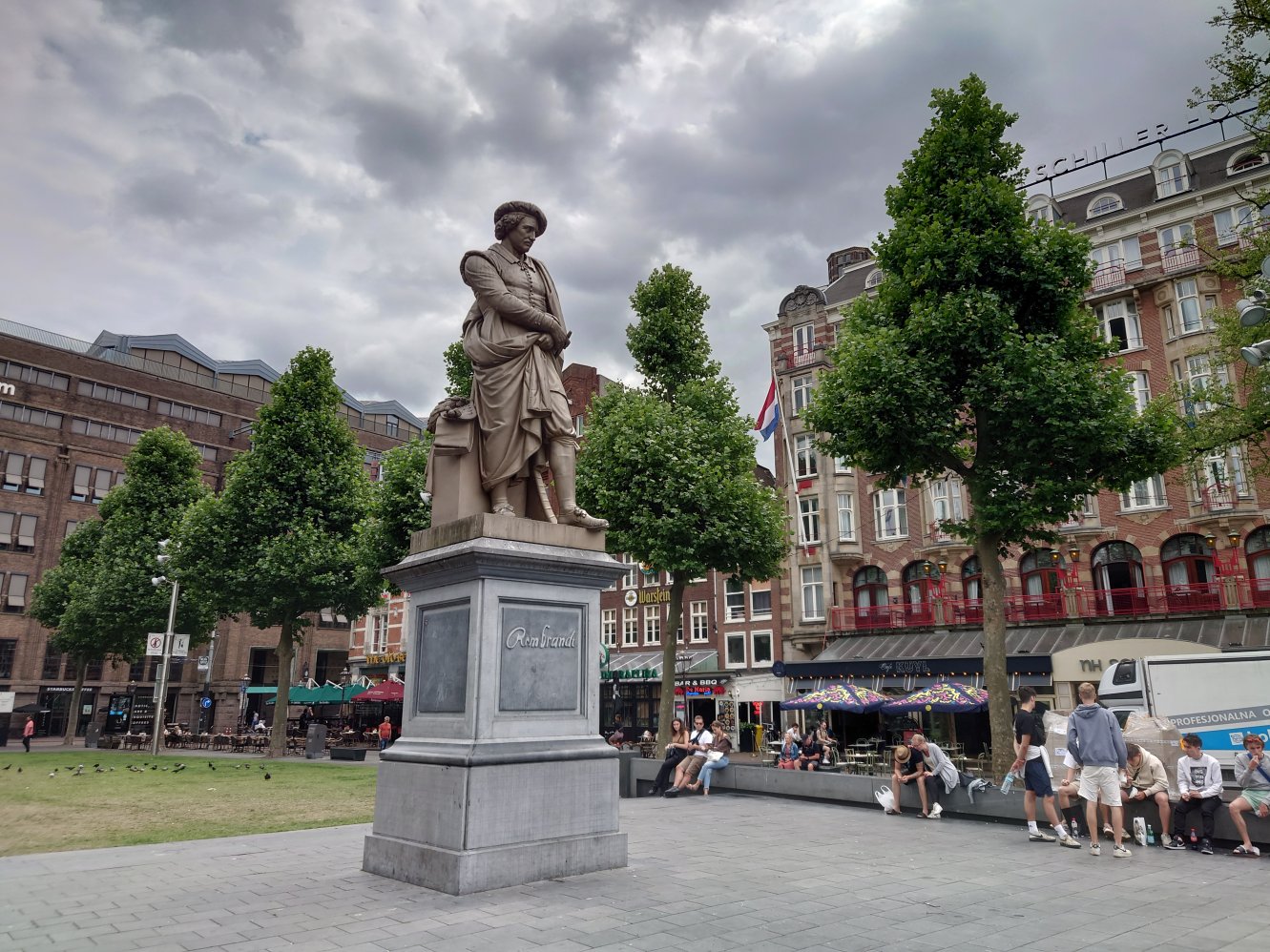
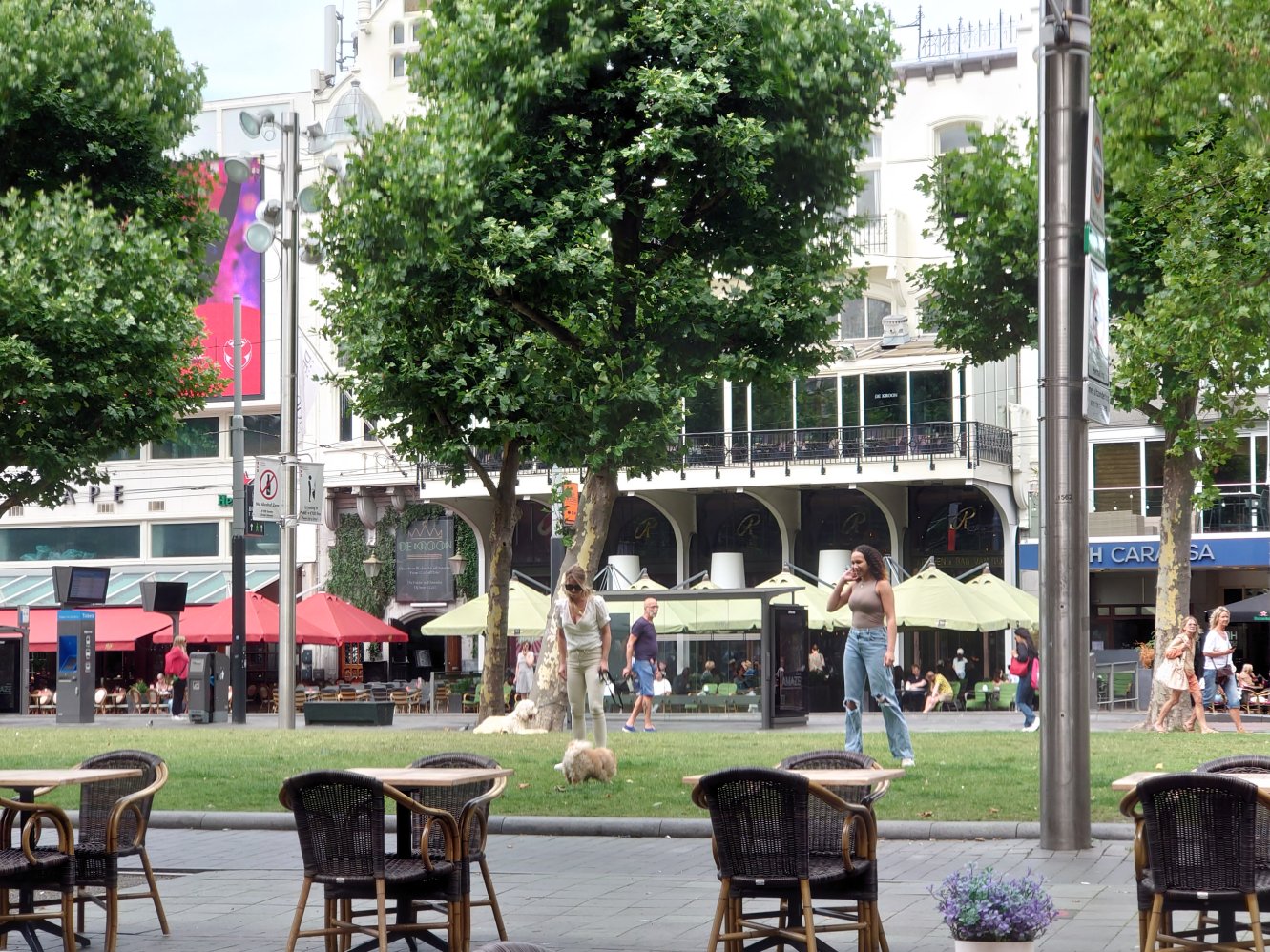
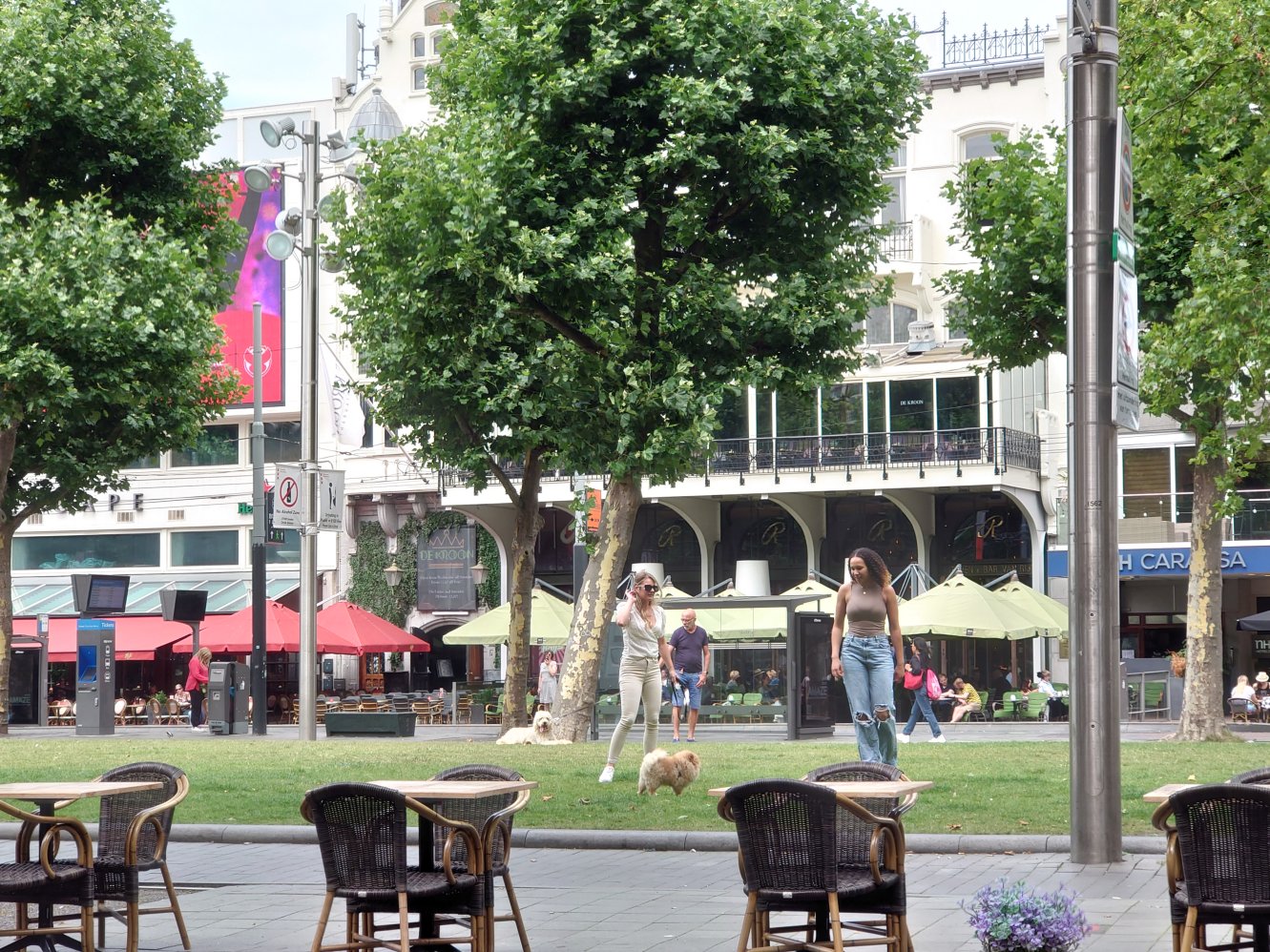
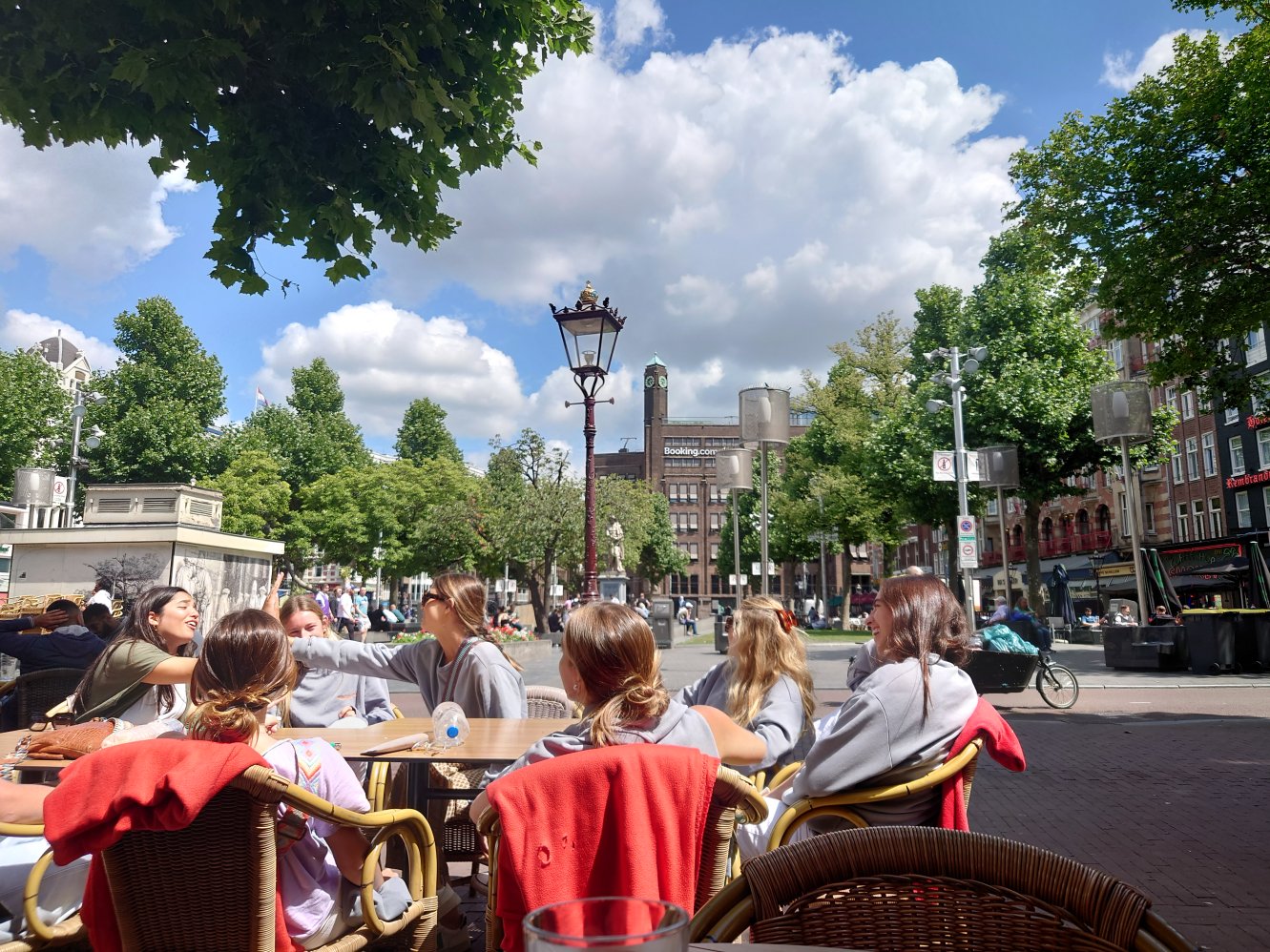
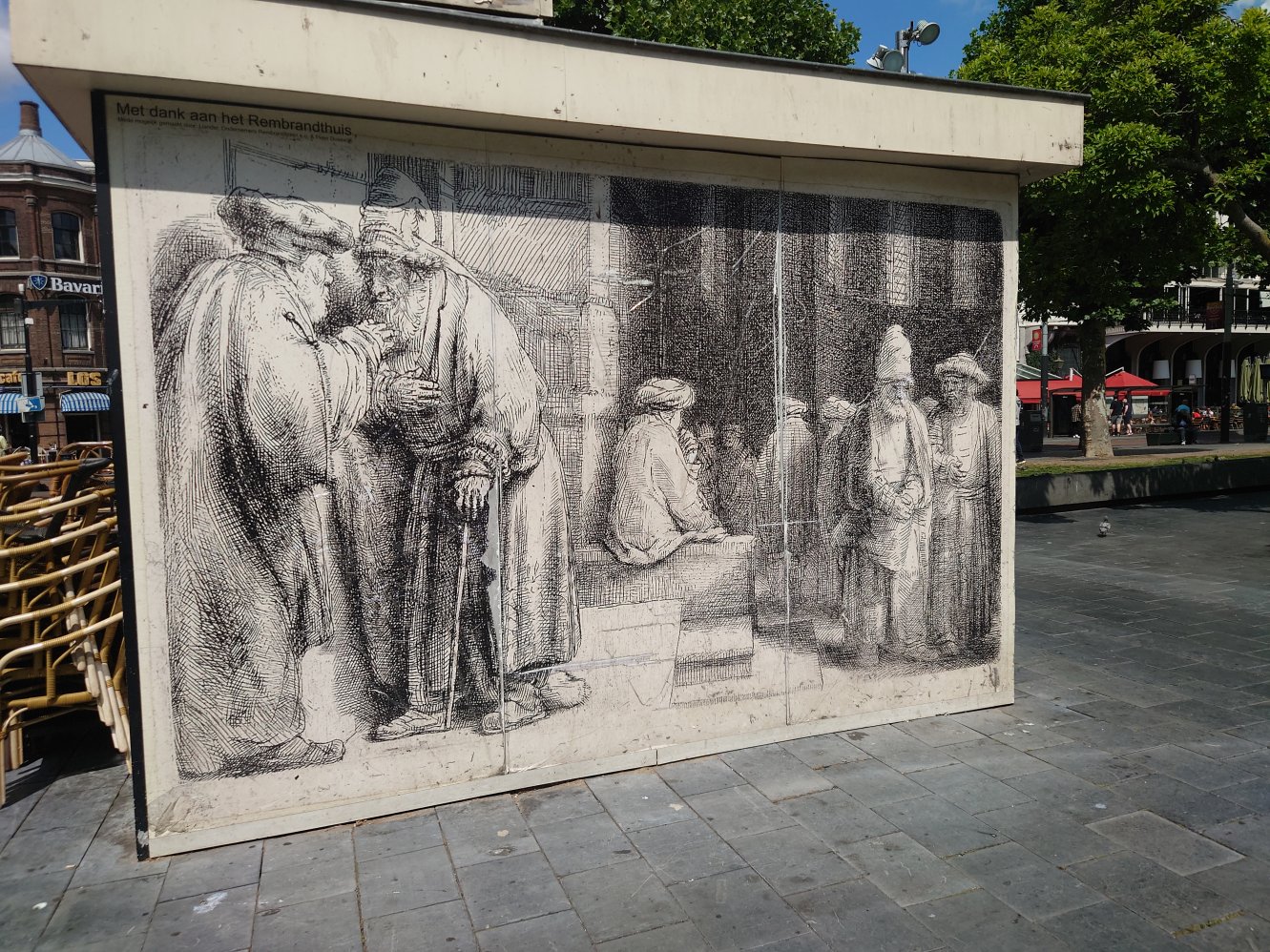
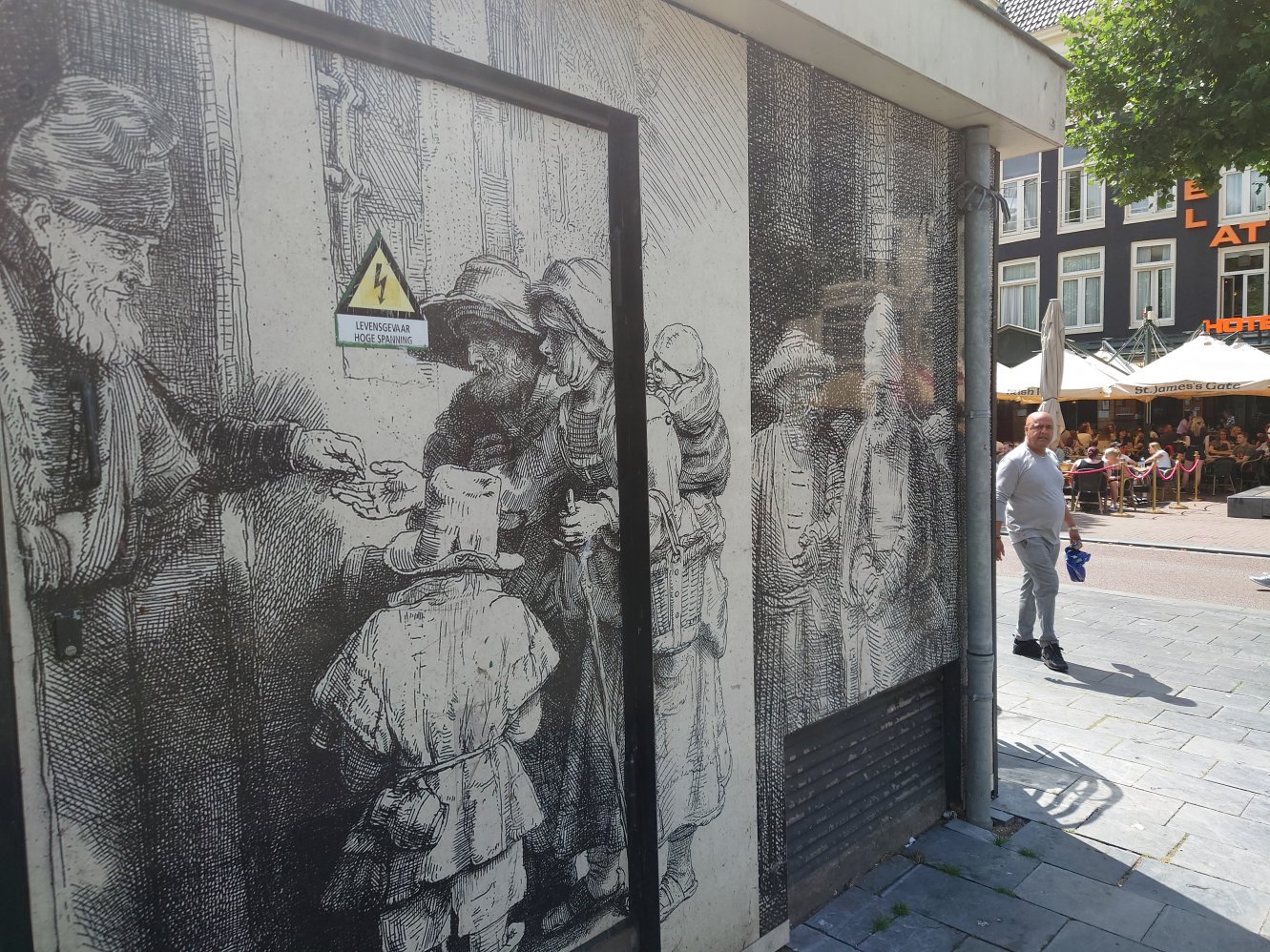
Rembrandtplein (English: Rembrandt Square) is a major square in central Amsterdam, Netherlands, named after Rembrandt van Rijn who owned a house nearby from 1639 to 1656.
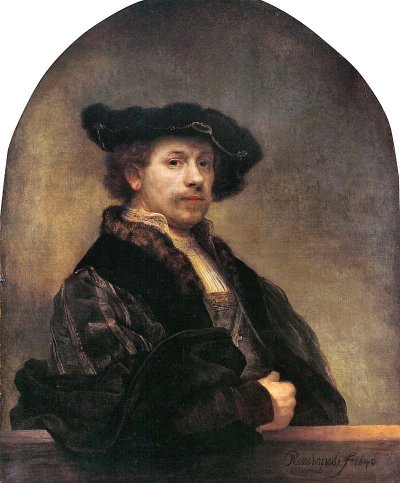
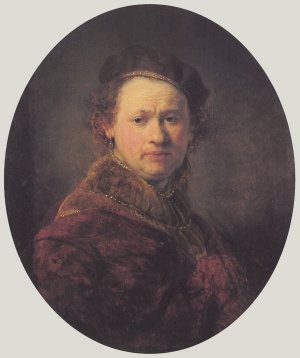
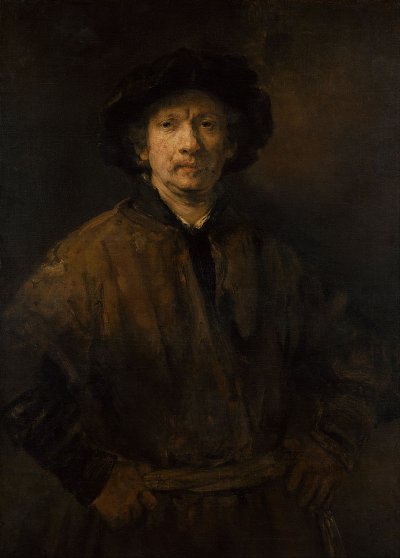
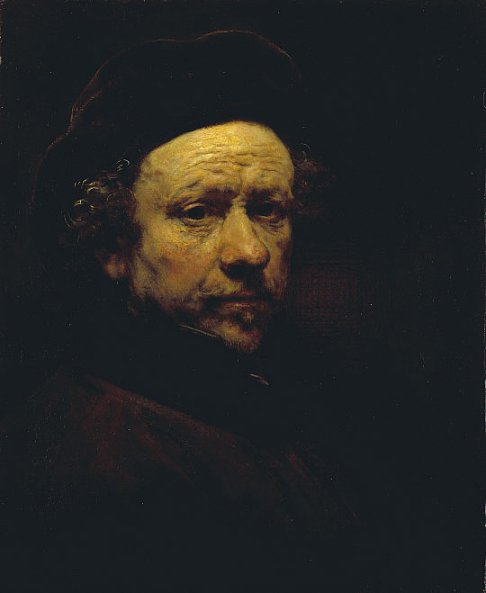
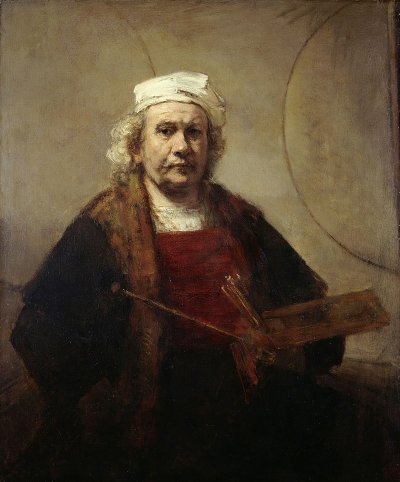
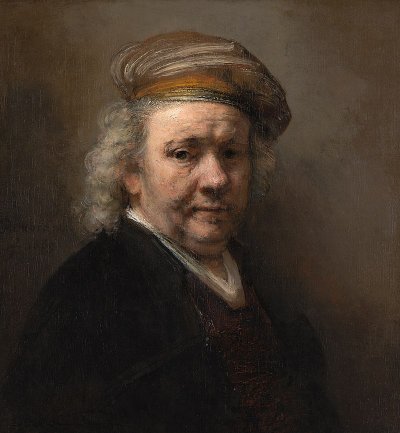
5.3. Rembrandt Selfportraits.
But consciousness is not only about watching others.
It is also about watching oneself: ''Where the watcher becomes the watched''.
As Rembrandt was well aware of...
His oil paintings trace the progress from an uncertain young man, through the dapper and very successful portrait-painter of the 1630s, to the troubled but massively powerful portraits of his old age. Together they give a remarkably clear picture of the man, his appearance and his psychological make-up, as revealed by his richly weathered face [28].
5.4. Amsterdam Impressions. Shops.
Speaking about consciousness, what it is, when it is there, and when it is not (there)...
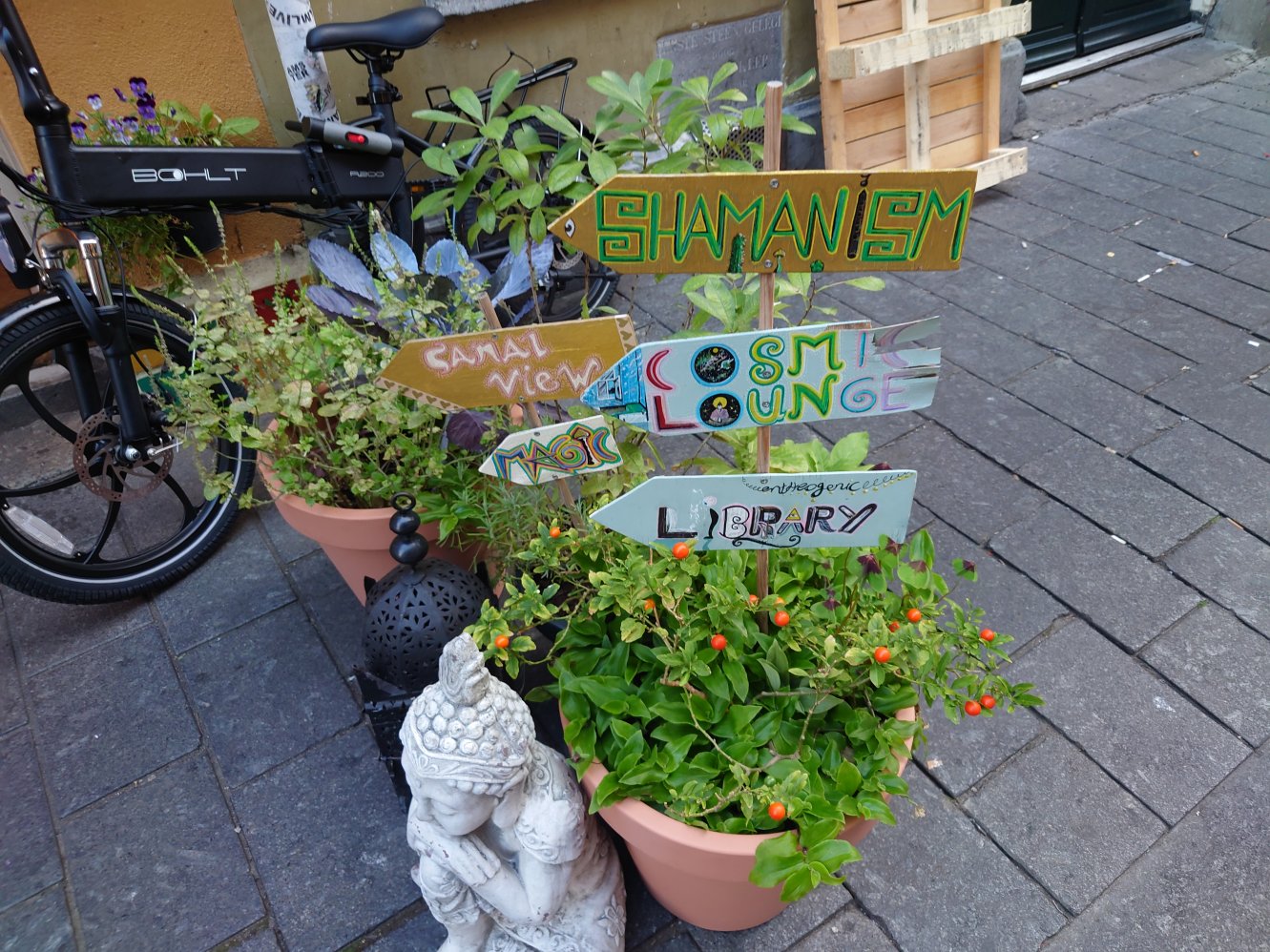
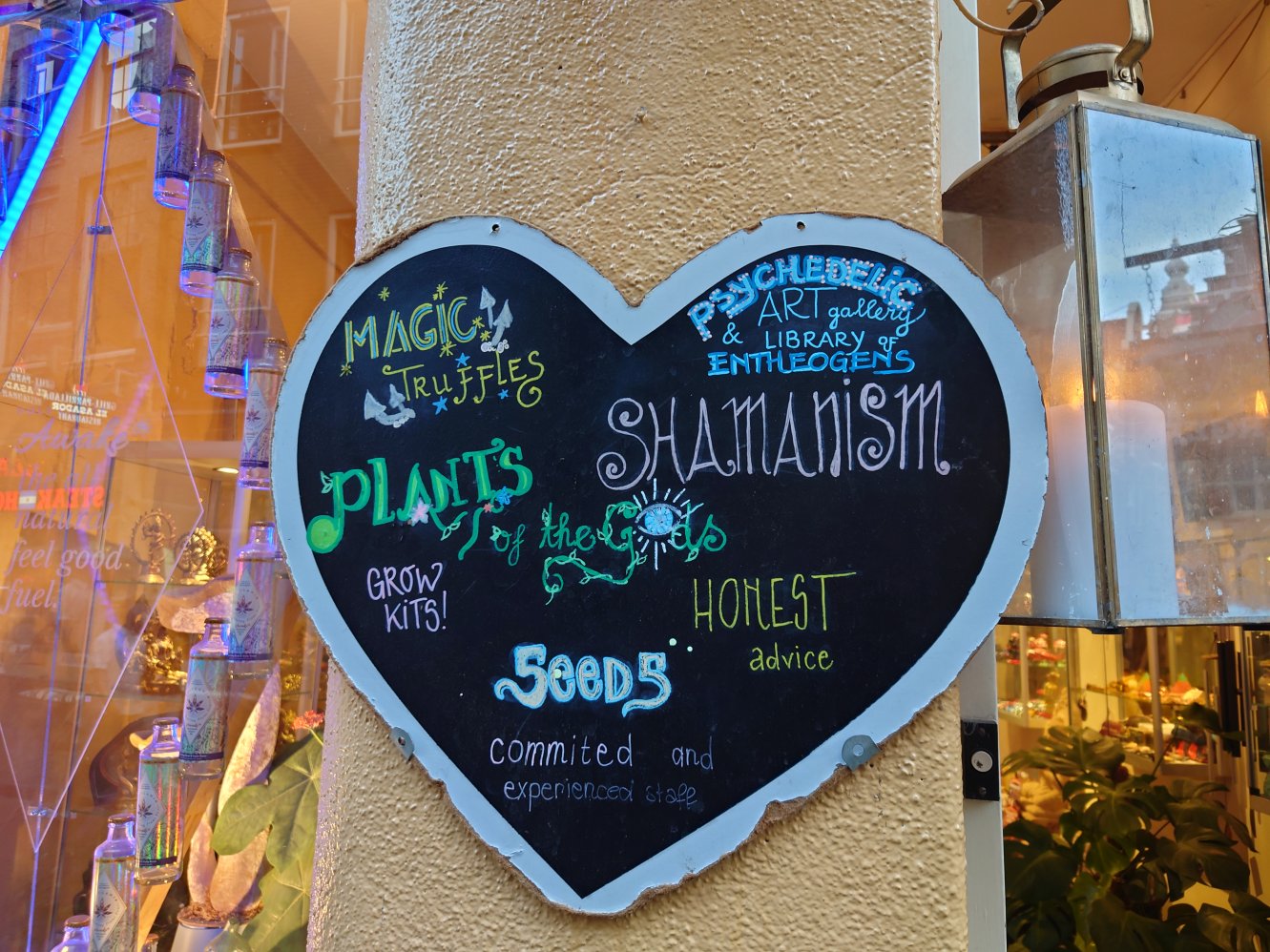
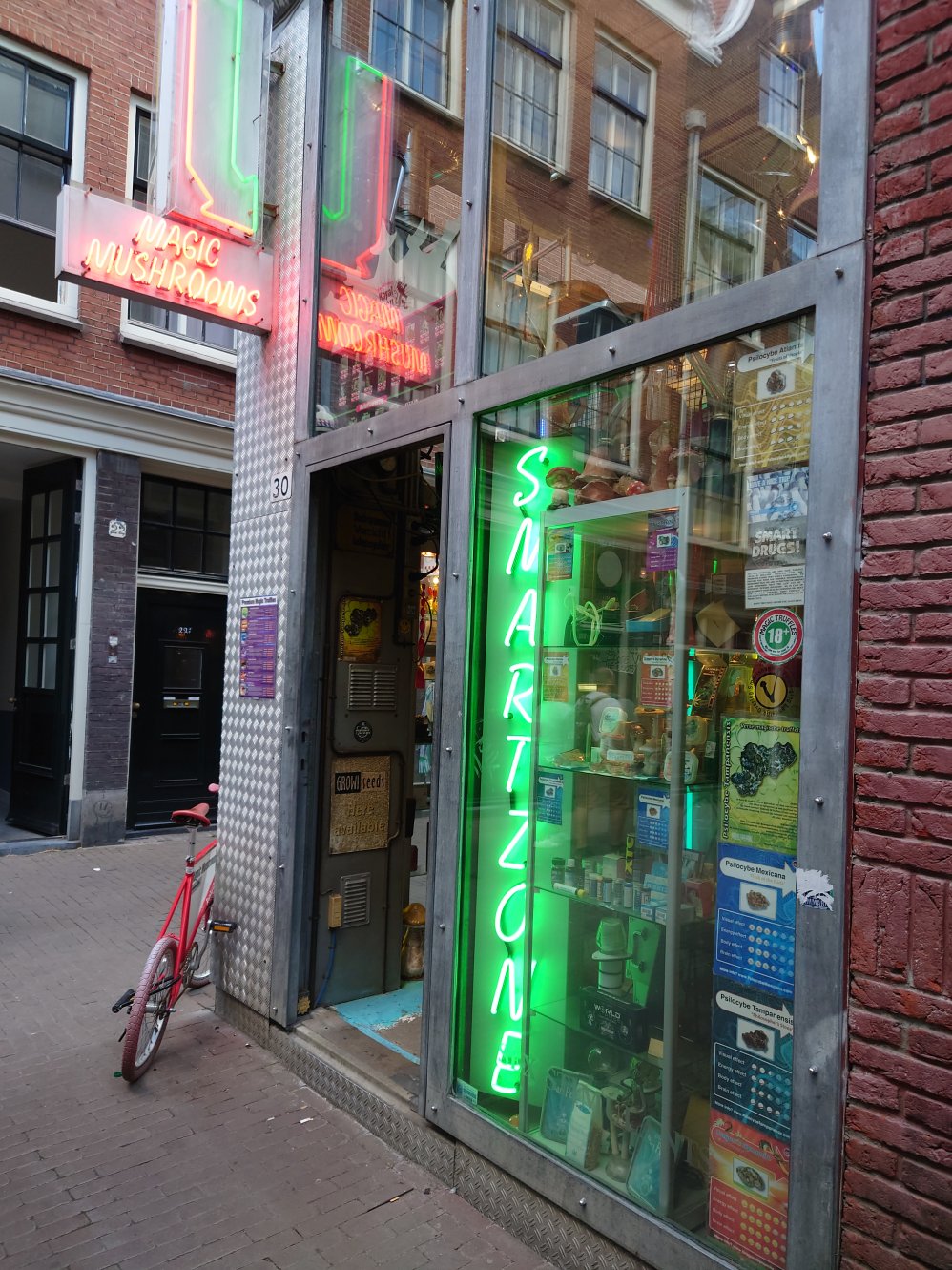
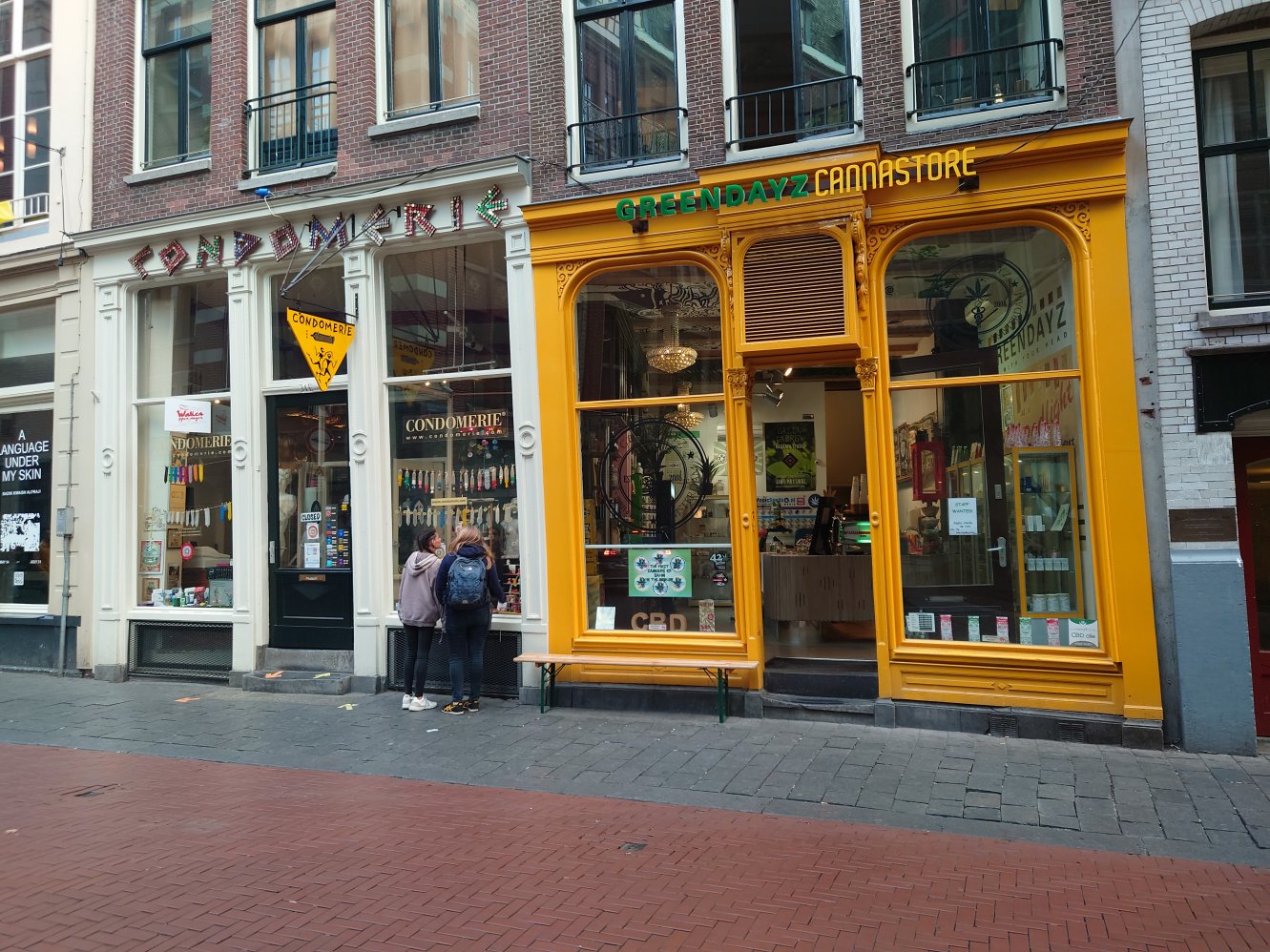
Walking around in Amsterdams city center, you'll see many shop owners with their very own take on what consciousness is, and how it should be used...
5.4.1. Somewhat weird stores in Amsterdam.
Took a few snaps, while walking around in the city center. And moved quickly onwards...
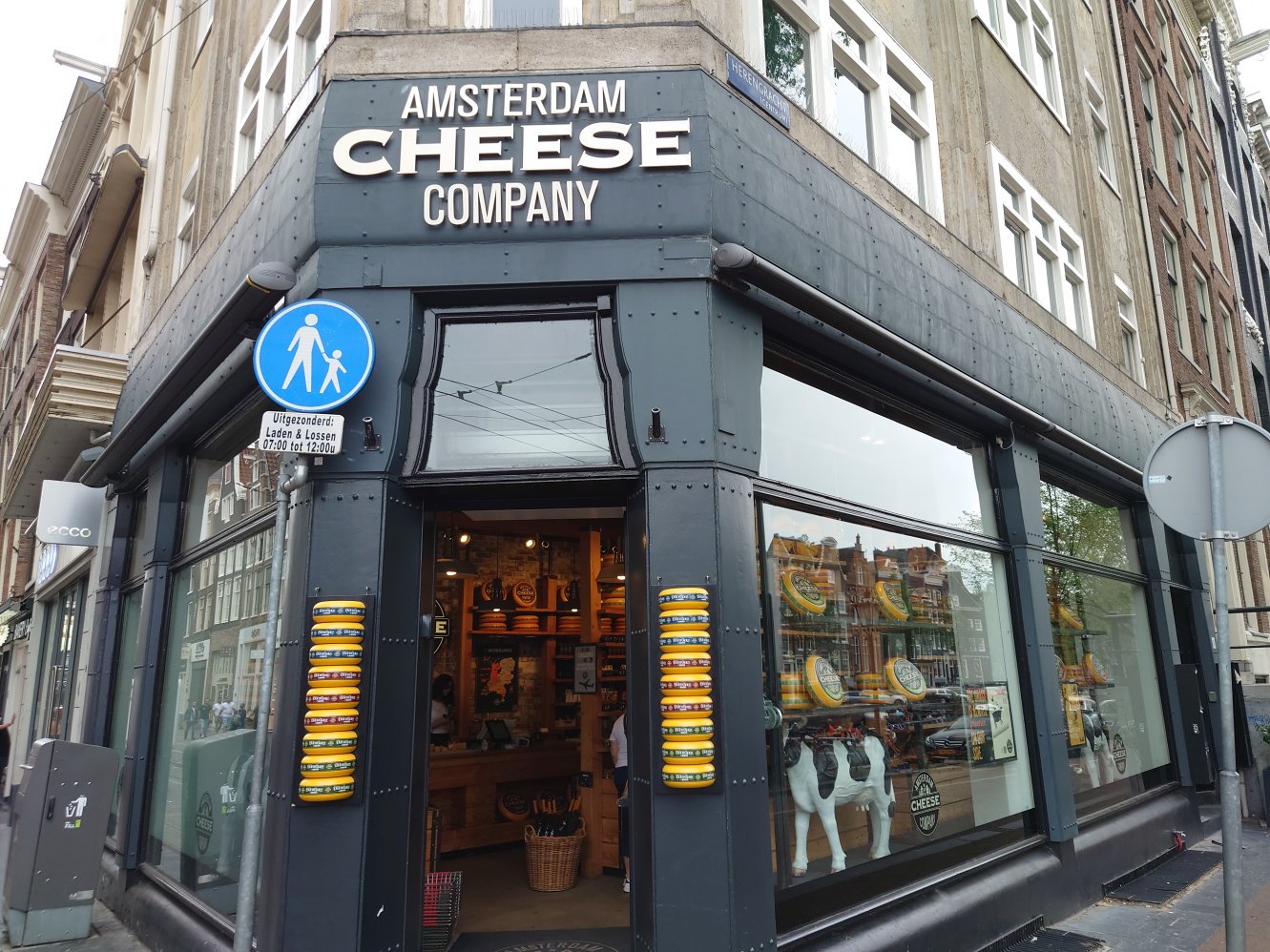
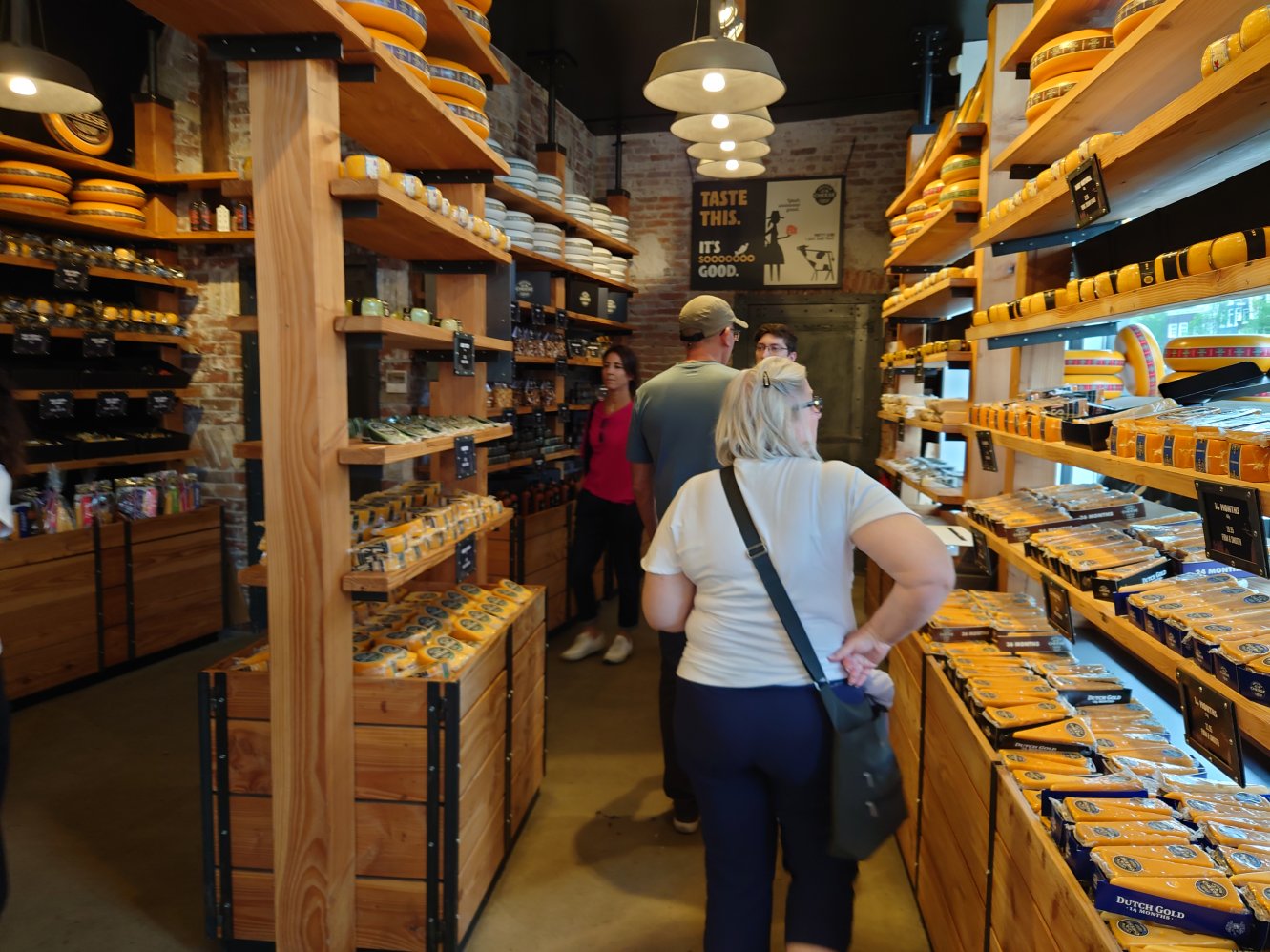
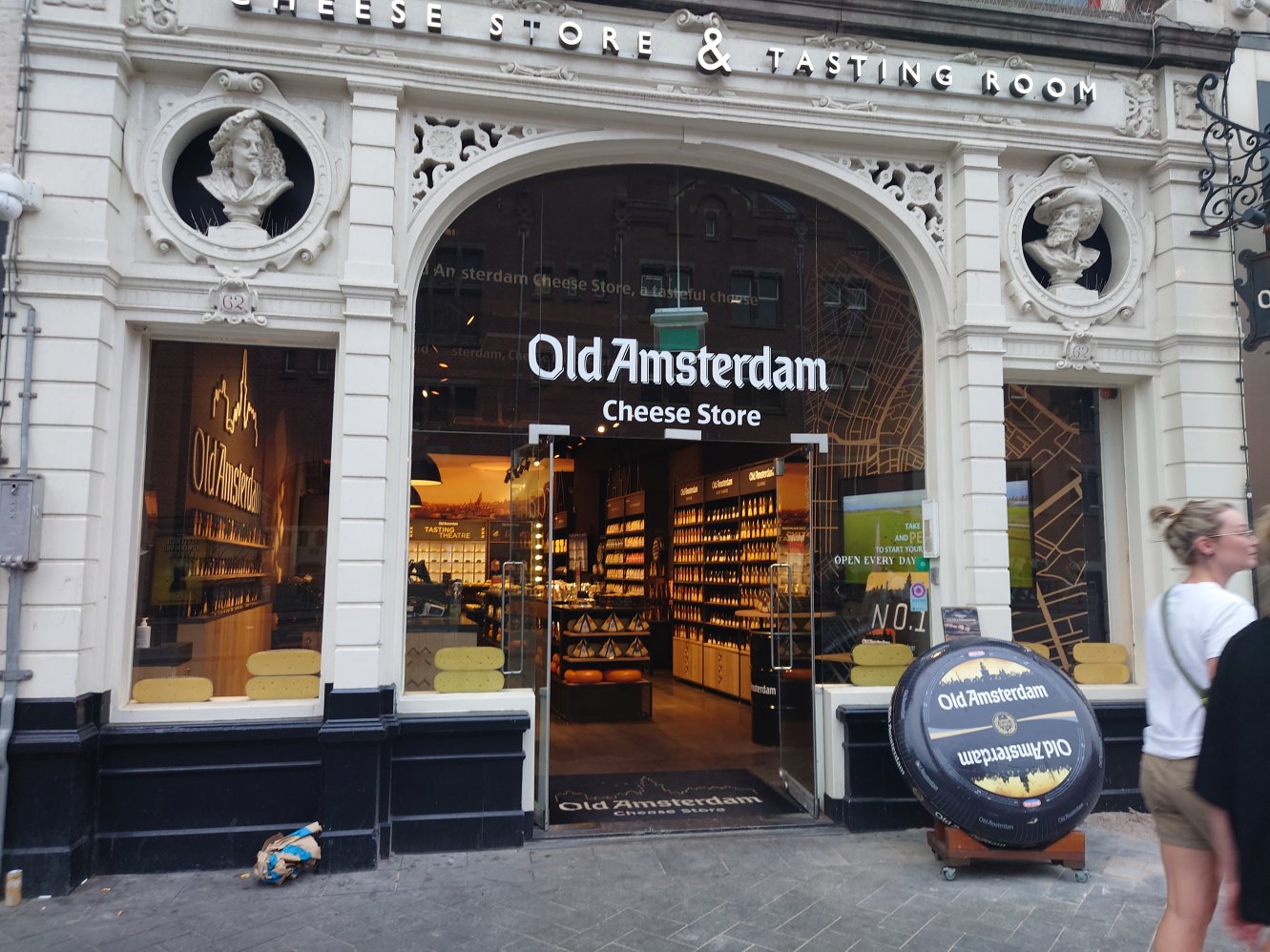
Wherever you go in Amsterdam, cheese is never far away. There are hundreds of cheese shops with a vast range of options. There are world famous cheeses like Edam and Gouda. Then, there are the unusual ones like Borenkaas, Blu de Graven and Deflts Blu [29].
Indeed, cheese is never far away in Amsterdams city center...
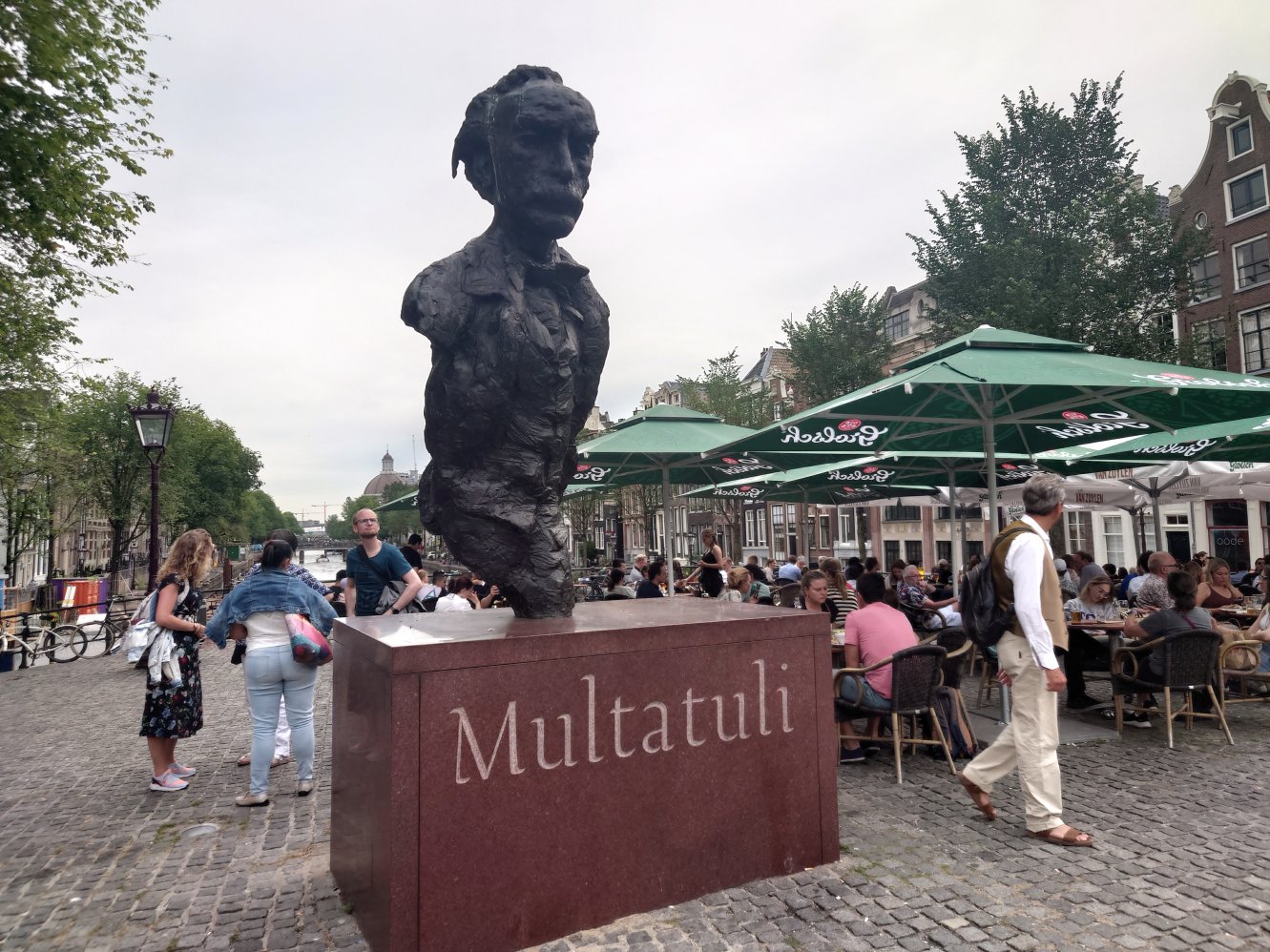
Eduard Douwes Dekker, better known by his pen name Multatuli (from Latin, ''I have suffered much''),
was a Dutch writer best known for his satirical novel Max Havelaar [30].
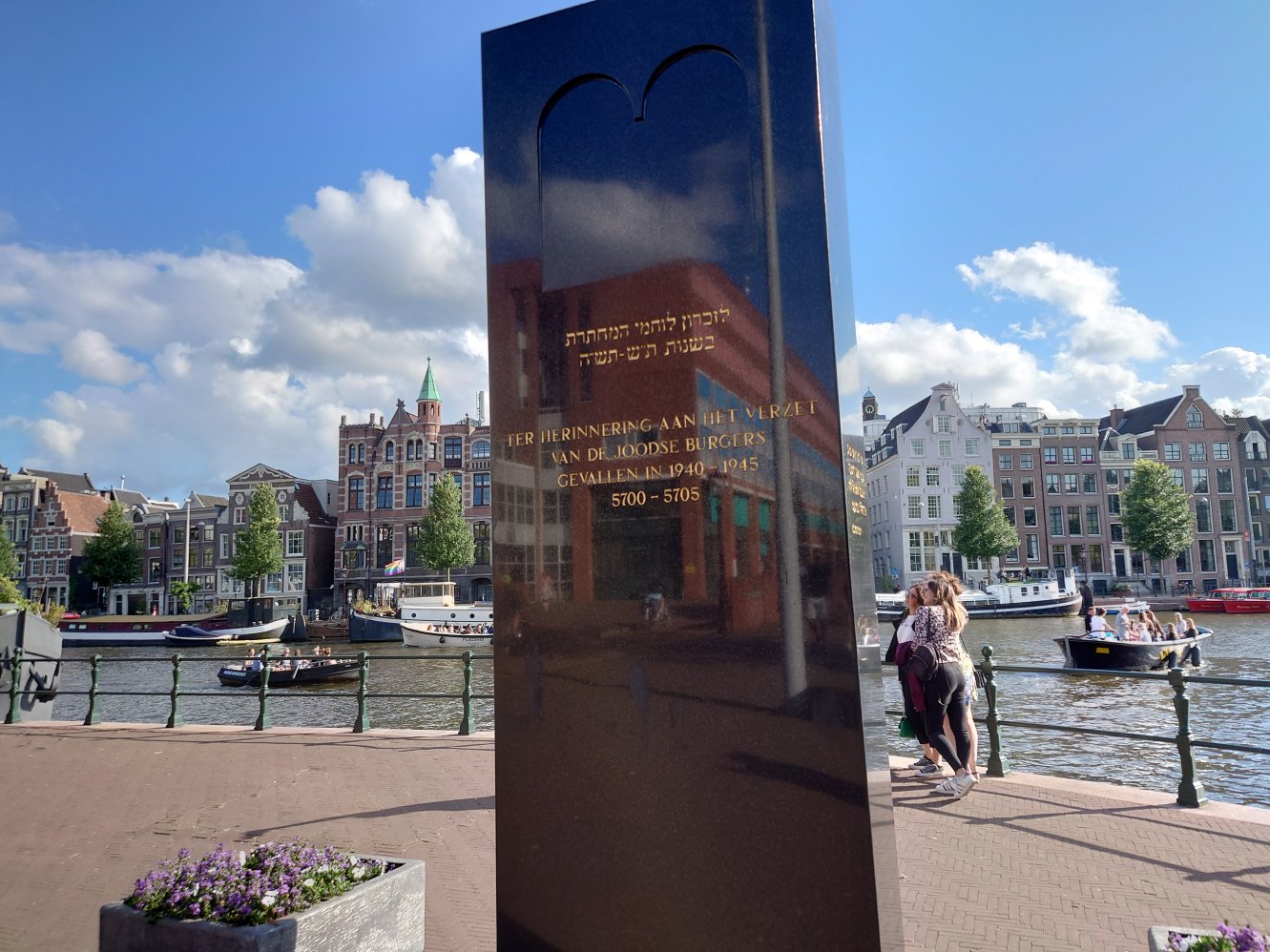
In memory of the resistance by Jewish citizens, killed in 1940-1945 [31].
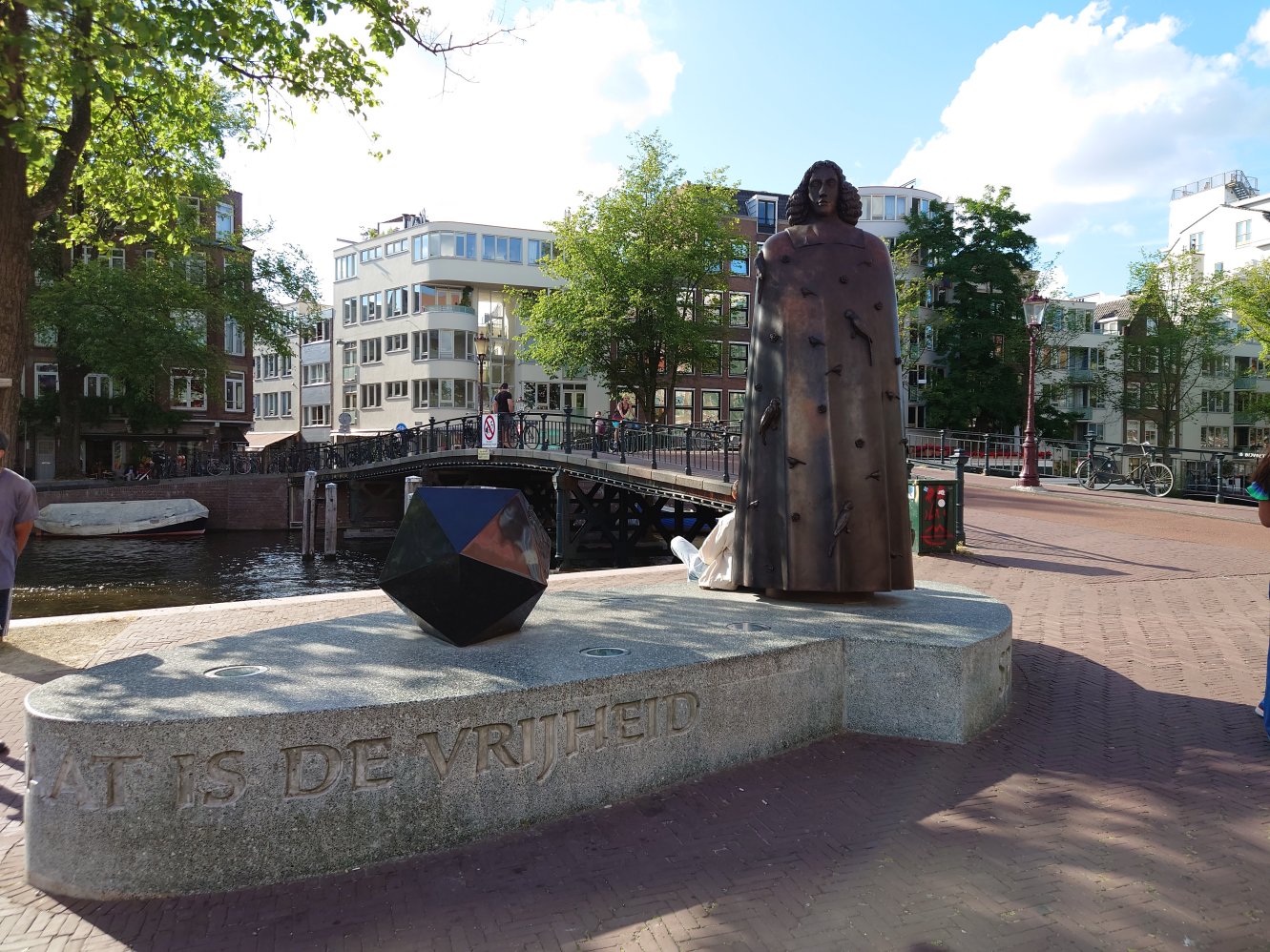
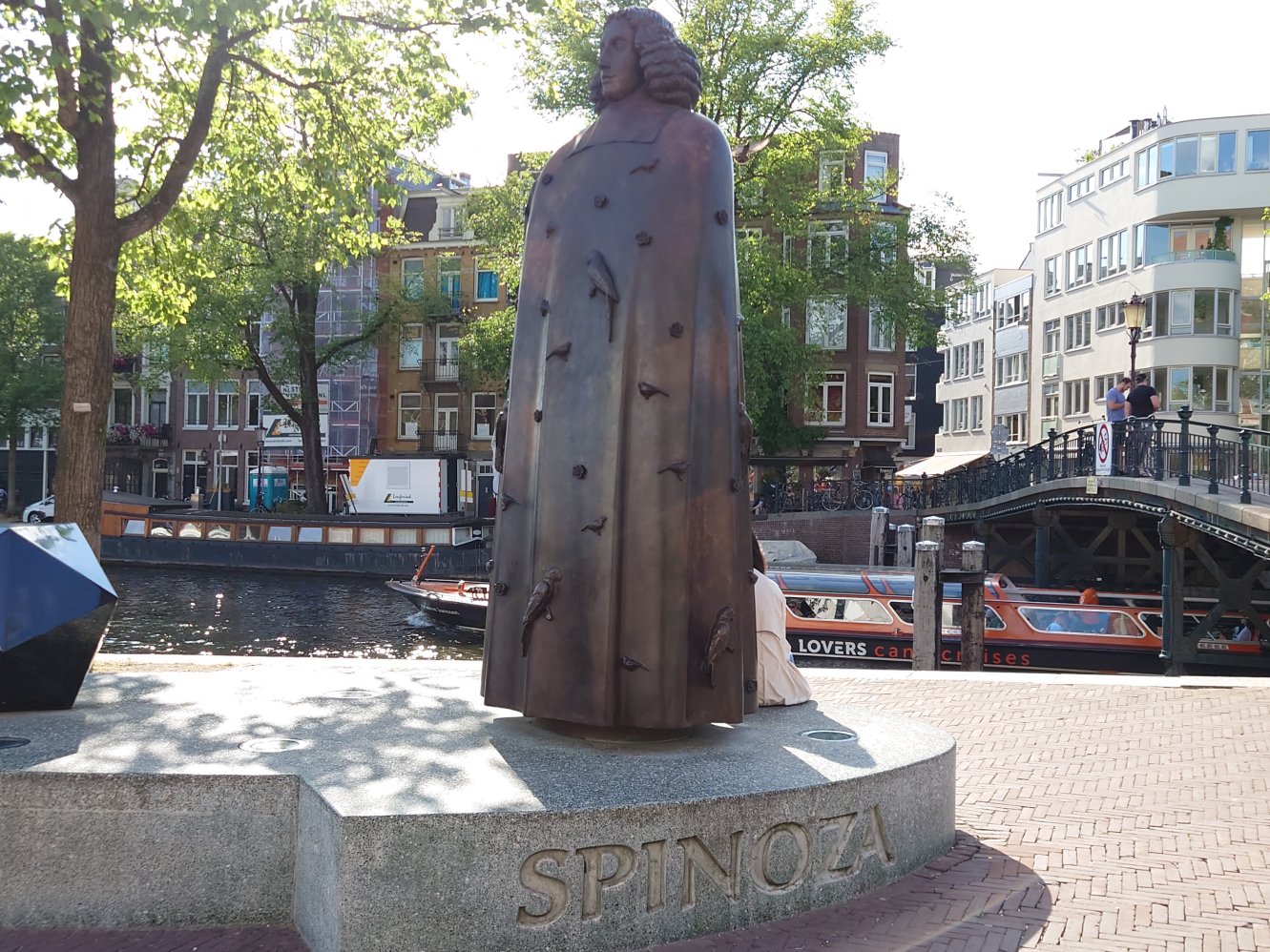
Dutch philosopher of Portuguese Sephardic Jewish origin.
Exponent of 17th-century Rationalism and one of the early and seminal thinkers of the Enlightenment [32].
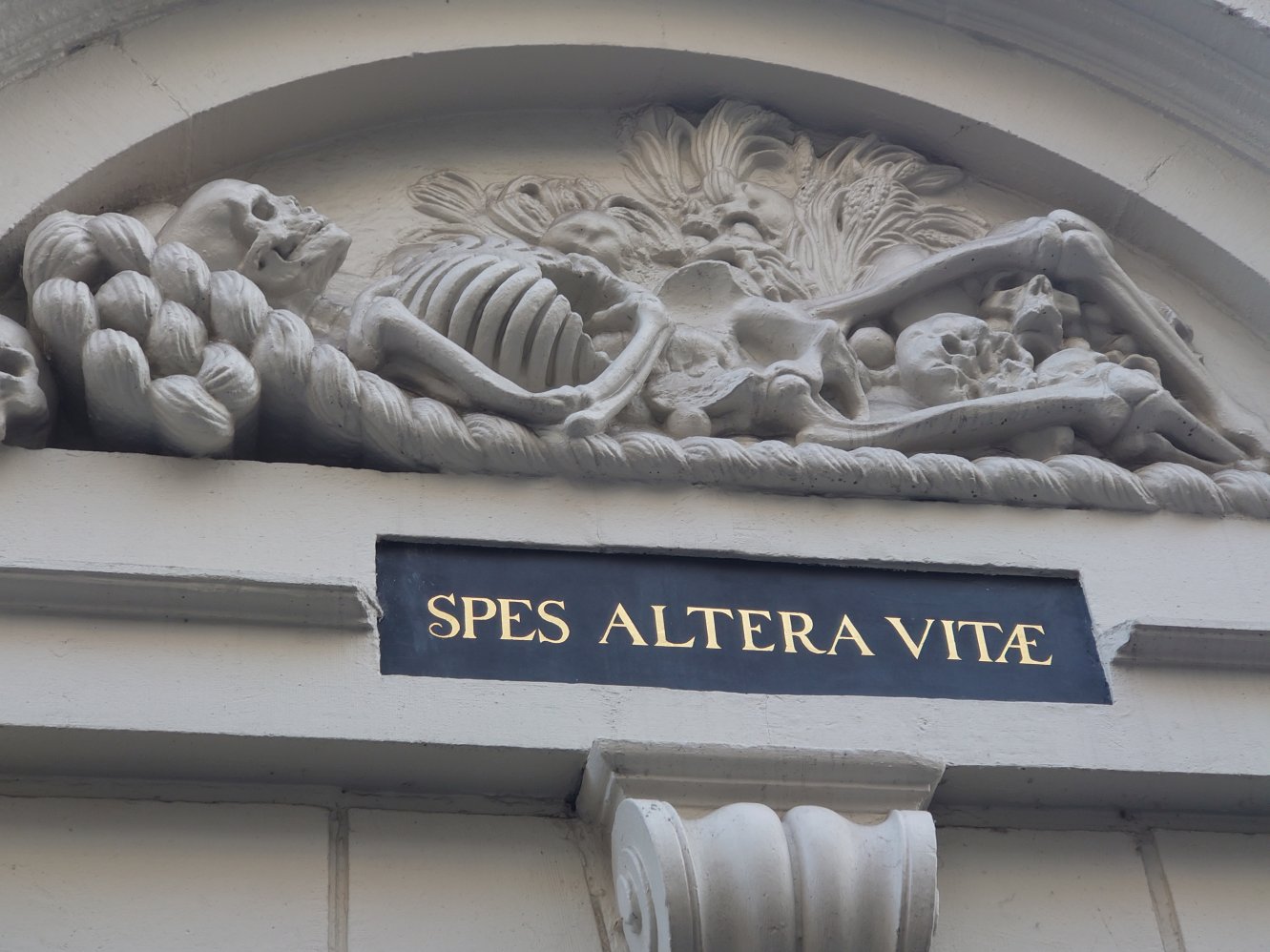
''Spes altera vitae'' means ''Hope for another life''.
XXX: Fire, floods and the Black Death.
or
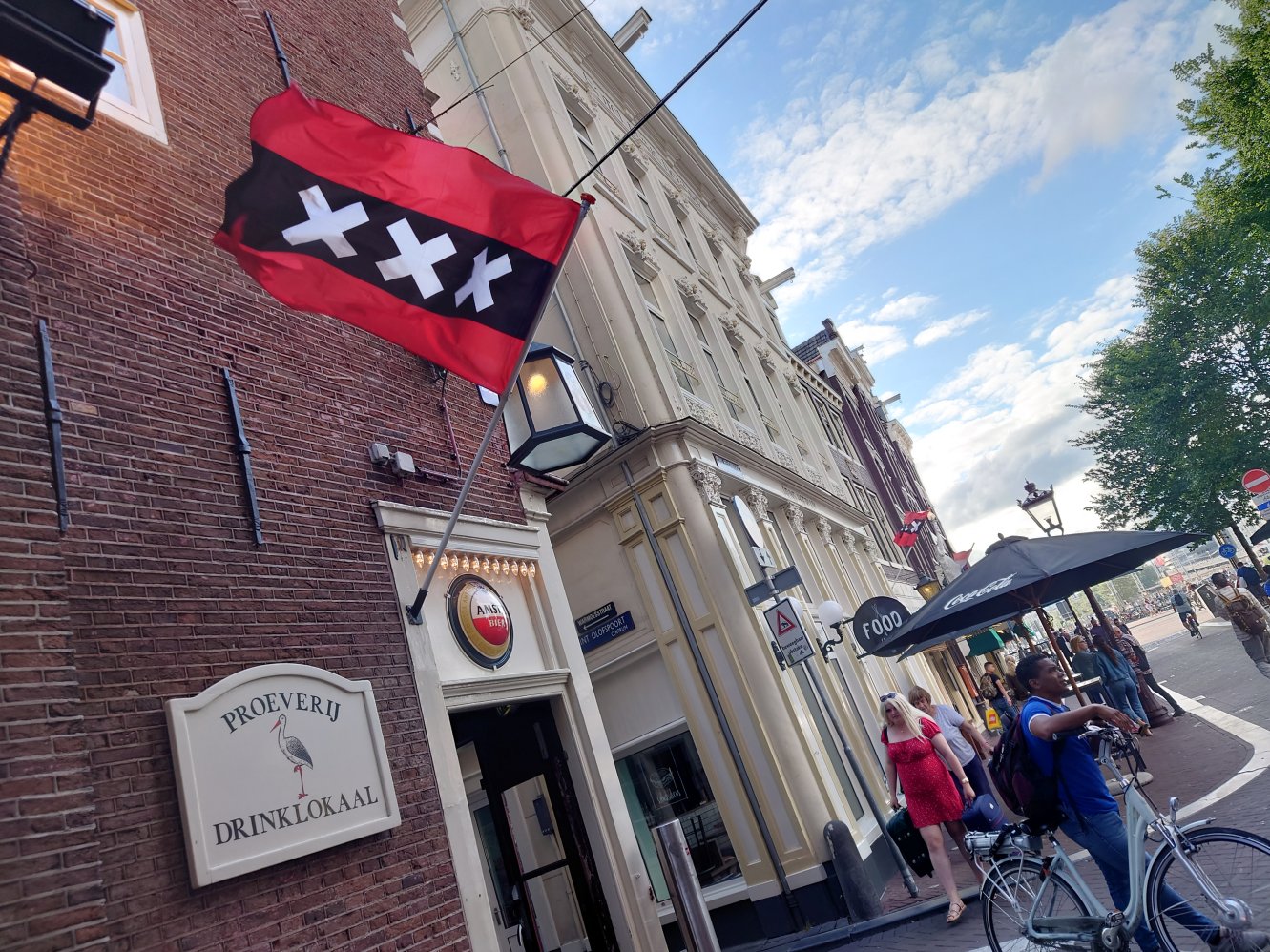
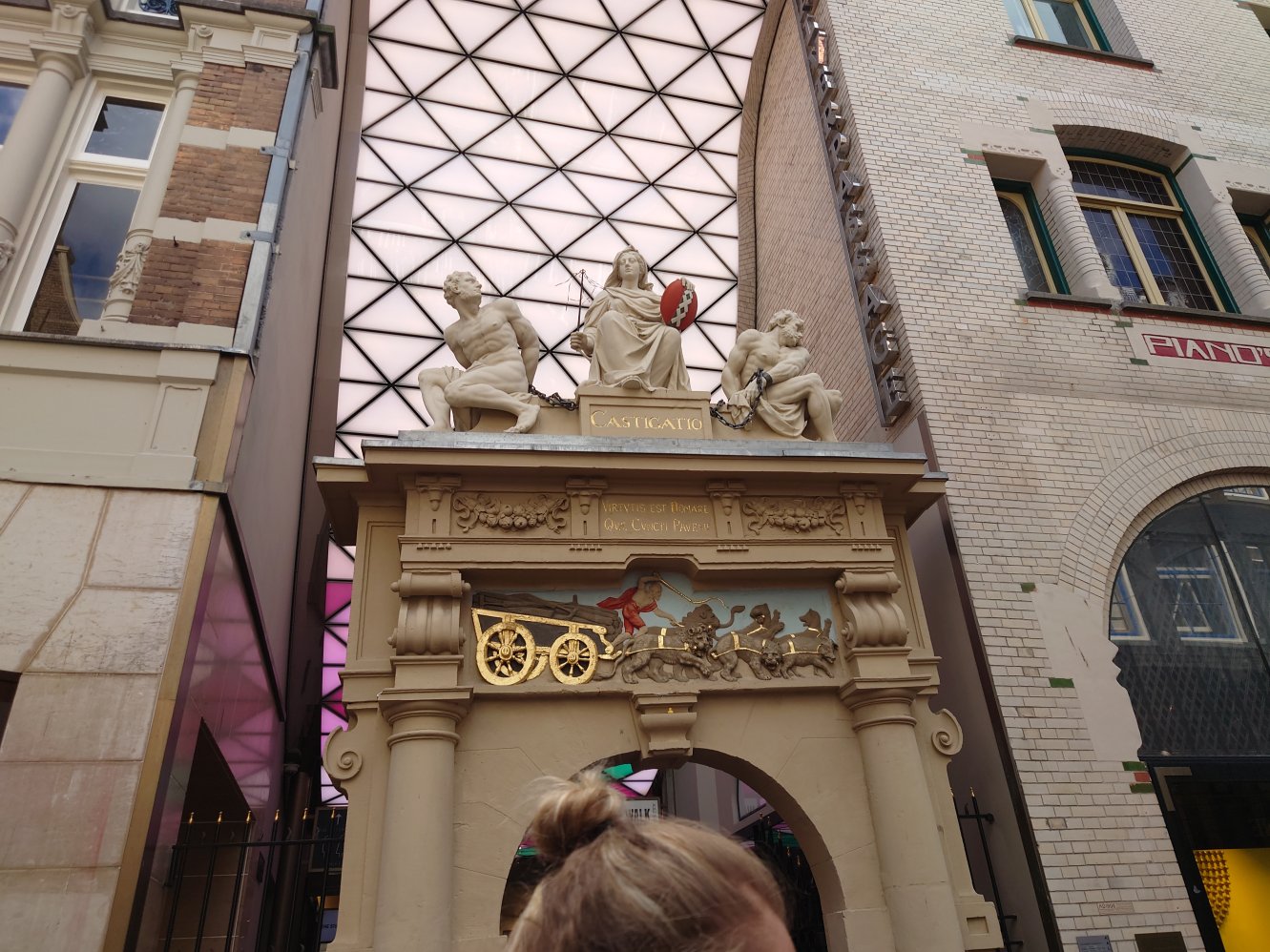
XXX. These symbols are St Andrew's crosses and are also known as saltires. They have appeared on Amsterdam's coat of arms since 1505. St. Andrew was martyred in the 1st century AD and was crucified on an x shaped cross and was a fisherman [35].
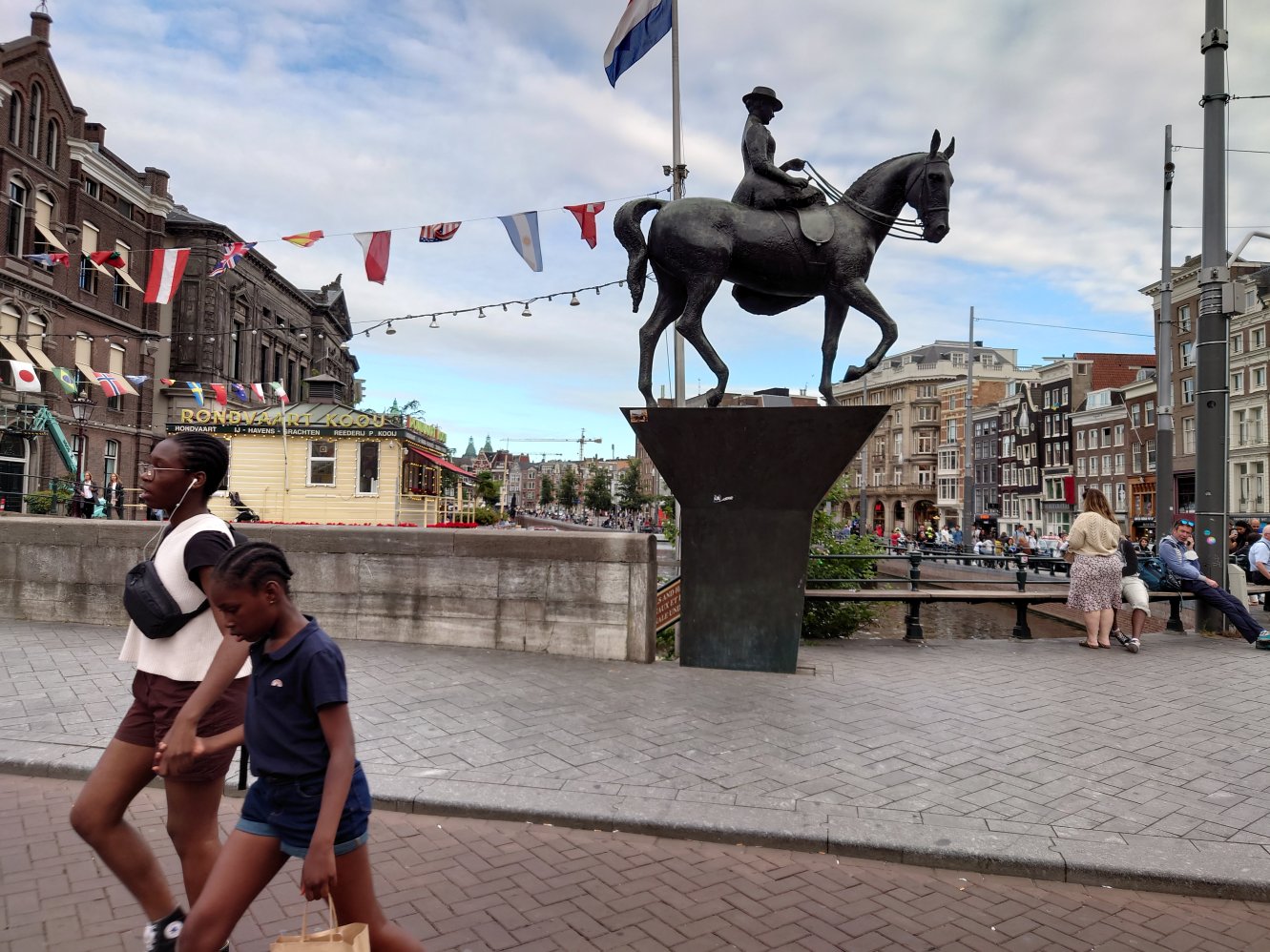
Equestrian statue of Queen Wilhelmina, Amsterdam [36].
Btw. Financial history of the Dutch Republic [37].
E.g. On the contribution to American Independence: Beyond the obvious material contributions of Dutch manufacturers and merchants, the Netherlands supported the American Revolution morally, financially, and politically.
In 1778, John Adams obtained sizable loans from Dutch bankers, who continued supplying credit to the United States for years to come.
In 1782 they became the second country to formally recognize the new United States [38].
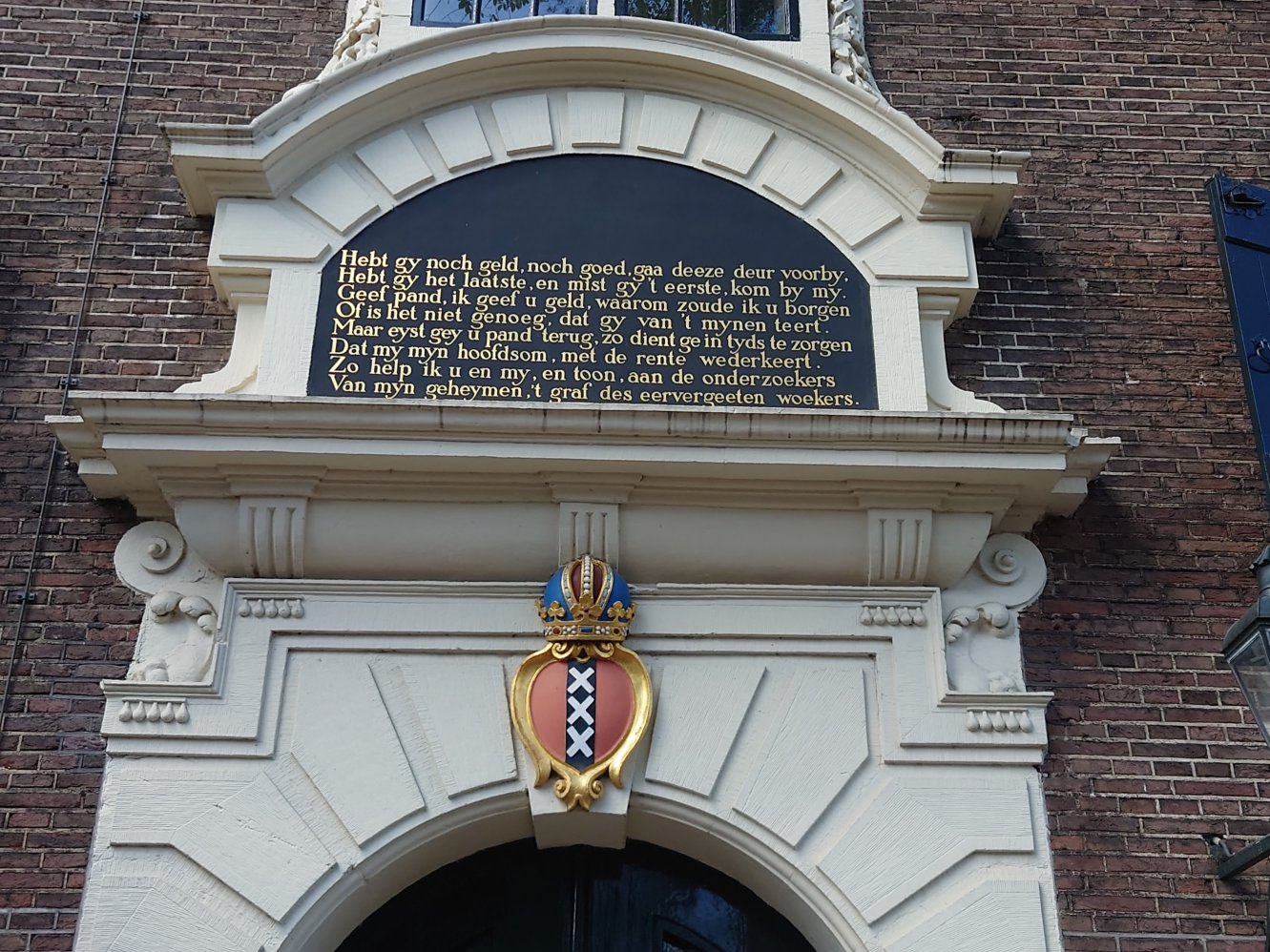
Have you neither money nor goods. Pass this door. Have you the last, and you lack the first, come to me.
Give pledge. I give you money, why should i guarantee
you. Or is it not enough that you consume of mine.
But you return your pledge, so you must in time see
that my principal, with the interest return.
So, I help you and me, and show to the investigators
of my secrets, the grave of forgottan usurers.
Francois Hermony cast four swinging bells in 1659, the largest and smallest of which are still hanging in the tower. The largest swinging bell weighs 3,700 kg, making it the heaviest swinging bell in Amsterdam [39].
Saskia Rembrandt is buried in Oude Kerk (Old church), Amsterdam, Netherlands.
She was the wife of painter Rembrandt van Rijn. In the course of her life she was his model for some of his paintings, drawings and etchings [40].
When open, climbing the tower is done by taking a guided tour which are given by knowledgeable local students. There are no lifts in the Oudekerk – you will have to climb up narrow spiral staircases and step ladders [41].
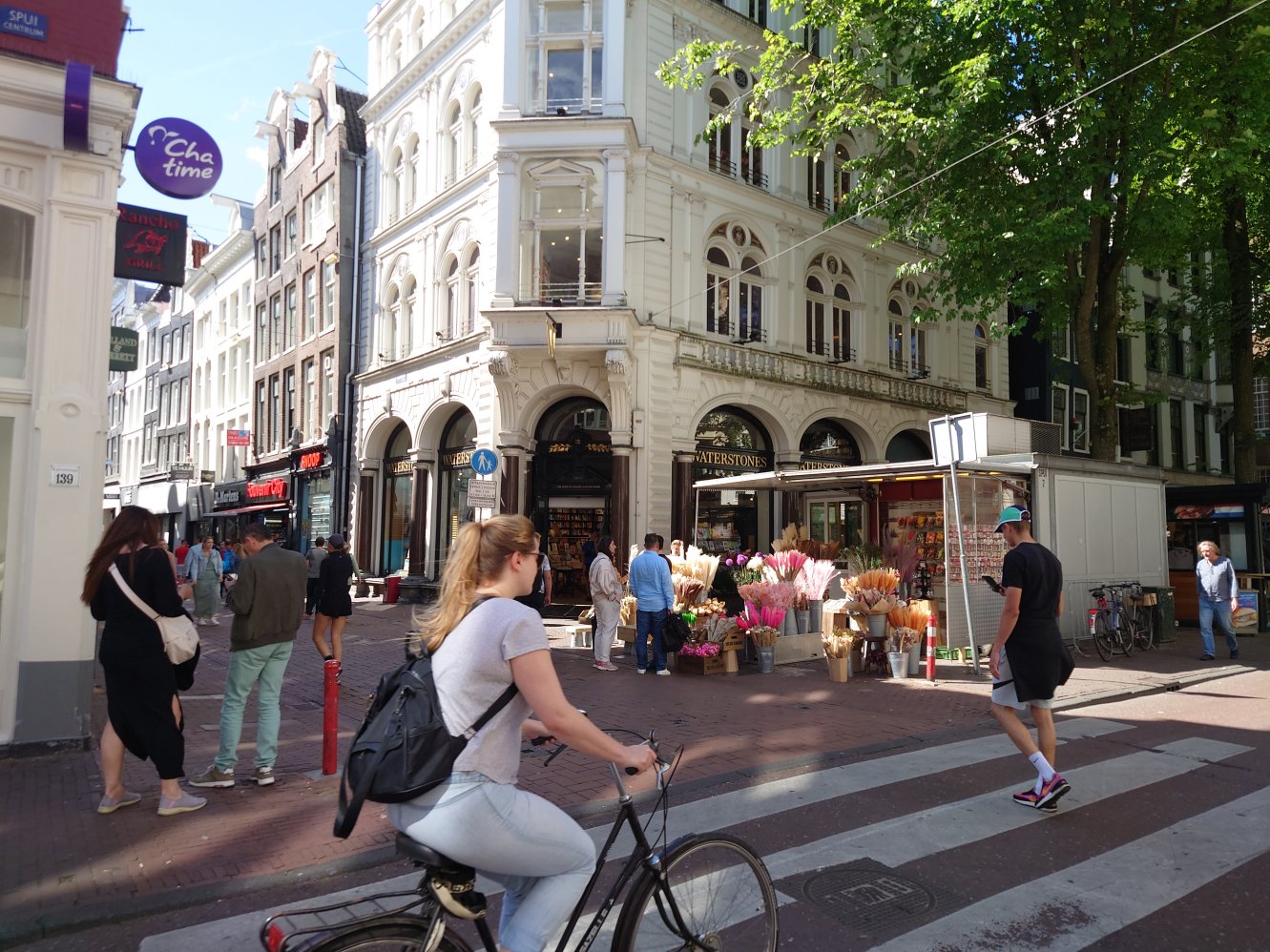
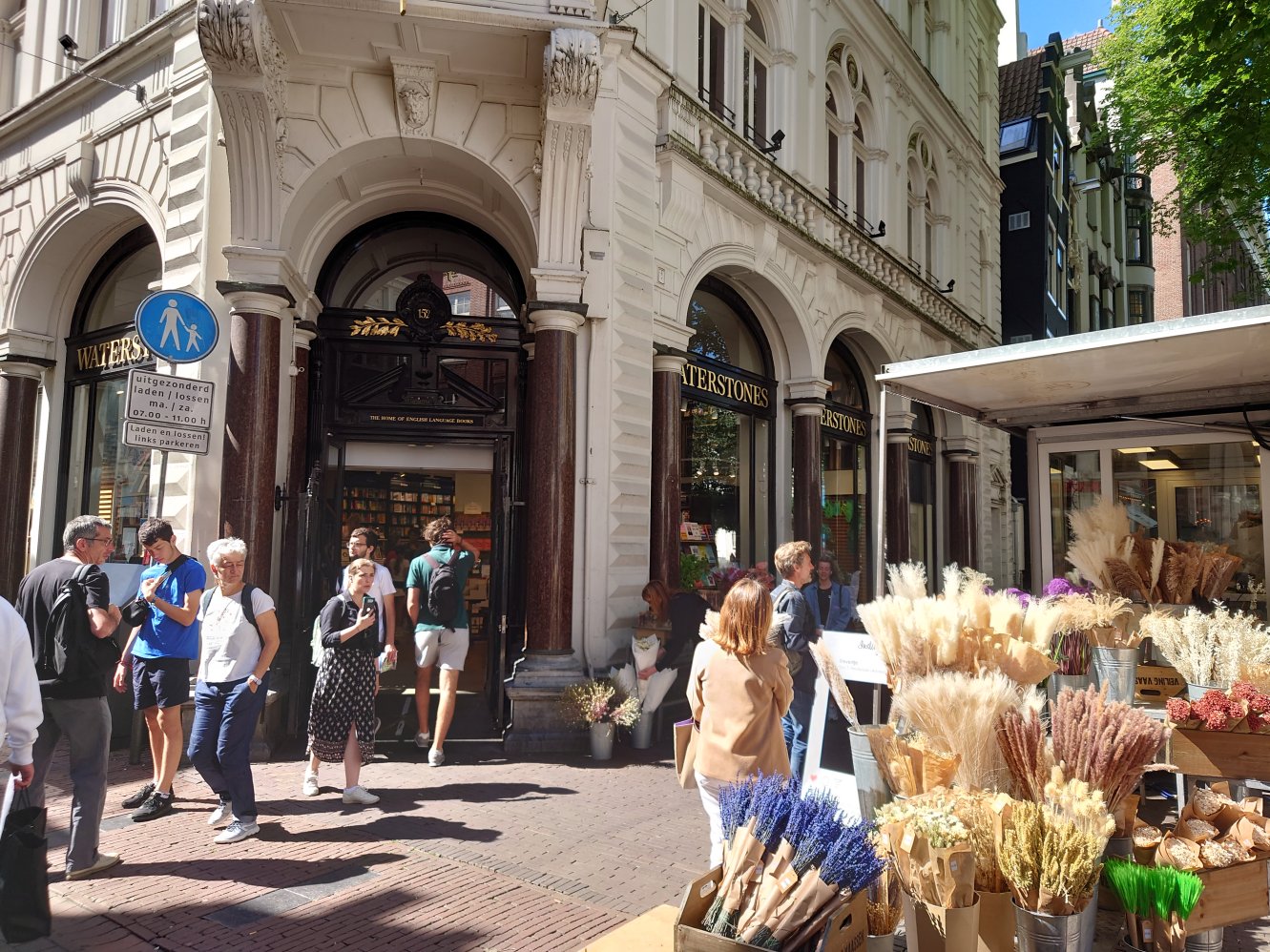
5.7. Bookstores.
And there are, of course, also Amsterdam bookstores, where you can read about it all...
6. Conclusion.
Indeed, the end of a wunderbar conference. With many memorable talks.
Already looking forward to next years edition of the conference!